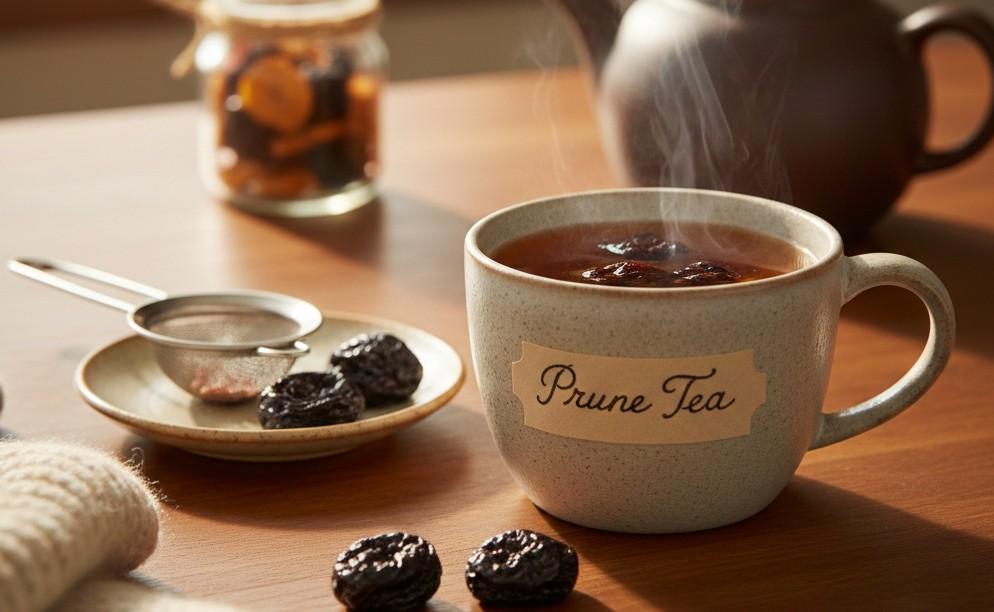
Prune tea is a gentle, natural beverage made from dried plums, traditionally used to support digestion and overall wellness. While prunes themselves are widely recognized for relieving constipation, prune tea offers a milder and more hydrating way to enjoy similar benefits. In this guide, we’ll explore what prune tea is, its nutritional profile, proven health benefits, potential side effects, preparation methods, and practical tips for safe consumption.
What Is Prune Tea?
Prune tea is a herbal infusion prepared by steeping dried plums—commonly known as prunes—in hot water. Prunes are simply dried versions of the European plum, scientifically known as Prunus domestica. When soaked in warm or boiling water, prunes release their natural sugars, fiber components, antioxidants, vitamins, and minerals into the liquid, creating a mildly sweet, dark-colored tea.
Unlike caffeinated teas derived from Camellia sinensis, prune tea is naturally caffeine-free. It has a slightly rich, fruity flavor and is often consumed to support digestive health, relieve constipation, promote hydration, and provide antioxidants.
Nutritional Facts of Prune Tea
The exact nutritional value depends on the number of prunes used and the steeping time. Below is an approximate nutritional profile of prune tea prepared with 3–4 dried prunes steeped in 1 cup (240 ml) of water.
| Nutrient | Approximate Amount per Cup | Key Role in the Body |
|---|---|---|
| Calories | 40–60 kcal | Energy source |
| Carbohydrates | 10–14 g | Quick energy |
| Natural Sugars | 8–12 g | Natural sweetness |
| Dietary Fiber (soluble extract) | 1–2 g | Supports digestion |
| Potassium | 150–250 mg | Fluid balance, heart health |
| Vitamin K | 10–20 mcg | Blood clotting, bone health |
| Vitamin A (beta-carotene) | Small amounts | Vision and immunity |
| Magnesium | 10–20 mg | Muscle and nerve function |
| Iron | Trace amounts | Oxygen transport |
| Antioxidants (polyphenols) | Moderate | Protect cells from damage |
| Sorbitol | Present | Natural laxative effect |
Note: Much of the fiber remains in the fruit unless consumed along with the prunes.
20 Science-Backed Benefits of Prune Tea
Below are research-supported or biologically plausible benefits based on studies on prunes and dried plums.
- Supports Natural Bowel Movements: The combination of soluble fiber and sorbitol helps soften stool and stimulate bowel activity.
- Relieves Mild Constipation: Studies on prunes show improved stool frequency and consistency.
- Promotes Gut Microbiome Health: The fiber and polyphenols act as prebiotics, nourishing beneficial gut bacteria.
- Provides Antioxidant Protection: Prunes are rich in phenolic compounds that help reduce oxidative stress.
- Supports Bone Health: Vitamin K, potassium, and polyphenols in prunes are associated with improved bone density.
- Helps Maintain Heart Health: Potassium helps regulate blood pressure and supports cardiovascular function.
- May Reduce Inflammation: Antioxidants in prunes may help lower inflammatory markers.
- Supports Healthy Digestion: Soluble fiber helps regulate digestive flow.
- Improves Stool Consistency: Sorbitol increases water content in the stool.
- May Support Weight Management: Fiber and natural sweetness may reduce cravings and overeating.
- Supports Healthy Blood Sugar Control: Despite natural sugars, prunes have a relatively low glycemic index when consumed moderately.
- Enhances Iron Absorption: Vitamin C (if added with lemon) and certain compounds may help improve iron uptake.
- Supports Immune Function: Antioxidants and micronutrients assist immune defenses.
- May Reduce LDL Oxidation: Polyphenols may help protect cholesterol from oxidative damage.
- Supports Liver Detox Pathways: Antioxidants assist the body’s natural detoxification systems.
- Improves Hydration: The tea contributes to daily fluid intake.
- May Aid Recovery from Illness: Gentle laxative and nutrient support can help during digestive sluggishness.
- Supports Healthy Aging: Antioxidant compounds help reduce cellular damage over time.
- May Promote Skin Health: Antioxidants can help protect skin cells from oxidative stress.
- Provides Natural Energy: Natural sugars offer a mild energy boost without caffeine.
10 Side Effects of Prune Tea
Although generally safe, prune tea may cause side effects in certain individuals.
- May Cause Diarrhea: Excess consumption can overstimulate bowel movements.
- Can Lead to Abdominal Cramping: Sorbitol may cause intestinal discomfort in sensitive individuals.
- May Cause Gas and Bloating: Fermentation of fiber in the gut can produce gas.
- Possible Blood Sugar Spike: Excess intake may affect glucose levels in diabetics.
- May Lead to Electrolyte Imbalance: Severe diarrhea from overuse can cause fluid loss.
- Potential Allergic Reactions: Rarely, individuals allergic to plums may react.
- May Interact with Laxatives: Combining with stimulant laxatives can intensify effects.
- May Trigger IBS Symptoms: High sorbitol content may worsen symptoms in sensitive individuals.
- May Contribute to Weight Gain if Overused: Excess calorie intake from natural sugars may add up.
- Could Increase Potassium Levels: Those with kidney disease should monitor potassium intake.
How to Make Prune Tea?
Ingredients:
- 3–5 dried prunes (pitted)
- 1 cup (240 ml) water
- Optional: cinnamon stick, lemon slice, or ginger
Method:
- Rinse prunes thoroughly.
- Bring water to a boil.
- Add prunes and simmer for 10–15 minutes.
- Turn off heat and steep for an additional 5–10 minutes.
- Strain into a cup (or mash prunes into the tea for added fiber).
- Serve warm.
For a stronger tea, steep overnight in warm water.
Other Uses of Prune Tea
Prune tea is versatile and can be used in multiple ways:
- As a base for smoothies
- Mixed into oatmeal
- Used as a mild natural laxative drink
- Combined with herbal teas like ginger or fennel
- Used in baking instead of sugar syrup
- Consumed postpartum to support bowel regularity
How Much Prune Tea Can You Drink a Day?
For most healthy adults, 1 cup per day is generally sufficient to support digestion.
If using prune tea specifically for constipation, up to 2 cups daily may be tolerated, but it’s best to start with ½ to 1 cup and adjust gradually.
Children should consume smaller amounts under supervision.
Individuals with diabetes, kidney issues, or digestive disorders should consult a healthcare provider before regular use.
Tips for Consuming Prune Tea
- Start with small amounts to assess tolerance.
- Drink slowly rather than quickly.
- Stay hydrated throughout the day.
- Combine with a fiber-rich diet for better digestive results.
- Avoid adding refined sugar.
- Store prepared tea in the refrigerator and use within 24 hours.
Best Time to Drink Prune Tea
- Morning: Helps stimulate bowel movement for the day.
- Before Bed: May help relieve constipation by morning.
- After Meals: Can support digestion gently.
If prone to nighttime bathroom trips, avoid drinking late in the evening.
Who Should Drink Prune Tea?
Prune tea may be beneficial for:
- Individuals with occasional constipation
- Older adults with sluggish digestion
- People increasing fiber intake
- Those seeking a caffeine-free digestive beverage
- Postpartum individuals needing gentle bowel support
- Travelers experiencing digestive irregularity
Who Should Not Drink Prune Tea?
Prune tea may not be suitable for:
- Individuals with chronic diarrhea
- People with uncontrolled diabetes
- Those with severe irritable bowel syndrome
- Individuals with kidney disease (due to potassium content)
- Anyone allergic to plums
- Children without pediatric guidance
Precautions and Interactions
- Consult a doctor if pregnant, breastfeeding, or on medication.
- Avoid combining with stimulant laxatives unless advised.
- Monitor blood sugar if diabetic.
- Individuals on potassium-restrictive diets should consult healthcare professionals.
- Stop use if severe abdominal pain or persistent diarrhea occurs.
Final Thoughts
Prune tea is a simple yet effective herbal infusion derived from dried plums. Backed by research on prunes themselves, it offers digestive support, antioxidant benefits, and micronutrients that contribute to overall wellness. While especially valued for relieving constipation, prune tea may also support heart health, bone strength, and healthy aging.
FAQ’s
What is prune tea good for?
Prune tea is primarily used to relieve constipation, support digestion, improve gut health, and provide antioxidants that help protect the body from oxidative stress.
Does prune tea really help with constipation?
Yes, prune tea may help relieve mild constipation because it contains sorbitol and soluble fiber, which soften stool and promote bowel movements.
How long does it take for prune tea to work?
For most people, prune tea may start working within 6 to 12 hours, though effects can vary depending on digestion and hydration levels.
Can I drink prune tea every day?
Yes, many people can safely drink 1 cup daily, but it’s best to start with a small amount to see how your body responds.
Is prune tea safe during pregnancy?
Prune tea is often considered a gentle option for occasional constipation during pregnancy, but it’s best to consult a healthcare provider before regular use.
Can prune tea help with weight loss?
Prune tea may support weight management by improving digestion and reducing bloating, but it is not a direct weight-loss solution.
Does prune tea raise blood sugar levels?
Prune tea contains natural sugars, so excessive intake may affect blood sugar levels, especially in people with diabetes.
Is prune tea safe for children?
Small amounts may be used for occasional constipation in children, but a pediatrician should be consulted before giving it regularly.
Can prune tea cause diarrhea?
Yes, drinking too much prune tea can lead to loose stools or diarrhea due to its natural laxative properties.
Should I eat the soaked prunes as well?
Yes, eating the soaked prunes can provide additional fiber and enhance digestive benefits.
Is prune tea caffeine-free?
Yes, prune tea is naturally caffeine-free because it is made from dried fruit rather than tea leaves.
Can prune tea help with bloating?
It may reduce bloating related to constipation, but excessive amounts could cause gas in sensitive individuals.
How should prune tea be stored?
Freshly prepared prune tea should be refrigerated and consumed within 24 hours for best quality and safety.
What does prune tea taste like?
Prune tea has a naturally sweet, mildly rich, and fruity flavor with subtle caramel-like undertones from the dried plums. It is smooth and slightly earthy, without any bitterness, especially when steeped properly. The sweetness comes from natural fruit sugars, so it typically does not require added sweeteners.
Also Read: