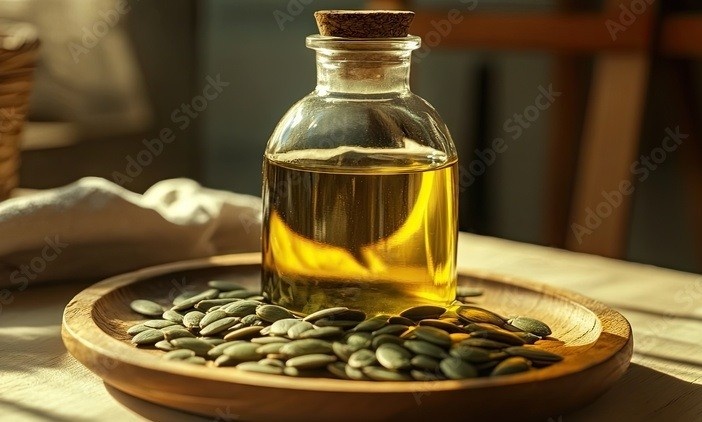
Pumpkin seed oil has quietly made its way from traditional kitchens into modern wellness conversations. Whether you drizzle it over salads, use it for hair care, or take it as a supplement, this deep green oil has earned its reputation as a nutrient-rich powerhouse.
What makes pumpkin seed oil so special? It is one of the richest natural sources of antioxidants, healthy fats, and minerals that support everything from heart health to hair growth. In this guide, we’ll walk through everything you need to know about pumpkin seed oil, including its science-backed health benefits, side effects, how much to take, the best time to use it, and even how to make it at home.
What is Pumpkin Seed Oil?
Pumpkin seed oil is a cold-pressed oil extracted from the seeds of pumpkins. It has a rich, nutty flavor and a striking greenish-red color due to its unique combination of chlorophyll and carotenoids. Traditionally used in Austria, Slovenia, and Hungary, the oil has now become popular worldwide because of its medicinal and culinary uses.
The oil is loaded with omega fatty acids, antioxidants, minerals, and vitamins. Because it is minimally processed, pumpkin seed oil retains more nutrients than many other oils. It is often used for skin health, prostate support, hair growth, hormonal balance, and heart wellness. Unlike regular cooking oils, pumpkin seed oil is usually consumed raw to preserve its nutrients.
Nutrition Facts of Pumpkin Seed Oil (Per 1 Tablespoon)
| Nutrient | Amount |
|---|---|
| Calories | 120 kcal |
| Total Fat | 14 g |
| Saturated Fat | 2.5 g |
| Monounsaturated Fat | 2.5 g |
| Polyunsaturated Fat | 8 g |
| Omega-6 Fatty Acids | 6000 mg |
| Omega-3 Fatty Acids | 200 mg |
| Vitamin E | 1.9 mg |
| Magnesium | Trace amounts |
| Zinc | Trace amounts |
| Phytosterols | 270 mg |
| Antioxidants (Carotenoids) | High levels |
Pumpkin seed oil is calorie-dense but nutrient-rich. A small amount goes a long way.
20 Proven Benefits of Pumpkin Seed Oil
1. Supports Hair Growth:
Pumpkin seed oil is rich in antioxidants and fatty acids that nourish hair follicles. Studies suggest that oil may help block DHT (dihydrotestosterone), a hormone associated with hair loss, especially in men. Many people use it to reduce thinning and promote thicker, healthier hair.
2. Promotes Prostate Health:
This oil is famously known for supporting prostate function. Its phytosterols may help reduce prostate enlargement and improve urinary symptoms, especially in older men.
3. Good for Heart Health:
The high levels of omega-6 and omega-9 fatty acids can help reduce bad cholesterol (LDL) and improve good cholesterol (HDL). This supports overall cardiovascular health.
4. Helps Balance Hormones:
Pumpkin seed oil contains zinc and plant-based compounds that help support hormonal balance. It may reduce symptoms of PMS, support fertility, and improve mood in women.
5. Supports Bladder Health:
Some studies show oil can reduce overactive bladder symptoms and improve urinary frequency. This makes it helpful for both men and women experiencing bladder issues.
6. Rich in Antioxidants:
The oil is loaded with carotenoids and vitamin E, which help protect cells from oxidative stress and inflammation.
7. Supports Skin Health:
With its high antioxidant and fatty acid content, pumpkin seed oil helps improve skin elasticity, moisture, and repair. It may reduce acne, dryness, and early signs of aging.
8. Improves Sleep Quality:
Pumpkin seeds contain tryptophan, an amino acid that helps produce serotonin and melatonin. The oil may support better sleep when consumed regularly.
9. Helps Reduce Inflammation:
Its omega fatty acids and antioxidants reduce inflammation in the body, supporting joint health and reducing chronic pain.
10. Supports Digestive Health:
Pumpkin seed oil helps lubricate the digestive system and may ease constipation. It also supports gut healing.
11. Helps Control Blood Sugar:
Some research suggests oil may lower blood sugar levels by improving insulin function.
12. Promotes Healthy Testosterone Levels:
Pumpkin seed oil is linked to improved testosterone production in men, supporting energy, fertility, and muscle strength.
13. Supports Eye Health:
Its carotenoids, especially lutein and zeaxanthin, help protect the eyes from age-related degeneration.
14. Boosts Immune System:
Packed with zinc and vitamin E, pumpkin seed oil strengthens the immune response and helps fight infections.
15. Helps Reduce Anxiety:
Because of its magnesium content and effect on serotonin, pumpkin seed oil can support emotional balance and relaxation.
16. Supports Liver Health:
The oil may help regenerate liver cells and protect the liver from damage due to toxins or alcohol.
17. May Aid Weight Management:
Healthy fats in oil help keep you full for longer, supporting satiety and reducing cravings.
18. Helps Improve Bone Health:
Pumpkin seed oil contains magnesium, phosphorus, and zinc, which support strong bones and reduce the risk of osteoporosis.
19. Great for Cooking and Flavoring:
Its rich nutty taste makes it a gourmet ingredient for salads, dips, soups, and desserts.
20. Natural Remedy for Parasites:
Traditionally, oil has been used to help flush out intestinal worms and parasites.
10 Side Effects of Pumpkin Seed Oil
Pumpkin seed oil is generally safe, but like any natural product, it may cause side effects in certain situations.
1. Gastrointestinal Discomfort:
Consuming too much can lead to bloating, diarrhea, or stomach cramps.
2. Weight Gain:
Because it’s calorie-dense, consuming large amounts daily can add extra calories and cause weight gain.
3. Allergic Reactions:
Those allergic to pumpkin or seeds may experience itching, rash, or breathing issues.
4. Low Blood Pressure:
Pumpkin seed oil may lower blood pressure, so people with already low BP should use caution.
5. Interference with Diabetes Medication:
Since it lowers blood sugar, it may interact with diabetes drugs and cause sudden drops.
6. Hormonal Effects:
Women with hormone-sensitive conditions should consult a doctor before use.
7. Soft Stools:
Its lubricating effect may cause loose stools in some individuals.
8. Risk of Oxidation:
If stored improperly, the oil may turn rancid, leading to nausea or digestive discomfort.
9. Drug Interactions:
Pumpkin seed oil may interact with blood thinners, diabetes medications, and diuretics.
10. Overconsumption Risks:
Taking more than the recommended amount may lead to fatigue, headaches, and digestive issues.
How to Use Pumpkin Seed Oil?
You can use pumpkin seed oil in several ways:
Culinary Use
- Drizzle over salads, pasta, or grilled vegetables
- Add to smoothies
- Use as a dip for bread
- Mix into soups after cooking
Avoid heating it to high temperatures, as heat destroys its nutrients.
Skin Use
- Apply a few drops directly to the face
- Mix with moisturizers
- Use for massage
Hair Use
- Massage into the scalp
- Add to shampoo or hair masks
- Leave overnight for deep nourishment
Other Uses of Pumpkin Seed Oil
- Natural supplement for prostate health
- Base for massage oils
- Ingredient in skincare products
- Used in aromatherapy
- Part of anti-aging remedies
- Natural liver support supplement
Tips for Consuming Pumpkin Seed Oil
- Always choose cold-pressed, unrefined oil
- Store in a dark, cool place
- Avoid cooking it over heat
- Start with small amounts if you have a sensitive stomach
- Combine with other healthy oils for balanced nutrition
How to Take Pumpkin Seed Oil?
Here are the common ways to take it:
- In food: 1 tablespoon daily
- As a supplement: 1000 mg to 2000 mg capsules
- For hair: 2–3 times per week
- For skin: daily or every alternate day
How to Make Pumpkin Seed Oil at Home?
Making pumpkin seed oil at home is possible but requires patience.
Steps:
- Collect raw pumpkin seeds and wash them thoroughly.
- Dry the seeds under sunlight for 1–2 days.
- Roast the seeds lightly to release oils.
- Grind the seeds into a thick paste.
- Add warm water and continue grinding.
- Press the paste using a manual oil press or cheesecloth.
- Allow the oil to rest for a day.
- Filter and store in a dark bottle.
Homemade oil has a shorter shelf life but retains more nutrients.
How Much Pumpkin Seed Oil Can You Use Per Day?
The safe daily intake:
- 1 tablespoon (15 ml) per day for general health
- 2 tablespoons max for specific benefits, like prostate or hair health
Pumpkin Seed Oil Dosage
- Liquid oil: 1–2 tablespoons daily
- Capsules: 1000–2000 mg daily
- Skin: 2–3 drops
- Hair: 1–2 teaspoons per session
Best Time to Use Pumpkin Seed Oil
- For hair: Night
- For skin: Morning or night
- For supplements: With meals
- For sleep support: Evening
Who Should Use Pumpkin Seed Oil?
It is ideal for:
- People with hair loss
- Men with prostate issues
- Individuals with dry skin
- People with high cholesterol
- Those looking for natural hormone support
- Individuals needing better sleep or relaxation
Who Should Not Use Pumpkin Seed Oil?
Avoid if:
- You are allergic to pumpkin or seeds
- You have very low blood pressure
- You are taking blood thinners
- You have hormone-sensitive conditions
- You are undergoing surgery soon
- You are pregnant (consult doctor first)
How to Store Pumpkin Seed Oil?
- Keep in a cool, dark place
- Use a glass bottle
- Refrigerate after opening for longer freshness
- Avoid exposure to sunlight and heat
Stored correctly, it lasts around 6–12 months.
Precautions and Interactions
- Always check for allergies
- Do not heat the oil
- Start with small doses
- Consult a doctor if you take diabetes medication
- Avoid consuming old or rancid oil
- Do not mix with strong herbal supplements without medical advice
FAQ’s
Is pumpkin seed oil good for hair growth?
Yes. Pumpkin seed oil contains antioxidants and compounds that may help block DHT, a hormone linked to hair loss. Massaging the oil into the scalp or consuming it regularly can support thicker, stronger hair.
Can you take pumpkin seed oil every day?
Yes, you can take 1 tablespoon per day safely. If using capsules, 1000–2000 mg daily is generally considered safe unless your doctor advises otherwise.
What is pumpkin seed oil used for?
It is used for hair growth, prostate health, skin nourishment, hormonal balance, heart health, and improving sleep. It is also used in culinary dishes and natural skincare.
Can pregnant women use pumpkin seed oil?
Pumpkin seed oil is generally safe in small amounts, but pregnant women should consult their doctor before taking it as a supplement due to hormonal effects.
Can you cook with pumpkin seed oil?
Oil should not be heated because high heat destroys its nutrients. Use it for salads, dressings, or as a finishing oil.
What does pumpkin seed oil taste like?
It has a rich, nutty, slightly roasted flavor that enhances salads, spreads, and dips.
Is pumpkin seed oil good for the skin?
Yes. It hydrates, reduces fine lines, supports repair, and helps manage acne due to its high antioxidant and fatty acid content.
What is pumpkin seed oil good for?
Oil is good for supporting hair growth, improving prostate health, nourishing the skin, balancing hormones, and boosting heart health. It is also rich in antioxidants and healthy fats that help reduce inflammation, support digestion, and improve sleep quality.
Is pumpkin seed oil safe for children?
Oil is generally safe for children when used in very small dietary amounts, such as a few drops in food. However, it should not be given as a supplement to children without a doctor’s guidance, especially if they have allergies or medical conditions.
What does pumpkin seed oil smell like?
Pumpkin seed oil has a warm, nutty, and slightly roasted aroma. The smell is often described as earthy and rich, similar to toasted seeds.
Can pumpkin seed oil regrow hair?
Oil may help promote hair regrowth by reducing DHT levels, a hormone linked to hair loss. Many people use it to improve hair thickness and reduce shedding, either by consuming it or massaging it into the scalp. While results vary, research shows promising effects for both men and women.
What is the best way to consume pumpkin seed oil?
The best way to consume oil is by taking 1 tablespoon daily in raw form. You can drizzle it over salads, mix it into smoothies, add it to dips, or take it directly. Avoid heating the oil because high temperatures destroy its nutrients.
Also Read: