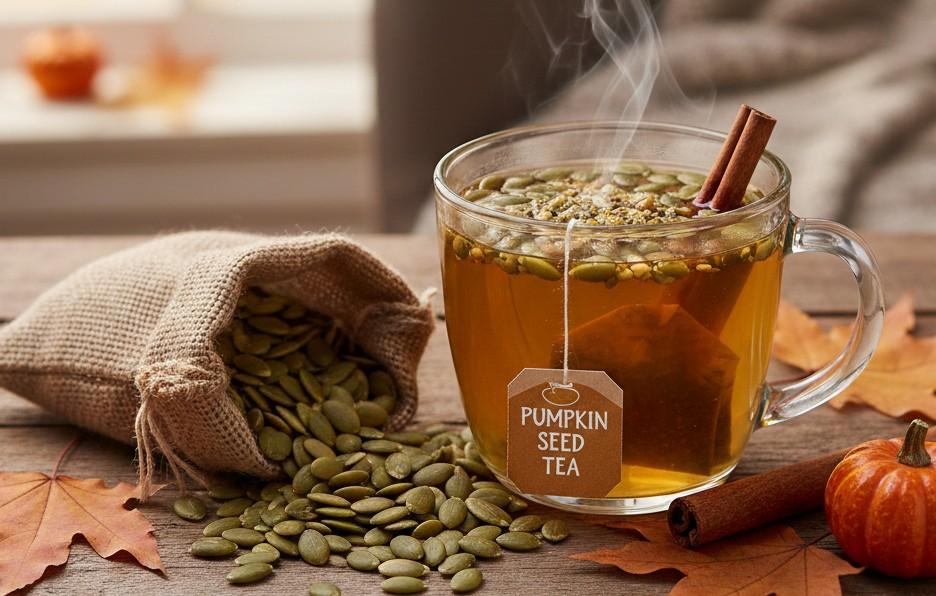
Pumpkin seeds have long been valued for their rich nutrient content and medicinal properties across cultures. While many people enjoy them roasted or raw, fewer are familiar with pumpkin seed tea — a gentle herbal infusion made by steeping crushed or ground pumpkin seeds in hot water. This tea offers a mild, nutty flavor and is increasingly gaining attention in wellness circles for its potential health benefits.
Pumpkin seed tea is not only comforting and easy to prepare, but it also serves as a caffeine-free beverage packed with minerals, antioxidants, and plant compounds that support overall health. From heart health and digestion to hormonal balance and sleep support, this traditional remedy may offer more advantages than expected. In this guide, we will explore everything you need to know about pumpkin seed tea — including proven health benefits, side effects, preparation methods, and safety considerations.
What is Pumpkin Seed Tea?
Pumpkin seed tea is a herbal infusion prepared by steeping raw, crushed, or ground pumpkin seeds (Cucurbita pepo) in hot water. Sometimes the seeds are lightly roasted before brewing to enhance flavor, while in other cases they are blended or simmered to extract more nutrients.
The tea is caffeine-free and naturally rich in bioactive compounds such as magnesium, zinc, phytosterols, antioxidants, and healthy fatty acids. It has traditionally been used in folk remedies for urinary health, digestive comfort, and relaxation.
Unlike conventional teas made from leaves, pumpkin seed tea draws its nutritional value from seeds, making it closer to a functional wellness beverage rather than a simple herbal drink. It can be consumed warm or chilled and often combined with honey, cinnamon, or ginger for taste.
Nutritional Facts of Pumpkin Seed Tea
The exact nutritional content varies depending on how concentrated the brew is, but the infusion typically contains trace amounts of nutrients extracted from the seeds.
| Nutrient | Amount (Approximate Nutritional Value per 1 cup (240 ml)) |
|---|---|
| Calories | 10–20 |
| Protein | 0.5–1 g |
| Fat | 0.5–1 g |
| Magnesium | 20–40 mg |
| Zinc | 0.3–0.6 mg |
| Iron | 0.2–0.4 mg |
| Potassium | 40–70 mg |
| Phytosterols | Trace |
| Antioxidants | Present |
| Fiber | Minimal |
Note: Pumpkin seed tea contains lower concentrations than eating whole seeds but still offers beneficial compounds.
20 Science-Backed Benefits of Pumpkin Seed Tea
Below are benefits supported by research on pumpkin seeds and their compounds.
1. Supports Heart Health
Pumpkin seeds contain magnesium and antioxidants that help regulate blood pressure and support cardiovascular function.
2. Helps Manage Cholesterol
Phytosterols found in pumpkin seeds may reduce LDL cholesterol absorption in the gut.
3. Promotes Better Sleep
Magnesium and tryptophan may support relaxation and improve sleep quality when consumed in the evening.
4. Supports Prostate Health
Studies suggest pumpkin seed extracts may reduce symptoms of benign prostate enlargement in men.
5. Enhances Immune Function
Zinc and antioxidants contribute to immune system support and resistance to infections.
6. Helps Reduce Inflammation
Anti-inflammatory compounds may help ease chronic inflammation and discomfort.
7. Aids Digestion
Mild soothing properties can support digestive comfort and reduce bloating.
8. Supports Blood Sugar Control
Magnesium may play a role in insulin regulation and glucose metabolism.
9. Promotes Skin Health
Antioxidants and zinc may help maintain skin repair and clarity.
10. Supports Bone Health
Magnesium contributes to bone density and structural strength.
11. Helps Maintain Hormonal Balance
Pumpkin seed compounds may support endocrine health, especially in menopausal women.
12. May Reduce Anxiety
Magnesium plays a role in nervous system regulation and stress reduction.
13. Supports Bladder Function
Traditionally used to support urinary tract health and reduce discomfort.
14. Provides Antioxidant Protection
Compounds such as vitamin E derivatives help neutralize free radicals.
15. Supports Hair Health
Zinc may contribute to stronger hair growth and scalp health.
16. May Reduce Menopausal Symptoms
Research suggests pumpkin seed intake may ease hot flashes and mood changes.
17. Helps Hydration with Nutrient Support
Unlike sugary drinks, it hydrates while providing minerals.
18. Supports Muscle Recovery
Magnesium helps muscle relaxation and recovery after physical activity.
19. May Aid Weight Management
Low calorie and satisfying, it can replace high-calorie beverages.
20. Supports Overall Wellness
Regular consumption contributes to micronutrient intake supporting holistic health.
10 Side Effects of Pumpkin Seed Tea
While generally safe, excessive consumption may cause issues.
1. Digestive Discomfort
Too much intake may lead to bloating or stomach upset.
2. Allergic Reactions
Rare seed allergies may cause itching or swelling.
3. Calorie Overconsumption
Highly concentrated brews may add unintended calories.
4. Mineral Imbalance
Excess zinc or magnesium intake may disrupt nutrient balance.
5. Low Blood Pressure
Magnesium may lower blood pressure excessively in sensitive individuals.
6. Drug Interactions
May interact with diuretics or blood pressure medications.
7. Diarrhea
High intake may have mild laxative effects.
8. Headaches
Overconsumption of minerals may cause mild headaches in some people.
9. Blood Sugar Changes
May alter glucose levels in diabetics if consumed excessively.
10. Pregnancy Sensitivity
Not enough research exists on concentrated herbal use during pregnancy.
How to Make Pumpkin Seed Tea?
Basic Recipe:
Ingredients:
- 1–2 tablespoons raw pumpkin seeds
- 2 cups water
Instructions:
- Crush or grind the seeds slightly.
- Boil water in a saucepan.
- Add seeds and simmer for 10 minutes.
- Strain the liquid into a cup.
- Add honey or cinnamon if desired.
Quick Steeping Method:
Pour boiling water over ground seeds and steep for 15 minutes before straining.
Other Uses of Pumpkin Seed Tea
- Added to smoothies for extra nutrients
- Used as a soup base
- Mixed into herbal blends
- Applied as a hair rinse
- Used as a mild facial rinse due to antioxidant content
How Much Pumpkin Seed Tea Can You Drink a Day?
Most healthy adults can safely consume:
- 1–2 cups daily for general wellness
- Up to 3 cups occasionally if well tolerated
Moderation is important since concentrated intake may cause side effects.
Tips for Consuming Pumpkin Seed Tea
- Use fresh, unsalted seeds
- Avoid excessive roasting
- Drink freshly prepared tea
- Combine with ginger or lemon for flavor
- Start with small quantities
- Maintain hydration alongside herbal intake
Best Time to Drink Pumpkin Seed Tea
- Evening — may support relaxation and sleep
- Morning — gentle mineral boost
- After meals — supports digestion
- Post-exercise — aids muscle relaxation
Who Should Drink Pumpkin Seed Tea?
- Individuals seeking caffeine-free beverages
- People interested in heart or prostate support
- Those needing magnesium intake
- Individuals looking to improve sleep quality
- People exploring natural wellness routines
Who Should Not Drink Pumpkin Seed Tea?
- Individuals with seed allergies
- Those on mineral-sensitive medication
- Pregnant or breastfeeding individuals without medical guidance
- People with kidney or metabolic disorders affecting mineral balance
- Anyone advised by a doctor to restrict magnesium or zinc intake
Precautions and Interactions
- Consult a healthcare provider before use if on medication
- Monitor intake if managing blood pressure or blood sugar
- Avoid replacing medical treatments with herbal remedies
- Store seeds properly to prevent rancidity
- Stop use if adverse symptoms occur
Conclusion
Pumpkin seed tea is a simple yet nutritionally valuable herbal infusion that combines tradition with modern wellness interest. While it does not match the nutrient density of eating whole seeds, it still offers a gentle way to access beneficial minerals, antioxidants, and plant compounds. From supporting heart health and sleep to aiding digestion and immune function, this tea can be a worthwhile addition to a balanced lifestyle when consumed responsibly.
However, like all herbal beverages, moderation and awareness of personal health conditions are essential. Used thoughtfully, pumpkin seed tea can serve as both a comforting drink and a supportive element of holistic health practices.
FAQ’s
What does pumpkin seed tea taste like?
Pumpkin seed tea has a mild, nutty, and slightly earthy flavor. If the seeds are roasted before brewing, the taste becomes richer and warmer, and you can enhance it further with honey or spices.
Is pumpkin seed tea caffeine-free?
Yes, pumpkin seed tea is completely caffeine-free, making it suitable for people who want to avoid stimulants or enjoy a calming drink in the evening.
Can I drink pumpkin seed tea every day?
Most healthy adults can safely drink 1–2 cups daily. However, moderation is important, and individuals with medical conditions should consult a healthcare professional before regular use.
Does pumpkin seed tea help with sleep?
It may support relaxation because pumpkin seeds contain magnesium and tryptophan, which are associated with improved sleep quality and reduced stress.
Can pumpkin seed tea aid digestion?
Yes, it may promote digestive comfort and reduce bloating due to its soothing and mineral-rich properties, though it should not replace medical treatment for digestive disorders.
Is pumpkin seed tea good for men’s health?
Research on pumpkin seeds suggests potential benefits for prostate health, which may make the tea appealing for men seeking natural wellness support.
Can pregnant women drink pumpkin seed tea?
There is limited research on concentrated pumpkin seed tea during pregnancy, so it is best to consult a healthcare provider before consuming it regularly.
Can I use roasted seeds to make the tea?
Yes, roasted seeds can be used and often produce a stronger flavor, but avoid heavily salted or flavored varieties.
How long can pumpkin seed tea be stored?
Freshly brewed tea is best consumed within 24 hours when refrigerated, as its flavor and nutritional quality may decline over time.
Does pumpkin seed tea help with weight management?
While not a weight-loss solution, it is low in calories and can replace sugary drinks, supporting a healthier diet overall.
Are there any allergens in pumpkin seed tea?
People with seed allergies may react to pumpkin seeds, so they should avoid the tea or seek medical advice before trying it.
Can children drink pumpkin seed tea?
Small amounts are generally safe, but it should be diluted and introduced cautiously, and a pediatrician should be consulted for regular use.
Does pumpkin seed tea contain the same nutrients as whole seeds?
It contains some extracted minerals and compounds but in lower concentrations than eating the seeds directly.
What is pumpkin seed tea made from?
It is made by steeping crushed or ground raw or roasted pumpkin seeds in hot water, sometimes with added spices or sweeteners.
How long does it take for pumpkin seed tea to work?
Effects are usually gradual. Digestive or hydration benefits may be felt quickly, while wellness support typically requires regular use over time.
What is pumpkin seed tea good for?
It is valued for supporting relaxation, heart health, digestion, immune function, and as a caffeine-free wellness beverage.
Where to buy pumpkin seed tea?
It can be found in health stores or online, but many people simply make it at home using store-bought pumpkin seeds.
Also Read: