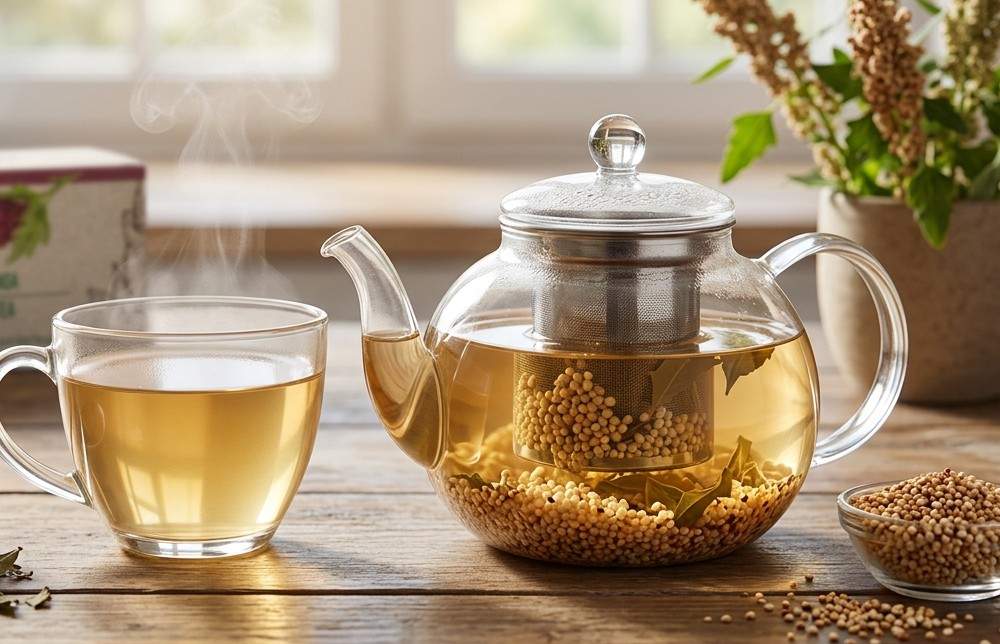
Quinoa has long been celebrated as a superfood due to its impressive nutritional profile and versatility in cooking. While most people are familiar with quinoa as a grain substitute in salads and bowls, fewer know about quinoa tea—a mild, nutty herbal infusion made from quinoa seeds or sometimes quinoa leaves. This nourishing beverage is gaining popularity among health-conscious individuals looking for a caffeine-free, nutrient-rich drink. In this guide, we will explore what quinoa tea is, its nutritional facts, proven health benefits, potential side effects, preparation methods, and who should or should not consume it.
What is Quinoa Tea?
Quinoa tea is an herbal infusion prepared by steeping quinoa seeds—usually rinsed and lightly toasted—or dried quinoa leaves in hot water. Quinoa itself is a pseudocereal derived from the plant Chenopodium quinoa, native to South America and traditionally cultivated in the Andean region.
Unlike black or green tea, quinoa tea is naturally caffeine-free. It has a light, earthy, slightly nutty flavor and can be consumed hot or cold. Some variations include blending quinoa with herbs, spices, or lemon for enhanced taste and additional health benefits.
Quinoa tea is valued for its antioxidant content, plant-based protein residues, trace minerals, and digestive-supportive compounds. Because quinoa is gluten-free, the tea is also generally suitable for people with gluten sensitivity or celiac disease.
Nutritional Facts of Quinoa Tea
The exact nutritional content of quinoa tea depends on how concentrated the brew is. Since the seeds are steeped rather than consumed whole, the tea contains diluted amounts of nutrients compared to cooked quinoa. Below is an approximate nutritional breakdown per 1 cup (240 ml) of moderately brewed quinoa tea:
| Nutrient | Approximate Amount per Cup | Health Role |
|---|---|---|
| Calories | 5–15 kcal | Low-calorie hydration |
| Protein | 0.5–1 g | Tissue repair and muscle support |
| Carbohydrates | 1–3 g | Energy source |
| Fiber | Trace amounts | Digestive support |
| Iron | 1–3% DV | Oxygen transport |
| Magnesium | 2–4% DV | Muscle and nerve function |
| Potassium | 1–2% DV | Fluid balance |
| Phosphorus | 1–3% DV | Bone health |
| Zinc | Trace amounts | Immune function |
| Antioxidants | Present | Reduces oxidative stress |
| Saponins (small amounts) | Present | Anti-inflammatory properties |
| Gluten | 0 | Safe for gluten-free diets |
Note: DV = Daily Value. Nutrient levels vary depending on steeping time and seed quantity.
20 Science-Backed Benefits of Quinoa Tea
- Rich in Antioxidants: Quinoa tea contains plant compounds like flavonoids that help reduce oxidative stress and cellular damage.
- Supports Digestive Health: The mild fiber residues and saponins may promote smoother digestion and gut balance.
- Naturally Gluten-Free: Quinoa tea is safe for individuals with gluten intolerance or celiac disease.
- May Support Heart Health: Magnesium and antioxidants in quinoa may help maintain healthy blood pressure levels.
- Promotes Hydration: As a low-calorie herbal infusion, quinoa tea contributes to daily fluid intake.
- Helps Regulate Blood Sugar: Quinoa compounds have a low glycemic impact and may support balanced glucose levels.
- Provides Trace Plant Protein: Small amounts of protein in quinoa tea can support tissue repair and metabolism.
- Supports Bone Health: Magnesium and phosphorus contribute to maintaining strong bones and teeth.
- Boosts Immune Function: Antioxidants and trace zinc may help strengthen immune defenses.
- May Reduce Inflammation: Quinoa’s flavonoids, including quercetin, have anti-inflammatory properties.
- Supports Weight Management: Low calories and mild satiety effects may assist in weight control plans.
- Promotes Gut Microbiome Balance: Plant compounds in quinoa may act as mild prebiotic substances.
- May Aid Detoxification: Antioxidants support the body’s natural detox processes through the liver.
- Supports Muscle Function: Magnesium content assists in muscle relaxation and nerve signaling.
- Helps Maintain Electrolyte Balance: Potassium helps regulate fluid and electrolyte levels.
- Gentle on the Stomach: Being caffeine-free, quinoa tea is less likely to cause acid reflux compared to coffee.
- May Improve Energy Levels: Nutrient content may help support sustained natural energy without caffeine crashes.
- Supports Skin Health: Antioxidants may reduce oxidative stress linked to premature aging.
- May Assist in Hormonal Balance: Plant compounds may indirectly support endocrine function through nutrient supply.
- Suitable for Plant-Based Diets: Quinoa tea complements vegetarian and vegan nutritional patterns.
10 Side Effects of Quinoa Tea
Though generally safe, quinoa tea may have some side effects in certain individuals.
- Digestive Discomfort: Excessive consumption may cause bloating or mild stomach upset.
- Saponin Sensitivity: If quinoa seeds are not rinsed properly, residual saponins may irritate the stomach.
- Allergic Reactions: Rare individuals may experience allergic symptoms such as itching or rash.
- Kidney Stone Risk: Quinoa contains oxalates, which may contribute to kidney stone formation in susceptible individuals.
- Low Blood Pressure: Those with hypotension may experience slight dizziness due to mineral content.
- Medication Interference: Minerals may theoretically affect absorption of certain medications if consumed simultaneously.
- Overhydration Risk: Excessive fluid intake from any beverage can disturb electrolyte balance.
- Nutrient Dilution Misconception: Relying solely on tea instead of whole quinoa may reduce overall nutrient intake.
- Blood Sugar Drops: Individuals on diabetes medication should monitor glucose levels when adding new herbal beverages.
- Gastrointestinal Irritation: Drinking very concentrated quinoa tea may irritate sensitive digestive systems.
How to Make Quinoa Tea?
Making quinoa tea is simple and requires minimal ingredients.
Ingredients:
- 1–2 tablespoons raw quinoa seeds
- 2 cups water
- Optional: lemon, honey, cinnamon, or ginger
Preparation Steps:
- Rinse quinoa thoroughly under running water to remove saponins.
- Optionally toast the quinoa in a dry pan for 3–5 minutes for enhanced flavor.
- Bring water to a boil in a saucepan.
- Add quinoa seeds and reduce heat.
- Simmer for 10–15 minutes.
- Strain the liquid into a cup.
- Add flavor enhancers if desired and serve warm or chilled.
Alternatively, you may steep 1 tablespoon of quinoa in hot water for 20 minutes like traditional herbal tea.
Other Uses of Quinoa Tea
Quinoa tea is not limited to being a beverage. It can be incorporated into various health and culinary routines.
- Used as a base for herbal blends with mint or chamomile.
- Added to smoothies as a nutrient-enhanced liquid base.
- Used in soups instead of plain water for added minerals.
- Consumed as a mild detox drink during fasting routines.
- Applied topically (cooled) as a gentle skin rinse due to antioxidants.
How Much Quinoa Tea Can You Drink a Day?
For most healthy adults, 1–2 cups per day is considered safe and beneficial. Drinking more than 3 cups daily may increase the likelihood of digestive discomfort or mineral overload in sensitive individuals.
If you are pregnant, nursing, managing chronic conditions, or taking medication, consult a healthcare professional before regular consumption.
Tips for Consuming Quinoa Tea
- Always rinse quinoa thoroughly before brewing.
- Start with small quantities to assess tolerance.
- Avoid drinking highly concentrated decoctions.
- Pair quinoa tea with balanced meals rather than on an empty stomach if sensitive.
- Store brewed tea in the refrigerator and consume within 24 hours.
- Combine with lemon to enhance flavor and potential iron absorption.
Best Time to Drink Quinoa Tea
Since quinoa tea is caffeine-free, it can be consumed at various times:
- Morning as a gentle hydration beverage.
- Mid-afternoon for sustained natural energy.
- Evening as a calming alternative to caffeinated drinks.
- After meals to support digestion.
People using it for digestion may benefit most from consuming it after lunch or dinner.
Who Should Drink Quinoa Tea?
Quinoa tea may be particularly beneficial for:
- Individuals seeking caffeine-free beverages.
- People with gluten intolerance.
- Those managing mild digestive issues.
- Individuals looking to improve hydration.
- Plant-based diet followers.
- People aiming for mild antioxidant support.
- Those pursuing weight management plans.
Who Should Not Drink Quinoa Tea?
Certain individuals should avoid or limit quinoa tea:
- People with known quinoa allergies.
- Individuals prone to kidney stones due to oxalate content.
- Those with severe digestive sensitivities.
- People on mineral-restricted diets.
- Individuals advised by doctors to avoid high-oxalate foods.
Precautions and Interactions
Although quinoa tea is generally safe, keep these precautions in mind:
- Medication Timing: Avoid drinking quinoa tea immediately before or after taking iron supplements or thyroid medication, as minerals may interfere with absorption.
- Kidney Health: People with kidney disease should consult a healthcare provider before regular use.
- Pregnancy and Breastfeeding: Limited research exists on concentrated quinoa tea intake; moderate amounts are advisable.
- Diabetes Management: Monitor blood sugar levels if introducing quinoa tea into your routine.
- Allergy Testing: If trying quinoa for the first time, begin with a small quantity.
Final Thoughts
Quinoa tea is a simple, nutrient-infused herbal beverage that offers mild antioxidant support, digestive benefits, and hydration without caffeine. While it does not provide the full nutritional power of whole quinoa, it can be a valuable addition to a balanced diet when consumed in moderation. As with any herbal beverage, individual responses vary. Paying attention to portion size, preparation methods, and personal health conditions ensures safe and beneficial consumption.
FAQ’s
What does quinoa tea taste like?
Quinoa tea has a mild, earthy, and slightly nutty flavor, especially if the seeds are lightly toasted before brewing. The taste is subtle and can be enhanced with lemon, honey, or spices.
Is quinoa tea caffeine-free?
Yes, quinoa tea is naturally caffeine-free, making it suitable for people who want to avoid stimulants. It can be consumed in the evening without affecting sleep.
Can quinoa tea help with weight loss?
Quinoa tea is low in calories and may promote mild satiety, which can support weight management. However, it should be combined with a balanced diet and regular exercise for effective results.
Is quinoa tea good for digestion?
Quinoa tea may support digestion due to its mild fiber traces and plant compounds. It is generally gentle on the stomach when prepared properly.
Can people with gluten intolerance drink quinoa tea?
Yes, quinoa is naturally gluten-free, so quinoa tea is suitable for individuals with gluten intolerance or celiac disease. Always ensure the quinoa is not cross-contaminated during processing.
Can quinoa tea lower blood sugar levels?
Quinoa contains compounds with a low glycemic impact, which may help support stable blood sugar levels. People with diabetes should monitor their glucose levels when introducing it regularly.
Is quinoa tea safe during pregnancy?
Quinoa tea in moderate amounts is generally considered safe, but pregnant or breastfeeding women should consult a healthcare provider before regular consumption.
Does quinoa tea contain protein?
Quinoa tea contains small traces of plant protein, but the amount is significantly lower than eating whole quinoa seeds. It should not be relied upon as a major protein source.
Can quinoa tea cause allergies?
Allergic reactions to quinoa are rare but possible. If you experience itching, swelling, or digestive upset after drinking it, discontinue use and seek medical advice.
Should quinoa be rinsed before making tea?
Yes, rinsing quinoa thoroughly removes saponins, which can cause bitterness and stomach irritation. Proper rinsing improves both taste and digestibility.
Can quinoa tea help with detox?
Quinoa tea contains antioxidants that support the body’s natural detoxification processes. However, it does not act as a direct detox cure or cleanse.
Is quinoa tea good for kidney health?
Quinoa contains oxalates, so individuals prone to kidney stones should consume it cautiously. Consulting a healthcare professional is recommended if you have kidney concerns.
Can children drink quinoa tea?
Quinoa tea in small, diluted amounts may be safe for children, but it is best to consult a pediatrician before introducing it regularly.
How long does quinoa tea last after brewing?
Freshly brewed quinoa tea should ideally be consumed within 24 hours and stored in the refrigerator to maintain freshness and safety.
Can I drink Quinoa Tea every day?
Yes, most healthy adults can drink 1–2 cups of quinoa tea daily in moderation. However, excessive intake may cause digestive discomfort or increase oxalate exposure in sensitive individuals.
How long does it take for Quinoa Tea to work?
The effects of quinoa tea depend on the purpose for which it is consumed. Mild benefits like hydration and digestive comfort may be noticed within days, while metabolic or heart-related benefits require consistent intake alongside a healthy lifestyle.
How should Quinoa Tea be stored?
Freshly brewed quinoa tea should be stored in an airtight container in the refrigerator and consumed within 24 hours. Uncooked quinoa should be kept in a cool, dry place in a sealed container to prevent moisture contamination.
What is Quinoa Tea good for?
Quinoa tea is good for hydration, mild antioxidant support, digestive balance, and providing trace minerals. It may also complement heart health and weight management routines when paired with a balanced diet.
Does quinoa tea lower triglycerides?
There is limited direct research on quinoa tea specifically lowering triglycerides. However, quinoa contains fiber and antioxidants that may support healthy lipid levels when consumed as part of an overall heart-healthy diet.
Is quinoa tea good for fatty liver and cholesterol?
Quinoa contains compounds that may help support healthy cholesterol levels and metabolic function. While quinoa tea may offer mild supportive benefits, managing fatty liver and cholesterol typically requires dietary changes, exercise, and medical guidance.
Also Read: