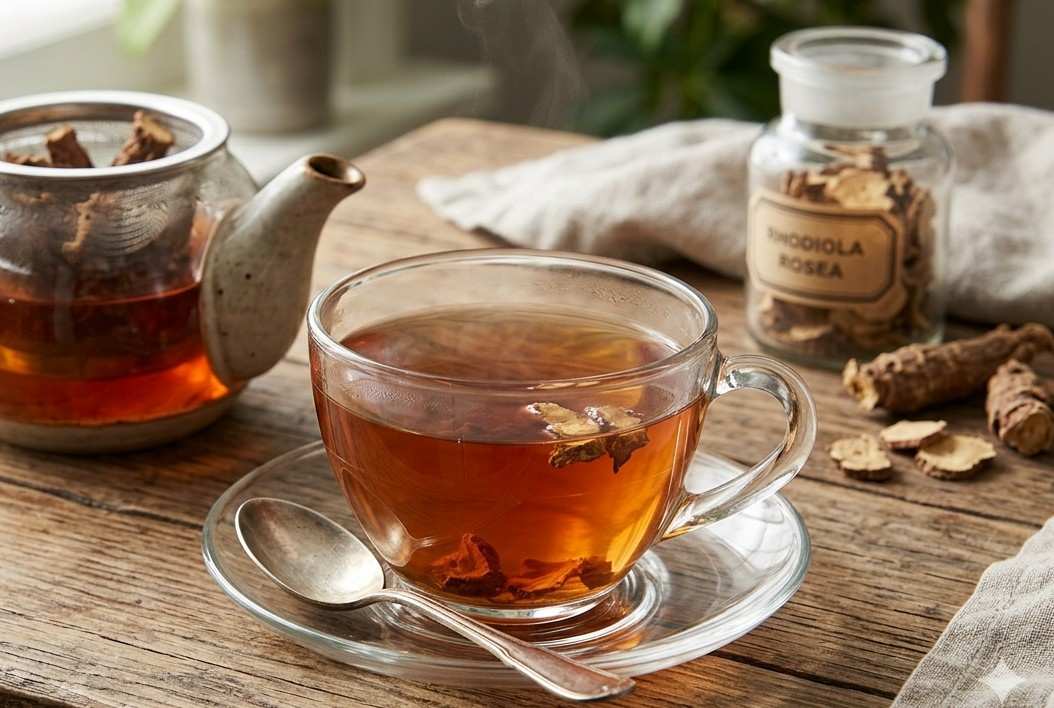
Rhodiola Tea is a powerful herbal infusion made from the roots of Rhodiola rosea, a flowering plant traditionally used in Europe and Asia for centuries. Known as an adaptogen, Rhodiola helps the body resist physical, emotional, and environmental stress. In recent years, Rhodiola Tea has gained popularity among people seeking natural support for energy, mental clarity, mood balance, and overall resilience.
This guide explores everything you need to know about Rhodiola Tea, including its nutritional profile, proven health benefits, possible side effects, preparation methods, dosage, and precautions.
What is Rhodiola Tea?
Rhodiola Tea is an herbal beverage prepared by steeping dried roots of Rhodiola rosea in hot water. The plant grows in cold, mountainous regions of Europe, Asia, and the Arctic. It is sometimes called “golden root” or “Arctic root” due to its ability to survive harsh climates.
Rhodiola belongs to a class of herbs known as adaptogens. Adaptogens are natural substances that help the body adapt to stress and maintain balance. Unlike stimulants that artificially boost energy, Rhodiola works by regulating stress hormones such as cortisol and supporting cellular energy production.
The root contains bioactive compounds such as rosavins and salidroside, which are responsible for many of its therapeutic effects. When brewed as tea, these compounds are extracted into the water, creating a mildly bitter, earthy-flavored drink with subtle floral notes. Rhodiola Tea has traditionally been used to enhance stamina, improve mood, sharpen focus, and combat fatigue. Today, modern research supports many of these traditional uses.
Nutritional Facts of Rhodiola Tea
Rhodiola Tea is not consumed for calories or macronutrients but for its bioactive compounds. Below is a general nutritional profile per 1 cup (240 ml) of brewed Rhodiola Tea (without sweeteners).
| Nutrient / Compound | Approximate Amount per Cup |
|---|---|
| Calories | 0–5 kcal |
| Carbohydrates | 0 g |
| Protein | 0 g |
| Fat | 0 g |
| Fiber | 0 g |
| Vitamin C | Trace amounts |
| Flavonoids | Present |
| Rosavins | Present (varies by root quality) |
| Salidroside | Present (varies by root quality) |
| Antioxidants | Moderate |
| Caffeine | 0 mg |
The exact concentration of active compounds depends on the quality of the root, harvesting method, and brewing time.
20 Science-Backed Benefits of Rhodiola Tea
- Reduces Stress Naturally: Rhodiola Tea helps regulate cortisol levels, allowing the body to better cope with physical and emotional stress.
- Improves Mental Clarity: The active compounds support neurotransmitter function, enhancing focus and cognitive performance.
- Boosts Energy Levels: Rhodiola improves mitochondrial function, increasing cellular energy production without caffeine.
- Combats Fatigue: Studies show Rhodiola can reduce symptoms of physical and mental exhaustion.
- Enhances Mood: It supports serotonin and dopamine balance, which may reduce symptoms of mild depression.
- Supports Physical Endurance: Athletes may experience improved stamina and reduced perceived exertion.
- Improves Exercise Recovery: Its antioxidant properties help reduce oxidative stress after workouts.
- Supports Heart Health: Rhodiola may protect the cardiovascular system by reducing stress-related heart strain.
- Enhances Memory: It supports cognitive processes involved in learning and memory retention.
- Reduces Anxiety Symptoms: Adaptogenic properties help calm the nervous system without sedation.
- Balances Cortisol Levels: Rhodiola helps normalize elevated cortisol caused by chronic stress.
- Supports Immune Function: Antioxidants in Rhodiola help strengthen immune defenses.
- Improves Sleep Quality: By lowering stress levels, Rhodiola may indirectly promote better sleep patterns.
- Supports Thyroid Function: It may help balance stress-related disruptions in thyroid hormone activity.
- Enhances Work Performance: Research shows improved productivity and reduced burnout symptoms.
- Supports Healthy Aging: Antioxidants help protect cells from oxidative damage.
- May Help with Mild Depression: Clinical trials suggest improvement in mild to moderate depressive symptoms.
- Supports Blood Sugar Balance: Some studies indicate improved glucose metabolism.
- Protects Brain Cells: Neuroprotective compounds may defend against age-related cognitive decline.
- Improves Overall Resilience: As an adaptogen, Rhodiola strengthens the body’s ability to adapt to stressors.
10 Side Effects of Rhodiola Tea
Although generally safe, Rhodiola Tea may cause side effects in some individuals.
- Insomnia: Drinking Rhodiola late in the day may interfere with sleep due to its stimulating effects.
- Dizziness: Some users report mild lightheadedness when first starting.
- Dry Mouth: Rhodiola may occasionally reduce saliva production.
- Digestive Upset: High doses can cause stomach discomfort or nausea.
- Headache: Some individuals experience mild headaches during initial use.
- Irritability: Excess intake may cause restlessness or agitation.
- Rapid Heartbeat: In sensitive individuals, it may slightly increase heart rate.
- Allergic Reactions: Rare cases of skin rash or itching have been reported.
- Hormonal Sensitivity: It may influence hormone-related conditions in susceptible individuals.
- Interaction with Medications: Rhodiola may interfere with antidepressants, blood pressure medications, or stimulants.
How to Make Rhodiola Tea?
Making Rhodiola Tea is simple and requires only dried Rhodiola root and water.
Ingredients:
- 1 teaspoon dried Rhodiola root (crushed)
- 1 cup hot water (not boiling, around 85–90°C)
Instructions:
- Bring water to a gentle boil and allow it to cool slightly.
- Add crushed Rhodiola root to a cup or teapot.
- Pour hot water over the root.
- Cover and steep for 10–15 minutes.
- Strain and drink warm.
Optional additions include honey, lemon, or ginger to balance its slightly bitter taste.
Other Uses of Rhodiola Tea
While commonly consumed as a beverage, Rhodiola can be used in several other ways:
- Added to herbal blends with green tea or ginseng.
- Used as a natural pre-workout drink.
- Included in stress-relief herbal formulations.
- Combined with ashwagandha for enhanced adaptogenic support.
- Used as a mild cognitive support beverage during exams or demanding work periods.
- Added to smoothies in powdered form.
- Used in traditional medicine tonics.
How Much Rhodiola Tea Can You Drink a Day?
The ideal dosage depends on the individual and concentration.
General guidelines:
- 1–2 cups per day is considered safe for most adults.
- Total dried root intake should generally not exceed 2–3 grams daily.
- Beginners should start with one cup to assess tolerance.
Consistent moderate intake is more effective than high doses.
Tips for Consuming Rhodiola Tea
- Start with a small amount to evaluate sensitivity.
- Avoid drinking late in the evening.
- Use high-quality, organic Rhodiola root.
- Cycle usage (e.g., 5 days on, 2 days off) for long-term use.
- Store dried root in an airtight container.
- Combine with calming herbs if prone to overstimulation.
- Drink consistently for several weeks for best results.
- Avoid combining with strong stimulants.
- Stay hydrated throughout the day.
- Consult a healthcare professional if taking medications.
Best Time to Drink Rhodiola Tea
The best time to drink Rhodiola Tea is in the morning or early afternoon.
Morning consumption supports energy and mental clarity throughout the day. Taking it before stressful tasks, workouts, or demanding work can enhance performance. Avoid drinking Rhodiola Tea in the evening, as its energizing properties may disrupt sleep.
Who Should Drink Rhodiola Tea?
Rhodiola Tea may benefit:
- Individuals experiencing chronic stress.
- People with mental fatigue or burnout.
- Students preparing for exams.
- Athletes seeking endurance support.
- Professionals in high-pressure environments.
- Individuals with mild mood fluctuations.
- People looking for caffeine-free energy support.
- Those seeking natural adaptogenic support.
Who Should Not Drink Rhodiola Tea?
Rhodiola Tea may not be suitable for:
- Pregnant or breastfeeding women.
- Individuals with bipolar disorder.
- People with uncontrolled high blood pressure.
- Those sensitive to stimulants.
- Individuals taking strong antidepressants.
- People with severe anxiety disorders without medical supervision.
- Children unless recommended by a healthcare provider.
- Individuals with autoimmune conditions unless advised by a doctor.
Precautions and Interactions
Rhodiola interacts with certain medications and health conditions.
- It may enhance the effects of antidepressants (especially SSRIs and MAO inhibitors).
- It can interact with blood pressure medications.
- It may increase stimulation when combined with caffeine or stimulants.
- It may influence blood sugar levels in diabetic patients.
- It can alter hormone-sensitive conditions.
Always consult a healthcare professional before starting Rhodiola Tea if you have a medical condition or take prescription medications.
Conclusion
Rhodiola Tea is a powerful adaptogenic herbal beverage that supports stress resilience, mental clarity, energy production, and overall well-being. Backed by both traditional use and modern research, it offers a natural way to enhance physical and cognitive performance without caffeine.
When consumed responsibly, Rhodiola Tea can be a valuable addition to a wellness routine. However, like any herbal remedy, it should be used mindfully, especially for individuals with medical conditions or those taking medications.
FAQ’s
What is Rhodiola Tea good for?
Rhodiola Tea is good for reducing stress, improving mental clarity, and boosting natural energy without caffeine. It also supports mood balance, physical endurance, and overall resilience to fatigue and burnout.
What does Rhodiola Tea taste like?
Rhodiola Tea has a mildly bitter, earthy flavor with subtle floral and rose-like undertones. Adding honey or lemon can help balance its natural bitterness.
Is Rhodiola Tea caffeine-free?
Yes, Rhodiola Tea is completely caffeine-free. It boosts energy by supporting cellular function rather than stimulating the nervous system like caffeine.
How long does it take for Rhodiola Tea to work?
Some people notice improved focus and energy within 30–60 minutes. However, long-term benefits such as stress reduction may take a few weeks of consistent use.
Can I drink Rhodiola Tea every day?
Yes, most adults can safely drink 1–2 cups daily. Many experts recommend cycling its use (for example, taking it five days on and two days off).
Does Rhodiola Tea help with anxiety?
Rhodiola may help reduce mild anxiety by regulating stress hormones. However, individuals with severe anxiety should consult a healthcare provider before use.
Can Rhodiola Tea help with depression?
Research suggests it may improve symptoms of mild to moderate depression. It should not replace prescribed antidepressants unless advised by a doctor.
Is Rhodiola Tea safe during pregnancy?
There is not enough reliable research on its safety during pregnancy or breastfeeding. It is best avoided unless approved by a healthcare professional.
Can Rhodiola Tea improve sleep?
While it is not a sedative, reducing stress levels may indirectly improve sleep quality. It should be consumed earlier in the day to avoid overstimulation.
Can I combine Rhodiola Tea with coffee?
It is possible, but combining it with caffeine may increase jitteriness or restlessness. Sensitive individuals should avoid taking both together.
Is Rhodiola Tea good for athletes?
Yes, studies suggest it may enhance endurance, reduce fatigue, and improve recovery. It is sometimes used as a natural performance-support herb.
Can Rhodiola Tea raise blood pressure?
In some individuals, it may slightly increase heart rate or blood pressure. Those with hypertension should consult a healthcare provider before use.
Does Rhodiola Tea support weight loss?
Indirectly, it may help manage stress-related cravings and improve energy for physical activity. It is not a direct weight-loss remedy.
Is Rhodiola Tea safe for long-term use?
When consumed in moderate amounts, it is generally considered safe. Long-term users often take periodic breaks to maintain effectiveness.
Can children drink Rhodiola Tea?
There is limited research on its safety in children. It should only be given under medical supervision.
Can Rhodiola Tea help with brain fog?
Yes, it may enhance mental clarity and cognitive performance by supporting neurotransmitter balance and reducing stress-related fatigue.
Can I use Rhodiola powder instead of root pieces?
Yes, powdered Rhodiola can be used to make tea, though straining may be needed. Capsules are also available as an alternative form.
How should Rhodiola Tea be stored?
Store dried Rhodiola root in an airtight container away from light and moisture. Proper storage helps preserve its active compounds.
Also Read: