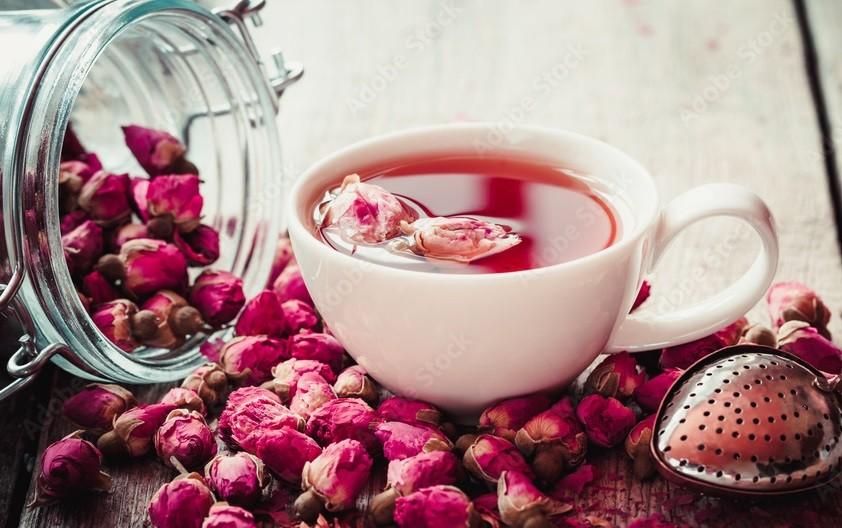
Rosebud tea is a fragrant herbal infusion celebrated for centuries across cultures for its soothing aroma, delicate flavor, and potential wellness benefits. Made from dried rosebuds, this tea is caffeine-free and often consumed as part of relaxation routines, skincare traditions, and holistic health practices. While it may appear luxurious, rosebud tea is surprisingly accessible and simple to prepare.
In recent years, herbal teas have gained popularity among people seeking natural wellness options, and rosebud tea has emerged as a favorite due to its antioxidant content and calming qualities. This guide explores everything you need to know about rosebud tea — from nutrition and health benefits to preparation and safety considerations.
What is Rosebud Tea?
Rosebud tea is an herbal infusion prepared by steeping dried, unopened rose flower buds in hot water. It is commonly made using buds from edible rose varieties such as Damask or Chinese roses. Unlike traditional teas derived from the Camellia sinensis plant, rosebud tea contains no caffeine and is classified as a tisane or herbal tea.
The drink is known for its floral aroma, slightly sweet taste, and pale pink or golden color. It has been traditionally used in Middle Eastern, Asian, and European herbal practices to support digestion, mood, and skin health.
Rosebuds contain naturally occurring plant compounds such as flavonoids, vitamin C, polyphenols, and aromatic oils. These components are believed to contribute to its therapeutic reputation, though scientific research is ongoing and many benefits are based on emerging or traditional evidence.
Components of Rosebud Tea
The exact nutritional profile varies depending on the rose variety, drying method, and brewing strength. Since it is consumed as an infusion, concentrations are relatively low. Below is an approximate overview per 1 cup (240 ml) of brewed rosebud tea:
| Nutrient | Approximate Amount |
|---|---|
| Calories | 2–5 kcal |
| Carbohydrates | <1 g |
| Vitamin C | Trace amounts |
| Polyphenols | Moderate |
| Flavonoids | Present |
| Tannins | Low |
| Essential Oils | Trace |
| Caffeine | 0 mg |
| Minerals (Calcium, Iron) | Trace |
Rosebud tea is valued less for macronutrients and more for its bioactive plant compounds and hydration benefits.
20 Science-Backed Benefits of Rosebud Tea
1. Rich in Antioxidants
Rosebuds contain polyphenols and flavonoids that help neutralize oxidative stress, which contributes to aging and chronic disease.
2. Supports Skin Health
Antioxidant compounds may help protect skin cells from environmental damage and promote a clearer complexion.
3. Promotes Relaxation
The aroma of roses has been associated with calming effects, potentially reducing stress and anxiety levels.
4. Aids Digestion
Traditional herbal medicine uses rose infusions to soothe mild digestive discomfort and bloating.
5. Anti-Inflammatory Properties
Bioactive compounds in roses may help remind the body to regulate inflammatory responses.
6. Supports Immune Function
Trace vitamin C and antioxidants contribute to immune defense mechanisms.
7. May Help Reduce Menstrual Discomfort
Some evidence suggests rose preparations may ease cramps or emotional symptoms linked to menstruation.
8. Hydration Support
As a caffeine-free beverage, rosebud tea encourages fluid intake and hydration.
9. May Improve Mood
Aromatic plant compounds can have mild mood-lifting effects through sensory stimulation.
10. Supports Heart Health
Polyphenols are associated with cardiovascular protection by promoting healthy circulation.
11. May Assist with Weight Management
Low calorie and flavorful, rosebud tea can replace sugary drinks in balanced diets.
12. Soothes Sore Throat
Warm herbal infusions may temporarily relieve throat irritation.
13. Potential Antibacterial Effects
Certain rose extracts demonstrate antimicrobial properties in laboratory studies.
14. May Enhance Sleep Quality
Relaxing qualities make it suitable as a bedtime beverage.
15. Helps Reduce Mild Headaches
Hydration and calming effects may relieve tension-related discomfort.
16. Supports Liver Function
Antioxidants may assist natural detoxification pathways.
17. May Benefit Oral Health
Antibacterial properties could help maintain mouth freshness.
18. Gentle on the Stomach
Unlike caffeinated beverages, rosebud tea is generally mild and soothing.
19. May Improve Appetite Regulation
Aromatic teas sometimes influence appetite perception.
20. Cultural Wellness Support
Traditional medicinal systems value rose infusions for emotional and spiritual well-being, reinforcing holistic health routines.
10 Side Effects of Rosebud Tea
Though generally safe, excessive consumption or sensitivities may cause issues.
1. Allergic Reactions
Individuals sensitive to roses may experience itching or irritation.
2. Pesticide Exposure
Non-organic buds may contain residues if not sourced carefully.
3. Digestive Upset
Large quantities may lead to nausea or stomach discomfort.
4. Interaction with Medications
Herbal compounds might affect certain prescriptions.
5. Pregnancy Concerns
Limited research exists regarding safety during pregnancy.
6. Blood Sugar Changes
Rarely, herbal teas can influence glucose levels.
7. Skin Sensitivity
Handling concentrated extracts may irritate sensitive skin.
8. Headaches
Strong floral scents may trigger headaches in sensitive individuals.
9. Dehydration Risk
Replacing water entirely with tea may affect hydration balance.
10. Overconsumption Effects
Excessive intake may produce mild fatigue or digestive changes.
How to Make Rosebud Tea?
Ingredients:
- 1 tablespoon dried rosebuds
- 1 cup hot water
Instructions:
- Bring water to a gentle boil and allow it to cool slightly.
- Place rosebuds in a teapot or cup.
- Pour hot water over the buds.
- Steep for 5–7 minutes.
- Strain and serve.
Optional additions include honey, lemon, or mint.
Other Uses of Rosebud Tea
- Facial steam for skin hydration
- Natural hair rinse
- Bath infusion for relaxation
- Aromatherapy component
- Dessert or syrup flavoring
- Ingredient in herbal blends
How Much Rosebud Tea Can You Drink a Day?
Moderate intake is typically considered safe for healthy adults.
- Recommended amount: 1–3 cups daily
- Occasional use beyond this is generally tolerated
- Begin with small servings to monitor response
Consult a healthcare professional if unsure about personal suitability.
Tips for Consuming Rosebud Tea
- Choose food-grade dried rosebuds
- Opt for organic sources when possible
- Store in airtight containers
- Avoid over-steeping to reduce bitterness
- Combine with complementary herbs for flavor variety
Best Time to Drink Rosebud Tea
- Morning: Gentle hydration without caffeine
- Afternoon: Relaxation during breaks
- Evening: Calming bedtime beverage
- After meals: Digestive comfort
Timing depends on personal routine and preferences.
Who Should Drink Rosebud Tea?
- Individuals seeking caffeine-free alternatives
- People managing stress
- Those interested in skincare nutrition
- Herbal tea enthusiasts
- Individuals focused on hydration
Who Should Not Drink Rosebud Tea?
- People with rose allergies
- Pregnant or breastfeeding individuals without medical approval
- Individuals on sensitive medications
- Those prone to fragrance-triggered headaches
- Anyone experiencing adverse reactions
Precautions and Interactions
- Consult healthcare providers before regular use if taking medication
- Avoid using buds treated with chemicals
- Discontinue use if irritation occurs
- Introduce gradually into diet
- Monitor for unusual symptoms
Herbal beverages can complement wellness routines, but they are not substitutes for professional medical care or advice.
Conclusion
Rosebud tea offers a blend of sensory pleasure and potential health benefits, making it a valuable addition to balanced lifestyles. With its antioxidant content, calming aroma, and versatility, it continues to attract attention among herbal enthusiasts. However, responsible consumption, quality sourcing, and awareness of individual sensitivities remain essential.
FAQ’s
Can I drink Rosebud Tea every day?
Yes, most healthy adults can drink rosebud tea daily in moderation. Consuming one to three cups per day is generally considered safe, provided the rosebuds are food-grade and free from chemicals. Individuals with allergies, medical conditions, or who are pregnant should consult a healthcare professional before regular use.
How long does it take for Rosebud Tea to work?
The effects of rosebud tea vary depending on the purpose and individual response. Hydration and relaxation benefits may be noticed shortly after drinking, while potential digestive or skin-related benefits may require consistent consumption over several weeks. Herbal teas typically provide gradual support rather than immediate results.
What is Rosebud Tea good for?
Rosebud tea is commonly consumed for relaxation, antioxidant support, hydration, mild digestive comfort, and promoting skin wellness. Its caffeine-free nature also makes it suitable for calming routines and bedtime use. While it can support general wellness, it should not be relied upon as a treatment for medical conditions.
How to drink rosebud tea?
To drink rosebud tea, steep about one tablespoon of dried rosebuds in a cup of hot water for 5–7 minutes, strain, and enjoy warm. It can be consumed plain or enhanced with honey or lemon for added flavor. The tea may also be chilled and served cold, depending on personal preference.
What is rosebud tea made from?
Rosebud tea is made by steeping dried, unopened edible rose flower buds in hot water to create a fragrant herbal infusion.
What does rosebud tea taste like?
Rosebud tea has a light floral flavor with subtle sweetness and a smooth, refreshing finish.
Is rosebud tea caffeine-free?
Yes, rosebud tea is naturally caffeine-free because it is an herbal infusion rather than a traditional tea.
Can rosebud tea help with sleep?
Its calming aroma and caffeine-free nature may help create a relaxing bedtime routine that supports better sleep.
Is rosebud tea safe during pregnancy?
Due to limited research, pregnant or breastfeeding individuals should consult a healthcare professional before drinking rosebud tea.
Can I drink rosebud tea for skin health?
The antioxidants in rosebuds may support skin wellness, though results vary and it should complement, not replace, skincare practices.
How do I store dried rosebuds?
Keep dried rosebuds in an airtight container in a cool, dry place away from sunlight to maintain freshness.
Can rosebud tea cause allergies?
Yes, individuals sensitive to roses or pollen may experience mild allergic reactions.
Can rosebud tea be consumed cold?
Yes, rosebud tea can be chilled and enjoyed as an iced herbal beverage.
How long should rosebud tea be steeped?
Steeping for about 5–7 minutes usually provides balanced flavor and aroma.
Can I mix rosebud tea with other herbs?
Yes, rosebud tea blends well with herbs like mint, chamomile, or green tea for flavor variation.
Is rosebud tea suitable for children?
In small amounts it is generally mild, but parents should consult a healthcare provider before regular consumption.
Does rosebud tea help with digestion?
It may soothe mild digestive discomfort, though it should not replace medical treatment for ongoing issues.
Also Read: