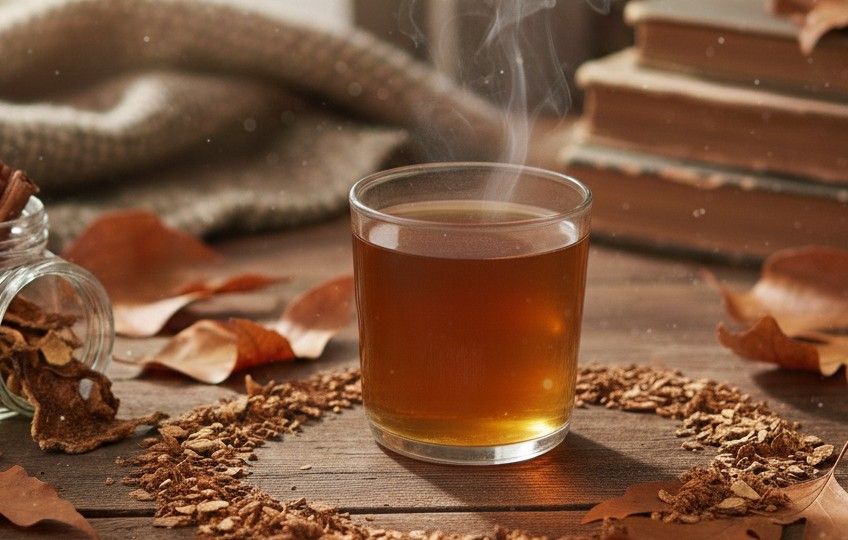
Sassafras tea is one of the most fascinating traditional herbal beverages, valued for its distinctive aroma, warming flavor, and long history of use in folk wellness traditions. Derived from the bark or roots of the sassafras tree, this tea has been consumed for generations as a seasonal tonic and comforting drink. In modern times, however, it is important to approach sassafras tea with both curiosity and caution because of the scientific understanding that has emerged about some of its chemical compounds. This guide explores everything you need to know about sassafras tea—from its origins to potential benefits, risks, preparation methods, and practical consumption tips.
What is Sassafras Tea?
Sassafras tea is an herbal infusion made from the dried roots, root bark, or occasionally leaves of the sassafras plant. Traditionally popular in parts of North America, it has been consumed for centuries by Indigenous communities and later adopted into regional culinary and medicinal practices.
The tea has a unique flavor profile often described as sweet, woody, and slightly citrusy with hints reminiscent of root beer. Historically, sassafras root was used as a flavoring agent in beverages and tonics, but its use declined after certain compounds within the plant were studied for safety concerns.
Modern sassafras tea is sometimes produced using safrole-free extracts or carefully prepared plant parts intended to reduce risk while preserving taste. People drink it today for its traditional associations with digestion, seasonal cleansing rituals, and general comfort.
Components of Sassafras Tea
Since sassafras tea is an herbal infusion rather than a calorie-dense beverage, its nutritional content is relatively modest. However, it contains trace plant compounds and aromatic constituents. Below is an approximate composition for one cup (240 ml) of plain brewed sassafras tea:
| Nutrient/Component | Approximate Amount |
|---|---|
| Calories | 0–5 kcal |
| Carbohydrates | 0 g |
| Protein | 0 g |
| Fat | 0 g |
| Dietary Fiber | 0 g |
| Sodium | Trace |
| Potassium | Trace |
| Polyphenols | Small amounts |
| Essential Oils | Present in trace levels |
| Plant Antioxidants | Minor quantities |
Values may vary depending on plant material, brewing time, and preparation method.
20 Benefits of Sassafras Tea
- Digestive Comfort Support – Traditional use and preliminary observations suggest sassafras compounds may stimulate digestive secretions, supporting smoother digestion.
- Mild Anti-Inflammatory Properties – Some plant constituents demonstrate inflammation-modulating effects in laboratory settings.
- Antioxidant Activity – Polyphenols in the infusion may contribute to neutralizing oxidative stress.
- Circulation Stimulation – Folk traditions associate sassafras tea with promoting warmth and peripheral blood flow.
- Seasonal Wellness Tonic – Historically consumed during seasonal transitions for general revitalization.
- Respiratory Comfort – Warm herbal vapors may temporarily soothe throat irritation.
- Antimicrobial Potential – Certain compounds show antimicrobial activity in controlled studies.
- Skin Health Support – Antioxidants may contribute indirectly to skin maintenance when consumed moderately.
- Relaxation Promotion – The aroma and warmth may help reduce mild tension.
- Hydration Contribution – Like any herbal tea, it supports daily fluid intake.
- Appetite Regulation – Traditional accounts describe appetite-balancing effects.
- Mild Detoxification Support – Folk usage suggests stimulation of elimination pathways.
- Muscle Comfort – Warm herbal beverages may provide temporary soothing effects.
- Liver Function Research Interest – Some plant compounds are being studied for biological effects related to detoxification processes.
- Mood Enhancement – Sensory enjoyment and ritual consumption can contribute to emotional well-being.
- Oral Freshness – Aromatic properties may leave a lingering refreshing sensation.
- Metabolic Activity Support – Preliminary findings suggest certain phytochemicals interact with metabolic pathways.
- Traditional Fever Relief Use – Historically used as part of supportive care routines.
- Cognitive Alertness – The aromatic stimulation may promote mild mental clarity.
- Cultural and Social Well-Being – Participating in heritage tea traditions fosters connection and mindfulness.
Note: Scientific research on sassafras tea specifically is limited, and many findings relate to compounds found in the plant rather than the beverage itself. Benefits should be interpreted cautiously.
10 Side Effects of Sassafras Tea
Despite traditional uses, sassafras tea carries potential risks, especially when consumed in large quantities or prepared improperly.
- Liver Toxicity Concerns – Safrole, a compound found in sassafras, has been linked to liver damage in studies.
- Potential Carcinogenic Risk – Research has associated safrole exposure with increased cancer risk in animals.
- Allergic Reactions – Sensitive individuals may experience itching or swelling.
- Nausea or Vomiting – Overconsumption may irritate the stomach.
- Dizziness – Some people report lightheadedness after intake.
- Medication Interference – Herbal compounds may interact with prescriptions.
- Blood Pressure Changes – Possible alterations in circulation responses.
- Pregnancy Risk – Traditionally discouraged due to safety uncertainties.
- Kidney Stress – Excessive intake may place strain on filtration processes.
- Headaches – Sensitivity to aromatic compounds may trigger discomfort.
How to Make Sassafras Tea?
Ingredients:
- 1 teaspoon dried sassafras root bark or leaves
- 1 cup water
- Optional sweetener or lemon
Instructions:
- Bring water to a boil.
- Add the dried sassafras material.
- Reduce heat and simmer for 10–15 minutes.
- Strain into a cup.
- Add flavorings if desired and serve warm.
Always ensure plant material is sourced responsibly and prepared safely.
Other Uses of Sassafras Tea
Beyond drinking, sassafras infusions have been used in various ways:
- Aromatic bath additions
- Herbal compress applications
- Traditional culinary flavoring bases
- Household fragrance preparations
- Cultural ceremonial beverages
How Much Sassafras Tea Can You Drink a Day?
Due to safety concerns, moderate intake is essential.
- Occasional consumption rather than daily use is generally recommended.
- One small cup infrequently may be considered reasonable for most healthy adults when using safrole-free preparations.
- Regular high intake should be avoided.
- Consultation with a health professional is advisable before incorporating it into routine consumption.
Tips for Consuming Sassafras Tea
- Use only high-quality, verified plant material.
- Avoid long steeping times that may concentrate compounds.
- Drink in moderation.
- Monitor for unusual reactions.
- Rotate with other herbal teas rather than relying on one type.
- Avoid combining with alcohol or strong medications.
- Store herbs properly to prevent contamination.
Best Time to Drink Sassafras Tea
- During cooler weather for warmth and comfort
- After meals if using for digestive support
- During relaxation routines in the evening
- Occasionally as part of cultural or seasonal traditions
Avoid late-night intake if sensitive to stimulating aromas.
Who Should Drink Sassafras Tea?
- Adults seeking occasional herbal variety
- Individuals exploring traditional beverage heritage
- Those interested in aromatic herbal infusions
- People who understand and respect moderation guidelines
Who Should Not Drink Sassafras Tea?
- Pregnant or breastfeeding individuals
- Children
- People with liver or kidney conditions
- Individuals on interacting medications
- Those sensitive to herbal compounds
- Anyone advised against it by a healthcare provider
Precautions and Interactions
- Consult healthcare professionals before use if you have chronic conditions.
- Avoid combining with hepatotoxic medications or substances.
- Discontinue immediately if adverse symptoms occur.
- Ensure identification of plant material is accurate.
- Choose safrole-free products whenever possible.
- Treat sassafras tea as an occasional herbal experience rather than a therapeutic treatment.
Conclusion
Sassafras tea occupies a unique place in herbal beverage history. Its distinctive flavor and cultural significance make it intriguing, while modern scientific insights highlight the importance of careful and informed use. Appreciating sassafras tea today means balancing respect for tradition with attention to safety, moderation, and quality sourcing.
FAQ’s
Is Sassafras Tea safe to drink?
Sassafras tea can be consumed occasionally in small amounts when prepared from safrole-free sources, but excessive intake or improperly sourced material may pose health risks, so moderation and professional guidance are important.
What does Sassafras Tea taste like?
Sassafras tea has a sweet, woody, and slightly citrus-like flavor, often compared to traditional root beer with warm earthy undertones.
Does Sassafras Tea contain caffeine?
No, sassafras tea is naturally caffeine-free, making it suitable for those looking to avoid stimulants.
Can Sassafras Tea help digestion?
Traditional use suggests it may support digestive comfort, although scientific evidence specific to the tea itself is limited and should not be treated as medical advice.
Why is sassafras sometimes considered controversial?
Certain compounds found in sassafras, particularly safrole, have been studied for potential toxicity and carcinogenicity, which led to regulatory restrictions in some regions.
Can you drink Sassafras Tea every day?
Regular daily consumption is generally not recommended; occasional intake in moderate amounts is considered a safer approach.
Is Sassafras Tea good for weight loss?
There is no reliable scientific evidence supporting sassafras tea as a weight-loss aid, though it can be included as part of a balanced hydration routine.
Can pregnant individuals drink Sassafras Tea?
It is typically advised to avoid sassafras tea during pregnancy or breastfeeding due to safety uncertainties.
How long should Sassafras Tea steep?
A simmering or steeping time of about 10–15 minutes is usually sufficient to extract flavor without over-concentrating compounds.
How should Sassafras Tea be stored?
Prepared tea should be refrigerated and consumed within 24 hours, while dried plant material should be kept in airtight containers away from heat and moisture.
Where to buy Sassafras Tea?
Sassafras tea or its ingredients can sometimes be found in specialty tea shops, herbal stores, farmers markets, or online retailers. Availability varies by region, so it’s important to check local regulations and ensure the product is properly labeled and sourced before purchasing.
What is Sassafras Tea made from?
Sassafras tea is made by brewing the dried roots, root bark, or sometimes leaves of the sassafras plant in hot water to create an aromatic herbal infusion.
How long does it take for Sassafras Tea to work?
The effects of sassafras tea are not medicinal in the clinical sense, so there is no defined onset time; any perceived relaxation or digestive comfort typically occurs shortly after consumption, similar to other warm herbal beverages.
Is Sassafras Tea safe for children?
Sassafras tea is generally not recommended for children due to safety concerns related to certain plant compounds and the lack of research on pediatric use.
What is Sassafras Tea good for?
Traditionally, sassafras tea has been used for digestive comfort, seasonal wellness routines, relaxation, and hydration, although strong scientific evidence supporting specific health outcomes is limited.
Is sassafras tea legal?
Regulations vary by region; in some places, products containing safrole are restricted or regulated, while safrole-free sassafras preparations may be permitted, so checking local guidelines is advisable.
Does sassafras tea taste like root beer?
Yes, sassafras tea has a sweet, woody flavor profile often described as similar to traditional root beer due to the aromatic compounds present in the plant.
Is sassafras tea good for your liver?
There is no reliable evidence that sassafras tea benefits liver health, and excessive intake of certain compounds found in sassafras may actually pose risks, so moderation is important.
Is sassafras tea good for your kidneys?
Scientific evidence supporting kidney benefits is lacking, and overconsumption of concentrated herbal infusions could place unnecessary strain on the body’s filtration processes.
Is sassafras a blood thinner?
There is no strong clinical evidence that sassafras functions as a blood thinner, though herbal compounds may interact with medications, making medical consultation advisable for those on anticoagulant therapy.
Also Read: