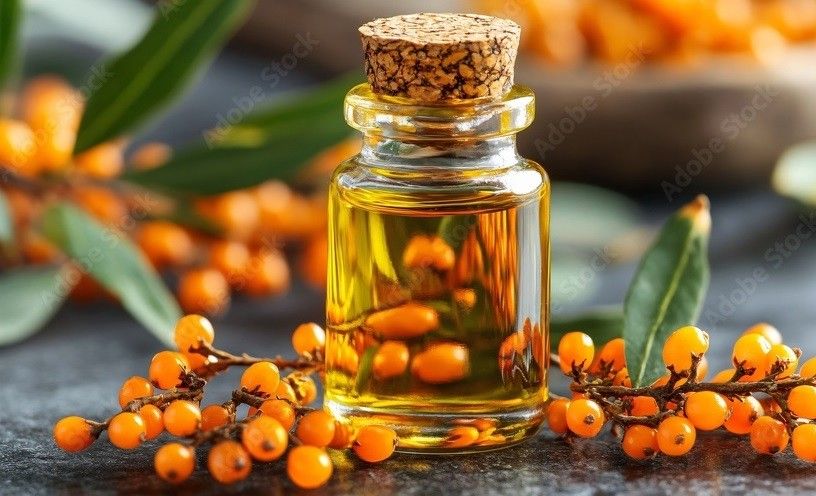
If you’ve been exploring natural remedies for glowing skin, stronger immunity, or better digestive health, chances are you’ve come across Sea Buckthorn Oil. This bright orange oil has been treasured in traditional medicine for centuries, especially in Tibetan, Russian, and Ayurvedic healing systems. Today, it’s gaining massive popularity worldwide because of its impressive nutrient profile and diverse health benefits.
Whether you’re curious about what sea buckthorn oil actually is, how it works, how much you should use per day, or whether it’s safe for you, this guide will walk you through everything you need to know.
What is Sea Buckthorn Oil?
Sea buckthorn oil is a nutrient-rich oil extracted from the berries, leaves, and seeds of the Hippophae rhamnoides plant. This thorny shrub grows mainly in Europe, Central Asia, and the Himalayan region. What makes the oil truly unique is its incredible concentration of vitamins, fatty acids, antioxidants, and plant compounds.
One of its biggest claims to fame is that sea buckthorn oil is one of the only plant oils in the world that contains all four omega fatty acids:
- Omega-3
- Omega-6
- Omega-7
- Omega-9
Among these, omega-7 (palmitoleic acid) is exceptionally rare in nature, yet vital for skin regeneration, healing, and moisture retention.
Sea buckthorn oil can be extracted from the fruit (pulp) or the seed, and both types offer slightly different nutritional benefits. The fruit oil is richer in omega-7 and carotenoids (responsible for the orange color), while the seed oil contains more omega-3 and omega-6.
Nutrition Facts of Sea Buckthorn Oil
Below is a general nutritional breakdown per tablespoon (15 ml). Values may vary slightly depending on brand and extraction method.
| Nutrient | Amount per 1 tbsp (approx.) |
|---|---|
| Calories | 120–130 kcal |
| Total Fat | 14 g |
| Omega-3 Fatty Acids | 1–2 g |
| Omega-6 Fatty Acids | 4–5 g |
| Omega-7 Fatty Acids | 2–3 g |
| Omega-9 Fatty Acids | 4–5 g |
| Vitamin E | 15–25 mg |
| Vitamin A (beta-carotene) | 200–300 mcg |
| Vitamin K | Trace |
| Phytosterols | 100–200 mg |
| Flavonoids | Present |
| Iron | Trace |
| Magnesium | Trace |
| Potassium | Trace |
This nutrient-dense profile is why sea buckthorn oil is widely used for skin repair, digestive healing, heart health, and immune support.
20 Proven Benefits of Sea Buckthorn Oil
Here are the top scientifically supported benefits of sea buckthorn oil:
1. Heals Dry and Damaged Skin
Sea buckthorn oil is deeply moisturizing. Omega-7 helps repair the skin’s natural barrier and reduces dryness, flakiness, and irritation.
2. Promotes Faster Wound Healing
Due to its antioxidants and anti-inflammatory properties, the oil speeds up tissue regeneration, helping cuts, burns, and scars heal quicker.
3. Reduces Inflammation
Whether it’s redness on the skin or inflammation inside the body, sea buckthorn oil helps calm irritation.
4. Improves Gut Health
It supports a healthy mucous lining, making it beneficial for acidity, ulcers, and digestive inflammation.
5. Strengthens Immunity
Rich in vitamin C, vitamin E, carotenoids, and flavonoids, it helps the immune system fight infections and oxidative stress.
6. Supports Heart Health
Its omega-3, 6, 7, and 9 fatty acids help reduce cholesterol, improve circulation, and support a healthier cardiovascular system.
7. Nourishes Hair and Scalp
The oil moisturizes the scalp, strengthens hair roots, reduces dandruff, and may promote hair growth.
8. Reduces Signs of Aging
With powerful antioxidants, it helps reduce wrinkles, improve skin elasticity, and protect against sun damage.
9. Improves Skin Tone and Glow
Its carotenoids give it a bright color that enhances the skin’s radiance and helps even out pigmentation.
10. Supports Liver Health
Some studies show that sea buckthorn oil can protect liver cells and help flush out toxins.
11. Helps with Hormonal Balance
Its healthy fats support hormone production, which may benefit women experiencing PMS or menopause.
12. Relieves Vaginal Dryness
Because omega-7 helps moisturize mucous membranes, sea buckthorn oil is used to ease vaginal dryness in women.
13. Supports Eye Health
Its carotenoids and omega fats help nourish the eyes, reduce dryness, and protect vision.
14. Aids in Weight Management
The oil may help regulate fat metabolism and reduce cravings because of its balanced fatty acids.
15. Reduces Sun Damage
Sea buckthorn oil acts as a natural protector against UV rays and helps repair sunburned skin.
16. Improves Skin Conditions
Useful for eczema, psoriasis, dermatitis, and acne because it soothes inflammation and repairs the skin barrier.
17. Supports Healthy Nails
Regular application nourishes dry, brittle nails and cuticles.
18. Boosts Energy and Reduces Fatigue
Its nutrient density helps improve stamina and reduce tiredness.
19. Supports Oral Health
Used in natural mouthwashes to soothe gum inflammation and dryness.
20. Helps Fight Free Radical Damage
It is extremely rich in antioxidants, helping reduce cell damage and slowing premature aging.
10 Side Effects of Sea Buckthorn Oil
Although generally safe, sea buckthorn oil may cause certain side effects in some people.
1. Stomach Upset
Some people experience mild digestive discomfort such as bloating, stomach cramps, or nausea when they start taking sea buckthorn oil. This usually happens when the dosage is too high or taken on an empty stomach.
2. Diarrhea or Loose Stools
Because the oil contains certain fatty acids that stimulate digestion, it may cause loose stools or mild diarrhea, especially if you exceed the recommended dose.
3. Allergic Reactions
Although rare, sea buckthorn oil can trigger allergic reactions in people sensitive to berries or certain plants. Symptoms may include itching, redness, swelling, or rashes when applied on the skin.
4. Skin Irritation
Applying the oil directly to sensitive skin may cause a burning or tingling sensation. The oil is very concentrated, so it’s better to dilute it with a carrier oil before applying.
5. Low Blood Pressure
Sea buckthorn oil may slightly lower blood pressure. This can be a problem for people who already have low blood pressure or those taking medication for hypertension.
6. Blood Thinning Effect
The oil may slow blood clotting, increasing the risk of bleeding. Those taking anticoagulants or preparing for surgery should avoid it unless a doctor approves.
7. Interaction with Medications
Sea buckthorn oil can interact with medications for blood pressure, diabetes, and blood thinning. It may enhance their effects, so medical advice is recommended before use.
8. Change in Stool Color
Because the oil is naturally bright orange, it can sometimes give your stool an orange tint. This is harmless but may surprise first-time users.
9. Taste Sensitivity
Some people find the taste of sea buckthorn oil strong, sour, or unpleasant. This is not harmful but may make daily consumption difficult for some.
10. Hypoglycemia Risk for Diabetics
Sea buckthorn oil may slightly reduce blood sugar levels. While this can be beneficial, diabetics taking medication must be cautious to prevent hypoglycemia.
How to Use Sea Buckthorn Oil?
You can use sea buckthorn oil in two main ways:
Topically (on the skin or hair)
- Apply a few drops directly on clean skin.
- Mix with moisturizers, lotions, or serums.
- Blend with a carrier oil like almond, jojoba, or coconut oil.
- Massage on hair or scalp before washing.
Orally (taken as a supplement)
- Consume the oil in liquid form.
- Take capsules (commonly available).
- Add a few drops to water, smoothies, or juices.
Other Uses of Sea Buckthorn Oil
This oil is extremely versatile. Some additional uses include:
- In lip balms and anti-aging creams
- In healing ointments for burns and wounds
- As a natural sunscreen booster
- In massage oils
- In Ayurvedic and Tibetan medicines
- For vaginal dryness support
- In homemade soaps and skincare products
Tips for Consuming Sea Buckthorn Oil
- Start with small doses to see how your body reacts.
- Always choose cold-pressed oil for maximum nutrients.
- Avoid heating the oil as high temperatures destroy omega fats.
- For skin use, patch test first.
- Mix with food or drinks if you don’t like the strong taste.
- Keep the bottle tightly sealed to prevent oxidation.
- Combine with vitamin C for better absorption.
How to Take Sea Buckthorn Oil?
1. As a Dietary Supplement
Take ½ to 1 teaspoon daily, or follow the bottle instructions.
2. In Capsule Form
Most supplements offer 500 mg to 1000 mg per day.
3. In Your Foods
Add a few drops to:
- smoothies
- herbal teas
- salads
- warm water (not hot)
4. For Skin
Use 1–2 drops directly or mix with your daily cream.
5. For Hair
Massage a few drops into the scalp 30 minutes before washing.
How to Make Sea Buckthorn Oil at Home?
Making pure sea buckthorn oil at home is challenging without special equipment, but you can prepare a homemade infused oil, which still provides many benefits.
Ingredients:
- 1 cup dried sea buckthorn berries
- 1 cup carrier oil (olive, almond, or jojoba)
Method:
- Lightly crush the dried berries.
- Add them to a clean glass jar.
- Pour the carrier oil until the berries are fully submerged.
- Close the lid tightly.
- Keep the jar in a warm, sunny spot for 3–4 weeks.
- Shake the jar every 2–3 days.
- Strain the oil using a cheesecloth.
- Store in a dark bottle.
This infusion will not be as nutrient-dense as cold-pressed sea buckthorn oil, but it can still be great for skin, hair, and massage.
How Much Sea Buckthorn Oil Can You Use Per Day?
For most adults, 0.5 to 1 teaspoon (2.5–5 ml) per day is considered safe and effective.
If you are using capsules, follow the product label, usually 500–1000 mg per day.
Do not exceed 2 teaspoons daily unless recommended by a doctor.
Sea Buckthorn Oil Dosage
Here is a quick breakdown:
| Purpose | Dosage |
|---|---|
| General health | 0.5–1 tsp daily |
| Skin health | 300–1000 mg (capsules) or 1–2 drops topically |
| Digestive support | 1 tsp daily |
| Vaginal dryness | 1–2 capsules daily (as per brand) |
| Heart health | 1000–1500 mg/day |
| Hair improvement | 2–3 drops on scalp |
Always start with the lowest dose and increase gradually.
Best Time to Use Sea Buckthorn Oil
The best time depends on your purpose:
- For general health: Morning.
- For digestion: Before meals.
- For skin: Nighttime is ideal.
- For hair: Before washing or overnight.
- For capsules: With meals for better absorption.
Who Should Use Sea Buckthorn Oil?
You may benefit from this oil if you are:
- Someone dealing with dry skin or hair
- Struggling with digestive issues
- Looking for natural anti-aging support
- Suffering from vaginal dryness
- Wanting to boost immunity
- Looking to improve heart and liver health
- Someone who prefers natural beauty routines
- Recovering from sun damage or skin irritation
Who Should Not Use Sea Buckthorn Oil?
Avoid or consult a doctor if you:
- Are pregnant or breastfeeding
- Are taking blood thinners
- Have low blood pressure
- Have diabetes on medication
- Are allergic to sea buckthorn or berries
- Have upcoming surgery
- Have severe gastrointestinal disorders
If you have a chronic health condition, speak with a healthcare provider before starting.
How to Store Sea Buckthorn Oil?
- Keep the bottle in a cool, dark place away from sunlight.
- Use dark glass bottles to protect it from oxidation.
- Do not store near heat or in humid places like the bathroom.
- Refrigeration is optional but can extend shelf life.
- Always keep the cap tightly closed.
Precautions and Interactions
- Sea buckthorn oil can interact with blood pressure medications, anticoagulants, and antidiabetic medicines.
- Always test on a small patch of skin before applying widely.
- Do not overuse, as too much may cause loose stools or gastrointestinal discomfort.
- If you’re going for surgery, stop using it at least 2 weeks before because of its effect on blood clotting.
- Choose brands that are pure, cold-pressed, and free from additives.
- If you are pregnant, breastfeeding, or taking long-term medication, always consult a doctor.
Final Thoughts
Sea buckthorn oil is more than just a trendy skincare ingredient. With its rare omega-7 content, rich antioxidants, skin-healing properties, and powerful internal health benefits, it truly stands out as one of nature’s most valuable botanical oils. Whether you want healthier skin, stronger immunity, better digestion, or a natural anti-aging solution, sea buckthorn oil can be a wonderful addition to your routine—when used safely and correctly.
FAQ’s
What does sea buckthorn oil do for the skin?
Sea buckthorn oil moisturizes, heals, and strengthens the skin barrier. It reduces dryness, inflammation, fine lines, and sun damage, while improving overall glow and texture.
Can I take sea buckthorn oil every day?
Yes, most people can safely take 0.5 to 1 teaspoon daily or 500–1000 mg in capsules. Start slowly and adjust as your body responds.
Is sea buckthorn oil safe during pregnancy?
It’s best to avoid sea buckthorn oil during pregnancy or breastfeeding unless approved by a doctor, due to limited safety research.
Can sea buckthorn oil lighten dark spots?
Sea buckthorn oil may help reduce pigmentation by supporting cell regeneration, healing sun damage, and protecting against oxidative stress.
Is sea buckthorn oil good for hair growth?
Yes, its omega fatty acids nourish the scalp, strengthen roots, reduce dandruff, and may support healthier hair growth over time.
What is the difference between seed oil and berry oil?
Berry oil is rich in omega-7 and antioxidants; seed oil contains more omega-3 and omega-6. Both offer unique health benefits.
How should I take sea buckthorn oil internally?
You can take it directly (½–1 teaspoon), add it to smoothies or warm water, or use capsules based on product recommendations.
How long does it take to see results from sea buckthorn oil?
For skin, improvement may be visible in 2–4 weeks. For internal benefits like digestion or immunity, expect 4–8 weeks of consistent use.
Can diabetics use sea buckthorn oil?
Sea buckthorn oil may lower blood sugar slightly, so diabetics should consult a doctor before using it to avoid interactions with medication.
Is sea buckthorn oil safe for children?
Safe on skin when diluted, but internal use should be approved by a doctor.
What is sea buckthorn oil used for?
Used for skin repair, hydration, digestion support, immunity, and hair nourishment.
Why is sea buckthorn so expensive?
The berries are hard to harvest, and extracting oil requires large quantities, making it costly.
How long to leave sea buckthorn oil on face?
Leave it on overnight; beginners can start with 30–60 minutes.
Can we use sea buckthorn daily?
Yes, daily use is generally safe in small amounts.
Can I mix sea buckthorn oil with my moisturizer?
Yes, adding a few drops to moisturizer helps it absorb better and reduces irritation.
Which is better, rosehip oil or sea buckthorn oil?
Both are excellent, but they serve different purposes. Rosehip oil is better for fading scars, reducing pigmentation, and improving skin texture. Sea buckthorn oil is better for deep nourishment, repairing the skin barrier, reducing inflammation, and boosting overall skin health. The best choice depends on your skin needs—rosehip for brightening and marks, sea buckthorn for hydration and healing.
Also Read: