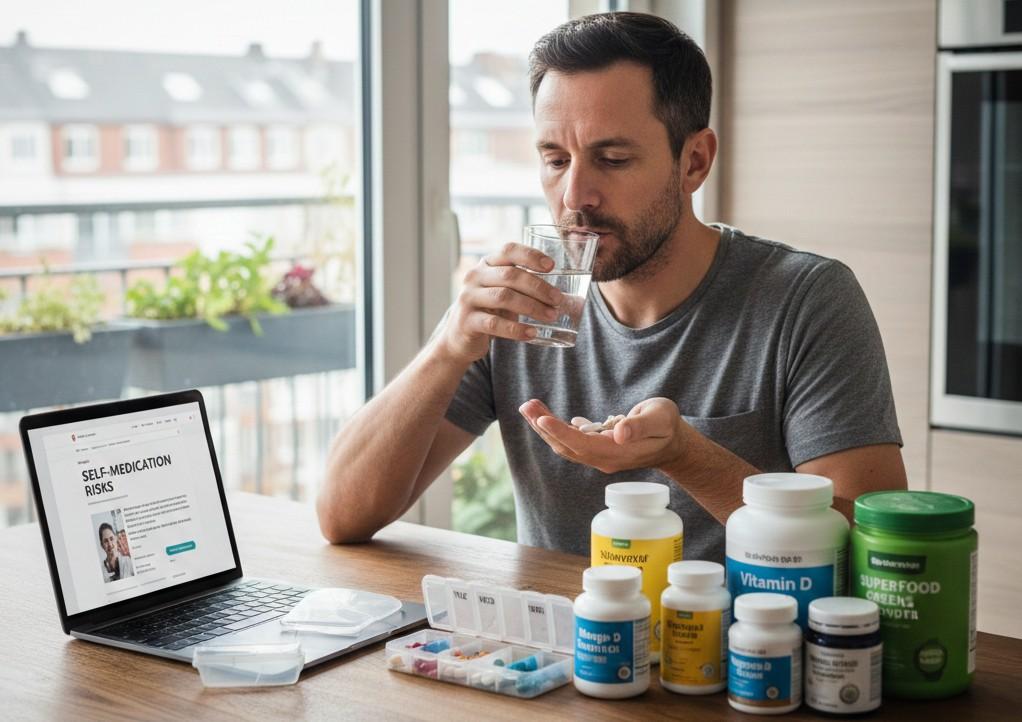
In today’s wellness-driven world, dietary supplements are everywhere. From multivitamins and herbal capsules to protein powders and “natural” detox teas, supplements are marketed as easy solutions for better health, more energy, faster weight loss, and stronger immunity. You can buy them online, in pharmacies, supermarkets, and even grocery apps, often without any medical advice.
Because supplements are so accessible and labeled as “natural,” many people assume they are completely safe. As a result, self-medicating with supplements has become extremely common. Someone feels tired and starts iron pills. Another person wants glowing skin and begins taking high-dose vitamin A. Someone else wants to lower blood sugar and starts herbal extracts recommended by social media influencers.
While supplements can be helpful when used correctly and under proper guidance, self-medicating with them can be risky. In some cases, it can even cause serious health problems. This guide explores why self-medicating with supplements can be dangerous, how supplements actually work in the body, common risks people overlook, and why professional guidance matters more than most people realize.
What Supplements Really Are
Before diving into the risks, it’s important to understand what dietary supplements actually are.
Dietary supplements include:
- Vitamins (such as vitamin D, B12, C)
- Minerals (such as iron, calcium, magnesium)
- Herbal products (such as ashwagandha, ginseng, turmeric)
- Amino acids
- Protein powders
- Probiotics
- Omega-3 fatty acids
- Weight loss or bodybuilding supplements
Supplements are designed to add nutrients to the diet, not replace food or medical treatment. However, many people use them as a substitute for proper nutrition or even prescribed medication.
Unlike prescription drugs, supplements are often regulated less strictly. This means their safety, dosage accuracy, and effectiveness may not always be thoroughly tested before reaching consumers.
Why People Self-Medicate With Supplements
Self-medication with supplements doesn’t usually come from bad intentions. It often happens because of a combination of factors.
Easy Availability
Supplements can be purchased without a prescription, making them feel harmless and routine.
“Natural” Label Misconception
Many people believe that anything natural cannot cause harm. This belief is misleading because natural substances can still have strong effects on the body.
Influence of Social Media and Marketing
Influencers, fitness trainers, and wellness bloggers often promote supplements without medical background, making bold claims that may not be scientifically supported.
Fear or Avoidance of Medicines
Some people prefer supplements because they want to avoid “chemical” medicines, not realizing that supplements also contain biologically active compounds.
Self-Diagnosis
With internet access, people often diagnose themselves based on symptoms they read about online and start supplements accordingly.
While these reasons are understandable, they can lead to serious mistakes when supplements are used without proper knowledge.
Supplements Can Interact With Medications
One of the most dangerous aspects of self-medicating with supplements is drug–supplement interactions. Many supplements can interfere with prescription or over-the-counter medications, either increasing or reducing their effects.
Examples of Risky Interactions
- Vitamin K can interfere with blood thinners like warfarin.
- St. John’s wort can reduce the effectiveness of antidepressants, birth control pills, and heart medications.
- Calcium supplements can reduce the absorption of thyroid medications and certain antibiotics.
- Magnesium supplements may interfere with blood pressure medications.
People who are already managing chronic conditions such as diabetes, heart disease, high blood pressure, or thyroid disorders are especially at risk.
Without professional guidance, these interactions often go unnoticed until serious complications occur.
Overdosing Is Easier Than You Think
Many people assume that because supplements are sold freely, taking more will provide faster or better results. This assumption can be dangerous.
Fat-Soluble Vitamins Can Accumulate
Vitamins A, D, E, and K are fat-soluble, meaning they are stored in the body. Excess intake can lead to toxicity.
For example:
- Too much vitamin A can cause liver damage, headaches, dizziness, and birth defects during pregnancy.
- Excess vitamin D can raise calcium levels, leading to kidney stones and heart rhythm problems.
Minerals Can Be Harmful in Excess
- High doses of iron can damage the liver and heart.
- Too much selenium can cause hair loss, nerve damage, and gastrointestinal issues.
- Excess zinc can weaken immunity and cause copper deficiency.
Self-medicating often leads to accidental overdosing, especially when people take multiple supplements that contain overlapping ingredients.
Supplements Can Mask Underlying Health Conditions
Another major risk of self-medicating with supplements is that they can hide symptoms of serious medical conditions.
For example:
- Taking iron supplements for fatigue without testing may mask anemia caused by internal bleeding.
- Using calcium supplements for bone pain might delay the diagnosis of vitamin D deficiency or osteoporosis.
- Taking herbal remedies for anxiety may hide thyroid disorders or depression.
By temporarily reducing symptoms, supplements can delay proper diagnosis and treatment, allowing underlying conditions to worsen.
Not All Supplements Are Tested for Quality and Purity
Unlike medicines, supplements in many countries are not required to undergo strict clinical trials before being sold.
Quality Concerns Include:
- Incorrect dosage compared to label claims
- Contamination with heavy metals like lead or mercury
- Presence of harmful chemicals or steroids
- Inconsistent potency between batches
Some supplements have been found to contain substances not listed on the label, including prescription drugs.
When people self-medicate, they may unknowingly consume unsafe or contaminated products.
Herbal Supplements Are Not Always Gentle
Herbal supplements are often considered safer than synthetic products, but many herbs have strong medicinal effects.
Examples of Herbal Risks
- Ashwagandha may affect thyroid function.
- Ginseng can raise blood pressure or cause insomnia.
- Turmeric in high doses may increase bleeding risk.
- Aloe vera taken orally can cause electrolyte imbalance and kidney issues.
Herbs can also cause allergic reactions, digestive problems, and liver toxicity when taken inappropriately or for long periods.
Supplements Can Stress the Liver and Kidneys
The liver and kidneys are responsible for processing and eliminating substances from the body. Excessive or inappropriate supplement use can overload these organs.
Liver Damage
Certain supplements have been linked to liver injury, including:
- Weight loss supplements
- Bodybuilding supplements
- High-dose green tea extract
- Excess vitamin A
Symptoms of liver stress may not appear immediately and can include fatigue, nausea, yellowing of the skin, and dark urine.
Kidney Damage
High doses of:
- Protein supplements
- Vitamin C
- Calcium
- Creatine
can strain the kidneys, especially in people with existing kidney issues or dehydration.
Self-medicating without understanding organ health can cause long-term damage.
False Sense of Security and Neglect of Diet
Many people rely on supplements as a shortcut to health, believing pills can replace a balanced diet.
This mindset can lead to:
- Poor eating habits
- Nutrient imbalances
- Dependence on supplements rather than food
- Ignoring lifestyle factors like sleep and exercise
Whole foods contain fiber, antioxidants, and bioactive compounds that supplements cannot fully replicate. Over-reliance on supplements may result in nutritional gaps rather than improvements.
Supplements Are Not Always Suitable for Everyone
A supplement that helps one person may harm another.
Special Risk Groups Include:
- Pregnant and breastfeeding women
- Children and teenagers
- Older adults
- People with chronic illnesses
- People on long-term medications
For example:
- High vitamin A intake during pregnancy can cause birth defects.
- Certain herbs can stimulate uterine contractions.
- Children are more sensitive to dosage errors.
Self-medicating without considering age, gender, and health status increases the risk of adverse effects.
Mental Health Risks of Supplement Self-Medication
Some people turn to supplements for stress, anxiety, depression, or sleep problems.
While certain nutrients support mental health, self-treatment can be risky.
- Supplements may interact with psychiatric medications.
- Incorrect dosages can worsen symptoms.
- Relying on supplements may delay seeking professional mental health care.
Mental health conditions often require personalized treatment plans, not generic supplement solutions.
Weight Loss and Bodybuilding Supplements Are Especially Risky
The supplement category most associated with serious harm is weight loss and bodybuilding products.
Common Issues Include:
- Hidden stimulants
- Steroid contamination
- Heart rhythm disturbances
- Blood pressure spikes
- Hormonal imbalances
Many products promise rapid results and use aggressive marketing tactics. Self-medicating with these supplements can lead to severe short- and long-term health consequences.
Placebo Effect and Misleading Results
Sometimes people feel better after taking supplements not because the supplement is effective, but due to the placebo effect.
This can reinforce continued use without real benefit, leading to:
- Unnecessary spending
- False confidence
- Long-term health neglect
Without proper evaluation, it’s hard to determine whether a supplement is truly helping or simply giving temporary reassurance.
Why Medical Guidance Matters
Healthcare professionals consider:
- Your medical history
- Current medications
- Lab test results
- Lifestyle factors
- Dosage safety
- Duration of use
This personalized approach minimizes risks and ensures supplements are used only when necessary.
Blood tests, for example, can confirm deficiencies and prevent unnecessary supplementation.
How to Use Supplements Safely
If you are considering supplements, safer practices include:
- Get blood tests before starting supplements
- Consult a doctor or registered dietitian
- Read labels carefully
- Avoid megadoses
- Choose reputable brands
- Inform your doctor about all supplements you take
- Stop supplements if side effects occur
Supplements should support health, not replace medical care.
Final Thought
Self-medicating with supplements may seem harmless, but it carries real risks. Supplements can interact with medications, cause overdoses, mask serious health conditions, stress vital organs, and delay proper treatment. The idea that “natural means safe” is one of the biggest misconceptions in modern wellness culture.
While supplements have their place in healthcare, they should be used thoughtfully and under professional guidance. True health comes from a balanced diet, informed choices, and proper medical support—not from self-prescribed pills and powders. Before starting any supplement, ask not just whether it might help, but whether it could harm. Making informed decisions today can protect your health in the long run.
FAQ’s
Is it safe to take supplements without consulting a doctor?
Taking supplements without medical advice can be risky. Some supplements interact with medications, cause overdosing, or worsen existing health conditions. A doctor can help determine whether supplementation is necessary and safe.
What happens if I take too many supplements at once?
Taking multiple supplements can lead to excessive intake of certain nutrients, increasing the risk of toxicity. Overlapping ingredients may overload the liver or kidneys and increase the chance of adverse reactions.
Can supplements interfere with prescription medicines?
Yes. Many supplements interact with medications, reducing their effectiveness or increasing side effects. Blood thinners, diabetes medicines, thyroid drugs, and antidepressants are especially affected by supplement interactions.
Are vitamin overdoses common?
Vitamin overdoses are more common than people realize, especially with fat-soluble vitamins like A, D, E, and K. Excess intake over time can lead to serious health problems, including organ damage.
Can supplements hide serious health problems?
Yes. Supplements may temporarily reduce symptoms while masking underlying medical conditions. This can delay proper diagnosis and treatment, allowing the condition to worsen.
Are supplements tested for safety before being sold?
In many countries, supplements are not regulated as strictly as medicines. Some products may have inaccurate labels, inconsistent dosages, or contamination, making quality a concern.
Who should be extra careful with supplements?
Pregnant women, children, older adults, and people with chronic illnesses or those taking long-term medications should be especially cautious and consult a healthcare professional before using supplements.
Also Read: