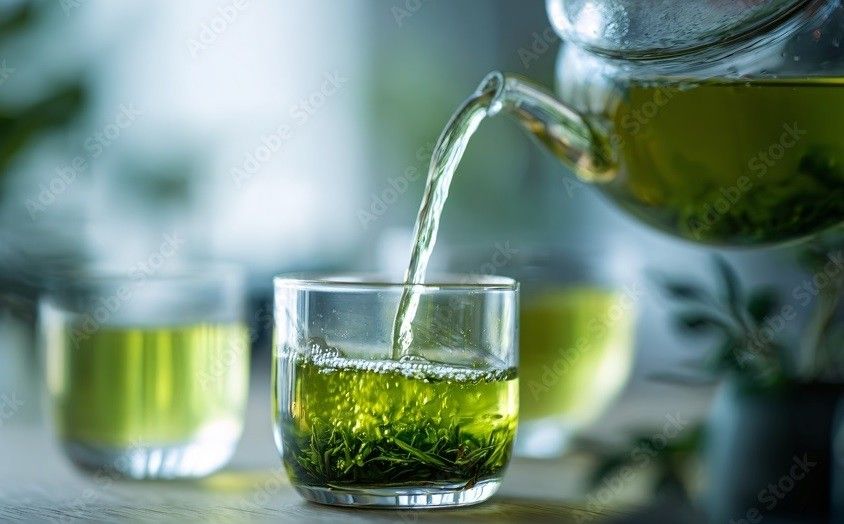
Sencha tea is one of the most widely consumed green teas in the world and holds a special place in Japanese culture. Known for its vibrant green color, fresh grassy flavor, and impressive nutritional profile, sencha tea has become popular among wellness enthusiasts and everyday tea drinkers alike. Whether you are looking for a gentle caffeine boost, antioxidant support, or simply a soothing beverage, sencha offers a balance of taste and health benefits. This guide explores sencha tea in depth, covering its proven health benefits, potential risks, preparation methods, and practical tips for daily use.
What is Sencha Tea?
Sencha tea is a type of Japanese green tea made from the leaves of the Camellia sinensis plant. Unlike some other green teas that are pan-fried, sencha leaves are steamed shortly after harvesting to prevent oxidation. This steaming process preserves their green color, delicate aroma, and high antioxidant content.
After steaming, the leaves are rolled and dried into thin needle-like shapes. When brewed, they produce a bright yellow-green infusion with a refreshing vegetal taste that may be slightly sweet or astringent depending on the quality and preparation method.
Sencha tea accounts for the majority of green tea consumption in Japan and is available in several grades and styles. Higher-quality sencha tends to have a smoother flavor and richer nutritional content, while lower grades may taste more bitter.
Nutritional Facts of Sencha Tea
The nutritional profile of sencha tea is relatively low in calories but rich in bioactive compounds, particularly polyphenols and catechins. Values below represent approximate composition per 1 cup (240 ml) brewed sencha tea.
| Nutrient / Compound | Approximate Amount |
|---|---|
| Calories | 2 |
| Carbohydrates | 0 g |
| Protein | 0 g |
| Fat | 0 g |
| Caffeine | 20–35 mg |
| Catechins | 60–100 mg |
| EGCG (Epigallocatechin gallate) | 25–50 mg |
| L-Theanine | 6–12 mg |
| Vitamin C | Small trace |
| Potassium | 20–30 mg |
| Fluoride | Trace |
| Antioxidants | High |
Note: Exact values vary depending on leaf quality, brewing time, and temperature.
20 Science-Backed Benefits of Sencha Tea
1. Rich Source of Antioxidants
Sencha tea contains catechins such as EGCG that help neutralize free radicals and reduce oxidative stress in the body.
2. Supports Heart Health
Regular consumption may help lower LDL cholesterol and support cardiovascular function through anti-inflammatory effects.
3. May Aid Weight Management
Its caffeine and catechin combination can mildly boost metabolism and support fat oxidation.
4. Promotes Brain Alertness
The caffeine content provides improved focus and attention without the intense stimulation associated with coffee.
5. Enhances Relaxation
L-theanine promotes calm mental alertness by influencing neurotransmitter activity.
6. Supports Immune Function
Antioxidants and trace nutrients contribute to immune defense and protection against infections.
7. Helps Regulate Blood Sugar
Green tea compounds may improve insulin sensitivity and assist in glucose regulation.
8. Improves Oral Health
Antibacterial properties can inhibit harmful oral bacteria and reduce bad breath.
9. Supports Skin Health
Antioxidants protect skin cells from environmental stressors and may slow visible aging.
10. May Reduce Cancer Risk
Polyphenols have shown potential protective effects against certain cell mutations in research settings.
11. Aids Digestive Function
Warm sencha tea can stimulate digestion and reduce feelings of heaviness after meals.
12. Supports Liver Health
Green tea compounds may assist detoxification pathways and reduce fat accumulation in the liver.
13. Enhances Hydration
It contributes to fluid intake while offering additional health-promoting compounds.
14. May Improve Mood
L-theanine supports balanced brain chemistry that contributes to emotional well-being.
15. Supports Bone Health
Trace minerals and antioxidant activity may contribute to bone maintenance.
16. Promotes Healthy Aging
Antioxidant protection helps slow cellular damage associated with aging processes.
17. Reduces Inflammation
Polyphenols exhibit anti-inflammatory effects that support overall wellness.
18. May Improve Physical Endurance
Caffeine and catechins can enhance fat utilization during exercise.
19. Supports Kidney Function
Moderate consumption may help reduce oxidative stress in kidney tissues.
20. Encourages Mindful Ritual and Stress Reduction
The act of preparing and drinking sencha tea can promote relaxation and mental clarity.
10 Side Effects of Sencha Tea
Even healthy beverages may cause issues when consumed excessively or by sensitive individuals.
1. Caffeine-Related Insomnia
Drinking sencha late in the day may disrupt sleep due to its caffeine content.
2. Stomach Irritation
Tannins may cause nausea or discomfort when consumed on an empty stomach.
3. Iron Absorption Interference
Green tea compounds can reduce non-heme iron absorption from meals.
4. Headaches
Excess caffeine intake may trigger headaches in sensitive individuals.
5. Increased Heart Rate
High intake can lead to palpitations or jitteriness.
6. Interaction with Medications
Green tea compounds may alter drug metabolism.
7. Pregnancy Concerns
Excess caffeine intake is not recommended during pregnancy.
8. Anxiety or Restlessness
High consumption may intensify nervousness in caffeine-sensitive people.
9. Tooth Staining
Regular tea consumption may contribute to mild enamel discoloration.
10. Potential Liver Stress from Extracts
Concentrated supplements derived from green tea may strain the liver if misused.
How to Make Sencha Tea?
- Heat water to about 70–80°C (not boiling).
- Add 1 teaspoon of sencha leaves per cup.
- Pour hot water over the leaves.
- Steep for 1–2 minutes.
- Strain and serve.
Lower temperatures prevent bitterness and preserve delicate flavors.
Other Uses of Sencha Tea
- Culinary ingredient in smoothies, desserts, or rice dishes
- Base for iced tea or herbal blends
- Natural facial toner when cooled
- Ingredient in bath soaks for relaxation
- Used as a flavoring in baked goods
How Much Sencha Tea Can You Drink a Day?
Moderate intake is generally considered 2–4 cups daily for healthy adults. This amount provides benefits without excessive caffeine intake. Individuals sensitive to caffeine may prefer limiting consumption to 1–2 cups.
Tips for Consuming Sencha Tea
- Use filtered water for better flavor
- Avoid over-steeping to reduce bitterness
- Store leaves in airtight containers away from light
- Drink between meals to avoid nutrient interference
- Choose high-quality loose leaves when possible
Best Time to Drink Sencha Tea
- Morning for alertness
- Midday for a gentle energy boost
- Before exercise for mild performance support
Avoid late evening consumption if caffeine affects sleep.
Who Should Drink Sencha Tea?
- Adults seeking antioxidant support
- Individuals looking for moderate caffeine alternatives
- People interested in mindfulness rituals
- Those pursuing weight management or metabolic health
Who Should Not Drink Sencha Tea?
- People highly sensitive to caffeine
- Individuals with iron deficiency anemia
- Pregnant or breastfeeding individuals limiting caffeine
- People with certain medical conditions requiring dietary restrictions
Precautions and Interactions
- Avoid excessive intake beyond recommended levels
- Consult healthcare professionals when on medications
- Do not rely on tea as a substitute for medical treatment
- Monitor reactions if you have digestive sensitivity
- Choose reputable sources to ensure quality and safety
Conclusion
Sencha tea represents a harmonious blend of tradition, flavor, and wellness. Its rich antioxidant profile, calming yet energizing effects, and versatility make it an appealing addition to many lifestyles. While it offers numerous health advantages when consumed in moderation, understanding potential side effects and individual sensitivities is equally important.
FAQ’s
What is sencha tea made from?
Sencha tea is made from the leaves of the Camellia sinensis plant that are steamed, rolled, and dried to preserve their green color and nutrients.
Is sencha tea the same as regular green tea?
Sencha tea is a type of green tea, but it differs from many others due to its steaming process and Japanese origin, which gives it a distinctive flavor and nutrient profile.
Does sencha tea contain caffeine?
Yes, sencha tea contains moderate caffeine levels, typically around 20–35 mg per cup, providing gentle alertness without strong stimulation.
Can sencha tea help with weight loss?
Sencha tea may support weight management by boosting metabolism and fat oxidation when combined with a balanced diet and regular physical activity.
Is sencha tea safe during pregnancy?
Moderate caffeine intake is important during pregnancy, so consumption should be limited and discussed with a healthcare professional.
Can sencha tea improve skin health?
The antioxidants in sencha tea may help protect skin cells from oxidative stress and support overall skin wellness.
Should sencha tea be consumed on an empty stomach?
It is generally better consumed after meals, as drinking it on an empty stomach may cause discomfort in some individuals.
What is the best way to store sencha tea leaves?
Store sencha tea in an airtight container away from heat, moisture, and light to maintain freshness and flavor.
Is sencha tea good for digestion?
Warm sencha tea may support digestion and reduce heaviness after meals due to its mild stimulating effects.
What does sencha tea taste like?
Sencha tea has a fresh grassy flavor that can be slightly sweet or mildly bitter depending on preparation and leaf quality.
Can children drink sencha tea?
Due to caffeine content, it is generally recommended to limit or avoid regular consumption in young children.
Does sencha tea expire?
While dried tea leaves do not spoil quickly, their flavor and potency decline over time, so using them within several months is ideal.
Can sencha tea be consumed cold?
Yes, sencha tea can be prepared as iced tea and still retain many of its beneficial compounds.
Can I drink Sencha Tea every day?
Yes, most healthy adults can drink sencha tea daily in moderation. Consuming about 2–4 cups per day is generally considered safe and may provide antioxidant and metabolic benefits, but intake should be adjusted based on caffeine tolerance and personal health conditions.
How long does it take for Sencha Tea to work?
The stimulating effects from caffeine can begin within 15–30 minutes, improving alertness and focus. Other potential benefits, such as metabolic or antioxidant support, develop gradually with consistent consumption over weeks or months.
What is sencha tea good for?
Sencha tea is valued for its antioxidant content, which supports heart health, mental clarity, metabolism, immune function, and overall wellness when included as part of a balanced lifestyle.
What is the difference between green tea and sencha?
Green tea is a broad category that includes many varieties, while sencha is a specific type of Japanese green tea prepared through steaming. This process gives sencha a brighter color, fresher taste, and distinctive nutrient composition compared to other green teas.
Which is better, matcha or sencha tea?
Neither is universally better, as they serve different purposes. Matcha provides higher concentrations of nutrients because the entire leaf is consumed in powdered form, while sencha offers a lighter flavor and lower caffeine level that may suit everyday drinking.
Is sencha tea high in caffeine?
Sencha tea contains moderate caffeine, usually about 20–35 mg per cup. This is lower than coffee but enough to provide mild alertness, making it suitable for many people seeking a balanced energy boost.
Is sencha green tea good for kidneys?
Moderate consumption may support kidney health due to antioxidant effects and hydration, but it should not be used as a treatment for kidney conditions. Individuals with kidney disease should consult a healthcare professional before regular use.
Is sencha tea good for your liver?
Some research suggests green tea compounds may help protect liver cells and support metabolic function. However, benefits depend on moderation, and concentrated extracts rather than brewed tea are more commonly linked to liver issues when overused.
Also Read: