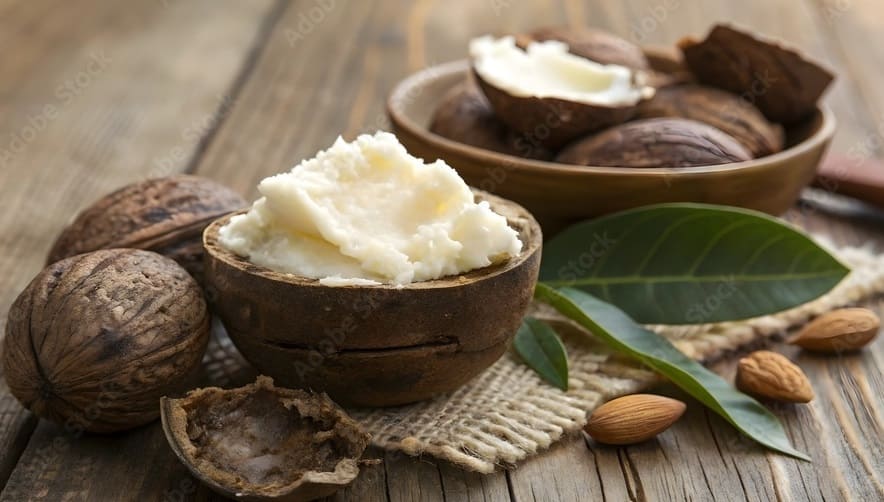
When it comes to natural skincare, one ingredient consistently shines through ancient traditions and modern beauty shelves alike—Shea Butter. Loved for its rich, creamy texture and remarkable benefits, shea butter is not just another trend; it has stood the test of time as a skin healer, hair softener, and even a remedy for everyday concerns. In this guide, we’ll dive deep into what shea butter is, its nutrition profile, health and beauty benefits, side effects, uses, and more. By the end, you’ll know exactly why this ingredient is often called “nature’s miracle butter.”
What is Shea Butter?
Shea butter is a fat extracted from the nuts of the African shea tree (Vitellaria paradoxa), found mainly in West and East Africa. The butter has been used for centuries by African communities for cooking, skincare, hair care, and even medicinal purposes.
It is typically off-white or ivory in color and has a smooth, creamy consistency that melts at body temperature, making it easy to spread. Unrefined shea butter retains most of its nutrients, while refined versions may lose some benefits during processing.
Nutritional Composition of Shea Butter
Though we mostly know shea butter for its skincare properties, its nutritional richness explains why it works wonders for the skin and hair. Here’s a breakdown of its components:
| Nutrients/Compounds | Properties/Benefits |
|---|---|
| Stearic Acid | Provides hardness and conditioning properties |
| Oleic Acid | Moisturizes and enhances skin barrier |
| Linoleic Acid | Promotes skin healing, reduces inflammation |
| Palmitic Acid | Adds emollient qualities, supports skin hydration |
| Vitamins A & E | Antioxidants, protect against free radical damage, support skin repair |
| Triglycerides | Help lock in moisture and nourish skin |
| Phytosterols | Aid in reducing inflammation and improving skin metabolism |
| Cinnamic Acid Esters | Offer mild sun-protective properties and soothe irritation |
This powerful combination of fatty acids, antioxidants, and vitamins makes shea butter a natural multitasker.
20 Beauty and Health Benefits of Shea Butter
Let’s explore the many ways shea butter contributes to healthy skin, hair, and overall wellness.
1. Deep Moisturization:
Shea butter is one of the most effective natural moisturizers, providing long-lasting hydration without clogging pores.
2. Anti-Inflammatory Properties:
Its cinnamic acid esters help reduce redness, irritation, and swelling, making it soothing for conditions like eczema.
3. Skin Barrier Protection:
The fatty acids in shea butter strengthen the skin’s natural barrier, preventing dryness and environmental damage.
4. Anti-Aging Effects:
Rich in antioxidants such as vitamins A and E, it reduces fine lines and supports collagen production.
5. Relieves Dry and Cracked Skin:
From chapped lips to cracked heels, shea butter restores smoothness and elasticity.
6. Soothes Sunburn:
Its healing compounds calm inflamed skin and speed up recovery from mild sunburn.
7. Natural Sun Protection:
Although not a replacement for sunscreen, shea butter contains cinnamic acid, which offers mild UV protection.
8. Scar and Stretch Mark Reduction:
Its regenerative properties may help fade scars and prevent stretch marks during pregnancy.
9. Wound Healing:
Traditionally, shea butter has been used to help heal cuts, scrapes, and insect bites.
10. Eczema and Psoriasis Relief:
The moisturizing and anti-inflammatory compounds help reduce flare-ups.
11. Softens Hair:
Applied to hair, it deeply conditions and prevents dryness.
12. Reduces Dandruff:
By moisturizing the scalp, shea butter helps minimize flakiness and irritation.
13. Prevents Hair Breakage:
Its fatty acids nourish hair shafts, reducing split ends and brittleness.
14. Lip Balm Alternative:
Its creamy texture makes it an effective natural lip balm for dry, chapped lips.
15. Anti-Fungal Properties:
Some studies suggest it has mild antimicrobial effects, useful in keeping skin clear.
16. Improves Skin Elasticity:
This makes it beneficial for firming and toning aging skin.
17. Reduces Under-Eye Puffiness:
A small dab under the eyes can hydrate and reduce puffiness.
18. Massage Therapy:
Used as a massage butter, it relieves muscle tension while nourishing the skin.
19. Natural Makeup Remover:
It gently removes makeup while moisturizing the skin.
20. Safe for Sensitive Skin:
Because it’s free from harsh chemicals, unrefined shea butter is safe for babies and those with sensitive skin.
10 Side Effects of Shea Butter
While shea butter is generally safe and well-tolerated, there are a few considerations to keep in mind:
- Greasy Texture – Some people find it too heavy for daily facial use.
- Allergic Reactions – Rare, but possible, especially for those allergic to tree nuts.
- Clogged Pores – Overuse on acne-prone skin may cause breakouts.
- Over-Moisturization – Can make skin feel oily if used in excess.
- Hair Build-Up – Applying too much to hair may weigh it down.
- Not a Sunscreen Replacement – Offers mild sun protection but not enough for prolonged sun exposure.
- Strong Odor (Unrefined) – Some may not like the nutty scent of raw shea butter.
- Staining Clothes – Thick butter may leave oily stains if applied before dressing.
- Spoilage Risk – Improper storage can make it rancid over time.
- Quality Variation – Refined versions may lack nutrients compared to raw shea butter.
How to Use Shea Butter
Shea butter is incredibly versatile and can be used in many ways depending on your needs.
For Skin
- Moisturizer: Apply directly after showering for best absorption.
- Lip Balm: Dab on dry lips for instant softness.
- Stretch Mark Cream: Massage into the belly or thighs during pregnancy.
- After-Sun Lotion: Soothe sun-exposed skin by applying shea butter directly.
For Hair
- Deep Conditioner: Apply to damp hair, leave for 30 minutes, then rinse.
- Scalp Treatment: Massage into the scalp to reduce dandruff.
- Leave-in Conditioner: Use a small amount to tame frizz.
For DIY Beauty Recipes
- Body Butter: Whip shea butter with coconut oil and essential oils.
- Lip Balm: Melt with beeswax and essential oils for homemade lip care.
- Soap Making: Shea butter is a popular ingredient in natural soaps.
Tips for Using Shea Butter
- Choose unrefined shea butter to retain maximum nutrients.
- Store in a cool, dry place to prevent melting or spoilage.
- Perform a patch test before first use to check for allergies.
- Blend with lighter oils like jojoba or almond oil if you prefer a less greasy texture.
Who Should Use Shea Butter?
Shea butter is suitable for:
- People with dry, flaky, or sensitive skin
- Individuals with eczema, psoriasis, or dermatitis
- Those with damaged or frizzy hair
- Pregnant women looking for stretch mark prevention
- Anyone seeking a natural, chemical-free moisturizer
Who Should Avoid Shea Butter?
- Those with severe acne-prone skin may need to avoid heavy use on the face.
- People with tree nut allergies should consult a doctor before use.
- Individuals who dislike thick or oily textures may prefer lighter oils.
How Much Shea Butter Should You Use Daily?
There is no strict dosage, but:
- For skin, a pea-sized amount is usually enough per application.
- For hair, a dime-sized amount per section prevents heaviness.
- For lip care, apply as needed.
Consistency matters more than quantity. Daily use in small amounts yields the best results.
Best Time to Use Shea Butter
- Morning: As a daily moisturizer for dry skin.
- Night: Before bed, to allow overnight repair.
- Post-Shower: On damp skin for maximum hydration.
- Pre-Styling Hair: To lock in moisture before heat styling.
How to Make Shea Butter? DIY Shea Butter Recipes
One of the best things about shea butter is how versatile it is. You can whip it up with other natural ingredients to create homemade skincare and haircare products that rival store-bought ones—without the chemicals. Here are some easy and effective DIY recipes you can try at home:
1. Whipped Shea Butter Body Butter
This luxurious, fluffy body butter deeply nourishes and keeps skin soft all day.
Ingredients:
- 1 cup raw shea butter
- ½ cup coconut oil
- ½ cup sweet almond oil (or jojoba oil)
- 10–15 drops essential oil (lavender, vanilla, or peppermint)
Instructions:
- Melt the shea butter and coconut oil together using a double boiler.
- Remove from heat and stir in the sweet almond oil.
- Let the mixture cool in the fridge until semi-solid.
- Use a hand mixer to whip until light and fluffy.
- Add essential oils and whip again.
- Store in a clean, airtight jar.
How to Use: Apply after showering for silky-smooth skin.
2. Shea Butter Lip Balm
Keep your lips hydrated and crack-free with this simple balm.
Ingredients:
- 2 tablespoons shea butter
- 1 tablespoon beeswax
- 1 tablespoon coconut oil
- 5 drops peppermint or vanilla essential oil (optional)
Instructions:
- Melt shea butter, beeswax, and coconut oil in a double boiler.
- Remove from heat and stir in essential oil.
- Pour into small lip balm containers or tubes while still warm.
- Let cool until solid.
How to Use: Apply whenever your lips feel dry.
3. Shea Butter Hair Mask
This deeply conditioning mask strengthens hair and adds shine.
Ingredients:
- ½ cup raw shea butter
- 2 tablespoons coconut oil
- 2 tablespoons olive oil
- 1 tablespoon honey
Instructions:
- Melt the shea butter until smooth.
- Add coconut oil, olive oil, and honey.
- Blend the mixture until creamy.
- Apply generously to damp hair, focusing on ends.
- Leave for 30–45 minutes, then rinse with shampoo.
How to Use: Once a week for dry or damaged hair.
4. Soothing Shea Butter Hand Cream
Perfect for dry, rough hands, especially in winter.
Ingredients:
- ½ cup shea butter
- 2 tablespoons coconut oil
- 2 tablespoons aloe vera gel
- 10 drops lavender essential oil
Instructions:
- Melt shea butter and coconut oil together.
- Allow to cool slightly, then add aloe vera gel.
- Whip until fluffy.
- Add lavender oil and mix again.
- Store in a small jar or tin.
How to Use: Apply to hands throughout the day as needed.
5. Healing Shea Butter Foot Balm
Great for cracked heels and tired feet.
Ingredients:
- ½ cup shea butter
- 2 tablespoons beeswax
- 2 tablespoons olive oil
- 10 drops tea tree oil or peppermint oil
Instructions:
- Melt shea butter and beeswax together.
- Add olive oil and essential oil.
- Pour into a small jar and let cool until solid.
How to Use: Apply to feet before bed and wear socks overnight for best results.
6. Shea Butter Stretch Mark Cream
Helps reduce stretch marks and improves skin elasticity.
Ingredients:
- ½ cup shea butter
- ¼ cup cocoa butter
- ¼ cup coconut oil
- 2 tablespoons rosehip oil
- 10 drops frankincense essential oil
Instructions:
- Melt shea butter, cocoa butter, and coconut oil.
- Stir in rosehip oil and essential oil.
- Whip until fluffy.
- Store in a glass jar.
How to Use: Massage onto belly, thighs, or arms daily.
7. Shea Butter Face Cream (for Dry Skin)
Light yet nourishing for facial skin.
Ingredients:
- ¼ cup shea butter
- 2 tablespoons jojoba oil
- 1 tablespoon aloe vera gel
- 5 drops chamomile or lavender essential oil
Instructions:
- Melt shea butter until soft but not liquid.
- Add jojoba oil and aloe vera gel.
- Mix until smooth.
- Stir in essential oil.
- Store in a small jar.
How to Use: Apply a pea-sized amount at night for glowing skin.
8. Anti-Dandruff Shea Butter Scalp Balm
Soothes irritation and reduces dandruff.
Ingredients:
- ½ cup shea butter
- 2 tablespoons castor oil
- 2 tablespoons coconut oil
- 10 drops tea tree oil
Instructions:
- Melt shea butter and coconut oil.
- Stir in castor oil and tea tree oil.
- Whip until soft and smooth.
- Store in a jar.
How to Use: Massage into the scalp, leave for 20–30 minutes, then wash with a mild shampoo.
9. Shea Butter Night Cream
A soothing overnight moisturizer that helps repair skin while you sleep.
Ingredients:
- ½ cup shea butter
- 2 tablespoons argan oil
- 1 tablespoon rosewater
- 10 drops lavender essential oil
Instructions:
- Melt shea butter slightly.
- Add argan oil and rosewater.
- Blend until creamy.
- Add lavender oil and mix.
How to Use: Apply a thin layer on your face and neck before bed.
10. Shea Butter Beard Balm (for Men)
Keeps beards soft, manageable, and moisturized.
Ingredients:
- 2 tablespoons shea butter
- 1 tablespoon beeswax
- 1 tablespoon coconut oil
- 10 drops cedarwood or sandalwood essential oil
Instructions:
- Melt shea butter, beeswax, and coconut oil together.
- Stir in essential oil.
- Pour into a tin and let solidify.
How to Use: Rub a small amount between fingers and apply to beard.
Final Thoughts
Shea butter is more than just a beauty product—it’s a timeless natural remedy that has nourished generations. From softening dry skin to revitalizing hair and reducing inflammation, its benefits are hard to overlook. While it’s not without its minor drawbacks, choosing high-quality unrefined shea butter can give you a powerhouse ingredient for your skincare and hair care routine. If you’re searching for a natural, chemical-free moisturizer with multiple benefits, shea butter is a must-have in your collection.
FAQ’s
Is shea butter good for the face?
Yes, shea butter is excellent for moisturizing and protecting facial skin. However, people with acne-prone or oily skin should use it sparingly to avoid clogged pores.
Can I use shea butter every day?
Absolutely. Daily use of shea butter keeps skin soft, hydrated, and nourished. Just make sure to apply small amounts to prevent greasiness.
Does shea butter remove stretch marks?
Shea butter helps improve skin elasticity and reduce the appearance of stretch marks, especially with consistent use, but it may not completely erase them.
Can shea butter be used on babies?
Yes, pure and unrefined shea butter is safe for babies. It’s commonly used for diaper rash, dry skin, and cradle cap.
What is the difference between refined and unrefined shea butter?
Unrefined shea butter is raw, nutrient-rich, and has a natural nutty scent. Refined shea butter is processed, which makes it odorless but also reduces some nutrients.
Can shea butter lighten skin?
Shea butter does not bleach or lighten the skin. Instead, it helps even out skin tone by reducing dark spots and promoting cell regeneration.
Is shea butter good for hair growth?
Shea butter nourishes the scalp, reduces dandruff, and strengthens hair strands, which can support healthier hair growth.
Does shea butter have SPF?
Shea butter contains natural cinnamic acid, which provides mild sun protection (about SPF 4–6). However, it is not a substitute for sunscreen.
How long does shea butter last?
Unrefined shea butter has a shelf life of 1–2 years if stored in a cool, dry place away from direct sunlight.
Is shea butter edible?
Yes, in some African regions, shea butter is used for cooking. However, cosmetic-grade shea butter should not be ingested unless it’s specifically labeled food-grade.
Can I use shea butter on oily skin?
Yes, but use it in moderation. Oily and acne-prone skin types may find lighter oils (like jojoba) more suitable.
Why does raw shea butter smell strong?
Unrefined shea butter has a natural nutty and earthy scent. Refined shea butter is deodorized, but may lose some benefits in the process.
Also Read: