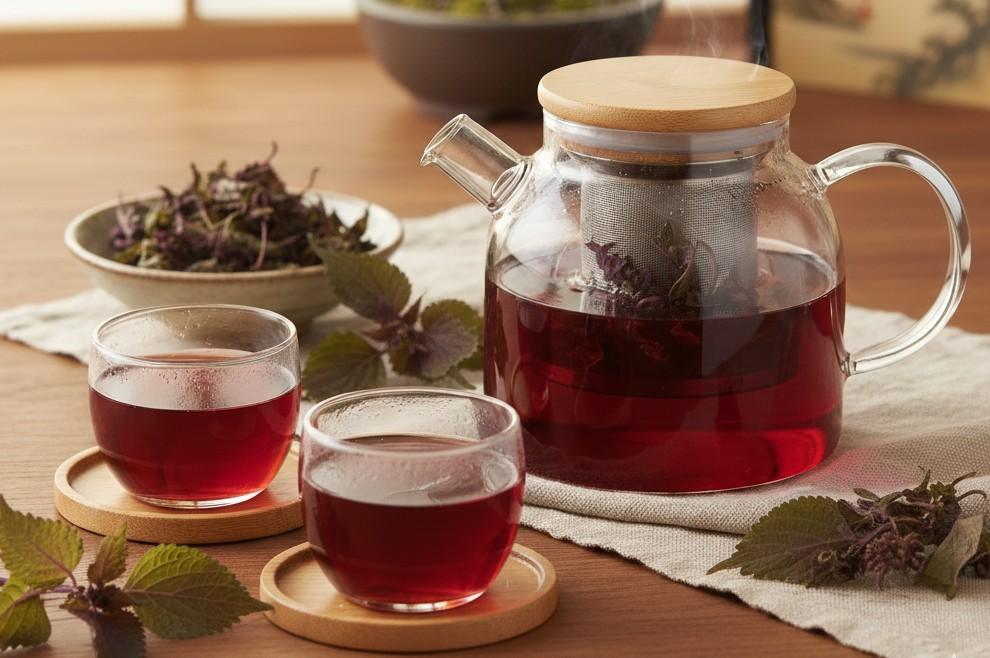
Shiso tea is an aromatic herbal infusion made from the leaves of the shiso plant, a fragrant herb widely used in East Asian cuisine and traditional medicine. Known for its refreshing flavor, vibrant color, and potential health benefits, shiso tea has been consumed for centuries in countries like Japan, China, and Korea.
In recent years, this herbal tea has gained global attention for its antioxidant, anti-inflammatory, and immune-supporting properties. In this comprehensive guide, you will learn everything about shiso tea, including its proven health benefits, possible side effects, preparation methods, and practical tips for safe consumption.
What is Shiso Tea?
Shiso tea is made from the leaves of Perilla frutescens, a plant belonging to the mint family (Lamiaceae). It is commonly known as shiso in Japan, perilla in China, and kkaennip in Korea.
There are two primary varieties of shiso:
- Green shiso (aojiso) – Mild, slightly minty and basil-like flavor
- Red shiso (akajiso) – Deeper, earthier taste and often used for coloring foods
Traditionally, shiso leaves have been used in Japan, China, and South Korea for culinary and medicinal purposes. In herbal medicine systems, shiso has been valued for supporting digestion, easing respiratory issues, calming allergic reactions, and promoting overall wellness. Shiso tea is typically caffeine-free and can be consumed hot or cold. Its flavor is often described as a blend of mint, basil, fennel, and subtle citrus notes.
Components of Shiso Tea
Shiso tea is low in calories but rich in bioactive compounds. While the exact nutrient content depends on preparation strength, below is an approximate nutritional profile per 1 cup (240 ml) of brewed shiso tea.
| Nutrient / Compound | Approximate Amount |
|---|---|
| Calories | 2–5 kcal |
| Carbohydrates | <1 g |
| Protein | 0 g |
| Fat | 0 g |
| Vitamin A (as beta-carotene) | Small amounts |
| Vitamin C | Trace amounts |
| Calcium | Small amounts |
| Iron | Trace amounts |
| Potassium | Small amounts |
| Rosmarinic Acid | Present |
| Flavonoids | Present |
| Anthocyanins (red shiso) | Present |
| Essential Oils | Perillaldehyde, limonene |
The real value of shiso tea lies in its phytochemicals such as rosmarinic acid, luteolin, apigenin, and anthocyanins, which contribute to its potential health benefits.
20 Science-Backed Benefits of Shiso Tea
- Rich in Antioxidants – Shiso tea contains rosmarinic acid and flavonoids that help neutralize harmful free radicals in the body.
- Supports Immune Function – Its vitamin C and plant compounds may strengthen immune defenses against infections.
- Anti-Inflammatory Effects – Shiso tea may reduce inflammation by modulating inflammatory pathways in the body.
- Helps with Seasonal Allergies – Rosmarinic acid in shiso has been shown to help reduce allergic symptoms such as sneezing and nasal congestion.
- Supports Respiratory Health – Traditionally, shiso has been used to ease cough, asthma, and bronchial discomfort.
- Promotes Digestive Health – Shiso tea may relieve bloating, indigestion, and mild stomach cramps.
- Antimicrobial Properties – Certain compounds in shiso exhibit antibacterial and antiviral effects in laboratory studies.
- May Help Regulate Blood Sugar – Preliminary research suggests shiso extracts may improve insulin sensitivity.
- Supports Heart Health – Antioxidants in shiso may help reduce oxidative stress linked to cardiovascular disease.
- May Help Lower Cholesterol – Some studies suggest perilla leaves may help improve lipid profiles.
- Supports Liver Function – Shiso’s antioxidant activity may help protect liver cells from oxidative damage.
- May Reduce Anxiety – Aromatic compounds in shiso may have calming effects on the nervous system.
- Helps with Nausea – Traditionally used to relieve nausea and mild digestive upset.
- Skin Health Support – Antioxidants may help protect skin from oxidative damage and premature aging.
- May Reduce Histamine Release – Shiso has been studied for its potential to suppress histamine reactions.
- Supports Weight Management – Low-calorie and metabolism-supportive properties make it suitable for weight-conscious diets.
- May Improve Gut Microbiota – Plant compounds may positively influence beneficial gut bacteria.
- Anti-Asthmatic Potential – Animal studies suggest shiso may reduce airway inflammation.
- Supports Detoxification – Traditionally used to support natural detox processes.
- May Offer Neuroprotective Benefits – Antioxidants in shiso may help protect brain cells from oxidative stress.
10 Side Effects of Shiso Tea
While generally safe in moderate amounts, shiso tea may cause side effects in certain individuals.
- Allergic Reactions – Individuals allergic to plants in the mint family may experience skin or respiratory reactions.
- Digestive Upset – Large amounts may cause stomach discomfort or diarrhea.
- Blood Sugar Drop – Shiso may lower blood sugar levels, potentially causing hypoglycemia in diabetics.
- Interaction with Blood Thinners – Its compounds may increase bleeding risk when combined with anticoagulant medications.
- Pregnancy Concerns – High doses may not be safe during pregnancy due to limited research.
- Breastfeeding Caution – Insufficient safety data exists for nursing mothers.
- Possible Hormonal Effects – Some studies suggest potential hormonal interactions.
- Liver Concerns with Concentrated Extracts – Excessive use of concentrated perilla extracts may stress the liver.
- Low Blood Pressure Risk – It may lower blood pressure in sensitive individuals.
- Drug Interactions – May interact with diabetes, blood pressure, or sedative medications.
How to Make Shiso Tea?
Ingredients:
- 5–10 fresh shiso leaves or 1–2 teaspoons dried shiso leaves
- 1 cup hot water
- Optional: honey or lemon
Instructions:
- Rinse fresh leaves thoroughly.
- Bring water to a boil and allow it to cool slightly.
- Pour hot water over the leaves.
- Cover and steep for 5–10 minutes.
- Strain and serve warm or chilled.
For iced shiso tea, brew a stronger infusion and chill in the refrigerator.
Other Uses of Shiso Tea
- Used as a base for herbal detox drinks
- Mixed with green tea for added flavor
- Added to smoothies
- Used in facial steam treatments
- Used as a natural gargle for sore throat
- Used as a culinary broth base
How Much Shiso Tea Can You Drink a Day?
For most healthy adults, 1–3 cups per day is considered moderate and generally safe.
Start with one cup daily to assess tolerance. Avoid excessive intake, especially if you have blood sugar or blood pressure issues.
Tips for Consuming Shiso Tea
- Use organic leaves to avoid pesticide exposure.
- Do not over-steep to prevent bitterness.
- Rotate with other herbal teas for balance.
- Store dried leaves in an airtight container.
- Avoid combining with strong medications without medical advice.
Best Time to Drink Shiso Tea
- Morning for immune and antioxidant support
- After meals for digestive benefits
- During allergy season for symptom support
- Evening if used for relaxation (caffeine-free)
Who Should Drink Shiso Tea?
- Individuals seeking natural antioxidant support
- People with mild seasonal allergies
- Those looking for digestive support
- Individuals wanting a caffeine-free herbal tea
- People interested in traditional herbal remedies
Who Should Not Drink Shiso Tea?
- Pregnant or breastfeeding women without medical guidance
- Individuals allergic to mint-family plants
- People on blood-thinning medications
- Individuals with unstable blood sugar levels
- Those scheduled for surgery
Precautions and Interactions
- Consult a healthcare provider if you are on diabetes or blood pressure medication.
- Discontinue use if allergic symptoms occur.
- Avoid high-dose extracts unless prescribed.
- Stop consumption at least two weeks before surgery.
- Monitor blood sugar if diabetic.
Final Thoughts
Shiso tea is a flavorful and potentially health-supportive herbal infusion derived from Perilla frutescens. Rich in antioxidants, anti-inflammatory compounds, and traditional medicinal value, it offers a wide range of possible benefits, from immune support to digestive relief. While generally safe in moderation, it is important to consume it responsibly and consult a healthcare professional if you have underlying medical conditions or are taking medications.
FAQ’s
What does shiso tea taste like?
Shiso tea has a refreshing, herbal flavor that combines notes of mint, basil, fennel, and mild citrus, with red shiso offering a slightly deeper and earthier taste than green shiso.
Is shiso tea the same as perilla tea?
Yes, shiso tea is made from the leaves of Perilla frutescens, which is commonly known as perilla in China and Korea and shiso in Japan.
Is shiso tea caffeine-free?
Yes, pure shiso tea is naturally caffeine-free unless it is blended with caffeinated teas like green or black tea.
Can shiso tea help with allergies?
Shiso tea may help reduce seasonal allergy symptoms because it contains rosmarinic acid, which has been studied for its potential to reduce histamine responses.
Is shiso tea good for digestion?
Traditionally, shiso tea has been used to ease bloating, mild stomach discomfort, and nausea due to its soothing herbal properties.
Can shiso tea help with weight loss?
While shiso tea is low in calories and may support metabolism, it should be considered a supportive beverage rather than a standalone weight loss solution.
Is shiso tea safe during pregnancy?
Pregnant women should consult a healthcare professional before drinking shiso tea, as there is limited research on its safety during pregnancy.
Can people with diabetes drink shiso tea?
Shiso may influence blood sugar levels, so individuals with diabetes should monitor their glucose levels and consult their doctor before regular consumption.
Can I drink shiso tea every day?
Yes, moderate daily consumption is typically safe for healthy individuals, provided there are no underlying medical conditions or medication interactions.
How should shiso tea be stored?
Dried shiso leaves should be stored in an airtight container in a cool, dry place away from sunlight to preserve their flavor and potency.
Is red shiso tea different from green shiso tea?
Yes, red shiso contains anthocyanins that give it a reddish-purple color and slightly stronger taste, while green shiso has a milder, fresher flavor profile.
Can children drink shiso tea?
In small amounts, shiso tea may be safe for older children, but it is best to consult a pediatrician before giving herbal teas to young children.
What is Shiso Tea made from?
Shiso tea is made from the leaves of the Perilla frutescens plant, commonly known as shiso in Japan and perilla in other parts of Asia, and it can be prepared using either fresh or dried green or red shiso leaves.
How long does it take for Shiso Tea to work?
The effects of shiso tea depend on the purpose for which it is consumed, as digestive relief may be noticed within 30–60 minutes, while immune or allergy-support benefits may require consistent daily use for several days or weeks.
What is Shiso Tea good for?
Shiso tea is commonly used for supporting digestion, easing seasonal allergies, promoting respiratory health, providing antioxidant protection, and offering a calming, caffeine-free herbal beverage option.
Also Read: