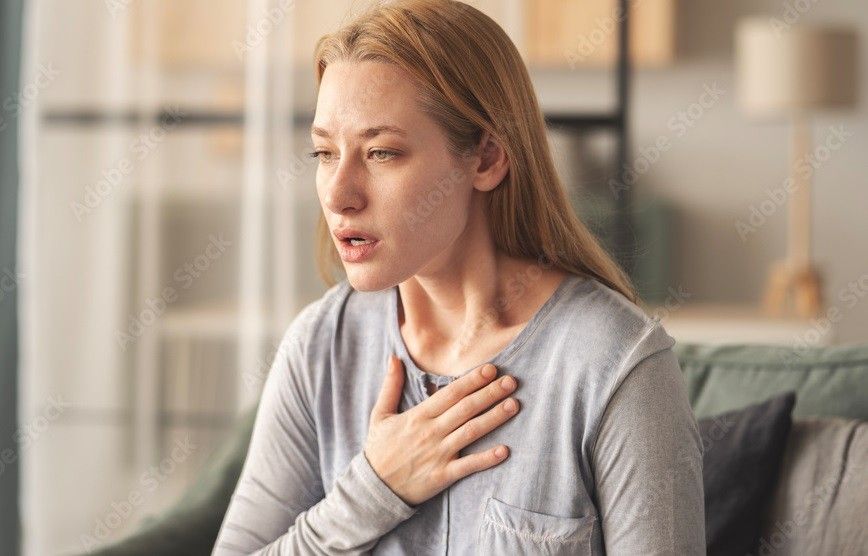
Shortness of breath, medically known as dyspnea, is a sensation of not being able to get enough air into your lungs. Most of us have experienced it at some point — sprinting to catch a bus, climbing a flight of stairs, or carrying heavy groceries. But what happens when you experience shortness of breath during normal activities, the kind that shouldn’t leave you gasping for air? That’s when it becomes a sign that something more serious may be going on.
This guide will explore the causes, symptoms, risk factors, and potential treatments for shortness of breath during everyday activities, along with practical tips for managing it. We’ll also look at when to seek medical attention, because while some causes are harmless, others require urgent care.
Understanding Shortness of Breath
Shortness of breath is a subjective experience — it’s how a person feels when their breathing becomes difficult. It’s different from normal exertion; everyone becomes winded during intense exercise. The problem arises when you feel breathless during normal daily activities, such as:
- Walking to the mailbox
- Climbing a single flight of stairs
- Carrying a light shopping bag
- Doing routine household chores
This type of dyspnea can interfere with daily life and may be a sign of an underlying medical condition.
Causes of Shortness of Breath During Normal Activities
Shortness of breath can be caused by heart problems, lung conditions, lifestyle factors, or other health issues. Let’s explore the most common causes in detail.
1. Respiratory Conditions
Respiratory issues are among the most frequent causes of dyspnea. Some of these include:
- Asthma: People with asthma have inflamed airways, which can narrow suddenly during physical activity or exposure to triggers like dust, pollen, or cold air. Even light activity can lead to wheezing and breathlessness.
- Chronic Obstructive Pulmonary Disease (COPD): COPD, which includes chronic bronchitis and emphysema, can cause progressive breathlessness. People often notice difficulty with normal tasks like walking or climbing stairs.
- Interstitial Lung Disease (ILD): This group of lung disorders causes scarring of the lung tissue, reducing lung capacity and making ordinary activities feel exhausting.
- Pulmonary Embolism: A blood clot in the lungs can lead to sudden and severe shortness of breath, often accompanied by chest pain and rapid heartbeat.
2. Cardiovascular Causes
The heart and lungs work closely together. When the heart cannot pump blood effectively, it can cause breathlessness. Key heart-related causes include:
- Heart Failure: The heart struggles to pump blood efficiently, leading to fluid buildup in the lungs and difficulty breathing even at rest.
- Coronary Artery Disease: Narrowed arteries reduce blood flow to the heart, which can cause shortness of breath during simple activities.
- Arrhythmias: Irregular heart rhythms, like atrial fibrillation, can make the heart less effective at circulating blood, leading to fatigue and dyspnea.
- Heart Valve Disorders: Malfunctioning heart valves can reduce blood flow and cause fluid buildup in the lungs.
3. Lifestyle and Environmental Factors
Sometimes, shortness of breath can be related to lifestyle or environmental factors, including:
- Obesity: Excess weight puts extra strain on the lungs and heart, making simple activities more tiring.
- Sedentary Lifestyle: A lack of regular physical activity weakens the muscles involved in breathing, making even minor exertion challenging.
- Poor Air Quality: Polluted environments or exposure to smoke can irritate the lungs and worsen breathlessness.
- Anemia: Low red blood cell count reduces the oxygen-carrying capacity of blood, leaving you breathless after minor effort.
4. Other Medical Conditions
Some other health conditions that can cause shortness of breath during normal activity include:
- Thyroid Disorders: Both hyperthyroidism and hypothyroidism can affect heart rate and metabolism, leading to fatigue and breathlessness.
- Anxiety and Panic Disorders: Anxiety can cause hyperventilation or a sensation of not getting enough air, sometimes mimicking a medical condition.
- Infections: Chronic respiratory infections or even recurrent colds can reduce lung function temporarily.
Symptoms Associated With Shortness of Breath
Shortness of breath rarely comes alone. The accompanying symptoms can help identify the underlying cause. Some common symptoms include:
- Chest Pain or Tightness: May indicate heart disease or lung conditions like pulmonary embolism.
- Rapid Heartbeat or Palpitations: Often seen with heart problems or anxiety.
- Wheezing: A hallmark of asthma or COPD.
- Cough: Persistent coughing may indicate respiratory disease or heart failure.
- Fatigue: Feeling unusually tired with minor activity can accompany many underlying causes.
- Swelling in Legs or Feet: Often associated with heart failure.
Noticing these symptoms can help you communicate effectively with your healthcare provider, which is critical for proper diagnosis.
When Shortness of Breath is Concerning
While occasional breathlessness can be normal, persistent or worsening dyspnea requires medical attention. Seek urgent care if you notice any of the following:
- Sudden onset of shortness of breath
- Chest pain or pressure
- Fainting or severe dizziness
- Swelling in legs or ankles
- Fever with difficulty breathing
These could indicate serious conditions like heart attack, pulmonary embolism, or severe infection.
Diagnosing the Cause of Shortness of Breath
If shortness of breath during normal activities becomes frequent or severe, a doctor will perform a thorough evaluation. This typically includes:
1. Medical History and Physical Exam
Your doctor will ask about:
- Onset and pattern of symptoms
- Daily activities that trigger breathlessness
- Past medical history, including heart and lung conditions
- Family history of cardiovascular or respiratory disease
A physical examination may include listening to your heart and lungs and checking oxygen levels.
2. Diagnostic Tests
Depending on your symptoms, your doctor may order:
- Chest X-ray or CT Scan: To check for lung problems such as infections, scarring, or tumors.
- Pulmonary Function Tests: Measure lung capacity and airflow to diagnose asthma, COPD, or other lung conditions.
- Echocardiogram: Ultrasound of the heart to assess heart function and detect heart failure or valve issues.
- Electrocardiogram (ECG): Measures heart rhythm and identifies abnormalities.
- Blood Tests: Check for anemia, thyroid function, infection, or heart strain markers.
Correct diagnosis is essential because treatment depends on the underlying cause.
Managing Shortness of Breath
Management strategies vary depending on the cause. Here are general approaches that can help alleviate symptoms and improve quality of life.
1. Lifestyle Changes
Simple adjustments can make a big difference in managing shortness of breath:
- Exercise Regularly: Low-impact activities like walking, swimming, or cycling strengthen the heart and lungs. Start slowly and increase gradually.
- Weight Management: Maintaining a healthy weight reduces strain on the lungs and heart.
- Quit Smoking: Smoking damages the lungs and worsens dyspnea.
- Improve Air Quality: Use air purifiers and avoid polluted environments when possible.
2. Breathing Techniques
Certain techniques can help you breathe more efficiently during everyday activities:
- Pursed-Lip Breathing: Inhale through your nose and exhale slowly through pursed lips. This helps keep airways open longer.
- Diaphragmatic Breathing: Focus on using your diaphragm rather than shallow chest breathing to maximize oxygen intake.
- Pacing Activities: Break tasks into smaller steps and take short breaks to avoid overexertion.
3. Medical Treatments
If lifestyle changes are insufficient, medications or therapies may be necessary:
- Inhalers or Bronchodilators: For asthma or COPD, these help open airways.
- Diuretics: Reduce fluid buildup in the lungs for heart failure patients.
- Oxygen Therapy: Used in chronic lung diseases to improve oxygen levels.
- Surgery or Procedures: In severe cases of heart valve disorders or lung problems, intervention may be required.
4. Mental Health Support
Anxiety and stress can worsen shortness of breath. Consider:
- Cognitive Behavioral Therapy (CBT): Helps manage anxiety triggers.
- Relaxation Techniques: Meditation, yoga, and mindfulness can improve breathing patterns.
Preventing Shortness of Breath
While not all causes can be prevented, these tips can help reduce the likelihood or severity of dyspnea:
- Stay Active: Engage in regular cardiovascular and strength training exercises.
- Maintain a Healthy Diet: Proper nutrition supports heart and lung health.
- Manage Chronic Conditions: Regularly take prescribed medications for heart, lung, or thyroid problems.
- Avoid Environmental Triggers: Minimize exposure to smoke, pollution, and allergens.
- Stay Hydrated: Dehydration can affect circulation and energy levels.
- Monitor Symptoms: Keep track of when and how shortness of breath occurs to help doctors assess patterns.
Living With Shortness of Breath
Shortness of breath during normal activities can be frustrating and anxiety-inducing. However, with proper management, most people can continue leading active lives. Here are practical tips for daily living:
- Plan Ahead: Allow extra time for walking or chores to avoid rushing.
- Use Supportive Tools: Walking aids, carts, or small portable oxygen devices can help when needed.
- Energy Conservation: Sit while performing tasks like cooking or dressing.
- Seek Support: Support groups for COPD, asthma, or heart disease patients can provide encouragement and practical advice.
When to Seek Medical Help
Persistent shortness of breath should never be ignored. See a doctor if you experience:
- Breathlessness that limits daily activities
- Increasing fatigue or weakness
- Chest pain or palpitations
- Swelling in legs, feet, or abdomen
- Severe cough or wheezing
Early intervention can prevent complications and improve outcomes.
Final Thought
Shortness of breath during normal activities is more than just an inconvenience — it’s a signal from your body that something may be wrong. The causes can range from lifestyle factors and mild conditions to serious heart or lung diseases. Understanding the symptoms, recognizing triggers, and seeking timely medical attention are crucial steps in managing this condition.
By adopting healthy lifestyle habits, using breathing techniques, following medical advice, and staying vigilant about changes in your body, you can reduce the impact of shortness of breath on your daily life. Remember, paying attention to your breath is not just about survival; it’s about living fully and comfortably.
FAQ’s
Q: Is shortness of breath during normal activities always serious?
A: Not always. Sometimes it’s due to temporary factors like poor fitness or mild respiratory infections. However, persistent or worsening dyspnea may indicate a serious condition and should be evaluated by a doctor.
Q: Can anxiety cause shortness of breath?
A: Yes. Anxiety or panic attacks can cause hyperventilation and a sensation of not getting enough air, which can mimic medical dyspnea.
Q: Can weight loss help reduce shortness of breath?
A: Yes. Reducing excess weight lessens strain on the heart and lungs, making everyday activities easier.
Q: Are there exercises to improve breathing?
A: Pursed-lip breathing, diaphragmatic breathing, and gentle cardio exercises can strengthen your lungs and improve breath control.
Q: When should I see a doctor immediately?
A: Seek urgent care if you have sudden severe breathlessness, chest pain, fainting, or swelling in legs or feet.
Q: Can shortness of breath be reversed?
A: Depending on the cause, it can often be managed or improved with proper treatment, lifestyle changes, and medical interventions.
Q: Can lifestyle changes improve shortness of breath?
Absolutely. Maintaining a healthy weight, exercising regularly, quitting smoking, and avoiding pollutants can reduce breathlessness. Even small changes, like pacing your activities or using breathing techniques, can make a significant difference.
Q: Can shortness of breath happen even if I’m young and healthy?
Yes. While more common in older adults or those with chronic conditions, even young and healthy individuals can experience breathlessness due to asthma, anemia, infections, anxiety, or overexertion. Persistent symptoms should still be checked.
Also Read: