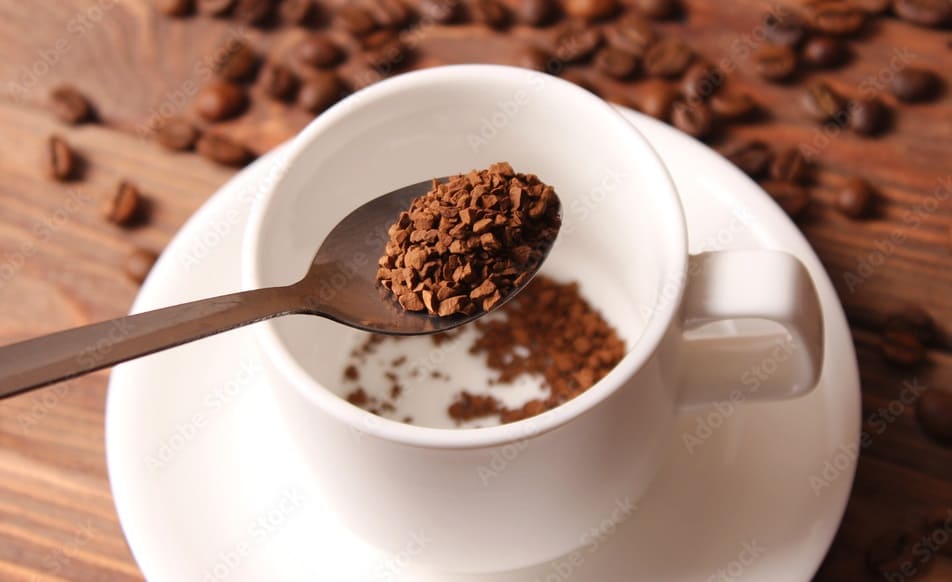
Coffee is more than just a drink — for many, it’s a ritual, a mood booster, and even a productivity hack. But in today’s fast-paced world, instant coffee has carved out a solid place. It’s fast, inexpensive, and requires no brewing equipment. All you need is hot water and a spoon.
Yet as its popularity grows, so do the questions: Is instant coffee good for you? Can it offer the same health perks as your morning French press or café latte? Or is it simply a processed shortcut with health trade-offs?
Let’s take a deep dive into the world of instant coffee to examine its ingredients, nutritional profile, benefits, risks, and how it stacks up against traditionally brewed coffee.
What is Instant Coffee?
Instant coffee is a type of coffee made from brewed coffee beans that have been processed and dehydrated. It’s made by roasting, grinding, brewing, and then dehydrating coffee beans. Essentially, it’s coffee that’s already been brewed, then turned into a powder or granules through either freeze-drying or spray-drying. This allows you to rehydrate it by simply adding water.
You’ll usually find it in two forms:
- Powder or granules (which dissolve instantly)
- Coffee crystals (more coarse, still dissolvable)
There are two main methods used to produce instant coffee:
1. Spray-Drying
Hot air is used to evaporate water from brewed coffee, leaving behind dry particles. This is fast and cost-effective but may reduce some flavor complexity.
2. Freeze-Drying
The coffee is frozen and then subjected to low-pressure evaporation. This method preserves more of the aroma and flavor, making it a premium option.
You’ll find instant coffee in jars, single-serve sachets, and even flavored varieties. Some brands also offer microground coffee blended with instant for a richer taste. Unlike brewing fresh coffee grounds, instant coffee takes just seconds to prepare, which is why it’s popular in households, offices, and even while traveling or camping.
Nutritional Profile of Instant Coffee: What’s in a Cup?
Let’s start by looking at its nutritional value. A basic cup of instant coffee (1–2 tsp in 8 oz hot water, black) contains:
| Nutrient | Average Amount |
|---|---|
| Calories | 2–4 kcal |
| Caffeine | 30–90 mg |
| Antioxidants | Moderate to high |
| Potassium | 35–50 mg |
| Magnesium | Trace amounts |
| Carbs | 0–1 g |
| Fats | 0 g |
| Protein | 0 g |
It’s low in calories, fat, and carbs — unless, of course, you add milk, sugar, or creamer. What’s often overlooked, though, is that it retains many of the same polyphenols and antioxidants found in brewed coffee.
Health Benefits of Instant Coffee
When consumed in moderation and without loads of sugar, instant coffee offers several science-backed health benefits.
1. Antioxidant Powerhouse
Coffee is one of the largest sources of antioxidants in the modern diet, surpassing even fruits and vegetables for some people. Instant coffee contains:
- Chlorogenic acid – Supports blood sugar control and fights inflammation.
- Caffeic acid – May have anticancer properties.
- Ferulic acid – Promotes brain and liver health.
In fact, a study published in the Journal of Agricultural and Food Chemistry found that instant coffee can contain more antioxidants than some brewed coffees due to concentration during drying.
2. Boosts Mental Alertness and Mood
Caffeine works by blocking adenosine, a neurotransmitter that promotes sleep and relaxation. This leads to increased:
- Dopamine (the “feel-good” hormone)
- Norepinephrine (increases alertness)
Even the modest caffeine in instant coffee (30–90 mg per cup) is enough to enhance concentration, memory, energy levels, and mood, especially in the morning.
3. Reduces Risk of Certain Chronic Diseases
Moderate coffee consumption is linked with a lower risk of several chronic illnesses, including:
- Type 2 diabetes: Studies show coffee drinkers have up to a 30% lower risk.
- Stroke and heart disease: Likely due to its anti-inflammatory and vascular benefits.
- Certain cancers: Particularly liver and colorectal cancers.
Many of these benefits are attributed to coffee’s antioxidant and anti-inflammatory compounds, which remain largely intact in the instant version.
4. Supports Liver Function
Several large observational studies have linked coffee (instant included) with a lower risk of cirrhosis, especially alcoholic cirrhosis. One study involving over 400,000 participants found that people who drank 3–4 cups of coffee daily had a 40–80% lower risk of liver diseases.
5. May Aid Weight Management and Fat Burning
Caffeine is a natural stimulant known to:
- Boost metabolic rate (by 3–11%)
- Improve physical performance
- Suppress appetite in some individuals
While the effect is modest and temporary, it’s worth noting — particularly for those using coffee as a pre-workout energy boost.
Potential Downsides of Instant Coffee
Despite the benefits, not everything about instant coffee is perfect. There are a few concerns, especially if consumed in large quantities or from low-quality brands.
1. Acrylamide Exposure
One notable concern is acrylamide, a chemical formed when coffee beans are roasted at high temperatures. Instant coffee has been shown to contain up to twice the acrylamide of regular coffee.
The International Agency for Research on Cancer classifies acrylamide as a “probable human carcinogen” based on animal studies. However, real-world levels found in coffee are low — far below toxic thresholds.
Still, long-term high consumption may increase cumulative exposure. To minimize risk:
- Stick to 1–3 cups per day.
- Choose brands tested for lower acrylamide content.
2. Lower Caffeine May Disappoint Some
Instant coffee usually contains less caffeine than brewed varieties. If you’re used to a strong cup of espresso, you may find instant coffee underwhelming unless you double the dose.
However, lower caffeine may be a plus for people with:
- High blood pressure
- Anxiety
- Pregnancy-related restrictions
3. Additives in Some Brands
Many commercial instant coffees, especially single-serve flavored sachets, contain additives like:
- Hydrogenated oils
- Artificial sweeteners
- Sugar
- Sodium
These reduce the health benefits and can increase your risk for weight gain or cardiovascular issues. Always read the label and opt for 100% coffee with no added ingredients.
4. Taste and Satisfaction
Let’s not forget flavor. Coffee connoisseurs often describe instant coffee as:
- Flat or thin
- Lacking depth
- Slightly bitter or acidic
This is a result of the drying process and absence of aromatic oils found in freshly brewed coffee. That said, some modern brands have vastly improved their flavor profiles with microground coffee blends.
Instant vs. Brewed Coffee: The Full Comparison
| Feature | Instant Coffee | Brewed Coffee |
|---|---|---|
| Preparation Time | Under 1 minute | 5–10 minutes |
| Convenience | High | Moderate |
| Equipment Needed | None | Coffee maker, filter, etc. |
| Caffeine Content | 30–90 mg per cup | 70–140 mg per cup |
| Acrylamide Level | Higher | Lower |
| Antioxidants | Slightly higher | High |
| Taste | Mild, basic | Rich, nuanced |
| Additives (if any) | Present in flavored varieties | Rare unless added manually |
| Cost per Serving | Low (₹2–₹10 or $0.10–$0.25) | Medium (₹10–₹30 or $0.25–$0.75) |
| Shelf Life | Very long (2+ years) | Shorter (especially ground coffee) |
Who Should Consider Instant Coffee?
Instant coffee isn’t for everyone, but it can be a fantastic option for certain people:
- Students: Affordable and easy to make in a dorm room.
- Office workers: No machines or cleanup needed.
- Travelers: Lightweight and portable.
- People with caffeine sensitivity: Lower caffeine per cup.
- Busy parents: Quick pick-me-up without the hassle.
Tips for Making Instant Coffee Healthier
There are simple ways to turn your instant cup into a healthier habit:
- Use pure instant coffee – avoid 3-in-1 sachets.
- Skip the sugar – use cinnamon, vanilla, or cocoa for flavor.
- Add a splash of plant-based milk – like oat, soy, or almond.
- Watch your total daily intake – stick to 2–3 cups.
- Stay hydrated – balance your caffeine with plenty of water.
Myths and Misconceptions About Instant Coffee
Let’s clarify some persistent misconceptions about instant coffee.
Myth 1: Instant Coffee Is Fake Coffee
Fact: Instant coffee is made from real beans. It’s simply brewed, dehydrated, and packaged for convenience.
Myth 2: It Has No Health Benefits
Fact: It contains antioxidants, minerals, and compounds that offer many of the same benefits as regular coffee.
Myth 3: It’s Dangerous Due to Chemicals
Fact: Acrylamide levels are regulated and very low. When consumed in moderation, it’s not harmful.
Myth 4: It’s Always Lower Quality
Fact: While some budget brands use inferior beans, premium instant coffee brands use high-quality arabica beans and better processing methods.
Myth 5: It Causes Cancer
Fact: The levels of acrylamide in instant coffee are very low and unlikely to cause harm unless consumed in extremely large quantities daily.
Final Thoughts: Is Instant Coffee Good for You?
Yes, instant coffee can be good for you — if you choose wisely and drink in moderation.
It delivers many of the health benefits of brewed coffee, including antioxidant protection, brain stimulation, and potential disease prevention. It’s lower in caffeine, which may be better for some, and is incredibly convenient for modern lifestyles.
But be mindful of:
- Additives and hidden sugars
- Acrylamide exposure (if drinking excessively)
- Brand quality and sourcing
If you’re looking for a fast, affordable, and reasonably healthy caffeine fix, instant coffee is absolutely worth considering.
Recommended:
- Choose brands like Mount Hagen, Nescafé Gold, or Bru Gold (India) for better quality.
- Avoid sweetened sachets if health is your priority.
- Try mixing with spices or unsweetened cocoa for added antioxidants and flavor.
FAQ’s
Is instant coffee real coffee?
Yes, instant coffee is made from real coffee beans that are roasted, ground, brewed, and then dried into a soluble powder or granules. It’s just a more convenient and shelf-stable form of coffee.
Does instant coffee have less caffeine than brewed coffee?
Typically, yes. Instant coffee contains about 30–90 mg of caffeine per cup, whereas brewed coffee usually ranges from 70–140 mg, depending on the method and bean type.
Is instant coffee bad for your health?
In moderation, instant coffee is not bad for your health. It contains antioxidants and has been linked to benefits like reduced risk of type 2 diabetes, improved brain function, and liver protection. Just avoid brands with added sugars or artificial ingredients.
Does instant coffee contain acrylamide?
Yes, instant coffee tends to contain more acrylamide than brewed coffee due to the roasting and drying process. While it’s a potential carcinogen in high amounts, the levels found in coffee are low and considered safe when consumed in moderation.
Can I drink instant coffee every day?
Absolutely, as long as you’re mindful of your overall caffeine intake and avoid overly processed versions with sugar and additives. For most people, 1–3 cups per day is perfectly safe.
Is instant coffee good for weight loss?
Instant coffee contains caffeine, which may boost metabolism and reduce appetite temporarily. However, weight loss depends on your total diet and lifestyle. Drinking black instant coffee (without sugar or cream) is a low-calorie beverage.
Which is healthier: instant coffee or brewed coffee?
Both can be healthy. Instant coffee has similar antioxidants and nutrients but slightly less caffeine and more acrylamide. Brewed coffee may offer a richer flavor and lower acrylamide content. It comes down to your health goals and preferences.
Does instant coffee cause dehydration?
Not significantly. While caffeine has a mild diuretic effect, the water content in a cup of coffee more than makes up for it. Unless you consume coffee excessively, it won’t dehydrate you.
Can I drink instant coffee during pregnancy?
Moderate caffeine consumption (under 200 mg per day) is generally considered safe during pregnancy. Since instant coffee is lower in caffeine, it may be a better option — but always consult with your healthcare provider.
Is flavored instant coffee healthy?
Flavored instant coffees often contain added sugars, creamers, or artificial ingredients, which can reduce their health value. For the healthiest option, choose pure instant coffee and flavor it yourself with cinnamon or plant-based milk.
Also Read: