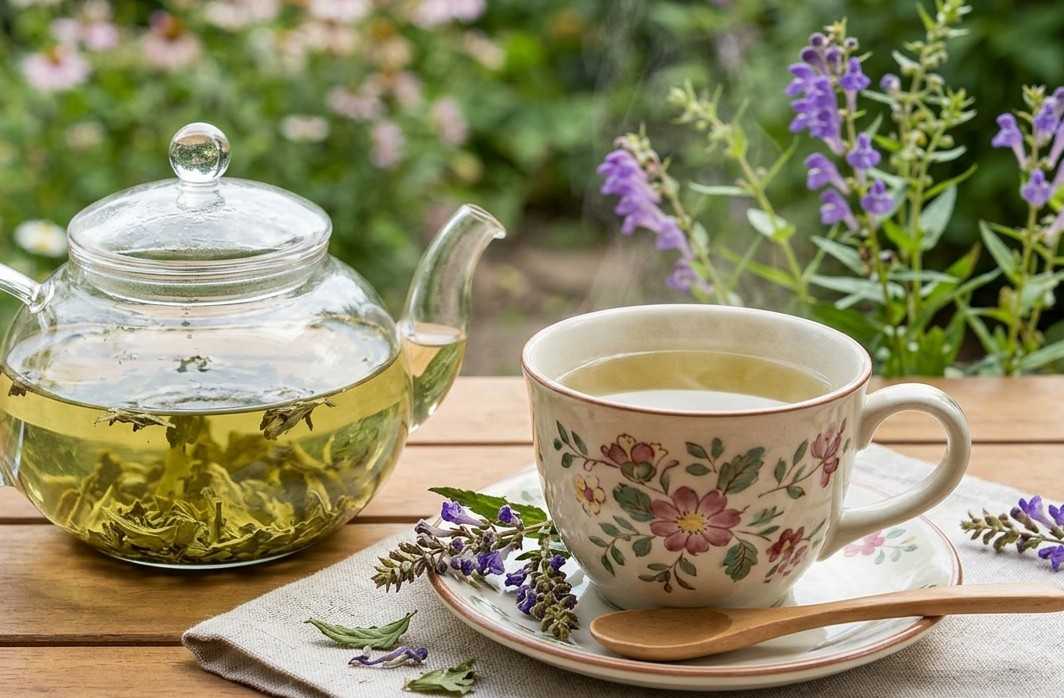
Herbal teas have been used for centuries to calm the mind, support the body, and promote overall wellness. Among these traditional remedies, Skullcap Tea stands out as a powerful calming herb known for its effects on anxiety, sleep, and nervous system balance. If you are looking for a natural tea to relax your mind and ease stress, skullcap may be worth exploring.
In this guide, you will learn everything about Skullcap Tea, including its proven health benefits, possible side effects, preparation methods, dosage, precautions, and who should or should not drink it.
What is Skullcap Tea?
Skullcap Tea is an herbal infusion made from the dried leaves and stems of the skullcap plant, scientifically known as Scutellaria lateriflora. It belongs to the mint family (Lamiaceae) and is native to North America.
The name “skullcap” comes from the shape of its small blue flowers, which resemble miniature helmets or medieval skull caps. Traditionally, Native American tribes and early herbalists used skullcap as a calming nervine herb to support mental clarity, reduce anxiety, and relieve nervous tension.
There are different species of skullcap, but American skullcap (Scutellaria lateriflora) is most commonly used for tea and medicinal purposes. Chinese skullcap (Scutellaria baicalensis) is another species used in Traditional Chinese Medicine, but it is typically used in extracts and formulas rather than tea. Skullcap Tea is primarily consumed for its calming, anti-anxiety, sleep-supporting, and mild pain-relieving properties.
Components of Skullcap Tea
Below is an approximate nutritional and phytochemical profile of Skullcap Tea (per 1 cup brewed from 1 teaspoon dried herb):
| Nutrient / Compound | Approximate Amount | Function |
|---|---|---|
| Calories | 2–5 kcal | Minimal energy |
| Carbohydrates | <1 g | Trace amounts |
| Protein | 0 g | Negligible |
| Fat | 0 g | None |
| Fiber | 0 g | None |
| Baicalin (Flavonoid) | Present | Anti-inflammatory, calming |
| Scutellarin | Present | Antioxidant |
| Wogonin | Present | Neuroprotective |
| Apigenin | Present | Mild sedative effect |
| Tannins | Small amount | Astringent properties |
| Essential oils | Trace | Aromatic and therapeutic effects |
The exact concentration depends on the species, growing conditions, and brewing method.
20 Science-Backed Benefits of Skullcap Tea
- Reduces Anxiety Naturally – Skullcap tea contains flavonoids like baicalin that may help calm the nervous system and reduce mild to moderate anxiety symptoms.
- Supports Better Sleep – Its mild sedative properties promote relaxation and may improve sleep quality in people with insomnia.
- Calms Nervous Tension – Skullcap acts as a nervine tonic, helping reduce restlessness, irritability, and nervous agitation.
- May Help with Stress Management – By supporting GABA activity in the brain, skullcap tea may reduce the body’s stress response.
- Eases Muscle Tension – Skullcap may help relax tight or tense muscles caused by stress or anxiety.
- Supports Mood Balance – Its calming compounds may help stabilize mood swings related to nervous exhaustion.
- Provides Antioxidant Protection – Skullcap contains flavonoids that help neutralize harmful free radicals in the body.
- May Help Reduce Inflammation – Baicalin and related compounds have shown anti-inflammatory effects in laboratory studies.
- Supports Brain Health – Skullcap’s neuroprotective compounds may help protect brain cells from oxidative damage.
- May Help Relieve Headaches – Its relaxing effects on muscles and nerves may reduce tension headaches.
- Supports Mild Pain Relief – Skullcap has been traditionally used for minor pain due to its calming and anti-inflammatory effects.
- May Help with PMS Symptoms – Skullcap tea may ease mood swings, irritability, and cramps linked to premenstrual syndrome.
- Supports Cardiovascular Health – Antioxidants in skullcap may contribute to healthy blood vessel function.
- May Reduce Mild Seizure Activity – Historically, skullcap was used as an anticonvulsant, though modern research is still limited.
- Supports Detoxification Pathways – Certain compounds may assist liver function, although evidence is preliminary.
- May Help Reduce Restlessness in ADHD – Some herbalists use skullcap to calm hyperactivity, though scientific evidence remains limited.
- Supports Recovery from Nervous Exhaustion – Skullcap has been traditionally used for burnout and mental fatigue.
- May Help with Alcohol Withdrawal Support – Historically used to reduce nervous symptoms during withdrawal, though not a substitute for medical care.
- Promotes Relaxation Without Strong Sedation – Skullcap calms the mind without causing heavy drowsiness in moderate doses.
- May Support Gut-Brain Connection – By reducing stress, skullcap tea may indirectly improve stress-related digestive discomfort.
10 Side Effects of Skullcap Tea
- Drowsiness – Skullcap tea may cause sleepiness, especially when taken in high doses or combined with sedatives.
- Dizziness – Some individuals may experience lightheadedness after drinking skullcap tea.
- Low Blood Pressure – Skullcap may slightly lower blood pressure in sensitive individuals.
- Liver Concerns in Rare Cases – Rare reports of liver toxicity have been linked to adulterated or misidentified skullcap products.
- Allergic Reactions – People allergic to plants in the mint family may experience mild allergic symptoms.
- Digestive Upset – Nausea or stomach discomfort may occur in high doses.
- Interaction with Sedative Medications – Skullcap may enhance the effects of sleeping pills or anti-anxiety medications.
- Interaction with Antidepressants – It may theoretically interfere with certain psychiatric medications.
- Not Safe During Pregnancy – Skullcap may stimulate uterine activity and is not recommended for pregnant women.
- Not Recommended for Breastfeeding Mothers – There is insufficient safety data for nursing mothers.
How to Make Skullcap Tea?
Making Skullcap Tea at home is simple.
Ingredients:
- 1 teaspoon dried skullcap herb
- 1 cup hot water
Instructions:
- Boil fresh water and let it cool slightly for 30 seconds.
- Add the dried skullcap herb to a cup.
- Pour hot water over the herb.
- Cover and steep for 10–15 minutes.
- Strain and drink warm.
For stronger effects, you can steep up to 20 minutes. Some people combine skullcap with chamomile, lemon balm, or passionflower for enhanced relaxation.
Other Uses of Skullcap Tea
Skullcap is not only used as a tea but also in various other forms:
- Tinctures and liquid extracts
- Capsules and tablets
- Herbal blends for sleep
- Stress relief formulations
- Traditional herbal tonics
- Compresses for mild inflammation
- Included in herbal smoking blends (not recommended for health)
How Much Skullcap Tea Can You Drink a Day?
The typical safe dosage:
- 1 to 3 cups per day
- Each cup made with 1 teaspoon dried herb
For beginners, start with 1 cup per day and observe how your body reacts. Higher doses should only be taken under guidance from a qualified herbalist or healthcare professional.
Tips for Consuming Skullcap Tea
- Start with a small dose to assess tolerance.
- Drink in the evening if using for sleep.
- Avoid driving or operating heavy machinery after consumption.
- Purchase high-quality, certified herbs from reputable suppliers.
- Do not combine with alcohol.
- Store dried skullcap in an airtight container away from sunlight.
Best Time to Drink Skullcap Tea
The best time depends on your goal:
- For sleep: 30–60 minutes before bedtime
- For anxiety: Late afternoon or early evening
- For stress relief: After work or during high-stress periods
- For muscle tension: When symptoms arise
Who Should Drink Skullcap Tea?
Skullcap tea may be beneficial for:
- Adults experiencing mild anxiety
- Individuals with stress-related insomnia
- People with nervous tension
- Those experiencing burnout or mental fatigue
- Individuals looking for natural relaxation support
- People with mild PMS mood symptoms
Who Should Not Drink Skullcap Tea?
Skullcap tea is not recommended for:
- Pregnant women
- Breastfeeding mothers
- Children without medical supervision
- People with liver disease
- Individuals taking sedative medications
- People with low blood pressure
- Anyone scheduled for surgery
- Individuals with severe psychiatric conditions
Precautions and Interactions
Skullcap tea may interact with several medications and conditions.
Possible Interactions:
- Benzodiazepines (e.g., diazepam)
- Sleeping pills
- Antidepressants
- Anti-anxiety medications
- Blood pressure medications
- Alcohol
Safety Precautions:
- Always consult a healthcare provider before use if you have a medical condition.
- Stop use at least two weeks before surgery.
- Avoid combining with other strong sedative herbs unless advised.
- Choose authentic Scutellaria lateriflora to avoid adulteration.
- Monitor liver health if using long term.
Final Thoughts
Skullcap Tea is a traditional herbal remedy valued for its calming and nervous system-supporting effects. It may help reduce anxiety, improve sleep, ease muscle tension, and support overall mental well-being. While generally safe in moderate amounts, it is important to use it responsibly and consult a healthcare professional if you have underlying health conditions or take medications. Like many herbal remedies, skullcap tea works best when combined with healthy lifestyle habits such as stress management, proper sleep, balanced nutrition, and regular exercise.
FAQ’s
What is skullcap tea good for?
Skullcap tea is mainly used to reduce anxiety, stress, and nervous tension. It may also support better sleep, relaxation, and mild tension headaches.
Is skullcap tea good for nerve pain?
Skullcap tea may help calm irritated nerves and ease mild nerve-related discomfort due to its relaxing properties. However, evidence is limited, and it should not replace medical treatment for chronic nerve pain.
What does Skullcap Tea taste like?
Skullcap tea has a mild, slightly bitter, and earthy flavor with subtle grassy notes. Many people blend it with chamomile, peppermint, or lemon balm to improve the taste.
Is Skullcap Tea safe to drink daily?
Skullcap tea is generally safe when consumed in moderate amounts, such as 1–3 cups per day. Long-term daily use should be discussed with a healthcare professional.
How long does Skullcap Tea take to work?
Most people feel calming effects within 30 to 60 minutes after drinking it. The response time can vary depending on individual sensitivity and dosage.
Can Skullcap Tea help with anxiety?
Skullcap tea is traditionally used to reduce mild anxiety and nervous tension. Some research suggests its flavonoids may support calming brain activity.
Does Skullcap Tea make you sleepy?
It can promote relaxation and mild drowsiness, especially in higher doses. However, in moderate amounts, it usually causes calmness without heavy sedation.
Can I drink Skullcap Tea before bed?
Yes, it is commonly consumed 30–60 minutes before bedtime to support restful sleep. It pairs well with other calming herbs for nighttime use.
Is Skullcap Tea safe during pregnancy?
Skullcap tea is not recommended during pregnancy due to insufficient safety data. Pregnant women should consult a healthcare provider before using herbal teas.
Can Skullcap Tea affect the liver?
Rare cases of liver concerns have been linked to contaminated or misidentified skullcap products. Using high-quality, verified sources reduces this risk.
How much Skullcap Tea is too much?
More than 3–4 cups per day may increase the risk of side effects like excessive drowsiness or dizziness. It is best to stay within recommended limits.
Can children drink Skullcap Tea?
Skullcap tea is not typically recommended for children unless advised by a qualified healthcare provider. Dosage adjustments are necessary for younger individuals.
Is Skullcap Tea addictive?
Skullcap tea is not known to be addictive. It does not create dependency when consumed in moderate amounts.
Can Skullcap Tea help with headaches?
It may help reduce tension headaches due to its relaxing effects on muscles and nerves. However, it is not a substitute for medical treatment of chronic headaches.
Does Skullcap Tea lower blood pressure?
Skullcap may have mild blood pressure-lowering effects in some individuals. People with low blood pressure should use caution.
Can I combine Skullcap Tea with other herbal teas?
Yes, it is often combined with chamomile, passionflower, or lemon balm for enhanced calming effects. Ensure you are not combining multiple strong sedative herbs without guidance.
How should Skullcap Tea be stored?
Store dried skullcap in an airtight container away from moisture, heat, and direct sunlight. Proper storage helps preserve its potency.
Is Skullcap Tea the same as Chinese skullcap?
American skullcap (Scutellaria lateriflora) is commonly used for tea, while Chinese skullcap (Scutellaria baicalensis) is used mainly in traditional Chinese medicine formulas. They have different traditional uses and chemical profiles.
Can Skullcap Tea help with stress-related digestive issues?
By calming the nervous system, skullcap tea may indirectly support digestion affected by stress. However, it is not a primary digestive remedy.
Should I drink Skullcap Tea on an empty stomach?
It can be consumed on an empty stomach, but sensitive individuals may prefer drinking it after a light meal. This may help reduce the chance of mild nausea.
Also Read: