
Sleep. It’s one of the most fundamental things our bodies need to function properly. But what happens when sleep is constantly disrupted—not by noisy neighbors or stress, but by something going on inside your body?
This is where sleep apnea comes in. A surprisingly common yet often undiagnosed condition, sleep apnea doesn’t just impact the quality of your rest—it can affect your overall health in serious ways. In this guide, we’ll dive deep into what sleep apnea is, the different types, symptoms you shouldn’t ignore, potential health risks, diagnosis, treatment options, and how to manage it for better sleep and better health.
What is Sleep Apnea?
Sleep apnea is a sleep disorder characterized by repeated interruptions in breathing during sleep. These breathing pauses can last from a few seconds to minutes and may occur 30 times or more per hour.
When you stop breathing, your body jolts you awake briefly—often so quickly you don’t even realize it. The result? Poor sleep quality, excessive daytime fatigue, and potential long-term health risks.
Types of Sleep Apnea
There are three main types of sleep apnea:
1. Obstructive Sleep Apnea (OSA)
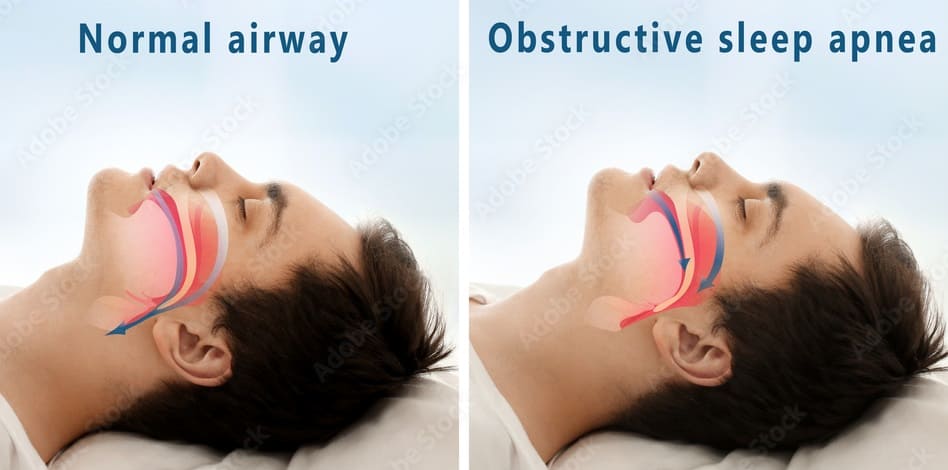
This is the most common type. It occurs when the muscles at the back of your throat relax too much, causing the airway to narrow or close completely.
2. Central Sleep Apnea (CSA)
CSA happens when your brain fails to send proper signals to the muscles that control breathing. It’s less common and usually associated with underlying medical conditions or medications.
3. Complex or Mixed Sleep Apnea
This is a combination of both OSA and CSA. People with this form usually start with OSA, but when treated with CPAP (a standard therapy), they show signs of CSA as well.
Symptoms of Sleep Apnea
Recognizing sleep apnea can be tricky because many symptoms occur while you’re asleep. Still, there are key signs to watch for:
During Sleep:
- Loud, persistent snoring
- Gasping or choking sounds
- Pauses in breathing observed by a partner
- Restless tossing and turning
- Night sweats
- Waking up suddenly, short of breath
During the Day:
- Morning headaches
- Dry mouth or sore throat upon waking
- Excessive daytime sleepiness
- Difficulty concentrating
- Irritability or mood swings
- Depression or anxiety
- Memory problems
Risk Factors and Causes of Sleep Apnea
Several factors can increase your risk of developing sleep apnea. Some are lifestyle-related, while others are biological or medical.
Common Causes:
- Relaxation of throat muscles during sleep
- Narrow or blocked airway
- Brain signal failure (in central sleep apnea)
Risk Factors:
- Obesity: Excess weight increases fat deposits around the upper airway.
- Age: Risk increases as you get older.
- Gender: Men are more likely to develop sleep apnea.
- Family History: Genetics may play a role.
- Neck Circumference: A thicker neck can mean a narrower airway.
- Alcohol Use: Relaxes throat muscles, making obstruction more likely.
- Smoking: Increases inflammation and fluid retention in the airway.
- Medical Conditions: Congestive heart failure, Parkinson’s, or polycystic ovary syndrome (PCOS).
- Nasal Congestion: Trouble breathing through the nose can worsen symptoms.
Complications of Untreated Sleep Apnea
Leaving sleep apnea untreated can do more than just ruin your sleep. It may lead to serious health issues:
- High blood pressure (hypertension)
- Heart disease and irregular heartbeats (arrhythmias)
- Type 2 diabetes
- Stroke
- Liver problems
- Daytime fatigue leading to accidents
- Complications during surgery or medication administration
- Cognitive issues like memory loss and poor concentration
How Sleep Apnea is Diagnosed?
If you suspect you or a loved one may have sleep apnea, it’s crucial to consult a healthcare provider. Diagnosis typically involves:
1. Medical History and Physical Exam
Your doctor will ask about symptoms, lifestyle, and any known risk factors. They may also check your neck size and airway.
2. Sleep Study (Polysomnography)
A comprehensive overnight test conducted in a sleep lab. It monitors brain activity, eye movement, oxygen levels, heart rate, breathing patterns, and limb movements.
3. Home Sleep Apnea Testing
In some cases, a simplified version of the sleep study can be done at home using a portable monitor.
Treatments for Sleep Apnea
The right treatment for sleep apnea depends on its type (obstructive, central, or mixed), severity, and your overall health. Some people benefit from simple lifestyle changes, while others require medical devices or surgical intervention. Here’s a complete breakdown of available treatments:
1. Lifestyle Changes (First-Line for Mild Cases)
These adjustments can significantly reduce symptoms and, in some cases, resolve mild obstructive sleep apnea:
- Lose excess weight: Even modest weight loss can reduce airway pressure and improve symptoms.
- Avoid alcohol and sedatives: These relax the throat muscles, increasing the risk of obstruction.
- Quit smoking: Smoking increases airway inflammation and fluid retention.
- Change sleep position: Sleeping on your back worsens apnea for many people. Try side-sleeping or using a positional therapy device.
- Establish regular sleep schedules: Consistency in sleep timing helps regulate your body’s rhythms.
- Treat allergies and nasal congestion: Clear nasal passages improve airflow during sleep.
2. CPAP (Continuous Positive Airway Pressure) Therapy
The most commonly prescribed and effective treatment for moderate to severe obstructive sleep apnea.
- A CPAP machine delivers a continuous stream of air through a mask to keep the airway open.
- It improves breathing, reduces snoring, and enhances sleep quality.
- While highly effective, some people find it uncomfortable and may require time to adjust.
3. BiPAP and APAP Machines
Alternative positive airway pressure devices:
- BiPAP (Bilevel Positive Airway Pressure): Provides two pressure settings—higher during inhalation and lower during exhalation. Often used for people with central sleep apnea or those who can’t tolerate CPAP.
- APAP (Automatic Positive Airway Pressure): Automatically adjusts pressure levels based on real-time breathing patterns.
4. Oral Appliances
Custom-made dental devices can help in mild to moderate OSA:
- Reposition the jaw and tongue to maintain an open airway.
- Best for those who cannot tolerate CPAP.
- Must be fitted by a dentist trained in sleep apnea care.
5. Surgery
When other treatments fail, surgery may be an option:
- Uvulopalatopharyngoplasty (UPPP): Removes tissue from the throat to widen the airway.
- Genioglossus advancement (GA): Moves the tongue muscle forward.
- Maxillomandibular advancement (MMA): Repositions upper and lower jaw.
- Inspire therapy (hypoglossal nerve stimulation): A surgically implanted device that stimulates throat muscles to keep the airway open.
- Tonsillectomy/adenoidectomy: Often used for children with sleep apnea.
6. Adaptive Servo-Ventilation (ASV)
Used primarily for central sleep apnea, ASV is a more advanced form of BiPAP:
- Continuously monitors breathing patterns.
- Adjusts airflow to stabilize breathing and prevent pauses.
7. Medication (Limited Use)
- Medications are not primary treatments for sleep apnea but may be used in some cases to manage symptoms like daytime sleepiness (e.g., modafinil or armodafinil).
- Central sleep apnea caused by heart failure may respond to medications treating the underlying condition.
8. Complementary Therapies
While not replacements for medical treatment, these may support symptom relief:
- Oropharyngeal exercises (throat and tongue exercises)
- Breathing exercises (such as Buteyko or pranayama)
- Acupuncture (early research shows potential, but more studies needed)
- Positional therapy tools like vibrating sensors or special belts to discourage back sleeping
9. Treatment for Children with Sleep Apnea
- Often caused by enlarged tonsils/adenoids.
- Tonsillectomy/adenoidectomy is the most common and effective treatment.
- CPAP or dental appliances may be used in some cases.
- Weight management and allergy control are also helpful.
Natural Remedies for Sleep Apnea
Here are some natural ways for sleep apnea that may help reduce symptoms—especially in mild cases or when used alongside medical treatment:
1. Weight Loss
Excess body fat, especially around the neck and abdomen, can restrict airways. Losing even a small amount of weight can significantly reduce or eliminate sleep apnea episodes.
2. Sleep Position Adjustment
Sleeping on your back can cause your tongue and soft tissues to block your airway. Try sleeping on your side to improve airflow. You can use a body pillow or positional therapy devices to help maintain side sleeping.
3. Exercise Regularly
Daily aerobic exercise helps improve respiratory strength and cardiovascular health. Even light activities like walking or yoga can enhance sleep quality and reduce sleep apnea severity.
4. Avoid Alcohol and Sedatives
Alcohol and sedative medications relax the muscles of the throat, increasing the risk of airway collapse. Avoid these substances, especially in the evening.
5. Quit Smoking
Smoking increases inflammation and fluid retention in the airway, worsening sleep apnea. Quitting can improve breathing and reduce episodes over time.
6. Maintain Regular Sleep Hours
Going to bed and waking up at the same time each day helps regulate your sleep cycle. Consistency promotes deeper, more restful sleep.
7. Use a Humidifier
Dry air can irritate the airway. A humidifier adds moisture to the air, helping to reduce congestion and improve breathing during sleep.
8. Nasal Breathing Aids
Saline nasal sprays, nasal strips, or breathing devices (like a neti pot or nasal dilator) can help open nasal passages and improve airflow.
9. Throat Exercises (Oropharyngeal Exercises)
Exercises that strengthen the tongue, soft palate, and throat muscles can reduce snoring and improve muscle tone around the airway. Examples:
- Repeatedly sliding your tongue along the roof of your mouth
- Saying vowel sounds out loud
- Blowing up a balloon
10. Treat Allergies Naturally
Chronic nasal congestion worsens sleep apnea. Natural remedies like steam inhalation, saline rinses, or using eucalyptus oil can help clear nasal passages.
Important Note:
While these natural remedies can be helpful, they may not be enough for moderate to severe cases of sleep apnea. Always consult a healthcare professional before trying to treat sleep apnea on your own, especially if you’re experiencing significant symptoms like gasping during sleep or excessive daytime fatigue.
Coping with Sleep Apnea: Day-to-Day Strategies
Living with sleep apnea can feel overwhelming at times, but effective management can make a significant difference. Here’s how to navigate everyday life with the condition:
- Stick to Your Treatment: Whether it’s using CPAP or a mouthpiece, consistency is key. Results often come gradually.
- Establish a Sleep Routine: Go to bed and wake up at the same time every day—even on weekends.
- Optimize Sleep Environment: Dark, quiet, cool rooms help promote restful sleep. Consider blackout curtains and white noise machines.
- Track Your Sleep: Use sleep apps or journals to monitor how well you’re sleeping and note any patterns.
- Communicate: Talk to your doctor regularly about your symptoms, and don’t hesitate to ask questions or request adjustments.
Sleep Apnea in Children
Yes, children can have sleep apnea too—often caused by enlarged tonsils or adenoids.
Symptoms in Kids:
- Snoring
- Bedwetting
- Hyperactivity
- Learning difficulties
- Poor growth
If you suspect your child has sleep apnea, talk to a pediatrician. Treatment may involve removing tonsils/adenoids or using CPAP in severe cases.
Prevention Tips of Sleep Apnea
While not all cases of sleep apnea can be prevented, these steps can help reduce your risk:
- Maintain a healthy weight
- Get regular exercise
- Avoid alcohol, especially at night
- Don’t smoke
- Treat allergies or nasal congestion
- Use a humidifier if your room is too dry
- Practice good sleep hygiene
FAQ’s
Is sleep apnea dangerous?
Yes, Untreated sleep apnea can lead to high blood pressure, heart disease, stroke, diabetes, and even increase the risk of accidents due to fatigue.
Can sleep apnea be treated?
Yes, Treatment options include lifestyle changes, CPAP therapy, oral appliances, and sometimes surgery, depending on the severity and type.
Can I manage sleep apnea without a CPAP machine?
Mild cases may be managed with lifestyle changes or oral appliances. However, moderate to severe cases often require CPAP therapy or other medical interventions.
Is sleep apnea more common in men or women?
Sleep apnea is more common in men, but it can affect women, especially after menopause.
Can children have sleep apnea?
Yes, Children can develop sleep apnea, often due to enlarged tonsils or adenoids. Symptoms may include snoring, bedwetting, hyperactivity, and learning issues.
Can losing weight cure sleep apnea?
In many cases, weight loss can significantly reduce or even eliminate sleep apnea symptoms, especially for those with obesity-related OSA.
Does sleep apnea affect mental health?
Yes, Poor sleep from sleep apnea can contribute to depression, anxiety, mood swings, and cognitive decline over time.
Can sleep apnea go away on its own?
Mild cases may improve with weight loss or lifestyle changes. However, moderate to severe sleep apnea usually requires medical intervention.
Can I treat sleep apnea naturally?
Lifestyle changes like weight loss, quitting smoking, and changing sleep positions can help, but may not fully treat moderate or severe cases.
Do I need a CPAP forever?
It depends, Some people need it long-term, while others may improve with weight loss or surgery. Regular follow-ups are imp
How do you fix sleep apnea?
Sleep apnea can be managed or improved with a combination of treatments. These include lifestyle changes (like weight loss, quitting smoking, and changing sleep positions), medical devices such as CPAP (Continuous Positive Airway Pressure) machines, oral appliances, or in some cases, surgery. The right treatment depends on the severity and type of sleep apnea.
How do I know if I suffer from sleep apnea?
Common signs include loud snoring, gasping or choking during sleep, excessive daytime fatigue, morning headaches, and difficulty concentrating. If a partner observes pauses in your breathing while you sleep, it’s a strong indicator. A proper diagnosis requires a sleep study conducted in a lab or at home under medical guidance.
What age does sleep apnea start?
Sleep apnea can begin at any age—even in children—but it’s most common in adults over 40. Risk increases with age, weight gain, and certain medical conditions, but young adults and even teenagers can also develop sleep apnea.
How long can I live with sleep apnea?
With proper treatment, many people with sleep apnea live long and healthy lives. However, untreated sleep apnea increases the risk of heart disease, stroke, type 2 diabetes, and accidents due to fatigue—factors that can shorten lifespan if ignored.
Can skinny people have sleep apnea?
Yes, While obesity is a major risk factor, thin people can also develop sleep apnea. Causes may include genetics, a narrow airway, facial structure, enlarged tonsils, or neurological issues. Weight is just one piece of the puzzle.
Is snoring sleep apnea?
Not always, While loud snoring is a common symptom of sleep apnea, not all snorers have the disorder. Sleep apnea is usually marked by snoring combined with pauses in breathing, gasping, and daytime fatigue. A sleep test is needed to determine if it’s more than just snoring.
Is there a pillow that helps with sleep apnea?
Yes, Specialized sleep apnea pillows are designed to support proper head and neck alignment, promote side-sleeping, or accommodate CPAP masks. Wedge pillows or contour pillows can also help reduce airway obstruction and improve breathing during sleep.
Final Thoughts
Sleep apnea isn’t just about snoring—it’s a serious medical condition that deserves attention and care. The good news is that with proper diagnosis and treatment, you can sleep better, feel more energized, and improve your long-term health.
If you think you or someone close to you might have sleep apnea, don’t ignore the signs. A simple conversation with your doctor and a sleep test could change everything.
Also Read: