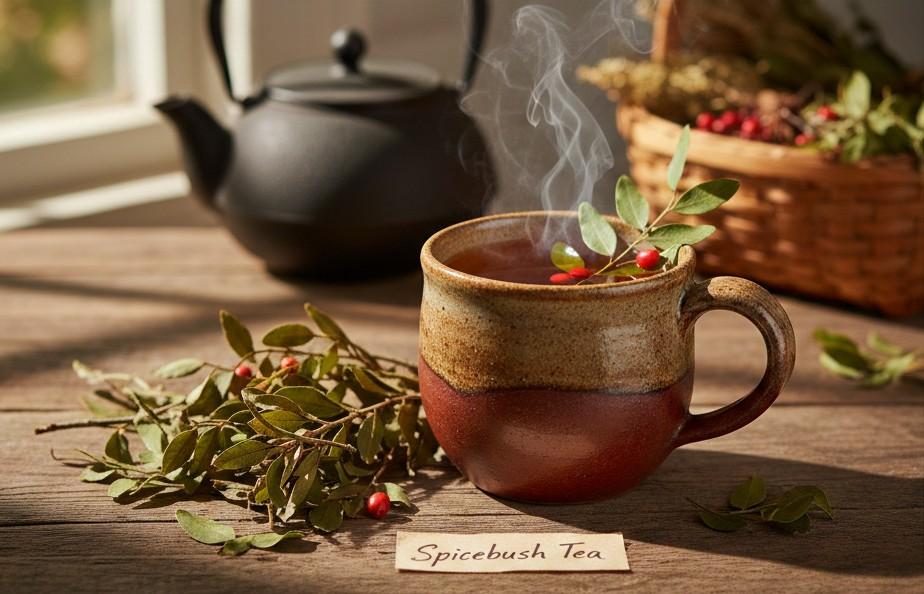
Herbal teas have been valued across cultures for their flavor, aroma, and potential wellness benefits. One lesser-known yet intriguing option is spicebush tea, an infusion made from parts of the spicebush plant known for its warm, spicy fragrance and traditional medicinal uses. Although not as mainstream as chamomile or green tea, spicebush tea has been used in folk traditions for digestion, circulation, and general vitality. This guide explores what spicebush tea is, its proven health benefits, possible side effects, preparation methods, and practical consumption advice.
What is Spicebush Tea?
Spicebush tea is an herbal infusion made from the leaves, bark, or berries of the spicebush shrub, a deciduous plant traditionally used in North American herbal practices. The tea is typically prepared by steeping dried plant material in hot water, producing a beverage with a mildly spicy, citrus-like flavor and earthy undertones.
Historically, Indigenous communities and early settlers used spicebush as both a culinary spice and a natural remedy. Its components have been associated with warming properties, digestive comfort, and mild stimulation. Today, spicebush tea is consumed mainly as a caffeine-free herbal alternative valued for its aroma and potential health benefits.
It is important to note that modern scientific research on spicebush tea specifically is still emerging. Many benefits are extrapolated from studies on plant phytochemicals and traditional use rather than large clinical trials.
Components of Spicebush Tea
Because herbal teas are diluted infusions, their nutritional content per cup is modest and varies depending on preparation strength.
| Nutrient/Compound | Approximate Amount per Cup | Role in the Body |
|---|---|---|
| Calories | 0–5 kcal | Minimal energy contribution |
| Carbohydrates | Trace | Negligible metabolic impact |
| Vitamin C | Small amounts | Supports immune function |
| Polyphenols | Present | Antioxidant activity |
| Essential oils | Trace | Flavor, aroma, potential anti-inflammatory effects |
| Flavonoids | Present | Cellular protection and circulation support |
| Minerals (potassium, calcium) | Trace | Electrolyte balance |
| Tannins | Small amounts | Digestive and antimicrobial properties |
Actual values vary widely depending on plant part used and steeping duration.
20 Science-Backed Benefits of Spicebush Tea
- Antioxidant Support: Spicebush tea contains plant polyphenols that may help neutralize oxidative stress linked to cellular aging.
- Digestive Comfort: Natural aromatic compounds may stimulate digestive secretions and reduce mild bloating or discomfort.
- Anti-Inflammatory Potential: Certain phytochemicals found in aromatic herbs have demonstrated inflammation-modulating effects in laboratory research.
- Immune System Support: Trace vitamin content and antioxidant compounds may contribute to overall immune resilience.
- Circulatory Stimulation: Traditional use suggests warming properties that may encourage healthy blood flow.
- Respiratory Ease: The steam and volatile oils released during consumption may help open nasal passages.
- Stress Reduction: Drinking warm herbal tea promotes relaxation and can help lower perceived stress levels.
- Hydration Support: As a caffeine-free beverage, it contributes to daily fluid intake.
- Mild Antimicrobial Action: Tannins and essential oils may exhibit limited microbial growth inhibition in lab settings.
- Metabolic Support: Some plant compounds may support enzymatic processes involved in metabolism.
- Liver Protection Potential: Antioxidants in herbal infusions are associated with protective cellular effects in preliminary studies.
- Joint Comfort: Anti-inflammatory plant molecules may assist in reducing mild joint stiffness when included in a balanced lifestyle.
- Mood Enhancement: The aromatic profile may stimulate sensory pathways linked to emotional well-being.
- Skin Health Contribution: Antioxidants support collagen preservation and skin resilience.
- Cardiovascular Wellness: Polyphenol intake is associated with supporting vascular function.
- Mild Pain Relief: Traditional herbal practices used spicebush preparations for minor discomfort management.
- Appetite Regulation: Aromatic teas sometimes help balance appetite perception.
- Detoxification Support: Hydration and antioxidants contribute to natural detox processes carried out by organs.
- Temperature Regulation: Warm herbal teas may help the body feel balanced during colder weather.
- General Wellness Enhancement: Regular herbal tea rituals can support mindfulness and overall health habits.
10 Side Effects of Spicebush Tea
Although generally considered mild, excessive or inappropriate consumption may lead to adverse effects.
- Digestive Upset: Overconsumption may cause nausea or stomach irritation in sensitive individuals.
- Allergic Reaction Risk: Those allergic to related plants could experience skin or respiratory reactions.
- Medication Interaction Potential: Herbal compounds may influence absorption or metabolism of certain medications.
- Pregnancy Concerns: Insufficient research exists to confirm safety during pregnancy.
- Breastfeeding Uncertainty: Lack of clinical data makes cautious avoidance advisable.
- Blood Pressure Changes: Circulatory stimulation may affect individuals with unstable blood pressure.
- Headache Trigger: Strong infusions could provoke headaches in rare cases.
- Skin Sensitivity: Contact with concentrated extracts may irritate skin.
- Tannin-Related Irritation: Excess intake could lead to mild throat or digestive irritation.
- Unknown Long-Term Effects: Limited clinical research means long-term safety data are incomplete.
How to Make Spicebush Tea?
Preparing spicebush tea is simple and requires minimal equipment.
Ingredients:
- 1–2 teaspoons dried spicebush leaves, bark, or berries
- 1 cup boiling water
Instructions:
- Bring water to a boil.
- Place dried plant material into a teapot or cup.
- Pour hot water over the herbs.
- Cover and steep for 8–12 minutes.
- Strain and serve warm.
Optional additions include honey, lemon, or cinnamon for enhanced flavor.
Other Uses of Spicebush Tea
Spicebush tea and its base ingredients have uses beyond simple drinking.
- Culinary seasoning infusion for soups or broths
- Aromatic steam inhalation for respiratory comfort
- Bath soak ingredient for relaxation
- Natural rinse for skin cleansing
- Herbal compress for mild muscle comfort
- Flavor base for herbal blends
These uses should be approached cautiously and tested in small amounts first.
How Much Spicebush Tea Can You Drink a Day?
Moderation is key with herbal infusions.
- Typical suggested intake: 1–2 cups daily
- Occasional consumption up to 3 cups is generally acceptable for healthy adults
- Strong decoctions should be limited
- Always monitor individual tolerance
Consult a healthcare professional for personalized advice, especially if using therapeutically.
Tips for Consuming Spicebush Tea
- Start with a mild brew to gauge tolerance
- Use high-quality, properly identified plant material
- Avoid combining with multiple unfamiliar herbs simultaneously
- Drink after meals if using for digestion
- Store dried herbs in airtight containers
- Discontinue use if unusual symptoms occur
Best Time to Drink Spicebush Tea
Timing can influence experience and potential benefits.
- Morning: Provides gentle warmth without caffeine stimulation
- After meals: Supports digestion
- Afternoon relaxation: Encourages calm focus
- Evening: Suitable due to caffeine-free nature
Personal preference and lifestyle should guide scheduling.
Who Should Drink Spicebush Tea?
- Individuals seeking caffeine-free beverage alternatives
- Those interested in traditional herbal infusions
- People wanting variety in antioxidant intake
- Adults practicing mindful hydration habits
- Herbal tea enthusiasts exploring unique flavors
Who Should Not Drink Spicebush Tea?
- Pregnant or breastfeeding individuals without medical approval
- People with plant allergies related to spicebush species
- Those on medication affected by herbal compounds
- Individuals with chronic digestive sensitivity
- Children unless supervised by a qualified professional
Precautions and Interactions
When consuming spicebush tea, consider the following:
- Consult healthcare providers before use alongside medications
- Avoid excessive intake or concentrated extracts
- Verify plant identification to prevent contamination
- Stop consumption before surgical procedures
- Monitor for allergic reactions
- Keep herbal materials away from pets and small children
Conclusion
Spicebush tea represents an intriguing and aromatic addition to the world of herbal beverages. Its roots in traditional use, combined with emerging insights into plant phytochemicals, suggest potential benefits ranging from antioxidant support to digestive comfort. However, as with many herbal preparations, scientific evidence is still developing, and responsible use is essential.
By preparing it correctly, consuming it in moderation, and paying attention to individual tolerance, spicebush tea can serve as a pleasant and potentially supportive component of a balanced lifestyle. Awareness of side effects, contraindications, and interactions ensures safe integration into daily routines.
FAQ’s
What is Spicebush Tea made from?
Spicebush tea is made by steeping the dried leaves, bark, or berries of the spicebush plant in hot water, creating a caffeine-free herbal infusion with a warm, mildly spicy flavor.
What does Spicebush Tea taste like?
It typically has a light earthy taste with citrusy and spicy notes, somewhat similar to a blend of mild pepper and lemon zest.
Is Spicebush Tea caffeine-free?
Yes, spicebush tea is naturally caffeine-free, making it suitable for people who want to avoid stimulants or enjoy tea in the evening.
What is Spicebush Tea good for?
It is commonly consumed for hydration, antioxidant intake, digestive comfort, and relaxation, based on traditional use and general herbal compound research.
Can Spicebush Tea help digestion?
Warm herbal infusions like spicebush tea may support digestion by encouraging fluid intake and mild stimulation of digestive processes.
Is Spicebush Tea safe during pregnancy?
Due to limited scientific research on safety, pregnant individuals should consult a healthcare professional before consuming it.
Can children drink Spicebush Tea?
It is generally recommended that children only consume herbal teas under professional guidance, as safety data is limited.
How should Spicebush Tea be stored?
Dried spicebush ingredients should be kept in an airtight container in a cool, dry place away from direct sunlight to preserve quality.
Can I drink Spicebush Tea every day?
Yes, most healthy adults can drink spicebush tea daily in moderation, typically 1–2 cups per day, as part of a balanced diet. However, since scientific safety data is limited, it is best to avoid excessive intake and consult a healthcare professional if you are pregnant, breastfeeding, or taking medications.
How long does it take for Spicebush Tea to work?
The effects of spicebush tea vary depending on the purpose of use; hydration and warmth are immediate, while digestive comfort or relaxation may be noticed within minutes to an hour. Benefits related to antioxidants or overall wellness generally develop gradually with consistent consumption rather than instantly.
Also Read: