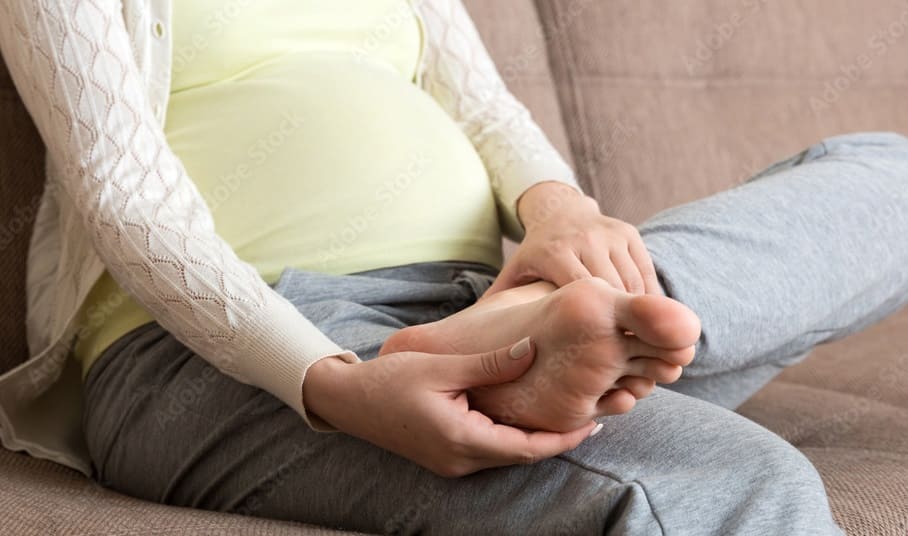
Pregnancy is beautiful, but let’s be honest — it also brings some not-so-glamorous surprises. One day you slip your feet into your favourite pair of sandals, and the next day you are wondering why they suddenly feel two sizes too small. Swollen feet during pregnancy are one of the most common issues expecting mothers experience, especially in the second and third trimesters.
It can feel uncomfortable, heavy, or even painful at times, and while it is usually harmless, understanding why it happens and how to manage it can make a huge difference in your daily comfort. This guide will walk you through everything you need to know — causes, relief methods, medical concerns, prevention tips, and more.
What Are Swollen Feet During Pregnancy?
Swollen feet during pregnancy, medically called edema, happen when excess fluid builds up in the tissues of the legs, ankles, and feet. This swelling is often more noticeable at the end of the day, during hot weather, or after long periods of standing.
It is extremely common. In fact, almost 75 percent of pregnant women experience some form of swelling in their feet and ankles. Typically, swelling is:
- Mild to moderate
- Symmetrical (both feet)
- More intense in the evening
- Temporary and reduces with rest
However, severe or sudden swelling may be a sign of something more serious, which we will discuss later.
Why Do Feet Swell During Pregnancy?
Swelling doesn’t happen randomly. Your body goes through major physical changes during pregnancy, and many of those changes directly affect your lower limbs. Here are the main causes of swollen feet during pregnancy:
1. Increased Body Fluid Volume
Pregnancy increases your total body fluid by almost 50 percent. Your body naturally produces extra blood and fluids to support the baby and placenta. This extra fluid tends to pool in the lower extremities due to gravity, leading to swelling.
2. Pressure from the Growing Uterus
As the uterus expands, it puts pressure on the veins that carry blood back from your legs to your heart. This compresses blood flow and causes fluid leakage into surrounding tissues, especially the feet and ankles.
3. Hormonal Changes
Pregnancy hormones, especially progesterone, relax the walls of your blood vessels. While this helps with pregnancy, it also slows circulation, making your feet more likely to swell.
4. Water Retention
Your body holds onto more water during pregnancy to maintain fluid balance. Sodium levels can fluctuate, leading to puffiness in the legs and feet.
5. Hot Weather
Many pregnant women notice swelling worsens in the summer. Heat causes blood vessels to expand, making swelling more visible and uncomfortable.
6. Standing or Sitting for Long Periods
Whether you are on your feet all day or sitting at a desk for hours, circulation slows down. Both positions encourage fluid to accumulate in the lower legs.
Symptoms of Swollen Feet During Pregnancy
Swelling during pregnancy can appear in different ways, depending on your body, routine, and trimester. The most common symptoms include:
1. Noticeable Swelling in the Feet and Ankles: Your feet may look puffier than usual, and your ankles may appear thicker, especially by the end of the day.
2. Tight or Stretched Skin: The skin on your feet and ankles may feel tight, shiny, or stretched due to fluid buildup.
3. Trouble Wearing Shoes: Shoes that usually fit comfortably may suddenly feel tight or difficult to put on.
4. Heaviness in the Legs and Feet: Many women feel a sense of heaviness, pressure, or fullness in the feet and lower legs.
5. Mild Discomfort or Achiness: Swollen feet may cause general discomfort, dull aches, or soreness, especially after standing or walking for long hours.
6. Increased Swelling in the Evenings: Swelling often becomes more noticeable in the afternoon or evening due to gravity and daily activity.
7. Worsening Swelling in Hot Weather: Heat expands blood vessels, causing more fluid to accumulate and making the swelling more prominent.
8. Indentations on the Skin: If you press your finger on the swollen area, you may notice a small indentation that takes a few seconds to fade. This is called pitting edema and is common during pregnancy.
9. Swelling in Both Feet Symmetrically: Normal pregnancy swelling usually occurs in both feet and ankles equally.
10. Tingling or Numbness: Mild numbness or tingling may occur when swelling puts pressure on nerves in the feet.
Is Swelling in Feet Normal During Pregnancy?
Yes, in most cases, swelling is perfectly normal. Mild to moderate swelling is simply a side-effect of pregnancy and is usually nothing to worry about. Normal swelling characteristics include:
- Gradual onset
- Both feet and ankles affected
- Increases as the day progresses
- Improves after rest or elevating your feet
However, sudden, persistent, or one-sided swelling may suggest a more serious issue and requires medical attention.
When Should You Worry About Swelling During Pregnancy?
Sometimes swollen feet can indicate an underlying problem. Contact your healthcare provider immediately if you notice:
1. Sudden Swelling in Feet, Hands, or Face
This may be a warning sign of preeclampsia, a serious pregnancy complication involving high blood pressure.
2. Severe Swelling That Doesn’t Reduce
If your feet remain swollen even after rest, elevation, or overnight sleep, it could be abnormal.
3. Swelling in Only One Foot
One-sided swelling, especially with pain or redness, could indicate a blood clot (deep vein thrombosis).
4. Painful or Warm Swelling
This could be a sign of infection or inflammation.
5. Chest Pain or Shortness of Breath Along With Swelling
This may indicate fluid imbalance requiring urgent care.
Always trust your instincts. If something feels unusual or severe, seek medical guidance promptly.
20 Home Remedies for Swollen Feet During Pregnancy
Here are the most effective, safe, and pregnancy-friendly ways to relieve swelling in your feet.
1. Elevate Your Feet
One of the simplest and fastest ways to reduce swelling is to lift your feet above heart level. This helps move the trapped fluid back toward your upper body.
Try doing this for 15–20 minutes, a few times a day.
2. Avoid Standing for Too Long
If your job requires long hours of standing, take breaks to sit and rest. Prolonged standing increases fluid accumulation.
3. Stay Hydrated
It may sound strange, but drinking more water can actually reduce swelling. When your body is dehydrated, it holds onto fluids. Aim for 8–10 glasses a day unless your doctor advises otherwise.
4. Wear Comfortable Footwear
Avoid tight shoes, high heels, and footwear without proper support. Opt for soft, breathable, wide-fit shoes.
Maternity compression stockings can also help improve circulation.
5. Sleep on Your Left Side
Sleeping on your left side reduces pressure on the inferior vena cava (a major vein), improving blood flow and reducing swelling.
6. Reduce Salt Intake
Too much sodium causes fluid retention. Avoid processed foods, chips, pickles, and excessive table salt.
7. Increase Potassium-Rich Foods
Potassium helps balance sodium levels. Foods like bananas, sweet potatoes, oranges, spinach, and avocados are excellent choices.
8. Gentle Foot Massage
A warm oil massage improves circulation and eases discomfort. Ask your partner or get a prenatal massage from a certified therapist.
9. Exercise Regularly
Gentle exercises like:
- Walking
- Prenatal yoga
- Swimming
- Stretching
These help reduce swelling by boosting circulation.
10. Cool Foot Soaks
Soak your feet in cool water for 10–15 minutes to reduce inflammation and provide relief.
Add Epsom salt if your doctor approves.
11. Avoid Crossing Your Legs
Crossing your legs restricts blood flow and worsens swelling. Keep your feet flat on the floor when sitting.
12. Use a Footrest at Work
Keeping your legs elevated slightly while sitting can significantly reduce swelling during long work hours.
13. Wear Compression Socks
They help push blood back toward your heart, reducing fluid accumulation in the feet. Choose maternity-friendly, gentle compression varieties.
14. Stay Active
Even small movements help. Set reminders to stretch or walk every hour.
15. Limit Caffeine
Caffeine can cause dehydration, leading to more swelling. Switch to caffeine-free teas or herbal drinks.
16. Keep Room Temperature Cool
Heat expands blood vessels, making swelling worse. Keep your home ventilated and your workload light on hot days.
17. Avoid Tight Clothing
Tight waistbands, leggings, or socks restrict circulation. Wear loose and breathable maternity clothing.
18. Try Prenatal Yoga
Yoga promotes blood circulation, reduces fluid retention, and relaxes muscles. Focus on poses safe for pregnancy.
19. Eat More Magnesium-Rich Foods
Low magnesium levels may contribute to swelling. Include almonds, cashews, spinach, and whole grains.
Consult your doctor before taking supplements.
20. Rest Frequently
Take short breaks throughout the day. Sit with your legs extended and avoid overexertion.
10 Medical Causes of Severe Swelling During Pregnancy
While most swelling is harmless, sometimes it indicates a deeper problem. Here are potential medical causes:
1. Preeclampsia
A serious pregnancy complication involving high blood pressure and organ damage.
2. Gestational Hypertension
High blood pressure during pregnancy can cause severe swelling.
3. Deep Vein Thrombosis (DVT)
A blood clot in the leg veins, causing one-sided swelling.
4. Infection
Cellulitis or other infections can cause painful swelling.
5. Varicose Veins
Weak vein walls cause poor circulation and increased swelling.
6. Anemia
Severe anemia affects circulation and may worsen edema.
7. Thyroid Disorders
Hypothyroidism affects metabolism and can cause swelling.
8. Kidney Problems
Kidneys help regulate fluid. Dysfunction can lead to excess water retention.
9. Liver Issues
Liver disorders may cause fluid imbalance.
10. Heart Conditions
Rare but possible — heart function affects fluid levels.
If you suspect any of the above, contact your doctor immediately.
How to Prevent Swollen Feet During Pregnancy?
While swelling cannot always be completely avoided, these habits can help minimize it significantly.
1. Maintain a Balanced Diet
Eat a nutrient-dense diet rich in vitamins, minerals, and water-content foods.
2. Avoid Long Periods of Inactivity
Keep your body moving. Even five minutes of walking every hour helps.
3. Wear Supportive Footwear
Comfortable shoes prevent excessive strain and promote circulation.
4. Monitor Your Weight
Rapid weight gain increases swelling. Follow healthy pregnancy weight guidelines.
5. Take Prenatal Vitamins
Deficiencies in magnesium, potassium, and calcium can contribute to swelling.
6. Stay Hydrated
Water helps flush excess sodium and toxins.
7. Reduce Stress
Stress can worsen inflammation. Try breathing exercises, meditation, or light stretching.
8. Keep Your Legs Elevated
Especially after long days or hot weather.
9. Avoid Tight Fitting Jewelry
Rings and anklets may worsen swelling.
10. Follow Regular Prenatal Checkups
Early detection prevents complications.
Best Exercises for Reducing Swelling in Pregnancy
Here are safe and effective exercises:
1. Ankle Rotations
Rotate both ankles in circles to improve circulation.
2. Calf Raises
Stand on your toes and slowly come back down. Repeat 10–15 times.
3. Foot Flexes
Point and flex your toes to stimulate blood flow.
4. Swimming
The buoyancy of water reduces swelling and pressure.
5. Walking
Even 20 minutes daily can make a big difference.
6. Prenatal Yoga
Promotes flexibility, circulation, and relaxation.
7. Deep Breathing Exercises
Improve oxygen flow and relax the body.
Always consult your doctor before starting new exercise routines.
Foods That Help Reduce Pregnancy Swelling
Include these in your daily diet:
- Cucumber
- Watermelon
- Oranges
- Sweet potatoes
- Avocados
- Bananas
- Spinach
- Coconut water
- Yogurt
- Whole grains
- Almonds
- Tomatoes
These foods regulate fluids, support kidney function, and boost circulation.
Foods to Avoid During Pregnancy Swelling
Limiting these will reduce inflammation:
- Processed foods
- Fast food
- Pickles
- Excessive salt
- Fried foods
- High-sugar desserts
- Refined carbohydrates
- High-caffeine drinks
How to Sleep When You Have Swollen Feet During Pregnancy?
Good sleep positioning can drastically reduce fluid buildup.
Sleep on Your Left Side
This position improves blood flow back to the heart and lowers pressure.
Use a Pregnancy Pillow
Support your belly, hips, and legs to improve circulation.
Keep Feet Elevated
Place a pillow under your feet when resting.
Avoid Sleeping on Your Back
It compresses major blood vessels.
Can Swollen Feet Affect Your Baby?
In most cases, no. Regular pregnancy swelling is uncomfortable but harmless to your baby. However, if swelling is caused by preeclampsia or hypertension, it can affect both mother and baby and needs prompt medical attention.
When Does Pregnancy Swelling Usually Start and End?
Swelling usually:
- Begins in the second trimester
- Peaks in the third trimester
- Disappears gradually after childbirth
- Resolves completely within 1–2 weeks postpartum
Some women may notice swelling for longer, especially after C-section.
How to Soothe Swollen Feet During Hot Weather?
- Stay indoors during peak heat
- Use cold compresses
- Wear open footwear
- Keep a fan or AC on
- Drink coconut water or infused water
- Avoid outdoor walks in direct sunlight
Should You Avoid Certain Activities?
Limit:
- Standing for long hours
- Heavy lifting
- Intense workouts
- Hot baths
- Sauna use
- Wearing heels
These can worsen swelling or impair circulation.
Final Thoughts
Swollen feet during pregnancy can be frustrating, uncomfortable, and sometimes painful. But remember, it is usually a natural part of the pregnancy journey. With the right lifestyle habits, diet choices, and self-care practices, you can manage swelling effectively and stay comfortable. Always listen to your body. You are growing a new life inside you, and your body is working harder than ever. Be gentle with yourself, rest when needed, and never hesitate to reach out to your doctor if something feels off.
FAQ’s
How can I reduce swollen feet during pregnancy at home?
You can reduce swelling by elevating your feet, drinking plenty of water, avoiding long periods of standing, wearing comfortable shoes, reducing salt intake, and trying gentle exercises or foot massages.
Does drinking more water help reduce swelling?
Yes. Drinking enough water prevents dehydration, which in turn reduces fluid retention and swelling.
Is swollen feet during pregnancy painful?
It can be uncomfortable or heavy, but extreme pain is not normal. If swelling becomes painful, red, or warm, consult a doctor.
Can sleeping positions affect pregnancy swelling?
Yes. Sleeping on your left side improves circulation and reduces pressure on major blood vessels, helping reduce swelling in the feet and ankles.
When do swollen feet happen in pregnancy?
Swollen feet usually start in the second trimester as blood volume increases and the uterus begins putting more pressure on your veins. The swelling often becomes more noticeable in the third trimester, especially toward the end of the day, during hot weather, or after long periods of standing. Most swelling reduces naturally after delivery.
What shoes are good for swollen feet during pregnancy?
The best shoes for swollen feet are wide-fit, breathable, and supportive. Look for soft materials, adjustable straps, cushioned soles, and good arch support. Slip-on shoes, maternity-friendly sneakers, and orthopedic sandals are excellent choices. Avoid high heels, narrow shoes, and anything that feels tight, as these can worsen swelling.
Is walking good for swollen feet during pregnancy?
Yes, walking is very good for swollen feet during pregnancy. It improves circulation, prevents fluid from pooling in the lower legs, and reduces stiffness. Even 15–20 minutes of gentle walking each day can help manage swelling effectively. Just make sure to wear comfortable shoes and avoid walking in very hot weather.
Also Read: