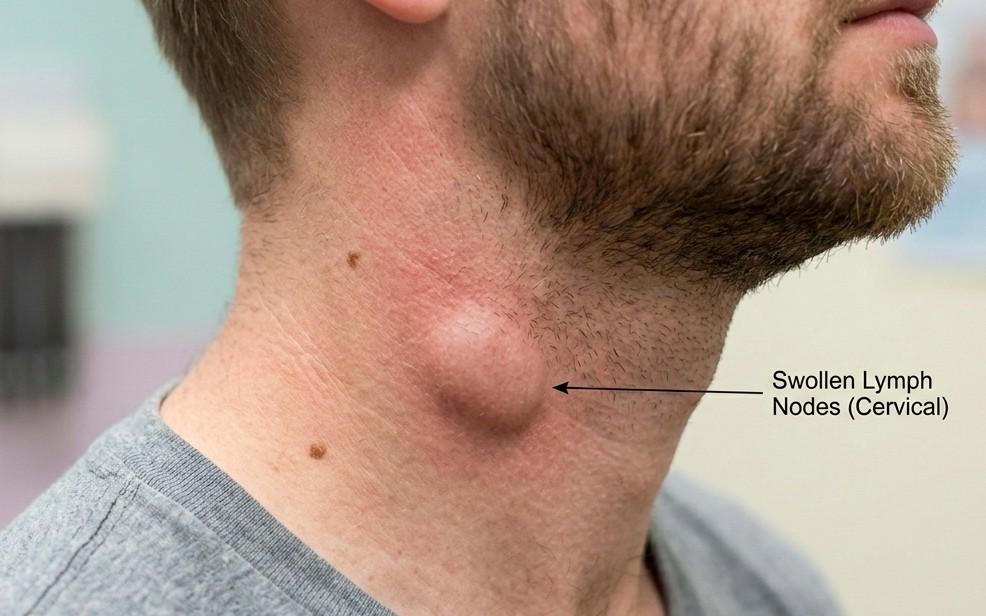
Swollen lymph nodes are something most people experience at least once in their lives. Whether it happens during a common cold, a throat infection, or something more serious, enlarged lymph nodes can feel alarming. You might notice a tender lump in your neck, under your jaw, in your armpit, or even in your groin. In many cases, it is a temporary and harmless sign that your immune system is fighting off an infection. However, in some situations, swollen lymph nodes may point to a more serious underlying condition. In this guide, we will explore what lymph nodes are, why they swell, common and uncommon causes, symptoms, diagnosis, treatment options, prevention tips, and when to seek medical care.
What Are Lymph Nodes?
Lymph nodes are small, bean-shaped glands that are part of the lymphatic system. The lymphatic system is a crucial component of your immune system. It helps your body fight infections and remove toxins, waste, and abnormal cells.
Lymph nodes contain white blood cells, especially lymphocytes, which help detect and destroy harmful invaders such as bacteria, viruses, and other pathogens. There are hundreds of lymph nodes throughout your body, but they are most noticeable in areas such as:
- Neck (cervical lymph nodes)
- Under the jaw
- Behind the ears
- Armpits (axillary lymph nodes)
- Groin (inguinal lymph nodes)
- Above the collarbone (supraclavicular lymph nodes)
When lymph nodes become enlarged, the condition is called lymphadenopathy.
Why Do Lymph Nodes Swell?
Swollen lymph nodes typically occur when they are actively fighting infection or responding to inflammation. When harmful organisms enter your body, nearby lymph nodes trap and destroy them. This immune activity causes the nodes to enlarge and sometimes become tender. The swelling may be localized (affecting one area) or generalized (affecting multiple areas of the body).
Causes of Swollen Lymph Nodes
1. Viral Infections
Viral infections are the most common cause of swollen lymph nodes. These include:
- Common cold
- Flu
- Viral throat infections
- Measles
- Mononucleosis
- COVID-19
In viral infections, the lymph nodes usually become mildly enlarged and tender. The swelling often goes away once the infection clears.
2. Bacterial Infections
Bacterial infections can cause more noticeable swelling and tenderness. Examples include:
- Strep throat
- Ear infections
- Tooth abscess
- Skin infections
If untreated, bacterial infections may lead to painful, red, or warm lymph nodes filled with pus (abscess).
3. Fungal and Parasitic Infections
Though less common, fungal and parasitic infections can also lead to lymph node enlargement, especially in people with weakened immune systems.
4. Immune System Disorders
Autoimmune diseases may cause chronic or recurrent lymph node swelling. These conditions include:
- Rheumatoid arthritis
- Lupus
- Sarcoidosis
In these cases, the immune system mistakenly attacks healthy tissues, leading to inflammation.
5. Cancer
Though rare compared to infections, swollen lymph nodes can be a sign of cancer. This may include:
- Lymphoma
- Leukemia
- Metastatic cancer (cancer that has spread from another part of the body)
Cancer-related lymph nodes are often firm, painless, and do not move easily under the skin. They may continue to grow over time.
Symptoms of Swollen Lymph Nodes
Swollen lymph nodes can feel different depending on the cause. Common symptoms include:
- A lump under the skin
- Tenderness or pain when touched
- Redness or warmth over the area
- Fever
- Sore throat
- Runny nose
- Night sweats
- Unexplained weight loss
- Fatigue
The presence of additional symptoms often provides clues about the underlying cause.
Location-Based Clues
The location of swollen lymph nodes often helps identify the source of infection.
Swollen Lymph Nodes in the Neck
Usually linked to:
- Throat infections
- Cold or flu
- Dental infections
- Ear infections
Swollen Lymph Nodes Under the Jaw
Often associated with:
- Tooth abscess
- Gum infections
- Oral infections
Swollen Lymph Nodes in the Armpit
May result from:
- Arm or breast infections
- Skin infections
- Breast cancer
Swollen Lymph Nodes in the Groin
Common causes include:
- Leg infections
- Sexually transmitted infections
- Lower body injuries
Swollen Lymph Nodes Above the Collarbone
Swelling in this area may be more concerning and can sometimes indicate serious infections or cancers. It requires prompt medical evaluation.
When Should You Worry?
Most swollen lymph nodes are harmless and resolve within two to four weeks. However, seek medical attention if you notice:
- Lymph nodes that remain enlarged for more than four weeks
- Rapidly growing nodes
- Hard, fixed, or immovable nodes
- Persistent fever
- Night sweats
- Unexplained weight loss
- Difficulty swallowing or breathing
- Severe pain or redness
These signs may indicate a more serious condition.
How Are Swollen Lymph Nodes Diagnosed?
A healthcare provider will begin with a physical examination. They will assess:
- Size
- Texture
- Tenderness
- Mobility
- Location
You may be asked about recent illnesses, infections, travel history, medications, and other symptoms.
If necessary, further tests may include:
- Blood tests
- Throat swab
- Imaging tests (ultrasound, CT scan)
- Biopsy (removal of a small tissue sample for analysis)
A biopsy is usually recommended if cancer or lymphoma is suspected.
Treatment for Swollen Lymph Nodes
Treatment options depends entirely on the underlying cause.
For Viral Infections
No specific treatment is usually required. Management includes:
- Rest
- Fluids
- Over-the-counter pain relievers
- Warm compresses
Swelling typically resolves on its own.
For Bacterial Infections
Antibiotics are prescribed. It is important to complete the full course of medication.
If an abscess develops, it may require drainage.
For Autoimmune Conditions
Treatment may include:
- Anti-inflammatory medications
- Immunosuppressants
- Disease-modifying drugs
For Cancer
Treatment may involve:
- Chemotherapy
- Radiation therapy
- Surgery
- Targeted therapy
Early diagnosis significantly improves outcomes.
Home Remedies for Swollen Lymph Nodes
While medical treatment may be necessary for certain causes, supportive care can ease discomfort:
- Apply a warm compress several times daily
- Get adequate rest
- Drink plenty of fluids
- Use over-the-counter pain relievers
- Gargle with warm salt water for throat-related swelling
Avoid squeezing or pressing the swollen area repeatedly, as this may increase irritation.
Swollen Lymph Nodes in Children
Children commonly experience swollen lymph nodes, especially during frequent infections. Their immune systems are still developing, so nodes may enlarge more easily.
In most cases, pediatric lymph node swelling is benign and resolves within weeks. However, medical evaluation is recommended if:
- Swelling persists
- Nodes are very large
- The child has prolonged fever
- There is unexplained weight loss
Chronic Swollen Lymph Nodes
Some people experience long-term or recurrent lymph node enlargement. This may be due to:
- Chronic infections
- Tuberculosis
- Autoimmune disease
- Persistent viral infections
- Certain cancers
Persistent swelling requires thorough medical evaluation.
Can Stress Cause Swollen Lymph Nodes?
Stress alone does not directly cause lymph node swelling. However, chronic stress can weaken the immune system, making you more susceptible to infections that may lead to swollen nodes. Managing stress through exercise, meditation, and healthy sleep patterns supports overall immune health.
Prevention Tips for Swollen Lymph Nodes
While you cannot always prevent swollen lymph nodes, you can reduce your risk by:
- Practicing good hygiene
- Washing hands regularly
- Keeping vaccinations up to date
- Treating infections promptly
- Maintaining a healthy immune system through diet and exercise
FAQ’s
How long do swollen lymph nodes last?
Most swollen lymph nodes caused by infections resolve within two to four weeks. If they persist longer, medical evaluation is recommended.
Are swollen lymph nodes always a sign of cancer?
No, most cases are due to infections and are not cancer-related. Cancer is a less common cause and usually presents with additional warning signs.
Can swollen lymph nodes be painless?
Yes, some swollen lymph nodes, especially those related to cancer, may be painless. Painless swelling that persists should be evaluated.
Should I massage a swollen lymph node?
No, massaging may irritate the node and worsen inflammation. It is better to use warm compresses instead.
Can dehydration cause swollen lymph nodes?
Dehydration does not directly cause swollen lymph nodes. However, infections linked to poor hydration can contribute indirectly.
Are swollen lymph nodes contagious?
Swollen lymph nodes themselves are not contagious. However, the infection causing them may be contagious.
Can allergies cause swollen lymph nodes?
Allergies rarely cause significant lymph node swelling. If present, the enlargement is usually mild and temporary.
What does a cancerous lymph node feel like?
Cancerous lymph nodes are often hard, fixed, and painless. They may gradually increase in size over time.
Is it normal to feel small lymph nodes?
Yes, small, mobile, pea-sized lymph nodes can be normal, especially in thin individuals. They are usually harmless if stable in size.
When should I see a doctor for swollen lymph nodes?
Seek medical care if swelling lasts more than four weeks, grows larger, feels hard, or is accompanied by systemic symptoms like fever or weight loss.
How can I tell if a swollen lymph node is serious?
Swelling that lasts more than four weeks, grows rapidly, feels hard and immovable, or is accompanied by fever, night sweats, or weight loss should be evaluated by a doctor. These signs may indicate a more serious condition.
Should I take antibiotics for swollen lymph nodes?
Antibiotics are only effective if the swelling is caused by a bacterial infection. They are not helpful for viral infections.
Final Thoughts
Swollen lymph nodes are a common and usually harmless sign that your immune system is doing its job. In most cases, they result from viral or bacterial infections and resolve without complications. However, persistent, hard, or unexplained swelling should not be ignored.
Understanding your body’s signals can help you differentiate between a minor illness and something that requires medical attention. If in doubt, consult a healthcare professional for proper evaluation and peace of mind.
Also Read: