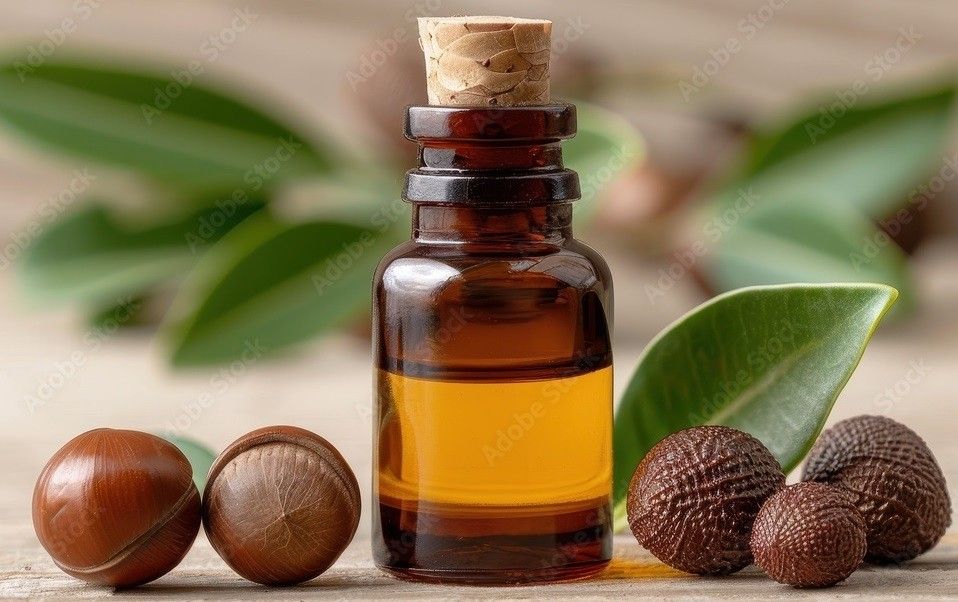
Natural oils have always held a special place in traditional medicine and skincare routines across cultures. Among them, Tamanu oil stands out as one of the most powerful yet underrated healing oils. Often referred to as a “miracle oil” in Pacific Island cultures, Tamanu oil has been used for centuries to heal wounds, soothe skin problems, and promote overall skin and hair health.
In recent years, Tamanu oil has gained global recognition in skincare, haircare, and holistic wellness circles. From treating acne scars to calming inflammation and supporting skin regeneration, this deep green oil is packed with therapeutic benefits. However, like any natural remedy, it should be used with proper knowledge and care.
In this guide, we will explore everything you need to know about Tamanu oil—its nutrition profile, science-backed health benefits, side effects, usage methods, dosage, storage, and precautions—so you can decide if it’s right for you.
What Is Tamanu Oil?
Tamanu oil is a thick, dark green oil extracted from the nuts of the Calophyllum inophyllum tree, commonly known as the Tamanu tree. This tree is native to Southeast Asia, the South Pacific islands, parts of Africa, and India’s coastal regions.
The oil is traditionally obtained by cold-pressing sun-dried Tamanu nuts. Unlike many other oils, Tamanu oil has a strong, earthy, nutty aroma and a slightly sticky texture. While the smell may be intense at first, it’s a sign of the oil’s potency and purity.
Tamanu oil is unique because it contains calophyllolide, a rare compound known for its anti-inflammatory and wound-healing properties. This makes it especially valuable for skin repair, scar healing, and managing chronic skin conditions.
Traditionally, Tamanu oil has been used to:
- Heal cuts, burns, and insect bites
- Treat eczema, psoriasis, and fungal infections
- Reduce joint pain and inflammation
- Promote hair and scalp health
Components of Tamanu Oil
| Nutrient / Compound | Approximate Content |
|---|---|
| Oleic Acid (Omega-9) | 35–45% |
| Linoleic Acid (Omega-6) | 20–25% |
| Palmitic Acid | 12–15% |
| Stearic Acid | 10–12% |
| Calophyllolide | Present |
| Coumarins | Present |
| Phytosterols | Present |
| Vitamin E | Moderate |
| Antioxidants | High |
These fatty acids and bioactive compounds work together to nourish the skin, support barrier repair, and fight inflammation.
20 Proven Benefits of Tamanu Oil
1. Promotes Wound Healing
Tamanu oil is famous for accelerating wound healing. It supports tissue regeneration and helps minimize infection risk, making it useful for minor cuts and abrasions.
2. Reduces Acne and Pimples
Its antibacterial and anti-inflammatory properties help fight acne-causing bacteria while calming redness and swelling.
3. Fades Acne Scars
Oil supports collagen production, which helps fade scars and improve skin texture over time.
4. Soothes Eczema and Psoriasis
The oil deeply moisturizes dry, irritated skin and reduces itching and inflammation associated with eczema and psoriasis.
5. Anti-Aging Properties
Rich in antioxidants, Tamanu oil helps fight free radicals, reducing fine lines and improving skin elasticity.
6. Improves Skin Texture
Regular use makes the skin smoother, softer, and more even-toned.
7. Treats Dry and Cracked Skin
Its thick texture makes it excellent for repairing severely dry areas like heels, elbows, and hands.
8. Helps Heal Burns
Tamanu oil may reduce scarring and promote faster healing when applied to minor burns.
9. Supports Hair Growth
By nourishing the scalp and improving blood circulation, oil can support healthier hair growth.
10. Reduces Dandruff
Its antifungal properties help control dandruff and soothe itchy scalp conditions.
11. Strengthens Hair
The fatty acids in Tamanu oil help strengthen hair strands and reduce breakage.
12. Relieves Joint and Muscle Pain
When used in massage, Tamanu oil can help ease inflammation and stiffness.
13. Treats Fungal Infections
It may help manage fungal issues like athlete’s foot and nail fungus.
14. Improves Stretch Marks
Regular application can improve skin elasticity and reduce the appearance of stretch marks.
15. Calms Insect Bites
Tamanu oil reduces itching, redness, and swelling caused by insect bites.
16. Helps with Rosacea
Its calming properties may help reduce redness and sensitivity in rosacea-prone skin.
17. Supports Skin Barrier Repair
Oil helps restore the skin’s natural protective barrier.
18. Antibacterial Protection
It helps protect the skin from bacterial infections.
19. Natural Moisturizer
The oil locks in moisture without clogging pores when used in moderation.
20. Promotes Overall Skin Health
With consistent use, Tamanu oil supports balanced, resilient, and healthy skin.
10 Side Effects of Tamanu Oil
1. Skin Irritation
Some people may experience redness or itching, especially with sensitive skin.
2. Allergic Reactions
Nut allergies may increase the risk of allergic reactions.
3. Strong Odor Sensitivity
The natural scent may cause discomfort for some users.
4. Pore Congestion
Overuse may clog pores, especially on oily or acne-prone skin.
5. Not Suitable for Open Wounds (Without Guidance)
Using it on deep or infected wounds without medical advice is not recommended.
6. Headache (Rare)
Strong aroma may trigger headaches in sensitive individuals.
7. Eye Irritation
Accidental contact with eyes can cause irritation.
8. Skin Sensitivity in Sunlight
Some users may notice increased sensitivity when exposed to sunlight.
9. Not Recommended for Internal Use
Tamanu oil is not meant for consumption unless advised by a professional.
10. Interaction with Skin Treatments
It may interfere with medicated creams or treatments.
How to Use Tamanu Oil?
Oil is primarily used topically. Always start with a patch test before full application.
- Apply a few drops directly to clean skin
- Mix with a carrier oil for sensitive skin
- Use as a spot treatment for scars or acne
Other Uses of Tamanu Oil
- Facial serums
- Body massage oil
- Lip care
- Nail and cuticle oil
- Beard oil
- DIY skincare formulations
Tips for Consuming Tamanu Oil
Tamanu oil is not generally recommended for consumption. It is traditionally used externally. If internal use is being considered, it must be under professional supervision.
How to Take Tamanu Oil?
For topical use:
- Clean the area
- Apply 1–3 drops
- Massage gently until absorbed
- Use once or twice daily
How to Make Tamanu Oil at Home?
- Collect ripe Tamanu nuts
- Sun-dry them for several weeks until kernels darken
- Cold-press the dried kernels
- Filter the oil
- Store in a dark glass bottle
Homemade oil may vary in potency and shelf life.
How Much Tamanu Oil Can You Use Per Day?
For skincare:
- Face: 1–3 drops per application
- Body: Up to 1 teaspoon per area
- Hair: A few drops mixed with carrier oil
Tamanu Oil Dosage
- Face: Once daily or every alternate day
- Body: 1–2 times daily
- Scalp: 1–2 times per week
Best Time to Use Tamanu Oil
- Nighttime is ideal for facial use
- After bathing for body application
- Before bedtime for scalp treatments
Who Should Use Tamanu Oil?
- People with acne scars
- Dry or sensitive skin types
- Individuals with eczema or psoriasis
- Those seeking natural anti-aging solutions
- People with minor skin injuries
Who Should Not Use Tamanu Oil?
- Individuals with nut allergies
- Pregnant or breastfeeding women without medical advice
- People with extremely sensitive skin
- Those undergoing medicated skin treatments
How to Store Tamanu Oil?
- Store in a cool, dark place
- Use a dark glass bottle
- Keep away from heat and sunlight
- Seal tightly after use
Shelf life is usually 1–2 years if stored properly.
Precautions and Interactions
- Always perform a patch test
- Avoid contact with eyes
- Do not ingest without professional guidance
- Consult a dermatologist if using alongside prescription treatments
- Discontinue use if irritation occurs
Final Thoughts
Tamanu oil is a powerful, traditional remedy with impressive skin and hair benefits when used correctly. Its ability to heal, soothe, and regenerate makes it a valuable addition to natural wellness routines. However, it is not a one-size-fits-all solution. Understanding proper usage, dosage, and precautions ensures you get the best results safely. If you value natural skincare backed by tradition and science, Oil may be worth exploring—with patience, consistency, and care.
FAQ’s
What is tamanu oil used for?
Oil is mainly used for skin healing, reducing acne scars, soothing eczema, treating minor wounds, and improving overall skin and hair health due to its anti-inflammatory and antibacterial properties.
Is tamanu oil good for acne scars?
Oil is known to help fade acne scars over time by supporting skin regeneration and collagen production when used consistently.
Can tamanu oil clog pores?
Oil is moderately comedogenic. Using too much or applying it on oily skin without dilution may clog pores, so it should be used sparingly.
Is tamanu oil safe for sensitive skin?
Some people with sensitive skin may react to oil. A patch test is essential before regular use, and dilution with a carrier oil is recommended.
Can tamanu oil be used every day?
Oil can be used daily in small amounts, especially on scars or dry areas. For facial use, once daily or every alternate day is usually sufficient.
Is tamanu oil safe during pregnancy?
Pregnant and breastfeeding women should consult a healthcare professional before using oil, as safety data is limited.
Can tamanu oil be used on hair?
Yes, oil can be applied to the scalp and hair to reduce dryness, dandruff, and breakage. It should be mixed with a lighter carrier oil for easier application.
Can tamanu oil be consumed?
Oil is not recommended for internal consumption. It is traditionally used for external applications only unless advised by a qualified professional.
What is tamanu oil good for?
Oil is best known for healing and repairing the skin. It helps reduce acne, fade scars, soothe eczema and psoriasis, calm inflammation, treat minor wounds, and improve overall skin texture. It is also used for scalp health, dandruff control, and muscle or joint massage.
Is tamanu oil safe for children?
Oil may be used on children only in very small, diluted amounts and after a patch test. Because children’s skin is more sensitive, it is best to consult a pediatrician before using oil, especially for babies and toddlers.
What does tamanu oil smell like?
Oil has a strong, earthy, nutty, and slightly smoky aroma. Some people describe the scent as herbal or woody. The smell usually fades after application but may feel intense at first.
What does tamanu oil taste like?
Oil has a very bitter and unpleasant taste. It is not meant for consumption and should not be ingested unless specifically advised by a qualified healthcare professional.
What does tamanu oil do for your skin?
Oil helps repair damaged skin, reduce inflammation, fight bacteria, and promote collagen production. It improves skin elasticity, fades scars, calms acne, hydrates dry skin, and supports overall skin healing when used consistently.
What is tamanu oil called in India?
In India, tamanu oil is commonly associated with the Punnai tree or Nagachampa oil, derived from Calophyllum inophyllum. It may also be referred to locally by regional names depending on the state.
Can I use tamanu oil on my face every day?
Oil can be used on the face daily in small amounts, especially as a spot treatment for scars or acne. For oily or sensitive skin, using it every alternate day or diluted with a carrier oil is usually safer.
Does tamanu oil darken skin?
No, oil does not darken the skin. In fact, it may help improve skin tone and reduce the appearance of scars and pigmentation over time. However, excessive use or irritation can temporarily make the skin look darker due to inflammation.
Also Read: