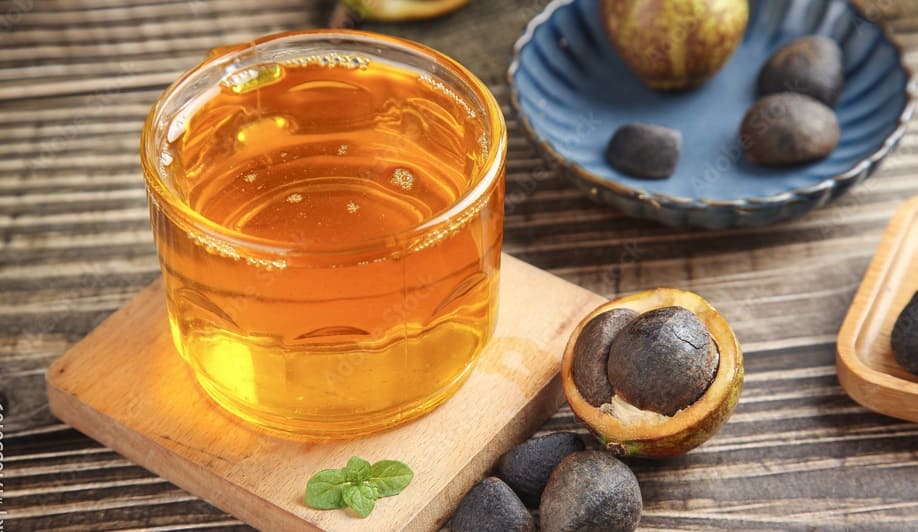
When people hear the word “tea,” they often think of green tea, black tea, or herbal tea. But there’s another treasure hidden within the tea plant — Tea Seed Oil, often referred to as Camellia oil or Camellia seed oil. Extracted from the seeds of the Camellia oleifera, Camellia sinensis, or Camellia japonica plants, this golden oil has been a secret beauty and health elixir in East Asia for centuries.
Rich in nutrients, light in texture, and versatile in use, tea seed oil has found its place in kitchens, skincare routines, and even in traditional medicine. Whether you’re looking for a heart-healthy cooking oil or a natural moisturizer, tea seed oil offers something unique. Let’s explore everything you need to know about this incredible oil — from its nutrition to health benefits, side effects, dosage, and more.
What is Tea Seed Oil?
Tea seed oil is a natural plant oil extracted from the seeds of the Camellia plant, particularly Camellia oleifera, which is native to China. Unlike tea leaves (used for making beverages), the seeds are pressed to obtain a mild, golden-yellow oil that is highly stable and packed with beneficial fatty acids and antioxidants.
It is often compared to olive oil because of its similar nutritional profile — both are rich in monounsaturated fatty acids (especially oleic acid) and vitamin E. However, tea seed oil has an even higher smoke point (around 252°C or 485°F), making it an excellent option for cooking and frying. Apart from culinary use, tea seed oil has long been a staple in Asian skincare traditions. It’s known for its ability to deeply hydrate skin, promote elasticity, and even protect hair from damage.
Nutrition Facts of Tea Seed Oil (Per 100g)
| Nutrient | Amount |
|---|---|
| Energy | 884 kcal |
| Total Fat | 100 g |
| Saturated Fat | 8–12 g |
| Monounsaturated Fat (Oleic Acid) | 75–83 g |
| Polyunsaturated Fat (Linoleic Acid) | 4–10 g |
| Vitamin E (Tocopherols) | 10–15 mg |
| Phytosterols | 180–220 mg |
| Squalene | 200–400 mg |
| Omega-3 Fatty Acids | Trace amounts |
| Omega-6 Fatty Acids | 3–8% |
| Cholesterol | 0 mg |
| Trans Fat | 0 mg |
Tea seed oil is primarily composed of heart-healthy monounsaturated fats and natural antioxidants that support overall well-being.
20 Proven Health Benefits of Tea Seed Oil
Here are 20 science-backed and traditional health benefits of tea seed oil:
- Supports Heart Health – The high content of oleic acid helps reduce bad cholesterol (LDL) while maintaining good cholesterol (HDL). This may help lower the risk of heart disease.
- Rich in Antioxidants – Packed with vitamin E and polyphenols, tea seed oil helps neutralize free radicals, preventing oxidative stress and cellular damage.
- Promotes Healthy Skin – It deeply moisturizes the skin without clogging pores, making it suitable for both dry and oily skin types.
- Improves Hair Strength and Shine – When applied to the scalp or hair, it nourishes follicles, reduces breakage, and adds a natural shine.
- Aids in Weight Management – The healthy fats can support metabolism and satiety, helping you manage weight more effectively.
- Supports Brain Function – Monounsaturated fats are beneficial for brain health and may reduce cognitive decline over time.
- Boosts Immunity – The natural antioxidants and vitamin E in tea seed oil help strengthen the immune system.
- Improves Skin Elasticity – With consistent use, it can improve skin firmness and reduce fine lines and wrinkles.
- Soothes Inflammation – Its anti-inflammatory compounds may help with conditions like eczema, psoriasis, and acne.
- Protects Liver Health – Studies suggest that tea seed oil may help lower liver fat accumulation and support detoxification.
- Enhances Digestive Health – Used in moderation, it supports smooth digestion and helps maintain gut balance.
- Stabilizes Blood Sugar Levels – The monounsaturated fats may help regulate insulin sensitivity, supporting stable glucose levels.
- Improves Bone Health – The presence of vitamin E and antioxidants supports calcium absorption and reduces oxidative damage to bones.
- Supports Wound Healing – Applying tea seed oil to minor wounds or cuts can accelerate healing due to its antimicrobial and hydrating properties.
- Reduces Signs of Aging – It shields the skin from environmental damage and reduces the appearance of age spots.
- Natural Makeup Remover – The oil dissolves makeup effortlessly without stripping the skin of its natural moisture.
- Enhances Nail Health – Massaging it into the cuticles can strengthen nails and prevent brittleness.
- Protects Against UV Damage – Although not a sunscreen, it helps reduce oxidative damage from sun exposure.
- Supports Hormonal Balance – Healthy fats play a crucial role in hormone production and regulation.
- Promotes Scalp Health – Regular scalp massages with tea seed oil improve circulation, preventing dandruff and dryness.
10 Side Effects of Tea Seed Oil
Although tea seed oil is generally safe, excessive use or allergic reactions can cause certain side effects.
- Skin Allergies – Some people may experience redness or itching after topical application.
- Digestive Issues – Overconsumption may lead to stomach discomfort or diarrhea.
- Weight Gain – Like all oils, overuse can contribute to excess calorie intake.
- Low Blood Sugar – In rare cases, it might lower blood sugar slightly, so diabetics should use caution.
- Oxidative Spoilage – Poor storage can make the oil rancid, causing potential stomach irritation.
- Interactions with Medications – People on blood thinners or cholesterol medication should consult a doctor before use.
- Acne Breakouts – Though non-comedogenic for most, some may find it too rich for facial skin.
- Allergic Cross-Reaction – Those allergic to other camellia species might react to this oil.
- Lower Blood Pressure – High doses could mildly lower blood pressure.
- Pregnancy Concerns – While generally safe, pregnant or breastfeeding women should consult a healthcare professional before regular use.
How to Use Tea Seed Oil?
Tea seed oil can be used in multiple ways depending on your needs:
- For Cooking – Use it as a salad dressing, stir-fry oil, or for light frying. Its high smoke point makes it ideal for Asian-style dishes.
- For Skin – Apply a few drops directly after showering to lock in moisture.
- For Hair – Warm it slightly and massage into the scalp, then rinse after 30 minutes.
- As Massage Oil – Mix with essential oils for a soothing body massage.
- For Nail Care – Massage a few drops into nails and cuticles daily.
Other Uses of Tea Seed Oil
- Leather Conditioner – It’s often used to polish and protect leather goods naturally.
- Wood Care – Helps condition cutting boards and wooden utensils.
- Rust Prevention – Acts as a rust inhibitor for metal tools.
- Makeup Remover – Gently removes waterproof makeup.
- Aromatherapy Carrier Oil – Works as a base for essential oil blends.
Tips for Consuming Tea Seed Oil
- Use cold-pressed, unrefined oil for maximum nutrients.
- Store in a dark glass bottle to protect it from light.
- Combine with other oils like olive or sesame for flavor variation.
- Don’t overheat — while it has a high smoke point, moderate heating retains more nutrients.
- Start with small daily amounts (1–2 teaspoons) and increase gradually if needed.
How to Take Tea Seed Oil?
There are different ways to incorporate tea seed oil into your routine:
- Orally – Take 1 teaspoon daily mixed in smoothies or salads.
- Topically – Apply directly to skin or hair.
- In Cooking – Replace other vegetable oils in stir-fries or baking recipes.
Consistency is key. Whether you use it for nutrition or skincare, daily application delivers the best results over time.
How to Make Tea Seed Oil at Home?
While the process can be labor-intensive, you can make small quantities of tea seed oil at home.
Steps:
- Collect Camellia Seeds – Obtain ripe seeds from Camellia oleifera or Camellia sinensis plants.
- Clean and Dry – Remove shells and dry the seeds in sunlight for a few days.
- Grind the Seeds – Use a grinder to crush them into a fine paste.
- Pressing – Use a cold press machine to extract the oil.
- Filtering – Strain the oil through a muslin cloth or fine filter to remove residues.
- Storing – Pour the oil into a clean, dark glass bottle and store it in a cool, dry place.
Homemade tea seed oil retains more antioxidants and flavor but may have a shorter shelf life.
How Much Tea Seed Oil Can You Use Per Day?
Moderation is crucial. Generally, 1–2 tablespoons (15–30 ml) per day is considered safe and beneficial when used for cooking or as a dietary supplement.
For topical use, a few drops are sufficient for skin or hair application.
Tea Seed Oil Dosage
- For Cooking: 1–2 tablespoons daily.
- For Oral Supplementation: 1 teaspoon daily.
- For Skin: 3–5 drops applied to clean skin.
- For Hair: 1–2 teaspoons for scalp massage.
Always start with small doses and observe how your body reacts.
Best Time to Use Tea Seed Oil
- For Cooking: During meal preparation or as a salad dressing.
- For Skin and Hair: Apply at night for deeper absorption and rejuvenation.
- For Oral Use: Morning or before meals for better digestion and absorption.
Who Should Use Tea Seed Oil?
- People seeking heart-healthy cooking oil.
- Individuals with dry or mature skin looking for natural moisturization.
- Those with dandruff or dry scalp problems.
- Anyone wanting a natural, chemical-free beauty product.
- People who want to boost their immune system and antioxidant intake.
Who Should Not Use Tea Seed Oil?
- People allergic to Camellia plants or similar species.
- Individuals taking blood-thinning or cholesterol-lowering medications without medical advice.
- Pregnant or breastfeeding women should consult a doctor before internal use.
- People with sensitive or acne-prone skin may want to do a patch test first.
How to Store Tea Seed Oil?
Proper storage helps maintain its quality and shelf life.
- Keep in a dark, airtight glass bottle.
- Store away from heat and direct sunlight.
- Avoid refrigeration as it may cause cloudiness (harmless but visually unappealing).
- Always close the cap tightly after use.
When stored properly, tea seed oil can last for 12 to 18 months.
Precautions and Interactions
- Always do a patch test before applying on skin or hair to check for allergies.
- Avoid using rancid or expired oil.
- Consult your healthcare provider if you’re taking medications like anticoagulants or cholesterol-lowering drugs.
- Do not exceed recommended doses to avoid digestive issues.
- Keep out of reach of children and store safely.
Conclusion
Tea seed oil may not be as famous as olive or coconut oil, but it’s certainly a hidden gem worth discovering. From improving heart health to rejuvenating your skin and hair, its wide range of benefits makes it one of the most versatile natural oils available today.
Whether you use it for cooking, skincare, or wellness, remember — quality and moderation are key. Always opt for cold-pressed, pure tea seed oil and incorporate it mindfully into your routine. Over time, you’ll notice the difference in your energy, skin glow, and overall health.
FAQ’s
What is tea seed oil used for?
Tea seed oil is used for cooking, skincare, and hair care. It’s also used as a natural moisturizer, massage oil, and for maintaining wood and leather products.
Can I use tea seed oil on my face?
Yes, it’s lightweight, non-greasy, and absorbs quickly — perfect for moisturizing and improving skin elasticity.
Is tea seed oil good for hair growth?
Yes, it nourishes the scalp, strengthens roots, and promotes healthy hair growth.
Can tea seed oil be taken internally?
Yes, it can be consumed in small amounts (1–2 tablespoons daily) as a healthy cooking oil or supplement.
How is tea seed oil different from tea tree oil?
Tea seed oil comes from Camellia seeds, while tea tree oil comes from the Melaleuca plant. Tea seed oil is edible; tea tree oil is not.
Is tea seed oil safe for children?
Yes, when used in small quantities for cooking. Avoid direct skin application without testing for allergies.
Is tea seed oil safe for daily use?
Yes, both topically and in food, provided it’s used in moderation and is of high quality.
Can pregnant women use tea seed oil?
It’s generally safe for external use but should be consumed only after consulting a doctor.
How long does tea seed oil last?
When stored properly in a cool, dark place, it can last 12–18 months.
Where to buy tea seed oil?
You can find pure tea seed oil in health stores, organic supermarkets, or online wellness retailers.
Is tea tree oil better than coconut oil for hair?
Tea tree oil and coconut oil work differently, so one isn’t necessarily better than the other. Tea tree oil helps cleanse the scalp, fight dandruff, and reduce itchiness because of its antifungal and antibacterial properties. Coconut oil, on the other hand, deeply nourishes and strengthens the hair from within. The best approach is to mix a few drops of tea tree oil with coconut oil — this way, you get both cleansing and moisturizing benefits.
Which is better, rosemary oil or tea tree oil?
Both rosemary and tea tree oils are excellent for hair, but they serve different purposes. Rosemary oil promotes hair growth and improves scalp circulation, while tea tree oil focuses on keeping the scalp clean and free of dandruff or buildup. If your main goal is thicker hair, choose rosemary oil. If you struggle with dandruff or an itchy scalp, tea tree oil is the better option.
What is the best oil to mix with tea tree oil for hair?
Since tea tree oil is very potent, it should always be diluted with a carrier oil before use. The best oils to mix it with are coconut oil for moisture, jojoba oil for balancing scalp oils, or olive oil for strengthening hair. A good rule is to add about 2–3 drops of tea tree oil to 1 tablespoon of carrier oil before applying it to your scalp.
What is tea tree oil good for?
Tea tree oil is well-known for its antiseptic and antifungal properties. It’s great for treating dandruff, soothing itchy scalp, and unclogging hair follicles to support healthy hair growth. Beyond hair care, it’s also used to treat acne, minor wounds, and skin irritations, making it a versatile natural remedy for both beauty and health.
How long can I leave tea tree oil in my hair?
You can safely leave diluted tea tree oil in your hair for about 30 minutes to 2 hours before washing it out. If you prefer overnight treatment, make sure the mixture is mild and blended well with a carrier oil. Leaving undiluted tea tree oil on your scalp for too long may cause irritation, so always use it in moderation.
What is the correct way to apply tea tree oil?
To apply tea tree oil, mix 2–3 drops with 1 tablespoon of a carrier oil like coconut or jojoba oil. Massage it gently into your scalp, let it sit for about 30 minutes to an hour, then rinse it off with shampoo. This helps clean the scalp, reduce dandruff, and promote stronger, healthier hair.
Can too much tea tree oil damage hair?
Yes, using too much tea tree oil can irritate the scalp or cause dryness because of its strong concentration. Always dilute it properly and avoid daily use. Applying it 2–3 times a week is enough to get the benefits without risking dryness or scalp sensitivity.
Also Read: