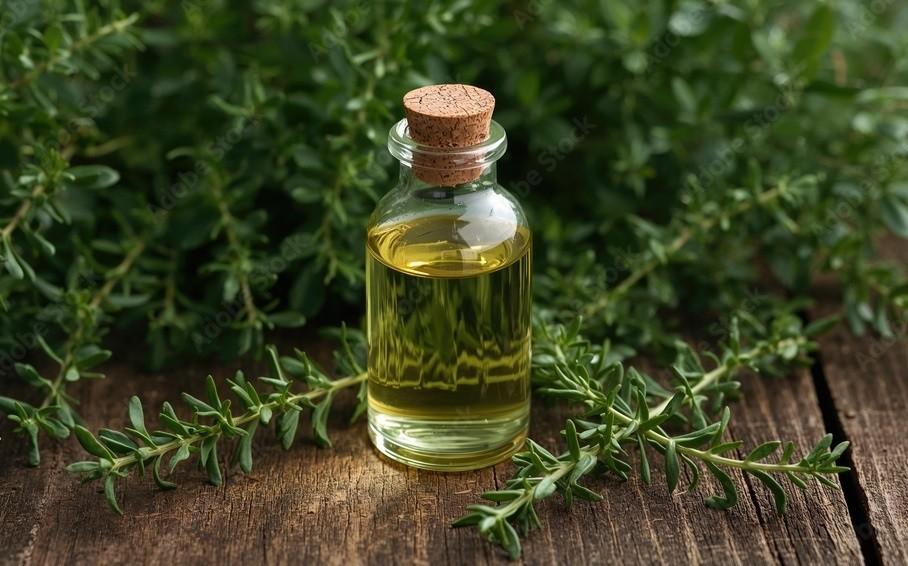
Thyme oil may be small in quantity, but its impact on health, wellness, and daily living is anything but small. Extracted from the aromatic leaves of the thyme plant, this essential oil has been valued for centuries in traditional medicine, cooking, and natural healing practices. From supporting immunity and respiratory health to enhancing skin and hair care routines, thyme oil has earned its place as a powerful natural remedy.
In this guide, we will explore everything you need to know about thyme oil—what it is, its science-backed health benefits, side effects, usage tips, dosage, and safety precautions—so you can use it wisely and confidently.
What Is Thyme Oil?
Thyme oil is an essential oil extracted from the leaves and flowering tops of the thyme plant, scientifically known as Thymus vulgaris. Native to the Mediterranean region, thyme has long been used as both a culinary herb and a medicinal plant.
The oil is typically obtained through steam distillation and is known for its strong, warm, herbaceous aroma. What makes thyme oil especially valuable is its high concentration of active compounds such as thymol and carvacrol, which are responsible for its antimicrobial, antioxidant, and anti-inflammatory properties.
Traditionally, thyme oil has been used to treat infections, respiratory problems, digestive issues, and skin conditions. Today, it is widely used in aromatherapy, natural medicine, personal care products, and even household cleaning solutions.
Components of Thyme Oil (Per 100 g)
| Component | Approximate Content |
|---|---|
| Thymol | 30–60% |
| Carvacrol | 2–5% |
| Linalool | Trace amounts |
| p-Cymene | Present |
| Terpinene | Present |
| Antioxidant compounds | High |
| Calories | Not significant |
| Vitamins | Trace |
| Minerals | Trace |
Note: Thyme oil is highly concentrated and should never be consumed undiluted or in large quantities.
20 Proven Benefits of Thyme Oil
1. Boosts Immune System
Thyme oil is rich in thymol, a compound known for its immune-stimulating properties. Regular use may help the body defend itself against infections and seasonal illnesses.
2. Supports Respiratory Health
Oil is commonly used to relieve coughs, bronchitis, asthma, and congestion. It helps loosen mucus and supports easier breathing.
3. Powerful Antibacterial Properties
The oil is effective against a wide range of bacteria, making it useful for wound care, oral hygiene, and natural cleaning solutions.
4. Antifungal Effects
Thyme oil can help combat fungal infections such as athlete’s foot, nail fungus, and candida when used correctly.
5. Improves Digestive Health
It stimulates digestive juices, reduces gas, and helps relieve bloating and indigestion.
6. Relieves Muscle and Joint Pain
Its warming and anti-inflammatory properties make it useful for massage oils targeting sore muscles and stiff joints.
7. Supports Skin Health
Oil may help reduce acne, eczema flare-ups, and minor skin infections due to its antimicrobial nature.
8. Promotes Hair Growth
By improving scalp circulation and reducing dandruff, thyme oil can support healthier hair growth.
9. Natural Antioxidant
The oil helps fight free radicals, which may slow down premature aging and cellular damage.
10. Enhances Mental Clarity
In aromatherapy, thyme oil is used to improve focus, alertness, and mental energy.
11. Reduces Stress and Fatigue
Its stimulating aroma may help reduce mental exhaustion and emotional stress.
12. Supports Oral Health
Oil is often used in natural mouthwashes to fight bad breath and gum infections.
13. Helps Regulate Blood Pressure
Some studies suggest thyme oil may help support healthy blood pressure levels when used appropriately.
14. Improves Circulation
It stimulates blood flow, which can benefit cold hands and feet and overall vitality.
15. Natural Insect Repellent
The strong aroma repels mosquitoes, lice, and other insects.
16. Supports Menstrual Comfort
Thyme oil may help relieve menstrual cramps and discomfort when used in massage blends.
17. Aids Wound Healing
Its antiseptic properties help keep minor cuts and wounds clean and protected.
18. Supports Gut Health
By reducing harmful bacteria, thyme oil may promote a healthier gut environment.
19. Helps Fight Cold and Flu
It is often used in steam inhalation to ease symptoms of colds and flu.
20. Improves Overall Vitality
When used consistently and safely, oil may support overall energy and well-being.
10 Side Effects of Thyme Oil
1. Skin Irritation
Undiluted thyme oil may cause redness, burning, or irritation on sensitive skin.
2. Allergic Reactions
Some people may experience itching, rash, or swelling.
3. Digestive Discomfort
Ingesting thyme oil without guidance can cause nausea or stomach upset.
4. Hormonal Effects
Thyme oil may influence hormone levels, especially estrogen.
5. Increased Heart Rate
Overuse may stimulate the nervous system excessively.
6. Blood Pressure Changes
It may lower blood pressure too much in some individuals.
7. Respiratory Irritation
Strong inhalation can irritate sensitive airways.
8. Headaches
Excessive aroma exposure may cause headaches in some people.
9. Drug Interactions
It may interact with blood pressure medications or blood thinners.
10. Not Safe for Long-Term Internal Use
Prolonged ingestion without professional advice is not recommended.
How to Use Thyme Oil?
Thyme oil can be used in several ways depending on your needs:
- Aromatherapy using a diffuser
- Topical application when diluted with a carrier oil
- Steam inhalation for respiratory relief
- Added to bathwater in small diluted amounts
Always dilute before use and perform a patch test.
Other Uses of Thyme Oil
- Natural household cleaner
- Insect repellent spray
- Hair oil blends
- Mouthwash formulations
- Natural deodorant ingredient
Tips for Consuming Thyme Oil
- Never consume undiluted oil
- Use only food-grade essential oil
- Follow professional dosage guidelines
- Avoid daily long-term consumption
- Consult a healthcare provider before internal use
How to Take Thyme Oil?
- Mixed with honey or warm water under expert guidance
- In capsule form prescribed by professionals
- As herbal formulations rather than pure oil
How to Make Thyme Oil at Home?
Ingredients:
- Fresh or dried thyme leaves
- Carrier oil (olive or coconut oil)
- Glass jar
Method:
- Crush thyme leaves lightly.
- Place them in a clean glass jar.
- Cover completely with carrier oil.
- Seal and store in a warm place for 2–3 weeks.
- Shake gently every few days.
- Strain and store in a dark bottle.
Note: This is an infused oil, not essential oil.
How Much Thyme Oil Can You Use Per Day?
- Aromatherapy: 2–3 drops in a diffuser
- Topical use: 1–2 drops diluted in 1 tablespoon carrier oil
- Internal use: Only under professional supervision
Thyme Oil Dosage
| Usage Type | Recommended Dosage |
|---|---|
| Diffuser | 2–3 drops |
| Massage | 1–2 drops per tablespoon carrier oil |
| Bath | 2 drops mixed with carrier oil |
| Internal | As prescribed |
Best Time to Use Thyme Oil
- Morning: For energy and focus
- During illness: For respiratory support
- Evening: In low amounts for relaxation
Who Should Use Thyme Oil?
- Adults seeking natural immunity support
- People with occasional respiratory issues
- Individuals looking for natural skin and hair care
- Those interested in aromatherapy benefits
Who Should Not Use Thyme Oil?
- Pregnant or breastfeeding women
- Children under 6 years
- People with high sensitivity or allergies
- Individuals on blood pressure or hormone-related medications
How to Store Thyme Oil?
- Store in a dark glass bottle
- Keep away from heat and sunlight
- Close tightly after use
- Store out of reach of children
Precautions and Interactions
- Always dilute before use
- Perform a patch test
- Avoid contact with eyes and mucous membranes
- Do not mix with medications without medical advice
- Stop use if irritation occurs
Final Thoughts
Thyme oil is a powerful natural remedy with a long history of use in traditional and modern wellness practices. When used correctly, it can support immunity, respiratory health, digestion, skin care, and overall vitality. However, because it is highly concentrated, respect and proper usage are essential. If you are new to oil, start slowly, use small amounts, and always prioritize safety. When in doubt, consult a qualified healthcare professional to ensure it fits well into your lifestyle and health routine.
FAQ’s
Can thyme oil be used every day?
Oil can be used daily in small, diluted amounts for aromatherapy or topical application. Daily internal use is not recommended unless supervised by a healthcare professional.
Is thyme oil safe for internal consumption?
Oil should only be consumed under professional guidance. It is highly concentrated and can cause irritation or side effects if taken incorrectly.
Can thyme oil help with cough and cold?
Yes, oil is commonly used to relieve cough, congestion, and respiratory discomfort due to its expectorant and antimicrobial properties.
Is thyme oil good for skin?
When diluted properly, oil may help reduce acne, minor infections, and inflammation. It should always be patch-tested before regular use.
Is thyme oil safe during pregnancy?
Oil is generally not recommended during pregnancy or breastfeeding due to its strong active compounds and potential hormonal effects.
Can children use thyme oil?
Oil is not suitable for young children. For older children, it should only be used in highly diluted form and under expert advice.
Does thyme oil lower blood pressure?
Oil may help support healthy blood pressure levels, but people taking blood pressure medications should use it cautiously and consult a healthcare provider.
How long does thyme oil last?
When stored properly in a dark, airtight glass bottle away from heat and sunlight, oil can last for 2 to 3 years.
What is the difference between thyme-infused oil and thyme essential oil?
Thyme-infused oil is made by soaking thyme leaves in a carrier oil and is milder. Thyme essential oil is steam-distilled and much more concentrated, requiring careful use.
What is thyme oil used for?
Oil is used for supporting respiratory health, boosting immunity, improving digestion, and promoting skin and scalp health. It is commonly used in aromatherapy, massage oils, natural remedies for cough and cold, and household cleaning products because of its strong antibacterial and antifungal properties.
What does thyme oil smell like?
Oil has a strong, warm, herbal aroma with slightly spicy and medicinal notes. Its scent is earthy and sharp, often described as energizing and cleansing rather than sweet or floral.
What does thyme oil taste like?
Oil has a very strong, bitter, and spicy taste. It is much more intense than dried or fresh thyme, which is why it should never be tasted directly and should only be consumed in extremely diluted forms under professional guidance.
Can you put thyme oil directly on skin?
No, oil should not be applied directly to the skin. It must always be diluted with a carrier oil, such as coconut or jojoba oil, to avoid irritation, burning, or allergic reactions.
Can thyme oil grow hair?
Oil may help support hair growth by improving blood circulation to the scalp, reducing dandruff, and keeping the scalp clean. While it is not a guaranteed hair growth solution, regular use in diluted hair oil blends may promote healthier and stronger hair over time.
What is thyme oil good for?
Oil is good for fighting infections, relieving congestion, reducing inflammation, supporting oral health, and improving mental alertness. When used properly, it may also help with acne, dandruff, muscle pain, and seasonal illnesses.
Also Read: