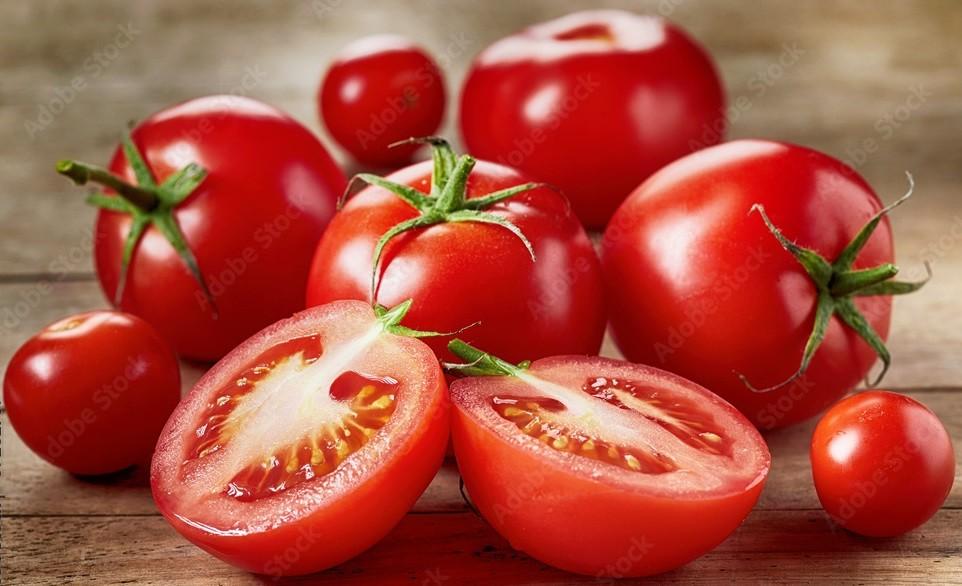
Tomatoes are a staple in kitchens around the world. Whether sliced on a sandwich, blended into sauces, or enjoyed fresh in a salad, this vibrant red fruit plays a central role in countless dishes. You probably have tomatoes in your kitchen right now without even thinking about the incredible nutritional value they carry or the role they’ve played in shaping cuisines across cultures.
But tomatoes are much more than just a salad ingredient or pizza topping. They are loaded with powerful antioxidants, essential vitamins, hydration, and natural compounds that support overall health, skin, heart function, and immunity. At the same time, like almost everything in nutrition, tomato may not suit everyone equally. In this guide, we’ll explore everything you need to know about tomatoes—from what they are and how they nourish your body to the best ways to consume and store them.
What is Tomatoes?
Tomatoes are technically fruits (botanically classified as berries), but they are used as vegetables in culinary traditions around the world. They come from the flowering plant Solanum lycopersicum, which belongs to the nightshade family. This includes other plants like potatoes, eggplants, and peppers.
Originally native to western South America, tomatoes were introduced to Europe in the 16th century and have since become one of the most widely consumed foods on the planet. Present-day tomatoes come in various shapes, sizes, and colors—red, yellow, orange, green, and even purple varieties exist.
From chunky beefsteak tomatoes used for burgers to small cherry tomatoes eaten in salads and snacks, the tomato stands as one of the most versatile and accessible foods worldwide. Beyond taste and versatility, tomato are valued for their high water content and impressive nutritional profile.
Nutrition Facts of Tomatoes
Here is the approximate nutritional value for 100 grams of raw tomatoes:
| Nutrient | Amount |
|---|---|
| Calories | 18 kcal |
| Water | 95% |
| Carbohydrates | 3.9 g |
| Sugars | 2.6 g |
| Fiber | 1.2 g |
| Protein | 0.9 g |
| Fat | 0.2 g |
| Vitamin C | 13.7 mg (23% DV) |
| Vitamin A | 833 IU (17% DV) |
| Vitamin K | 7.9 µg |
| Potassium | 237 mg |
| Folate (B9) | 15 µg |
| Lycopene | 2,573 µg |
| Beta-carotene | 449 µg |
| Magnesium | 11 mg |
Tomatoes are low in calories but high in nutrients. What makes them truly special is their high content of lycopene, an antioxidant linked to multiple health benefits.
20 Proven Health Benefits of Tomatoes
- Supports heart health: Tomatoes contain lycopene and potassium, both of which help regulate blood pressure and reduce the risk of heart disease.
- Rich in antioxidants: Lycopene, vitamin C, and beta-carotene help fight free radicals in the body.
- Improves skin health: Regular consumption may help protect skin from UV radiation and delay signs of aging.
- Boosts immunity: High vitamin C content supports the immune system.
- Supports eye health: Contains lutein, beta-carotene, and vitamin A to protect vision.
- May reduce cancer risk: Studies associate lycopene with a lower risk of prostate, lung, and stomach cancers.
- Aids digestion: Tomatoes contain fiber and water, improving digestion and preventing constipation.
- Keeps you hydrated: With 95% water content, tomato help meet hydration needs.
- Supports bone health: Vitamin K and calcium contribute to bone strength.
- Improves metabolic function: Helps regulate fat metabolism and blood sugar levels.
- Supports weight loss: Low in calories, high in water and fiber, making you feel full longer.
- Helps prevent inflammation: Anti-inflammatory compounds reduce chronic inflammation.
- Supports liver health: Aids detoxification and liver function.
- Strengthens blood vessels: Antioxidants improve circulation and vessel elasticity.
- May reduce stroke risk: Potassium helps regulate blood flow and pressure.
- Promotes healthy hair: Vitamins A and C contribute to healthy scalp and hair follicles.
- Supports gut bacteria: Natural compounds promote a healthier gut microbiome.
- Helps control blood sugar: Low glycemic index makes tomato safe for diabetics in moderation.
- Aids recovery after exercise: Helps replenish lost nutrients and electrolytes.
- Enhances mood and energy levels: B vitamins support brain function and energy production.
10 Side Effects of Tomatoes
Although tomatoes are healthy, excessive or sensitive consumption may cause certain side effects in some individuals:
- Acid reflux and heartburn due to high acidity
- Allergic reactions such as itching or swelling
- Digestive discomfort in sensitive individuals
- Kidney stones risk when eaten in large amounts (oxalates)
- Joint inflammation in people sensitive to nightshades
- Skin rashes in rare allergic conditions
- Migraines for people sensitive to histamines
- Stomach cramps if eaten unripe
- Worsening of GERD symptoms
- Interaction with blood thinners due to vitamin K
Moderation and awareness of your body’s reaction are essential.
How to Eat Tomatoes?
Tomatoes are one of the easiest foods to include in your daily routine. Here are popular ways to eat them:
- Raw in salads or sandwiches
- Sliced with salt and black pepper
- Blended into smoothies
- Cooked in curries and pasta sauces
- Baked with herbs and cheese
- Stuffed and roasted
- Added to omelettes
- Used in soups and stews
- Pickled or sun-dried
- Juiced with carrots and celery
Both raw and cooked forms offer health benefits, but cooked tomatoes increase the availability of lycopene.
Tips for Consuming Tomatoes
- Choose firm, brightly colored tomatoes
- Avoid overly soft or bruised ones
- Store at room temperature for better flavor
- Add a little fat (olive oil) to increase nutrient absorption
- Wash thoroughly before use
- Avoid consuming large quantities on an empty stomach
- Pair with leafy greens for balanced nutrition
- Use fresh tomatoes instead of canned whenever possible
Other Uses of Tomatoes
Beyond food, tomato have many traditional and practical uses:
- Used in natural face masks for glowing skin
- Helps reduce skin oiliness
- Used in hair treatments for dandruff
- Natural stain remover
- Added to homemade fertilizers
- Used in traditional remedies for sunburn
- Tomato pulp used in DIY scrubs
- Juiced for detox beverages
How to Cook Tomatoes?
Tomatoes are incredibly flexible in cooking. Some popular cooking methods include:
1) Boiling: Tomatoes can be blanched for easy peeling.
2) Sautéing: Used as a base for curries, gravies, and sauces.
3) Roasting: Enhances sweetness and flavor intensity.
4) Grilling: Adds a smoky taste to dishes.
5) Blending: Used to create soups, ketchup, and sauces.
6) Pressure cooking: Common in stews and Indian curries.
Cooking tomato with a healthy oil improves lycopene absorption, making them even more beneficial.
How Much Tomatoes Can You Eat in a Day?
For most people, 1 to 2 medium-sized tomatoes per day is considered safe and healthy. This amount provides a generous dose of antioxidants and vitamin C without overwhelming your digestive system.
People with acid reflux, allergies, or kidney problems should limit intake and consult a healthcare provider for personalized guidance.
Best Time to Eat Tomatoes
The best time to eat tomato is during the daytime, especially:
- At breakfast in an omelette or salad
- At lunch with a balanced meal
- As an afternoon snack
It is best to avoid eating tomato late at night if you are prone to acid reflux or indigestion since they are acidic.
Who Should Eat Tomatoes?
Tomatoes are especially beneficial for:
- People looking to improve heart health
- Individuals trying to lose weight
- Those with low immunity
- Athletes and active individuals
- People with dry or dull skin
- Anyone seeking hydration and antioxidants
- People managing blood pressure
- Children and adults looking for natural nutrition
Who Should Not Eat Tomatoes?
Some individuals should be cautious or avoid tomatoes:
- People with severe acid reflux or GERD
- Those allergic to nightshades
- People with kidney stones
- Individuals with joint inflammation linked to nightshades
- People taking blood-thinning medication (should consult a doctor)
Listening to your body is essential.
How to Store Tomatoes?
Proper storage keeps tomatoes fresh and flavorful:
- Keep whole tomatoes at room temperature, away from sunlight
- Do not refrigerate uncut tomatoes (affects taste)
- Store cut tomato in an airtight container in the fridge
- Use refrigerated tomato within 2–3 days
- Freeze tomatoes for long-term storage
- Sun-dry tomato for preservation
- Avoid washing before storage to prevent spoilage
Precautions and Interactions
While tomatoes are safe for most people, a few precautions should be noted:
- Limit intake if you have acid reflux
- Avoid green/unripe tomato in large quantities
- Wash thoroughly to remove pesticides
- Be cautious if you are on blood thinners (vitamin K interaction)
- Balance with alkaline foods to reduce acidity
- People with IBS should start with small amounts
Always speak with a healthcare professional if you experience any adverse reactions.
Final Thoughts
Tomatoes are one of the most accessible and powerful natural foods on the planet. They combine flavor, versatility, and healing potential into one simple ingredient. From improving heart health to supporting beautiful skin and aiding digestion, tomato truly deserve their place as a daily dietary staple. However, as with anything in nutrition, balance is key. Listen to your body, enjoy them in moderation, and pair them wisely for maximum benefit.
FAQ’s
Can you eat tomato raw?
Yes, tomato can be safely eaten raw and are commonly enjoyed in salads, sandwiches, and snacks. Raw tomato are refreshing, hydrating, and retain a good amount of vitamin C and natural enzymes. Just make sure to wash them thoroughly before eating to remove any dirt or pesticides.
Can pregnant women eat tomato?
Yes, pregnant women can eat tomato in moderate amounts. Tomato provide important nutrients like vitamin C, potassium, folate, and antioxidants that support both maternal and fetal health. However, if a pregnant woman experiences acidity or heartburn, it is best to consume tomato in smaller portions or in cooked form.
What does tomato taste like?
The taste of a tomato is a balance of sweet and slightly tangy with refreshing juiciness. Ripe tomato tend to be sweeter and more flavorful, while unripe tomatoes are firmer, sour, and slightly bitter in comparison.
Can children eat tomato?
Yes, children can eat tomato safely once they are being introduced to solid foods. Tomato provide essential vitamins that support growth and immunity. For younger children, it is better to serve cooked or peeled tomato to prevent choking and to make them easier to digest.
Which is better, cucumber or tomato?
Both cucumber and tomato are healthy and offer different benefits. Cucumber is very hydrating and low in calories, while tomato are richer in vitamins, antioxidants, and minerals like vitamin C and lycopene. For overall nutrition, tomatoes are generally more nutrient-dense, while cucumbers are better for hydration.
Are tomatoes too acidic for pregnancy?
Tomato are naturally acidic and may increase heartburn, which is common during pregnancy. However, they are not dangerous for the baby. If acidity becomes uncomfortable, pregnant women should limit raw tomato and choose cooked forms or pair tomato with other foods to reduce irritation.
Are tomatoes fruits or vegetables?
Botanically, tomato are fruits because they develop from the flower of the plant and contain seeds. However, in cooking, they are commonly treated as vegetables because of their savory taste and culinary use in dishes like curries, salads, and sauces.
Is it safe to eat tomatoes every day?
Yes, for most people it is safe to eat tomato daily in moderation. Consuming one to two medium tomato per day can provide antioxidants, vitamins, and hydration. However, people with acid reflux, kidney issues, or tomato allergies should limit intake.
Do cooked tomatoes lose their nutrients?
Cooking tomato may slightly reduce vitamin C, but it actually increases the availability of lycopene, a powerful antioxidant. This means cooked tomato dishes like soups and sauces can be just as healthy, if not healthier, than raw tomato.
Are tomatoes good for weight loss?
Yes, tomato are excellent for weight loss because they are low in calories, high in fiber, and contain a lot of water. They help keep you full while providing essential nutrients needed for a healthy metabolism.
Can people with diabetes eat tomatoes?
Yes, people with diabetes can safely eat tomato in moderate amounts. Tomato have a low glycemic index and do not cause sudden spikes in blood sugar when consumed as part of a balanced meal.
Are tomatoes acidic for the stomach?
Yes, tomato are naturally acidic, which can sometimes cause heartburn or discomfort in people with sensitive stomachs or acid reflux. In these cases, it is better to consume them in smaller quantities or cooked form.
Is tomato juice good for health?
Tomato juice is rich in vitamins A and C, potassium, and lycopene. When freshly prepared and unsweetened, it supports hydration, heart health, and immunity. Avoid commercial versions with added sugar and salt.
Are tomatoes good for the skin?
Yes, tomato contain antioxidants and vitamin C, which support collagen production and protect the skin from free radical damage. Regular consumption may help improve skin texture and glow over time.
Also Read: