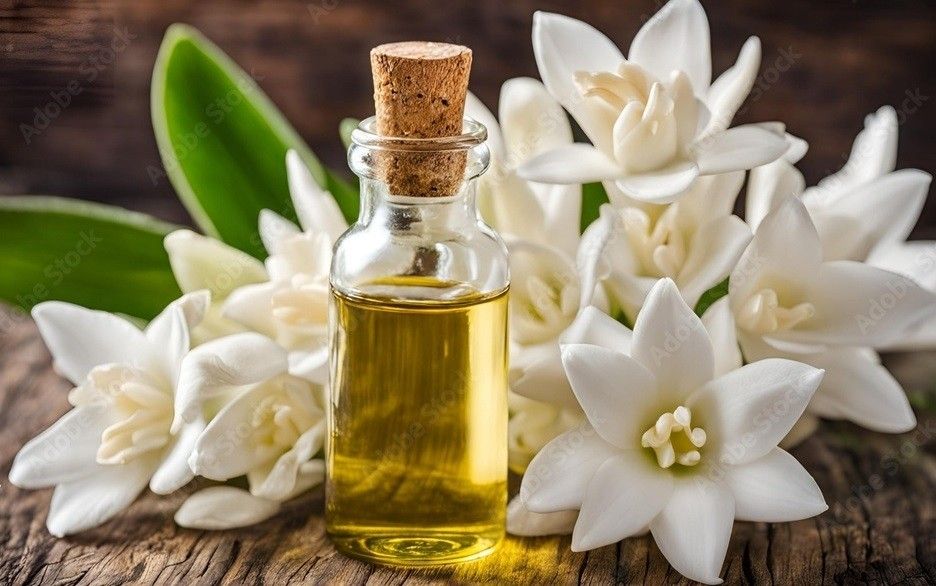
Tuberose oil is one of those rare essential oils that instantly feels luxurious. Its rich, floral aroma has been prized for centuries in perfumery, traditional medicine, and spiritual practices. Often described as intoxicating, creamy, and deeply soothing, tuberose oil is more than just a fragrance—it’s a powerful natural remedy for emotional balance, skin health, and overall well-being.
In this guide, we’ll explore everything you need to know about tuberose oil, from its components and amazing benefits to safe usage, dosage, side effects, and even how to make it at home.
What is Tuberose Oil?
Tuberose oil is an aromatic essential oil extracted from the flowers of the tuberose plant (Polianthes tuberosa), a night-blooming flower native to Mexico and widely cultivated in India and other tropical regions.
The oil is typically obtained through solvent extraction, producing tuberose absolute rather than steam-distilled oil. This is because tuberose flowers are extremely delicate, and traditional steam distillation can destroy their aromatic compounds.
Tuberose oil has been used historically in:
- Traditional healing practices
- Aromatherapy
- Luxury perfumery
- Emotional and spiritual rituals
Its scent is deeply floral, slightly sweet, and warm, often associated with romance, relaxation, and emotional grounding.
Components of Tuberose Oil
| Component | Role and Properties |
|---|---|
| Benzyl alcohol | Antimicrobial, soothing |
| Benzyl benzoate | Anti-inflammatory, aromatic |
| Eugenol | Pain-relieving, antiseptic |
| Farnesol | Antibacterial, skin-soothing |
| Nerolidol | Antioxidant, calming |
| Geraniol | Anti-aging, antimicrobial |
| Methyl benzoate | Fragrance-enhancing compound |
| Indole | Mood-lifting, aromatic depth |
These natural compounds work together to give tuberose oil its therapeutic, emotional, and skincare benefits.
20 Proven Benefits of Tuberose Oil
1. Promotes Deep Relaxation
Tuberose oil has a calming effect on the nervous system, making it ideal for stress relief after a long day.
2. Reduces Anxiety and Emotional Tension
Its grounding aroma helps ease anxious thoughts and emotional restlessness.
3. Acts as a Natural Aphrodisiac
Tuberose oil has long been associated with enhancing intimacy and emotional connection.
4. Improves Sleep Quality
Diffusing tuberose oil before bedtime can promote deeper, more restful sleep.
5. Supports Emotional Healing
It helps release suppressed emotions and supports emotional balance during difficult times.
6. Enhances Mood
Tuberose oil can help uplift mood and reduce feelings of sadness or emotional fatigue.
7. Nourishes Dry Skin
When diluted, it deeply moisturizes and softens dry or flaky skin.
8. Reduces Signs of Aging
Its antioxidant compounds help combat fine lines and loss of skin elasticity.
9. Soothes Skin Irritation
Useful for calming redness, itching, and minor skin discomfort.
10. Supports Hormonal Balance
Traditionally used to ease menstrual discomfort and emotional swings.
11. Relieves Muscle Tension
When used in massage, it helps relax tight muscles and reduce soreness.
12. Enhances Meditation and Spiritual Practices
Its aroma helps deepen focus and mindfulness.
13. Acts as a Natural Deodorizer
The strong floral scent neutralizes unpleasant odors.
14. Supports Respiratory Comfort
Inhalation may help ease mild respiratory discomfort.
15. Antibacterial Properties
Helps protect skin from harmful bacteria when properly diluted.
16. Boosts Confidence
Its luxurious scent is known to promote feelings of self-worth and confidence.
17. Improves Hair Aroma and Scalp Comfort
Added to hair oils, it leaves hair fragrant and nourished.
18. Reduces Fatigue
Its invigorating aroma helps fight mental and emotional exhaustion.
19. Enhances Perfume Blends
Widely used as a base note in natural perfumes.
20. Encourages Emotional Intimacy
Often used in aromatherapy to strengthen emotional bonds.
10 Side Effects of Tuberose Oil
1. Skin Irritation
Undiluted oil may cause redness or itching.
2. Allergic Reactions
Sensitive individuals may experience rashes or discomfort.
3. Headaches
Strong aroma may trigger headaches if overused.
4. Nausea
Excessive inhalation can cause mild nausea.
5. Hormonal Sensitivity
May affect individuals with hormone-sensitive conditions.
6. Respiratory Sensitivity
Strong fragrance may irritate sensitive airways.
7. Photosensitivity
May increase skin sensitivity to sunlight in some cases.
8. Dizziness
Overexposure can cause light-headedness.
9. Not Safe for Ingestion
Essential oils should not be consumed without medical supervision.
10. Pregnancy Concerns
May stimulate hormonal responses during pregnancy.
How to Use Tuberose Oil?
- Aromatherapy diffuser
- Diluted topical application
- Massage blends
- Bath oil
- Natural perfume blends
Always dilute with a carrier oil such as coconut, jojoba, or almond oil.
Other Uses of Tuberose Oil
- Natural room freshener
- Linen and pillow spray
- Meditation rituals
- Luxury candle making
- Skincare formulations
- Natural perfumery
Tips for Consuming Tuberose Oil
Tuberose oil is not recommended for oral consumption. If prescribed by a qualified professional, it should be in extremely diluted medicinal preparations only.
How to Take Tuberose Oil?
- Inhalation: Diffuse 2–3 drops
- Topical use: Dilute 1–2 drops in 1 tablespoon carrier oil
- Bath: Mix with carrier oil before adding to bathwater
How to Make Tuberose Oil at Home?
Ingredients:
- Fresh tuberose flowers
- Carrier oil (jojoba or almond)
- Glass jar
Method:
- Clean and dry the flowers completely.
- Place them in a glass jar.
- Cover fully with carrier oil.
- Seal and keep in a warm place for 2–3 weeks.
- Strain and store in a dark bottle.
Note: This method produces infused oil, not essential oil.
How Much Tuberose Oil Can You Use Per Day?
- Aromatherapy: 2–4 drops
- Topical use: Maximum 1–2 drops diluted
- Bath use: 2 drops mixed with carrier oil
| Usage Type | Safe Dosage |
|---|---|
| Diffuser | 2–4 drops |
| Massage | 1–2 drops per tablespoon carrier oil |
| Bath | 2 drops diluted |
Best Time to Use Tuberose Oil
- Evening or nighttime for relaxation
- Before meditation or yoga
- During self-care routines
- Before sleep
Who Should Use Tuberose Oil?
- People experiencing stress or anxiety
- Individuals seeking emotional balance
- Those with dry or mature skin
- People practicing meditation or mindfulness
- Anyone interested in natural fragrance therapy
Who Should Not Use Tuberose Oil?
- Pregnant or breastfeeding women
- People with fragrance sensitivities
- Individuals with hormone-sensitive conditions
- Children under 12
- Those with severe allergies
How to Store Tuberose Oil?
- Store in a dark glass bottle
- Keep away from heat and sunlight
- Store in a cool, dry place
- Keep tightly sealed
Proper storage preserves aroma and potency.
Precautions and Interactions
- Always perform a patch test
- Do not apply undiluted
- Avoid mixing with strong sedative oils
- Consult a healthcare professional if on medication
- Avoid contact with eyes and mucous membranes
FAQ’s
What is tuberose oil used for?
Oil is mainly used for relaxation, emotional balance, skincare, aromatherapy, and natural perfumery. Its calming aroma helps reduce stress and promotes a sense of well-being.
Is tuberose oil safe for skin?
Yes, oil is generally safe for skin when properly diluted with a carrier oil. Undiluted use may cause irritation, especially for sensitive skin types.
Can tuberose oil help with stress and anxiety?
Oil is known for its soothing and grounding aroma, which can help calm the nervous system and reduce feelings of stress and anxiety when used in aromatherapy.
Can tuberose oil be used daily?
Oil can be used daily in small, diluted amounts for aromatherapy or topical application. Overuse should be avoided due to its strong fragrance.
Is tuberose oil safe during pregnancy?
Oil is generally not recommended during pregnancy unless advised by a qualified healthcare professional, as it may influence hormonal balance.
Does tuberose oil help with sleep?
Yes, diffusing oil in the evening can promote relaxation and support better sleep by calming the mind and body.
Can tuberose oil be ingested?
Oil should not be ingested unless under the supervision of a qualified professional. It is primarily meant for external and aromatic use.
What does tuberose oil smell like?
Oil has a rich, creamy, floral scent with sweet and warm undertones, often described as intense and luxurious.
What is tuberose oil good for?
Oil is mainly used for relaxation, emotional balance, and aromatherapy. Its soothing floral aroma helps reduce stress, uplift mood, and promote better sleep. When diluted and applied topically, it can nourish dry skin, support healthy-looking skin, and help ease muscle tension during massage.
Is tuberose oil safe for children?
Oil is generally not recommended for young children, especially under the age of 12, due to its strong fragrance and potency. If used at all, it should be highly diluted and only after consulting a healthcare professional or aromatherapy expert.
What does tuberose oil taste like?
Oil is not meant to be tasted or consumed. Essential oils are highly concentrated and can be harmful if ingested. If accidentally tasted, it may feel bitter and irritating, so oral use should always be avoided.
What is the Indian name for tuberose?
In India, tuberose is commonly known as Rajnigandha, which means “fragrance of the night.” The flower is widely used in garlands, religious offerings, and traditional ceremonies.
Is tuberose oil good for hair?
Yes, when properly diluted, this oil can be beneficial for hair care. It helps improve hair fragrance, supports scalp comfort, and adds a natural shine to the hair. Mixed with a carrier oil, it can also help reduce dryness and make hair feel softer and more manageable.
Also Read: