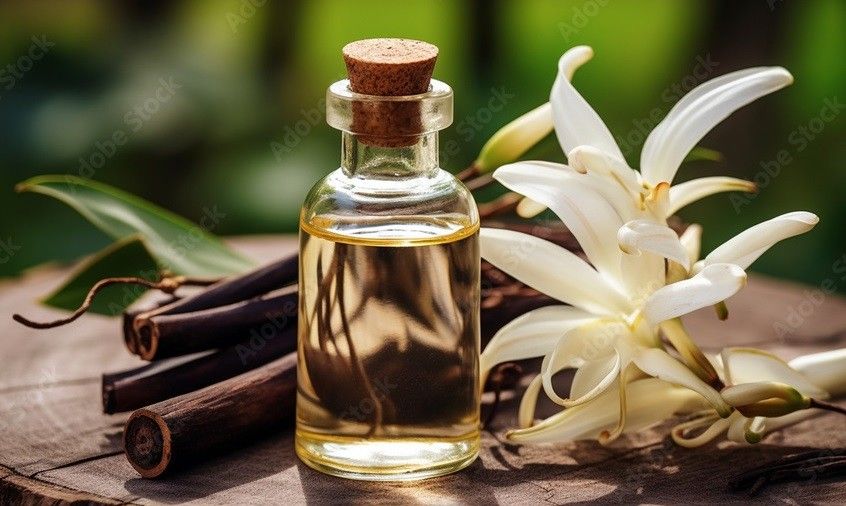
Vanilla oil is often associated with warmth, comfort, and indulgence. Its sweet, creamy aroma instantly reminds many people of home-baked desserts or soothing fragrances. But vanilla oil is much more than just a pleasant scent. For centuries, it has been valued for its calming, therapeutic, and wellness-boosting properties.
Extracted from the vanilla bean, vanilla oil has found its way into aromatherapy, skincare, natural remedies, and even emotional well-being practices. In this guide, we’ll explore what vanilla oil is, what it contains, its science-backed benefits and side effects, how to use it safely, dosage recommendations, and much more.
What Is Vanilla Oil?
Vanilla oil is derived from the beans of the vanilla orchid, most commonly Vanilla planifolia. Unlike synthetic vanilla fragrances, true vanilla oil is obtained through a careful extraction process that preserves the plant’s natural compounds.
There are two main forms people often confuse:
- Vanilla essential oil, which is highly concentrated and usually extracted using solvent or CO₂ extraction
- Vanilla-infused oil, made by soaking vanilla beans in a carrier oil
True vanilla oil has a rich, sweet, and slightly woody aroma. It is widely used in aromatherapy, skincare, massage oils, perfumes, and wellness routines due to its soothing and grounding nature.
Components of Vanilla Oil
Vanilla oil contains several bioactive compounds that contribute to its fragrance and therapeutic properties.
| Component | Role and Benefits |
|---|---|
| Vanillin | Powerful antioxidant, calming aroma |
| Eugenol | Mild analgesic and anti-inflammatory properties |
| Acetic acid | Supports antimicrobial activity |
| Guaiacol | Contributes to soothing and warming effects |
| Anisic aldehyde | Enhances fragrance and relaxation |
| Furfurals | Supports antioxidant action |
These natural compounds work together to make vanilla oil beneficial for both physical and emotional well-being.
20 Proven Benefits of Vanilla Oil
1. Promotes Relaxation and Calmness
Vanilla oil has a naturally soothing scent that helps calm the nervous system. It is often used to reduce restlessness and promote emotional balance after a long day.
2. Helps Reduce Stress and Anxiety
The comforting aroma of oil can lower stress levels by triggering feelings of safety and warmth. Many people use it during meditation or bedtime routines.
3. Supports Better Sleep
When diffused before bedtime, vanilla oil may help quiet the mind and prepare the body for deeper, more restful sleep.
4. Acts as a Natural Antioxidant
Vanillin, the main compound in oil, helps combat oxidative stress, which supports overall cellular health.
5. Enhances Mood
Vanilla oil is known for its mood-lifting properties. It can help reduce feelings of sadness or emotional fatigue.
6. Supports Skin Health
When diluted properly, oil can help nourish the skin and improve its overall texture due to its antioxidant content.
7. Helps Soothe Irritated Skin
Its gentle nature makes vanilla oil useful for calming minor skin irritation when mixed with a carrier oil.
8. May Reduce Inflammation
Certain compounds in oil possess mild anti-inflammatory properties that may help soothe sore muscles and joints.
9. Supports Healthy Digestion
In aromatherapy, vanilla oil is sometimes used to help relax the digestive system and reduce feelings of discomfort.
10. Acts as a Natural Aphrodisiac
Vanilla’s warm, sensual aroma has long been associated with enhancing intimacy and emotional connection.
11. Helps Reduce Cravings
The sweet aroma of vanilla oil may help curb sugar cravings by satisfying the brain’s desire for sweetness.
12. Supports Respiratory Comfort
When inhaled, oil may help create a sense of open, relaxed breathing.
13. Aids in Emotional Healing
Vanilla oil is often used in emotional wellness practices to promote comfort during grief, loneliness, or emotional stress.
14. Enhances Focus and Mental Clarity
Its grounding scent can help improve concentration without overstimulation.
15. Supports Anti-Aging Skincare
The antioxidants in oil may help protect skin from environmental damage when used regularly.
16. Helps Reduce PMS-Related Mood Swings
Vanilla oil’s calming effect may help ease emotional fluctuations during hormonal changes.
17. Provides Natural Fragrance
Oil is a popular base note in perfumes due to its long-lasting and comforting aroma.
18. Supports Muscle Relaxation
When used in massage oils, vanilla oil may help relax tense muscles.
19. May Help With Mild Headaches
Inhalation or gentle massage with diluted oil may help ease tension-related headaches.
20. Encourages Mind-Body Balance
Overall, oil helps create harmony between emotional and physical well-being.
10 Side Effects of Vanilla Oil
Despite its gentle nature, vanilla oil should be used carefully.
1. Skin Irritation
Undiluted oil may cause redness or irritation, especially for sensitive skin.
2. Allergic Reactions
Some individuals may experience itching, rashes, or swelling.
3. Headaches From Overuse
Strong or prolonged exposure to the aroma may trigger headaches in sensitive individuals.
4. Nausea
Ingesting vanilla oil without guidance can cause stomach discomfort.
5. Photosensitivity
In rare cases, topical use may increase skin sensitivity to sunlight.
6. Respiratory Sensitivity
People with asthma or respiratory conditions should use it cautiously.
7. Hormonal Sensitivity
Overuse may interfere with hormonal balance in sensitive individuals.
8. Dizziness
Strong inhalation may cause lightheadedness in some people.
9. Interaction With Medications
Oil may interact with sedatives or antidepressants.
10. Not Safe for Everyone
Pregnant or breastfeeding women should consult a healthcare professional before use.
How to Use Vanilla Oil?
Oil can be used in several ways:
- Aromatherapy through diffusers
- Topical application when diluted
- Massage oils
- Skincare formulations
- Personal fragrances
Always dilute oil with a carrier oil such as coconut, almond, or jojoba oil before topical use.
Other Uses of Vanilla Oil
- Natural room freshener
- Homemade perfumes
- Scented candles
- Bath oils
- Linen sprays
- Meditation and yoga practices
Tips for Consuming Vanilla Oil
- Only consume food-grade vanilla oil
- Start with very small amounts
- Avoid daily ingestion without guidance
- Mix with honey, warm milk, or herbal tea
- Never consume essential oil directly
How to Take Vanilla Oil?
If recommended by a professional:
- Add 1 drop to warm beverages
- Mix with carrier oils for oral blends
- Use occasionally rather than daily
How to Make Vanilla Oil at Home?
Ingredients:
- 5–6 vanilla beans
- 1 cup carrier oil (almond, jojoba, or coconut)
Method:
- Slice vanilla beans lengthwise
- Place in a glass jar
- Pour carrier oil to fully cover beans
- Seal and store in a dark place
- Shake gently every few days
- Infuse for 6–8 weeks
- Strain and store in a clean bottle
How Much Vanilla Oil Can You Use Per Day?
For general use:
- Aromatherapy: 3–5 drops in a diffuser
- Topical use: 1–2 drops diluted per tablespoon of carrier oil
- Oral use: Only if food-grade and professionally advised
Vanilla Oil Dosage
| Use Type | Recommended Dosage |
|---|---|
| Diffuser | 3–5 drops |
| Topical | 1–2 drops diluted |
| Massage | 5–10 drops in 30 ml carrier oil |
| Oral (if advised) | 1 drop occasionally |
Best Time to Use Vanilla Oil
- Evening or bedtime for relaxation
- During meditation or yoga
- After a stressful day
- During self-care routines
Who Should Use Vanilla Oil?
- Individuals experiencing stress or anxiety
- People seeking natural relaxation
- Those looking for gentle skincare support
- Anyone wanting a natural fragrance
Who Should Not Use Vanilla Oil?
- Pregnant or breastfeeding women without medical advice
- People with known allergies
- Individuals with asthma or respiratory issues
- Children without professional guidance
How to Store Vanilla Oil?
- Store in a dark glass bottle
- Keep away from heat and sunlight
- Seal tightly after use
- Store in a cool, dry place
Proper storage helps maintain potency and shelf life.
Precautions and Interactions
- Always perform a patch test
- Avoid contact with eyes and mucous membranes
- Do not use undiluted on skin
- Consult a healthcare provider if taking medications
- Avoid long-term internal use
Final Thoughts
Vanilla oil is more than just a sweet-smelling extract. It offers a comforting blend of emotional, physical, and sensory benefits when used mindfully. Whether you’re looking to relax your mind, support skin health, or simply enjoy its warm aroma, oil can be a gentle yet powerful addition to your wellness routine. As with any natural remedy, moderation and proper usage are key. When respected and used correctly, oil can become a comforting companion in your everyday self-care journey.
FAQ’s
What is vanilla oil used for?
Oil is commonly used for relaxation, stress relief, aromatherapy, skincare, massage, and as a natural fragrance. Its calming aroma also makes it popular for improving mood and sleep quality.
Can vanilla oil be used on the skin?
Yes, oil can be used on the skin when properly diluted with a carrier oil. It may help nourish the skin and soothe mild irritation, but a patch test is recommended before use.
Is vanilla oil safe to consume?
Only food-grade oil should be consumed, and that too in very small amounts. Essential oil should never be ingested without professional guidance.
Can vanilla oil help with sleep?
Yes, oil’s calming and comforting scent may help relax the mind and promote better sleep when used in a diffuser before bedtime.
Is vanilla oil safe for children?
Oil should be used cautiously for children. Always dilute it well and consult a healthcare professional before use.
How often can vanilla oil be used?
Oil can be used a few times a week for aromatherapy or topical application. Daily use should be moderate and well-diluted.
Can pregnant women use vanilla oil?
Pregnant women should consult a healthcare provider before using oil, as essential oils can affect hormonal balance.
What does vanilla oil smell like?
Oil has a sweet, warm, creamy, and slightly woody aroma that feels comforting and soothing.
What is vanilla oil good for?
Oil is good for promoting relaxation, reducing stress and anxiety, improving mood, supporting better sleep, and enhancing aromatherapy practices. When diluted, it can also be used for gentle skincare, massage, and as a natural fragrance.
Can I use vanilla oil every day?
Yes, oil can be used every day in moderation, especially for aromatherapy or as a diluted topical oil. However, daily use on the skin should always be well-diluted, and internal use should be avoided unless advised by a professional.
What does vanilla oil taste like?
Oil has a rich, sweet, and creamy taste with slightly warm and woody notes. It is much stronger than vanilla extract, so even small amounts have a bold flavor.
Why is vanilla oil so expensive?
Oil is expensive because vanilla beans are labor-intensive to grow and harvest. The extraction process is time-consuming and requires a large quantity of beans to produce a small amount of oil.
Is vanilla oil different than vanilla extract?
Yes, oil is different from vanilla extract. Vanilla oil is oil-based and more concentrated, while vanilla extract is alcohol-based and commonly used in cooking and baking.
Does vanilla oil brighten skin?
Oil does not directly bleach or whiten the skin, but its antioxidants may help improve skin texture and glow over time by supporting healthy skin.
Can I put vanilla oil in my bath?
Yes, oil can be added to bathwater. Mix a few drops with a carrier oil or milk before adding it to the bath to help disperse it evenly and avoid skin irritation.
Can vanilla oil go in your hair?
Yes, oil can be used in hair care when diluted. It may help nourish the scalp, add shine, and provide a pleasant fragrance, but it should not be applied directly without dilution.
Also Read: