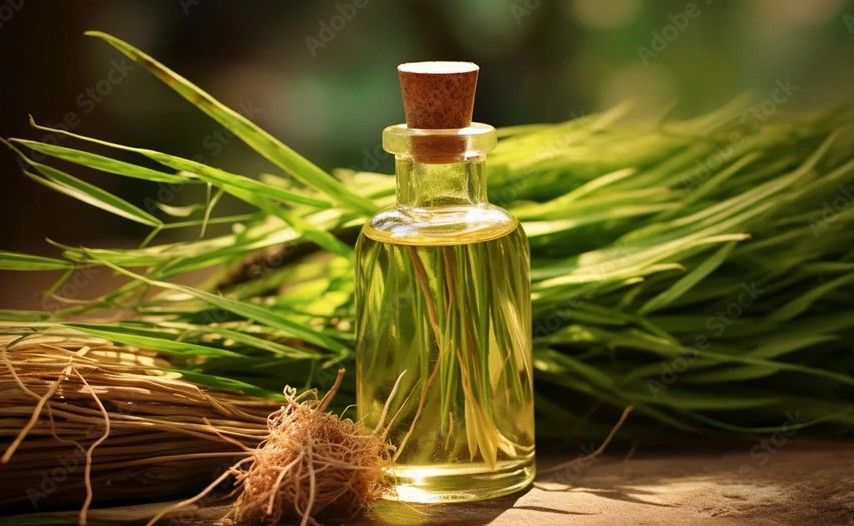
Vetiver oil is one of those rare natural oils that quietly does a lot of heavy lifting for both the mind and body. Often described as earthy, grounding, and deeply calming, this oil has been used for centuries in traditional medicine, perfumery, and wellness practices. From easing anxiety and improving sleep to supporting skin and hair health, vetiver oil is far more than just a pleasant fragrance.
In this guide, we’ll explore everything you need to know about vetiver oil—what it is, its scientifically backed benefits, how to use it safely, who should avoid it, and much more.
What Is Vetiver Oil?
Vetiver oil is an essential oil extracted from the roots of the Vetiveria zizanioides plant, a tall perennial grass native to India and Southeast Asia. Unlike many essential oils that come from flowers or leaves, vetiver oil is derived from the roots, which is why it has such a deep, smoky, and earthy aroma.
In Ayurveda, vetiver is known as “Khus”, a cooling herb traditionally used to calm the nervous system, balance emotions, and cool the body during hot climates. Over time, its uses expanded into aromatherapy, skincare, haircare, and even emotional wellness. What makes vetiver oil special is its ability to ground the mind while gently supporting physical health, making it a favorite for people dealing with stress, insomnia, and emotional exhaustion.
Components of Vetiver Oil
| Component | Approximate Percentage | Key Properties / Benefits |
|---|---|---|
| Vetiverol | 20–25% | Anti-inflammatory, calming, supports skin regeneration |
| Vetivone | 15–20% | Provides earthy aroma, supports relaxation and sleep |
| Khusimol | 10–15% | Antioxidant, antimicrobial, promotes skin healing |
| α-Vetivone | 5–10% | Grounding, aromatic, supports mental clarity |
| β-Vetivone | 5–10% | Anti-anxiety, helps with emotional balance |
| Isovalencenol | 3–5% | Aromatic, supports stress relief |
| Sesquiterpenes | 5–10% | Anti-inflammatory, antioxidant, antimicrobial |
| Other trace compounds | 5–10% | Contribute to aroma and therapeutic effects |
This composition is approximate, as percentages may vary depending on plant origin, extraction method, and quality of oil.
20 Proven Benefits of Vetiver Oil
1. Reduces Stress and Anxiety
Vetiver oil is widely known for its calming effect on the nervous system. Its grounding aroma helps slow racing thoughts and promotes emotional balance, making it especially helpful during stressful days.
2. Improves Sleep Quality
People struggling with insomnia often find relief with oil. Diffusing it before bedtime helps calm the mind, reduce nighttime anxiety, and encourage deeper, more restful sleep.
3. Supports Mental Focus and Clarity
Unlike stimulating oils, vetiver helps improve concentration by calming mental noise. This makes it useful for people with attention difficulties or mental fatigue.
4. Helps Manage Symptoms of Depression
Vetiver oil’s soothing effect can uplift mood and promote emotional stability when used as part of aromatherapy routines.
5. Acts as a Natural Nervine
It strengthens and tones the nervous system, helping the body respond better to stress and emotional overload.
6. Reduces Inflammation
Oil contains anti-inflammatory compounds that may help soothe inflamed muscles, joints, and tissues when applied topically.
7. Relieves Muscle and Joint Pain
When diluted with a carrier oil and massaged into sore areas, vetiver oil may help reduce stiffness, cramps, and tension.
8. Promotes Skin Healing
Its antiseptic properties can support wound healing, minor cuts, and scars while helping prevent infection.
9. Improves Skin Texture
Vetiver oil supports skin regeneration, making it helpful for dry, dull, or aging skin when used correctly.
10. Helps Control Acne
By balancing oil production and fighting bacteria, this oil can be useful for acne-prone skin.
11. Strengthens Hair Roots
When used in hair oil blends, vetiver oil may help strengthen hair follicles and reduce hair fall linked to stress.
12. Soothes Scalp Irritation
It can calm an itchy or inflamed scalp, especially in hot or humid weather.
13. Regulates Body Temperature
Traditionally, vetiver has been used for its cooling properties, helping the body cope better with heat.
14. Supports Immune Function
Its antimicrobial properties help protect the body from certain infections when used externally.
15. Acts as a Natural Antioxidant
Vetiver oil helps combat oxidative stress, which plays a role in premature aging and chronic disease.
16. Aids Emotional Grounding
It is often used during meditation or yoga to promote grounding and emotional stability.
17. Helps Manage ADHD Symptoms
Some studies suggest vetiver oil aromatherapy may improve attention and reduce hyperactivity in children and adults.
18. Supports Hormonal Balance
Its calming effect on the nervous system indirectly supports hormonal health, particularly stress-related imbalances.
19. Acts as a Natural Insect Repellent
Vetiver oil has traditionally been used to repel mosquitoes and other insects.
20. Enhances Overall Relaxation
Regular use promotes a sense of calm, making it easier to unwind after long, demanding days.
10 Side Effects of Vetiver Oil
- Skin Irritation – Undiluted vetiver oil may cause redness or itching in sensitive individuals.
- Allergic Reactions – Some people may experience allergic responses like rashes or swelling.
- Headaches – Overuse or strong inhalation may trigger headaches in some individuals.
- Drowsiness – Excessive use can cause excessive relaxation or sleepiness.
- Nausea – Inhaling too much oil may lead to mild nausea.
- Hormonal Sensitivity – People with hormone-sensitive conditions should be cautious.
- Respiratory Discomfort – Strong aroma may cause discomfort for those with asthma.
- Digestive Upset – Oral consumption without guidance can cause stomach irritation.
- Photosensitivity – Rare, but possible when used on skin before sun exposure.
- Drug Interactions – May enhance the effect of sedatives or anti-anxiety medications.
How to Use Vetiver Oil?
- Aromatherapy diffusion
- Topical application (always diluted)
- Massage oil blends
- Bath soaks
- Hair and scalp treatments
Other Uses of Vetiver Oil
- Natural perfume base
- Stress-relief blends
- Meditation and yoga practices
- Natural room freshener
- Insect repellent solutions
Tips for Consuming Vetiver Oil
- Only consume under professional supervision
- Use food-grade essential oil only
- Never exceed recommended doses
- Avoid during pregnancy unless advised
How to Take Vetiver Oil?
- Aromatherapy: 3–5 drops in diffuser
- Topical: 1–2 drops diluted in carrier oil
- Bath: 2–3 drops mixed with a dispersant
How to Make Vetiver Oil at Home?
- Clean and dry vetiver roots thoroughly
- Crush the roots lightly
- Soak them in a carrier oil like sesame or coconut oil
- Store in a glass jar for 2–3 weeks
- Strain and store in a dark bottle
Note: This method produces an infused oil, not a true essential oil.
How Much Vetiver Oil Can You Use Per Day?
- Aromatherapy: Up to 2 sessions daily
- Topical use: 1–2 applications per day
- Oral use: Only if prescribed by a professional
Vetiver Oil Dosage
| Use | Recommended Dosage |
|---|---|
| Diffuser | 3–5 drops |
| Massage | 1–2 drops per tablespoon carrier oil |
| Bath | 2–3 drops |
| Hair oil | 2–3 drops per 2 tablespoons oil |
Best Time to Use Vetiver Oil
- Evening or nighttime for relaxation
- During meditation or yoga
- After stressful workdays
Who Should Use Vetiver Oil?
- People dealing with stress or anxiety
- Individuals with sleep problems
- Those seeking natural skincare support
- People experiencing mental fatigue
Who Should Not Use Vetiver Oil?
- Pregnant or breastfeeding women without medical advice
- People with severe allergies
- Individuals on sedative medications
- Children without professional guidance
How to Store Vetiver Oil?
- Store in a dark glass bottle
- Keep away from heat and sunlight
- Close lid tightly after use
- Store in a cool, dry place
Precautions and Interactions
- Always dilute before topical use
- Perform a patch test
- Avoid contact with eyes and mucous membranes
- Consult a doctor if you are on medication
- Discontinue use if irritation occurs
Final Thoughts
Vetiver oil is a powerful yet gentle natural remedy that supports both emotional and physical well-being. When used correctly and mindfully, it can become a valuable part of your daily wellness routine. As with all essential oils, moderation and proper usage are key to enjoying its benefits safely.
FAQ’s
What is vetiver oil used for?
Oil is commonly used to reduce stress and anxiety, improve sleep quality, support emotional balance, and promote healthy skin and hair. It is also popular in aromatherapy and natural perfumery.
Can vetiver oil help with sleep problems?
Yes, oil is known for its calming and grounding effects. Using it in a diffuser before bedtime may help quiet the mind and promote deeper, more restful sleep.
Is vetiver oil safe for daily use?
Oil can be used daily in small, controlled amounts, especially in aromatherapy or diluted topical applications. Overuse should be avoided to prevent side effects like drowsiness or headaches.
Can vetiver oil be applied directly to the skin?
No, oil should always be diluted with a carrier oil before applying to the skin to reduce the risk of irritation or allergic reactions.
Is vetiver oil safe for children?
Oil may be used for children only under professional guidance and in very diluted forms, as children are more sensitive to essential oils.
Can pregnant or breastfeeding women use vetiver oil?
Pregnant or breastfeeding women should consult a healthcare professional before using this oil, as its effects during these periods are not fully established.
Does vetiver oil help with anxiety and stress?
Yes, oil is widely used to calm the nervous system and promote emotional grounding, making it helpful for managing stress and anxiety.
Can vetiver oil be consumed orally?
Oil should only be consumed if it is food-grade and taken under the supervision of a qualified healthcare provider. Self-consumption is not recommended.
What does vetiver oil smell like?
Oil has a deep, earthy, woody, and slightly smoky aroma that many people find grounding and soothing.
How long does vetiver oil last when stored properly?
When stored in a cool, dark place in a tightly sealed glass bottle, oil can last for several years without losing its effectiveness.
What is vetiver oil good for?
Oil is valued for its calming and grounding properties. It helps reduce stress and anxiety, improve sleep quality, support skin and hair health, relieve muscle tension, and promote emotional balance. It is also used in aromatherapy, meditation, and natural perfumery.
What does vetiver oil taste like?
Oil has an earthy, smoky, and woody taste with slightly bitter undertones. It is rarely consumed orally, and when used in food or drinks, it is typically highly diluted.
What is vetiver called in India?
In India, vetiver is commonly known as “Khus”. It is used in traditional medicine, cooling drinks, and aromatic products like mats, fans, and incense.
Why is vetiver oil so expensive?
Oil is expensive because it is extracted from the roots of the vetiver plant, which require years of growth. The extraction process, usually steam distillation, is labor-intensive and yields only a small amount of oil from a large quantity of roots. Additionally, high-quality oil has a long maturation period and superior therapeutic properties, which further increases its cost.
Also Read: