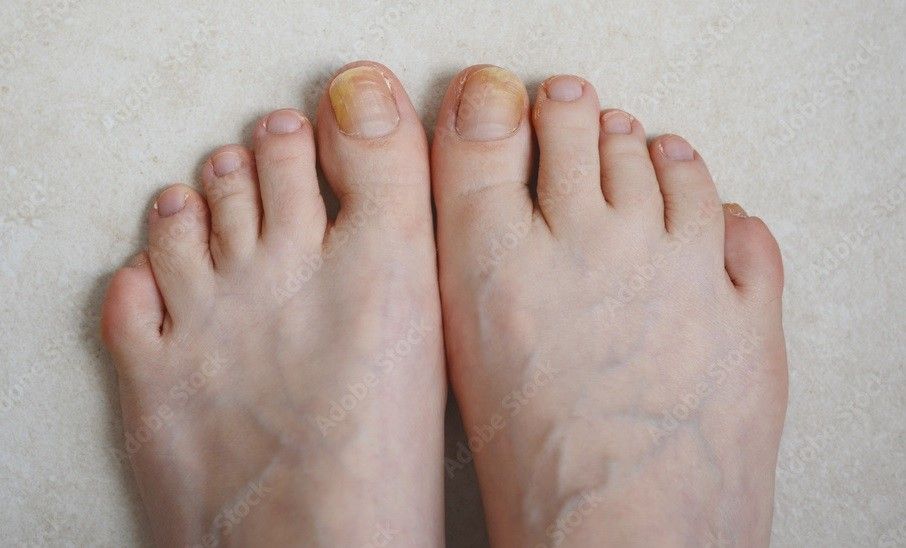
When was the last time you really looked at your toenails? Not just a quick glance while trimming them, but actually noticing their color, texture, thickness, or shape. Most of us ignore toenails unless they chip, hurt, or look unpleasant. But the truth is, your toenails can quietly reflect what’s going on inside your body.
From nutritional deficiencies and circulation problems to infections and chronic illnesses, toenails often show early warning signs long before other symptoms become obvious. Doctors frequently examine nails during physical checkups because they can reveal clues about overall health. In this guide, we’ll explore health problems you can spot just by looking at your toenails, what different nail changes mean, and when you should consider seeking medical advice.
Why Toenails Matter More Than You Think
Toenails grow slowly, about 1–2 millimeters per month. This slow growth means they provide a long-term record of your health. Changes in your body, such as poor blood flow, infections, or nutritional imbalances, can show up in toenails weeks or even months later.
Toenails are influenced by:
- Blood circulation
- Oxygen levels
- Nutrient intake
- Hormonal balance
- Immune system health
Because toes are far from the heart, they are often the first area to show signs of circulation issues or chronic disease.
Warning Signs That Your Toenails Reveal About Your Health
1. Yellow Toenails: More Than Just a Cosmetic Issue
What You See:
- Yellow or yellow-brown discoloration
- Thickened or brittle nails
- Slow nail growth
What It May Indicate:
Fungal infection (onychomycosis)
This is the most common cause of yellow toenails. The nail may become crumbly, thick, and distorted. Fungal infections thrive in warm, moist environments like sweaty shoes.
Yellow Nail Syndrome
A rare condition associated with respiratory problems and lymphedema. Nails appear yellow, thick, and stop growing normally.
Chronic lung disease or sinus issues
In rare cases, persistent yellow nails may be linked to breathing disorders.
When to Act:
If yellowing persists despite proper hygiene or spreads to multiple nails, consult a dermatologist or podiatrist.
2. White Toenails or White Spots
What You See:
- Entire nail appears white
- White patches or streaks
What It May Indicate:
Fungal infection
Some fungal infections turn nails chalky white instead of yellow.
Trauma
Minor injuries can cause white spots that grow out over time.
Leukonychia
A condition where nails appear white due to changes in nail structure.
Liver disease (rare)
In severe cases, nails may appear pale or white, sometimes referred to as Terry’s nails.
When to Act:
If most of the nail turns white or is accompanied by fatigue, swelling, or jaundice, medical evaluation is necessary.
3. Dark Lines or Black Spots Under Toenails
What You See:
- Brown or black streaks
- Dark patches under the nail
What It May Indicate:
Bruising
Common from tight shoes or toe injuries.
Melanoma
A serious form of skin cancer that can appear as a dark streak or spot under the nail.
Medication side effects
Some drugs cause pigmentation changes.
Warning Signs of Nail Melanoma
- Dark streak that widens over time
- Pigment spreading to surrounding skin
- No history of injury
When to Act:
Any unexplained dark spot that doesn’t grow out with the nail requires immediate medical attention.
4. Thick, Hard Toenails
What You See:
- Nails become hard to trim
- Abnormally thick nails
What It May Indicate:
Aging
Toenails naturally thicken with age.
Fungal infections
One of the most common causes of thick toenails.
Poor circulation
Reduced blood flow can slow nail turnover and cause thickening.
Psoriasis
Can cause nail thickening, pitting, and discoloration.
When to Act:
If thickening is sudden, painful, or paired with discoloration, seek medical advice.
5. Brittle or Crumbling Toenails
What You See:
- Nails break easily
- Peeling layers
- Rough edges
What It May Indicate:
Nutritional deficiencies
Low iron, biotin, or protein intake can weaken nails.
Thyroid disorders
Hypothyroidism often causes brittle nails.
Excess moisture or chemicals
Frequent exposure to water or harsh products can damage nails.
When to Act:
Persistent brittleness despite proper nail care may require blood tests to identify deficiencies.
6. Blue or Purple Toenails
What You See:
- Bluish or purplish tint
- Cold toes
What It May Indicate:
Poor circulation
Often seen in people with diabetes or peripheral artery disease.
Low oxygen levels
Heart or lung conditions may reduce oxygen delivery.
Raynaud’s phenomenon
Blood vessels spasm in response to cold or stress.
When to Act:
If color changes occur frequently or are accompanied by pain or numbness, consult a doctor.
7. Pale Toenails
What You See:
- Nails look unusually light
- Lack of pink tone
What It May Indicate:
Anemia
Low red blood cell count reduces oxygen supply.
Malnutrition
Deficiency in iron or vitamins.
Chronic illness
May reflect systemic health issues.
When to Act:
If pale nails are accompanied by fatigue, dizziness, or shortness of breath, seek medical evaluation.
8. Toenail Pitting
What You See:
- Small dents or pits on the nail surface
What It May Indicate:
Psoriasis
Nail pitting is a classic symptom.
Alopecia areata
An autoimmune condition affecting hair and nails.
Eczema
Chronic skin inflammation can affect nails.
When to Act:
If nail pitting is accompanied by skin rashes or joint pain, consult a dermatologist.
9. Spoon-Shaped Toenails (Koilonychia)
What You See:
- Nails curve upward at the edges
- Central depression
What It May Indicate:
Iron deficiency anemia
The most common cause.
Hemochromatosis
Excess iron storage disorder.
Heart disease
In rare cases.
When to Act:
Spoon-shaped nails should always be evaluated with blood tests.
10. Clubbed Toenails
What You See:
- Rounded, bulb-like toes
- Nails curve downward
- Soft nail beds
What It May Indicate:
Chronic lung disease
Including COPD or lung cancer.
Heart disease
Congenital or acquired.
Inflammatory bowel disease
When to Act:
Clubbing is a serious sign and should not be ignored.
11. Ingrown Toenails and Recurrent Infections
What You See:
- Nail grows into skin
- Redness, swelling, pain
What It May Indicate:
Poor nail trimming habits
Cutting nails too short or curved.
Diabetes
Higher risk of infections and poor healing.
Circulation issues
When to Act:
Frequent ingrown toenails may signal underlying circulation or nerve issues.
12. Red or Inflamed Nail Beds
What You See:
- Redness around nail
- Tenderness or warmth
What It May Indicate:
Bacterial infection
Especially if pus is present.
Autoimmune disease
Such as lupus or rheumatoid arthritis.
Allergic reactions
When to Act:
Persistent inflammation should be assessed to prevent complications.
13. Horizontal Lines on Toenails (Beau’s Lines)
What You See:
- Deep horizontal grooves across nails
What It May Indicate:
Severe illness or stress
High fever, surgery, or trauma.
Chemotherapy effects
Malnutrition
When to Act:
If lines appear on multiple nails, investigate recent illnesses or stressors.
How to Keep Your Toenails Healthy
Healthy toenails often reflect a healthy body. Simple habits can make a big difference:
- Keep feet clean and dry
- Trim nails straight across
- Wear breathable footwear
- Avoid sharing nail tools
- Eat a balanced diet rich in protein, iron, and vitamins
- Manage chronic conditions like diabetes
When Toenail Changes Should Never Be Ignored
Seek medical advice if you notice:
- Sudden color changes
- Dark streaks with no injury
- Pain, swelling, or discharge
- Nail separation from the bed
- Changes affecting multiple nails
Early detection can prevent serious complications.
Final Thoughts
Your toenails may seem insignificant, but they are powerful indicators of internal health. From nutritional deficiencies to life-threatening conditions, small changes in nail appearance can offer valuable clues. Paying attention to these signs allows you to act early, seek proper care, and maintain better overall health. Next time you trim your toenails, take a moment to really look at them. Your body might be trying to tell you something important.
FAQ’s
What do unhealthy toenails look like?
Unhealthy toenails may appear yellow, white, brown, or black, become thick or brittle, develop ridges or pits, or separate from the nail bed. These changes can indicate infections, nutritional deficiencies, or underlying health conditions.
Can toenails really indicate health problems?
Yes, toenails can reflect internal health issues such as anemia, diabetes, poor circulation, fungal infections, thyroid disorders, and even heart or lung diseases.
Are yellow toenails always caused by fungal infections?
No. While fungal infections are the most common cause, yellow toenails can also result from aging, smoking, respiratory conditions, or a rare condition called yellow nail syndrome.
What does a black or dark toenail mean without injury?
A dark toenail without trauma may indicate nail melanoma, a serious form of skin cancer. Any unexplained dark streak or spot that doesn’t grow out should be checked by a doctor immediately.
Why are my toenails thick and hard to cut?
Thick toenails may be caused by fungal infections, aging, poor circulation, psoriasis, or repeated pressure from tight footwear.
What causes white spots or patches on toenails?
White spots are often caused by minor injuries. However, widespread white discoloration can indicate fungal infection, nail damage, or in rare cases, liver or kidney problems.
Can brittle toenails be a sign of vitamin deficiency?
Yes. Brittle toenails are commonly linked to deficiencies in iron, biotin, protein, or other essential nutrients, as well as thyroid disorders.
What do blue or purple toenails indicate?
Blue or purple toenails often suggest poor blood circulation or low oxygen levels, which may be related to heart, lung, or vascular conditions.
What are Beau’s lines on toenails?
Beau’s lines are horizontal grooves that appear after severe illness, high fever, injury, or significant physical or emotional stress.
When should I see a doctor for toenail changes?
You should seek medical attention if you notice sudden color changes, pain, swelling, discharge, nail separation, dark streaks without injury, or changes affecting multiple toenails.
Also Read: