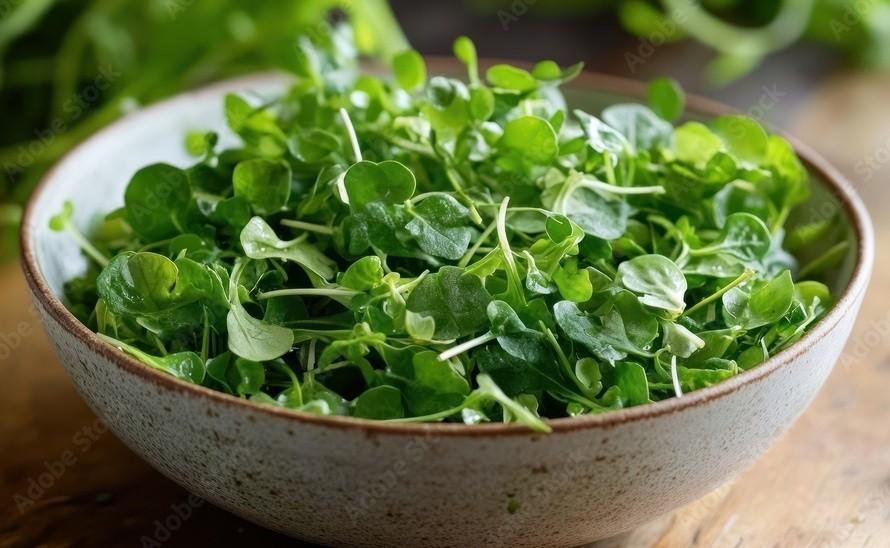
If there’s one leafy green that deserves far more attention than it gets, it’s watercress. This humble aquatic plant has existed for centuries, quietly thriving in streams and shallow waters, yet many people overlook it in favor of more popular greens like spinach or kale. What most people don’t know is that watercress is actually one of the most nutrient-dense foods on the planet. It’s crisp, peppery, refreshing, and loaded with vitamins, minerals, and powerful plant compounds.
Whether you’re trying to boost your immunity, support better digestion, improve skin health, or simply want a new leaf to play with in your kitchen, watercress has something for everyone. This guide will walk you through everything you need to know: its nutrition, science-backed benefits, side effects, how to eat it, how to cook it, storage tips, precautions, and more.
What Is Watercress?
Watercress (Nasturtium officinale) is a leafy green vegetable that naturally grows in clean, flowing water such as streams, springs, and shallow rivers. It belongs to the Brassicaceae family, the same family as mustard greens, kale, and broccoli. This explains its slightly peppery, mustard-like flavor.
It’s one of the oldest known leafy greens consumed by humans, even enjoyed by Greek and Roman soldiers for strength. Today, watercress is loved not just for its taste, but for its potent nutritional profile—it has been ranked as one of the top powerhouse vegetables by multiple nutrition indexes. Fresh watercress has small round leaves with crisp stems, making it a great addition to salads, sandwiches, soups, or even juices.
Nutrition Facts of Watercress (Per 100g)
| Nutrient | Amount (per 100g) |
|---|---|
| Calories | 11 kcal |
| Carbohydrates | 1.3 g |
| Protein | 2.3 g |
| Fat | 0.1 g |
| Fiber | 0.5 g |
| Vitamin A | 3191 IU |
| Vitamin C | 43 mg |
| Vitamin K | 250 mcg |
| Folate | 9 mcg |
| Calcium | 120 mg |
| Iron | 0.2 mg |
| Magnesium | 21 mg |
| Potassium | 330 mg |
| Phosphorus | 60 mg |
| Manganese | 0.2 mg |
| Beta-carotene | 1910 mcg |
| Lutein + Zeaxanthin | 1300 mcg |
Watercress is extremely low in calories but exceptionally high in vitamins A, C, K, calcium, and antioxidants.
20 Proven Health Benefits of Watercress
- Boosts Immunity: Watercress is rich in vitamin C, which supports your immune system and helps your body fight off infections faster.
- Promotes Strong Bones: With its high vitamin K and calcium content, cress helps maintain strong, healthy bones and may reduce fracture risk.
- Supports Eye Health: The beta-carotene and lutein help protect your vision and may lower the risk of age-related macular degeneration.
- Improves Digestion: Cress contains enzymes and fiber that support better digestion and keep your gut functioning smoothly.
- Helps Detoxify the Body: Its antioxidants help neutralize toxins and flush out waste naturally.
- Promotes Healthy Skin: Vitamin C boosts collagen production, helping your skin stay firm, radiant, and youthful.
- Aids in Weight Management: Extremely low in calories and rich in nutrients, it’s a perfect addition to weight-loss diets.
- Reduces Inflammation: Watercress contains anti-inflammatory compounds that may reduce joint pain and swelling.
- Supports Heart Health: Its potassium and nitrates help regulate blood pressure and improve blood vessel function.
- Boosts Brain Function: The antioxidants may protect brain cells and support cognitive performance.
- Supports Liver Health: Cress assists detoxification pathways in the liver, supporting overall liver function.
- Helps Prevent Anemia: While not very high in iron, its vitamin C improves iron absorption from other foods.
- Improves Thyroid Function: Watercress contains natural compounds that may support balanced thyroid hormone production.
- Supports Healthy Pregnancy: The folate content supports fetal development when consumed in safe, moderate amounts.
- Enhances Hydration: Watercress is over 90 percent water, helping keep you refreshed and hydrated.
- May Help Prevent Cancer: Rich in glucosinolates, watercress may help reduce the risk of certain cancers when eaten regularly.
- Supports Oral Health: Its vitamin C helps strengthen gums and maintain oral hygiene.
- Improves Blood Circulation: Nitrates in watercress help widen blood vessels and improve circulation.
- Naturally Freshens Breath: Its peppery flavor and antibacterial properties help freshen your mouth naturally.
- Balances Blood Sugar Levels: Watercress may help prevent spikes in blood sugar, making it suitable for diabetic diets.
10 Side Effects of Watercress
Watercress is generally safe, but consuming too much or using it in certain conditions may cause problems.
- Stomach Upset: Eating large amounts may cause nausea or stomach discomfort.
- Kidney Irritation: People with kidney issues should avoid excessive watercress because it contains compounds that may worsen symptoms.
- Blood-Thinning Effects: Its high vitamin K content may interfere with blood-thinning medications.
- Possible Allergies: Rarely, some people may experience itching or swelling.
- May Cause Hypotension: Too many nitrates may drop your blood pressure excessively.
- Thyroid Concerns: Overconsumption may interfere with iodine uptake.
- Gastrointestinal Issues: Eating it raw in large amounts may cause gas or bloating.
- Contamination Risk: Watercress grown in unclean water can carry parasites; always wash thoroughly.
- Risk During Pregnancy (Excessive Intake): Too much may not be safe; moderation is key.
- Drug Interactions: Can interact with blood thinners, thyroid meds, and certain hypertension drugs.
How to Eat Watercress?
Watercress is incredibly versatile. You can eat it:
- Fresh in salads
- As a topping for sandwiches or wraps
- Blended in smoothies or green juices
- Mixed into soups (especially classic watercress soup)
- As a garnish for meats or roasted vegetables
- Stirred into omelets and scrambled eggs
- Added to pesto in place of basil
If you’re eating it raw, make sure to rinse thoroughly under running water.
Tips for Consuming Watercress
- Choose crisp, vibrant green leaves without yellowing.
- Avoid wilted or soggy bunches.
- Wash thoroughly to remove dirt and impurities.
- Combine with other greens if you find the flavor too peppery.
- Add at the end of cooking to preserve its nutrients.
- Don’t cook for too long, or it may turn mushy.
- Start with small servings if you’re new to it.
- Ensure it’s sourced from clean, safe water sources.
Other Uses of Watercress
Besides being eaten as a vegetable, watercress is used for:
- Herbal remedies for coughs and colds
- Improving skin through cress-infused tonics
- Hair rinses to reduce dandruff
- Natural detox drinks
- Traditional medicine for liver support
- Homemade face masks for acne-prone skin
- Digestive tonics
- Nourishing herbal soups
How to Cook Watercress
Here are popular cooking methods:
- Stir-frying: Add garlic and lightly stir-fry watercress for 1–2 minutes. It wilts quickly.
- Soup: Blend cooked watercress into a creamy soup or add it fresh at the end for a crisp bite.
- Steaming: Steam for 1 minute to soften while retaining nutrients.
- Sautéing: Sauté with olive oil for a simple, nutritious side dish.
- Blanching: Dip in boiling water for 20 seconds, then transfer to cold water to maintain color.
- Pesto: Blend with nuts, garlic, and olive oil for a peppery pesto.
How Much Watercress Can You Eat in a Day?
A safe and healthy amount is:
1 to 2 cups of fresh watercress per day
or
a handful added to meals
This provides plenty of nutrients without overwhelming your body with too much vitamin K or nitrates.
Best Time to Eat Watercress
- Morning: Ideal for digestion and detox when added to smoothies.
- Lunch: Works well in salads and sandwiches.
- Evening: Great in soups or stir-fries without being too heavy.
There is no strict rule, but many people prefer eating cress earlier in the day for digestive benefits.
Who Should Eat Watercress?
Watercress is especially beneficial for:
- People trying to lose weight
- Those with weak immunity
- Individuals with high blood pressure
- People with bone health concerns
- Individuals with skin and hair issues
- Athletes and fitness enthusiasts
- People looking for nutrient-dense foods
- Anyone wanting to diversify their greens
Who Should Not Eat Watercress?
Avoid or limit watercress if:
- You take blood-thinning medications
- You have kidney disease
- You have a thyroid condition
- You are pregnant and unsure about the amount
- You have low blood pressure
- You have a known allergy to cruciferous vegetables
Always consult a healthcare professional if you have any of these conditions.
How to Store Watercress?
To keep watercress fresh:
- Store unwashed in a sealed bag or container in the refrigerator.
- Wrap the stems in a damp paper towel to keep them crisp.
- Keep it away from moisture to prevent wilting.
- Use within 2–3 days for best flavor and nutrients.
- Do not freeze raw cress, as it becomes mushy.
Precautions and Interactions
- Wash watercress thoroughly to avoid contamination.
- Avoid picking wild cress unless you are sure the water is clean.
- If taking warfarin or other anticoagulants, avoid drastic increases in vitamin K intake.
- Pregnant and breastfeeding women should consume moderate amounts.
- People with thyroid issues should eat watercress cooked rather than raw.
- Avoid excessive consumption to prevent stomach discomfort.
- If you notice any allergic reaction, stop eating it immediately.
FAQ’s
Is watercress good for your health?
Yes, cress is extremely healthy. It is rich in vitamins A, C, K, calcium, potassium, and antioxidants that support immunity, bone strength, eye health, digestion, and overall wellness.
Can you eat watercress raw?
Absolutely. Many people enjoy cress raw in salads, sandwiches, and smoothies. Just make sure to wash it thoroughly before eating.
What does watercress taste like?
Cress has a crisp, peppery flavor similar to mustard greens or arugula. Its taste becomes milder when cooked.
Is it safe to eat watercress every day?
Yes, you can eat cress daily in moderate amounts. One to two cups a day is considered safe for most people unless you have certain medical conditions.
Does watercress help with weight loss?
Yes. Cress is extremely low in calories and nutrient-dense, making it an excellent food for weight-loss diets.
Can pregnant women eat watercress?
Yes, pregnant women can eat cress in moderate amounts. It provides folate, vitamin C, and calcium. However, it must be washed thoroughly and not consumed in excessive quantities.
Is watercress safe for people with diabetes?
Yes. Cress is low in carbs, low in sugar, and may help regulate blood sugar levels, making it suitable for diabetic diets.
Can children eat watercress?
Yes, children can eat watercress in moderate amounts. It is packed with vitamins and minerals that support growth and immunity. However, it should be washed thoroughly and introduced slowly, especially for younger children, to avoid digestive discomfort.
What is the Indian name for watercress?
Cress does not have a widely recognized traditional Indian name. It is usually sold under the English name “watercress.” In some regions, people loosely compare it to “halim ka saag” or “garden cress,” but these are different plants.
Which is healthier, spinach or watercress?
Both are nutritious, but cress is generally considered more nutrient-dense. It contains higher levels of vitamins A, C, K, and important antioxidants. Spinach is rich in iron and folate. Ideally, include both in your diet for the best balance.
What is the best way to eat watercress?
The best way to eat cress is fresh and raw in salads, smoothies, sandwiches, or as a garnish. This preserves its vitamins and peppery flavor. If cooking, add it at the end to retain nutrients and texture.
Is watercress grown in India?
Yes, but not commonly. Watercress is grown in select regions with clean flowing water, mainly in cooler areas such as parts of Himachal Pradesh and Uttarakhand. It is also cultivated in controlled farms and hydroponic setups in urban cities.
Is watercress healthier than broccoli?
Both are powerhouse vegetables, but cress is often considered more nutrient-dense per gram, especially in vitamins A, C, K, and antioxidants. Broccoli, however, provides higher fiber and more glucosinolates. Each has unique benefits, so combining them is ideal.
How does watercress detoxify the body?
Cress supports detoxification by providing antioxidants that neutralize toxins, promoting liver function, and enhancing enzyme activity that helps flush waste from the body. Its high water content also supports natural cleansing.
Is watercress good for hair growth?
Yes. cress contains vitamins A, C, and antioxidants that promote scalp health, improve blood circulation, and support stronger hair follicles. While it’s not a miracle cure, including watercress in your diet may help encourage healthier hair growth.
Also Read: