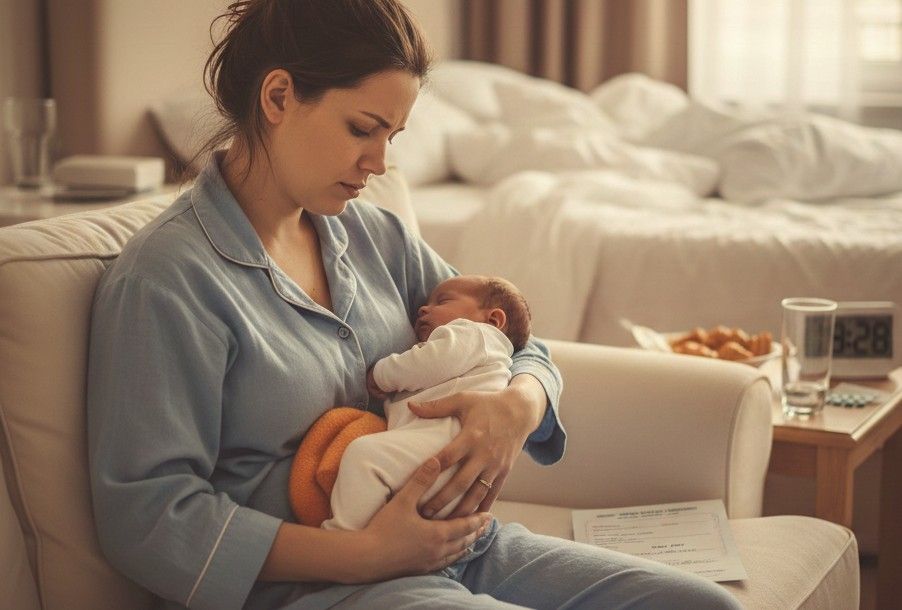
Labor pain is often described as one of the most intense physical experiences a human body can endure. Hours—or sometimes days—of contractions, pushing, and emotional intensity culminate in the birth of a baby. When the labor pain finally ends, many people expect instant relief and a quick return to normal. In reality, childbirth marks the beginning of another profound phase of physical recovery and transformation.
After labor pain subsides, the body does not simply “switch off” the experience. Instead, it enters a complex healing process that affects nearly every system—hormonal, muscular, reproductive, emotional, and even neurological. Understanding what happens to your body after labor pain ends can help new mothers feel prepared, reassured, and empowered during the postpartum period. This guide explores in detail the physical, hormonal, and emotional changes that occur after labor pain ends, what is normal, what may feel unexpected, and when medical attention may be needed.
What Happens to Your Body After Labor Pain Ends? Postpartum Body Changes
Immediate Changes Right After Labor Pain Ends
Sudden Relief and Physical Exhaustion
Once the baby is delivered and the placenta follows, labor pain ends abruptly. Many women feel an overwhelming sense of relief, but this relief is often paired with extreme fatigue. Labor requires immense physical energy, comparable to running a marathon while lifting heavy weights. Muscles throughout the body—especially the uterus, abdomen, back, legs, and pelvic floor—are exhausted.
Shaking or trembling is common during this phase. It is usually caused by adrenaline release, hormonal shifts, and nervous system adjustment rather than cold or fear.
The Uterus Begins to Contract Again
Although labor pain ends, uterine contractions do not stop entirely. The uterus continues to contract to shrink back to its pre-pregnancy size, a process known as uterine involution. These contractions help prevent excessive bleeding by closing off blood vessels where the placenta was attached.
These postpartum contractions, often called “afterpains,” are usually milder than labor contractions but can still feel uncomfortable, especially during breastfeeding. They tend to be stronger in women who have had multiple pregnancies and typically last a few days to a week.
Hormonal Shifts After Labor Pain Ends
A Sudden Drop in Pregnancy Hormones
After delivery, levels of estrogen and progesterone drop sharply. These hormones were elevated throughout pregnancy to support fetal growth. Their sudden decline can trigger physical and emotional changes, including:
- Mood swings
- Night sweats
- Headaches
- Fatigue
- Vaginal dryness
This hormonal crash is one of the main reasons many women experience emotional sensitivity in the days following childbirth.
Rise of Oxytocin and Prolactin
As estrogen and progesterone fall, oxytocin and prolactin increase. Oxytocin, often called the “bonding hormone,” promotes uterine contractions, reduces bleeding, and supports emotional bonding with the baby. It is also released during breastfeeding, skin-to-skin contact, and affectionate touch.
Prolactin stimulates breast milk production. Its rise signals the body to begin lactation, which can bring noticeable changes to the breasts within days after delivery.
Vaginal and Perineal Recovery
Swelling, Soreness, and Healing
After labor pain ends, the vaginal and perineal area may feel sore, swollen, or bruised. This is completely normal, especially after a vaginal birth. Tearing or an episiotomy can add to discomfort during the initial postpartum days.
Healing typically occurs gradually over several weeks. During this time, sitting, walking, and using the bathroom may feel uncomfortable. Cold compresses, sitz baths, and proper hygiene often help reduce pain and swelling.
Vaginal Bleeding and Discharge
Postpartum bleeding, known as lochia, begins immediately after delivery. It is the body’s way of shedding excess blood, tissue, and mucus from the uterus. Lochia usually follows a pattern:
- Bright red bleeding for the first few days
- Pink or brown discharge over the next week
- Yellow or white discharge in later weeks
This process can last up to six weeks. Heavy bleeding or large clots should be evaluated by a healthcare provider.
Breast Changes After Labor Pain Ends
Breast Engorgement and Milk Production
Within two to five days after birth, breasts often become fuller, heavier, and tender as milk production increases. This phase, called engorgement, can cause warmth, firmness, and discomfort.
Whether breastfeeding or not, hormonal changes trigger milk production. For those who choose not to breastfeed, the body gradually reabsorbs the milk over time.
Nipple Sensitivity and Leakage
Nipples may feel sensitive or sore, especially during early breastfeeding. Milk leakage between feedings is also common as the body adjusts to supply and demand. These changes usually improve as feeding patterns stabilize.
Pelvic Floor and Abdominal Changes
Pelvic Floor Weakness
The pelvic floor muscles stretch significantly during labor. After labor pain ends, these muscles may feel weak, sore, or less responsive. This can lead to:
- Difficulty controlling urine
- Sensation of heaviness in the pelvis
- Reduced core strength
Pelvic floor recovery is gradual and often improves with rest, gentle movement, and targeted exercises.
Abdominal Muscle Separation
Many women experience diastasis recti, a separation of the abdominal muscles caused by pregnancy and labor. After delivery, the abdomen may still appear swollen or soft, sometimes resembling early pregnancy.
This separation typically improves over weeks or months, especially with proper posture, breathing techniques, and gradual strengthening exercises.
Digestive and Urinary Changes
First Bowel Movement After Birth
After labor pain ends, the first bowel movement can feel intimidating. Fear of pain, stitches, or pressure is common. Hormonal shifts, dehydration, and reduced movement can also contribute to constipation.
Stool softeners, hydration, fiber-rich foods, and gentle movement often help restore normal bowel function.
Urination Sensations
Some women experience stinging or burning during urination due to swelling or small tears. Others may feel numbness or difficulty sensing a full bladder. These symptoms usually improve within a few days as nerves recover.
Emotional and Mental Changes
The “Baby Blues”
In the first few days after labor pain ends, many women experience emotional ups and downs known as the baby blues. Symptoms may include:
- Crying spells
- Anxiety
- Irritability
- Feeling overwhelmed
These feelings are largely driven by hormonal changes, sleep deprivation, and the adjustment to new responsibilities. Baby blues typically resolve within two weeks.
Postpartum Mood Disorders
If emotional symptoms persist or intensify, they may indicate postpartum depression or anxiety. Unlike baby blues, these conditions require professional support and treatment. Early recognition and care are essential for both mother and baby.
Sleep and Energy Levels
Extreme Fatigue
Even after labor pain ends, exhaustion often lingers. Sleep deprivation begins early due to feeding schedules, hormonal shifts, and physical recovery. The body is healing while simultaneously caring for a newborn, which can drain energy reserves.
Short rest periods, support from others, and realistic expectations are crucial during this phase.
Changes in Sleep Patterns
Postpartum sleep is often fragmented. Even when the baby sleeps, hormonal changes may make it difficult to rest deeply. Over time, as routines develop and hormones stabilize, sleep quality usually improves.
Immune System and Overall Healing
Increased Vulnerability
After childbirth, the immune system may be temporarily weakened. The body is directing energy toward healing tissues, regulating hormones, and supporting lactation. Adequate nutrition, hydration, and rest play a key role in recovery.
Gradual Return to Strength
Healing after labor pain ends is not linear. Some days may feel better than others. Most women notice steady improvement over six to eight weeks, though full recovery can take several months.
Sexual Health After Labor Pain Ends
Changes in Libido
Hormonal fluctuations, fatigue, and physical discomfort can reduce sexual desire in the weeks following childbirth. This is normal and temporary for most women.
Vaginal Dryness and Sensitivity
Lower estrogen levels can cause vaginal dryness, especially during breastfeeding. This may lead to discomfort during intercourse. Healing, lubrication, and time often restore comfort.
When to Seek Medical Attention?
While many postpartum changes are normal, certain symptoms require medical evaluation, including:
- Heavy bleeding soaking pads within an hour
- Fever or chills
- Severe abdominal or pelvic pain
- Foul-smelling discharge
- Persistent sadness or hopelessness
Early intervention ensures safer and smoother recovery.
The Body’s Remarkable Recovery Process
When labor pain ends, it marks not the end of physical change but the beginning of healing and adaptation. The body works tirelessly to restore balance, repair tissues, regulate hormones, and support new life. Each woman’s postpartum journey is unique, shaped by birth experience, health history, and support systems.
Understanding what happens after labor pain ends helps normalize the changes, reduce fear, and encourage compassion toward oneself. Recovery is not about rushing back to normal but honoring the strength and resilience of the body as it transitions into a new chapter.
Final Thoughts
Labor pain may end in a single moment, but its impact echoes through the postpartum period in powerful ways. From uterine contractions and hormonal shifts to emotional adjustments and physical healing, the body undergoes a remarkable transformation.
Patience, rest, nourishment, and support are essential components of recovery. By recognizing these changes as natural and temporary, new mothers can navigate postpartum life with greater confidence, awareness, and self-care.
FAQ’s
How long does it take for the body to recover after labor pain ends?
Initial recovery usually takes about 6 to 8 weeks, which is considered the postpartum period. However, full physical and emotional recovery can take several months, depending on the type of delivery, overall health, and level of support.
Is it normal to still feel pain after labor is over?
Yes. Even though labor pain ends after delivery, mild to moderate discomfort is common due to uterine contractions (afterpains), perineal soreness, swelling, or stitches. These symptoms usually improve within a few days to weeks.
Why do postpartum uterine contractions happen?
Postpartum uterine contractions help the uterus shrink back to its pre-pregnancy size and prevent excessive bleeding. These contractions are more noticeable during breastfeeding because oxytocin is released.
How long does postpartum bleeding last?
Postpartum bleeding, known as lochia, can last up to 4 to 6 weeks. The flow gradually changes from bright red to pink or brown and eventually becomes yellowish or white before stopping.
What hormonal changes occur after labor pain ends?
After delivery, estrogen and progesterone levels drop sharply, while oxytocin and prolactin increase. These hormonal shifts affect mood, sleep, breastfeeding, and overall recovery.
Is emotional instability normal after childbirth?
Yes. Mood swings, crying spells, anxiety, and irritability—often called the baby blues—are common during the first two weeks after birth. If symptoms persist or worsen, medical support may be needed.
When will my uterus return to its normal size?
The uterus usually returns close to its pre-pregnancy size within 4 to 6 weeks. You may feel cramping during this process, especially in the first week after delivery.
Why do breasts feel painful or swollen after delivery?
Breast engorgement occurs when milk production increases a few days after birth. This can cause fullness, tenderness, and warmth in the breasts. These symptoms ease as feeding patterns become regular.
When can pelvic floor strength return after childbirth?
Pelvic floor strength improves gradually over weeks to months. Gentle exercises, rest, and proper posture help support recovery. Many women notice significant improvement by three months postpartum.
Is it normal to feel extremely tired even after labor pain ends?
Yes. Physical exertion, hormonal changes, blood loss, and sleep disruption contribute to postpartum fatigue. Energy levels usually improve gradually with rest and support.
Also Read: