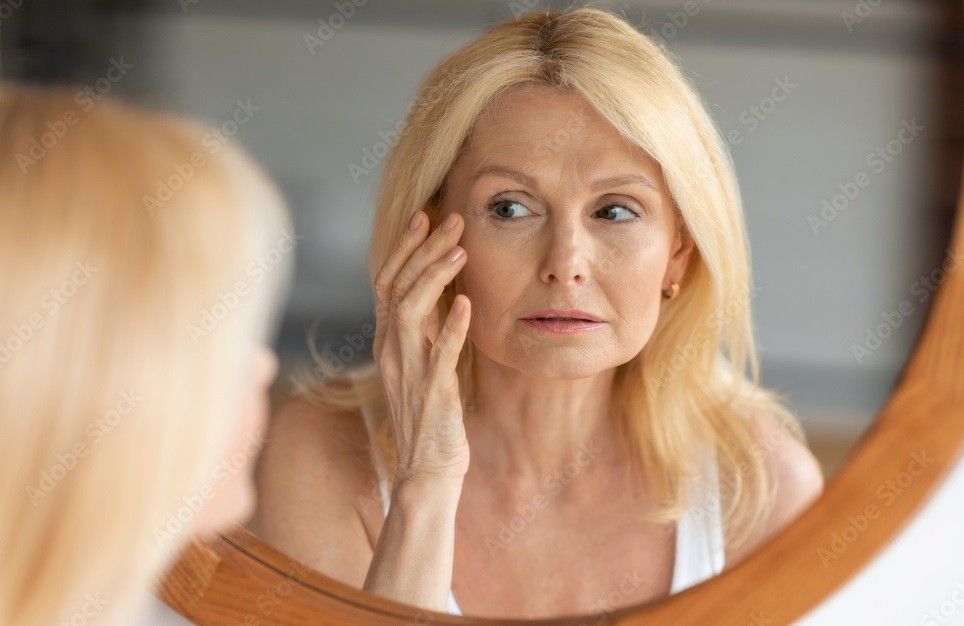
Aging is an inevitable part of life, and while many of us focus on the visible signs, like wrinkles or gray hair, there’s so much happening beneath the surface. Understanding how your body changes with age isn’t just about vanity—it’s about being proactive and taking care of yourself. From your skin to your heart, your body undergoes numerous changes, and being aware of them can help you maintain health and vitality for years to come.
What Happens to Your Body as You Age?
1. Skin Changes
The skin is the most visible organ that shows the passage of time. As you age:
- Loss of elasticity: Collagen and elastin production decreases, leading to sagging skin and wrinkles.
- Thinning: Skin becomes thinner, more fragile, and prone to bruising.
- Dryness: Oil-producing glands slow down, which can make the skin drier.
- Age spots: Sun exposure over the years can lead to pigmentation changes and liver spots.
Tips for care: Moisturize regularly, use sunscreen daily, and include antioxidants in your diet to slow the visible signs of aging.
2. Hair and Nails
Hair and nails also reflect aging:
- Hair thinning: Hair follicles shrink, and hair growth slows, often leading to thinner hair and hair loss.
- Color changes: Melanin production decreases, causing gray or white hair.
- Nail changes: Nails may grow slower, become brittle, and develop ridges.
Tips for care: Maintain a diet rich in protein, iron, and biotin. Avoid excessive heat or chemical treatments to protect hair and nails.
3. Muscle and Bone Changes
Muscle mass and bone density decline with age, a process known as sarcopenia and osteopenia/osteoporosis:
- Muscle loss: Adults can lose 3–8% of muscle mass per decade after 30, accelerating after 60. This can affect strength and balance.
- Bone loss: Bones lose calcium and become more fragile, increasing fracture risk.
- Joint stiffness: Cartilage thins, ligaments lose elasticity, and joints may become stiffer.
Tips for care: Weight-bearing exercises, strength training, and adequate calcium and vitamin D intake can maintain bone and muscle health.
4. Metabolism and Weight
Metabolism naturally slows with age, making weight management more challenging:
- Basal metabolic rate decreases: Your body burns fewer calories at rest.
- Fat distribution changes: Fat may accumulate around the abdomen, even if overall weight is stable.
- Insulin sensitivity: Reduced sensitivity can increase the risk of type 2 diabetes.
Tips for care: Maintain regular physical activity, eat a balanced diet rich in fiber and lean protein, and monitor portion sizes.
5. Cardiovascular System
Aging affects your heart and blood vessels:
- Heart changes: The heart muscle may thicken slightly, and its ability to pump blood efficiently can decrease.
- Blood vessels: Arteries stiffen, leading to higher blood pressure.
- Cholesterol and plaque: Risk of atherosclerosis increases, raising the likelihood of heart disease.
Tips for care: Regular cardiovascular exercise, a heart-healthy diet, and routine blood pressure and cholesterol checks are essential.
6. Respiratory System
Your lungs also undergo changes:
- Reduced lung capacity: Elasticity in the lungs decreases, making breathing less efficient.
- Weaker respiratory muscles: This can lead to shortness of breath during exertion.
- Cilia slowdown: Tiny hairs that clear mucus work less effectively, increasing infection risk.
Tips for care: Aerobic exercise like walking, swimming, or cycling helps maintain lung function.
7. Digestive System
Aging impacts digestion and nutrient absorption:
- Slower digestion: Muscle tone in the digestive tract decreases, leading to slower transit and constipation.
- Enzyme production declines: Some nutrients, such as vitamin B12, are absorbed less efficiently.
- Gut microbiome changes: Diversity in gut bacteria decreases, potentially affecting immunity and overall health.
Tips for care: Eat high-fiber foods, stay hydrated, and consider probiotic-rich foods to support digestive health.
8. Hormonal Changes
Hormones fluctuate with age, affecting multiple systems:
- Women: Menopause typically occurs around age 50, causing decreased estrogen levels, hot flashes, mood changes, and bone density loss.
- Men: Testosterone gradually declines, affecting energy, libido, and muscle mass.
- Thyroid and growth hormones: These changes can influence metabolism, energy levels, and weight.
Tips for care: Regular check-ups with a healthcare provider and discussing hormone replacement therapy if needed can help manage symptoms.
9. Immune System
Your immune system weakens over time, a process known as immunosenescence:
- Slower response: The body takes longer to fight infections.
- Increased inflammation: Chronic low-grade inflammation can contribute to conditions like arthritis or cardiovascular disease.
- Vaccine response: Older adults may respond less robustly to vaccines.
Tips for care: Maintain a balanced diet, exercise regularly, sleep well, and keep up with recommended vaccinations.
10. Brain and Cognitive Function
Cognitive changes are normal but vary widely among individuals:
- Memory changes: Short-term memory may decline, while long-term memory is often preserved.
- Processing speed: Thinking and problem-solving may take longer.
- Neuroplasticity: The brain continues to adapt, though slower, highlighting the importance of mental stimulation.
Tips for care: Engage in mentally stimulating activities like reading, puzzles, or learning new skills, and maintain social connections to support brain health.
11. Vision and Hearing
Senses often decline with age:
- Vision: Conditions like presbyopia (difficulty seeing close objects), cataracts, glaucoma, and age-related macular degeneration become more common.
- Hearing: High-frequency hearing loss is typical, and sensitivity to background noise may increase.
Tips for care: Regular eye and hearing exams, protective eyewear, and minimizing exposure to loud noises can help preserve these senses.
12. Sleep Patterns
Sleep quality often declines with age:
- Shorter sleep cycles: Deep sleep and REM sleep may decrease.
- Difficulty falling asleep: Changes in circadian rhythm can make it harder to fall asleep and stay asleep.
- Frequent awakenings: Older adults may wake more often during the night.
Tips for care: Maintain a consistent sleep schedule, limit caffeine and screen time before bed, and create a calming sleep environment.
13. Sexual Health
Aging affects sexual function in both men and women:
- Women: Vaginal dryness and hormonal changes can affect libido and comfort.
- Men: Erectile dysfunction becomes more common due to reduced blood flow or testosterone levels.
- Relationship dynamics: Emotional intimacy often becomes more important than physical performance alone.
Tips for care: Open communication with your partner, regular medical check-ups, and seeking treatment for sexual health concerns can maintain a healthy sexual life.
14. Mental and Emotional Health
Mental well-being is as important as physical health:
- Mood changes: Anxiety, depression, or stress may become more pronounced.
- Coping mechanisms: Life transitions, such as retirement or loss, can impact emotional health.
- Resilience: Older adults often develop stronger emotional resilience and perspective.
Tips for care: Social engagement, mindfulness practices, therapy, and hobbies contribute to mental and emotional wellness.
15. Immobility and Balance
Balance and coordination may decline, increasing the risk of falls:
- Muscle weakness: Reduced muscle mass affects stability.
- Joint stiffness: Can limit flexibility and range of motion.
- Neurological changes: Slower reflexes contribute to instability.
Tips for care: Regular balance exercises like yoga or tai chi, strength training, and home safety measures can reduce fall risk.
Maintaining Health as You Age
While aging brings inevitable changes, lifestyle choices can have a significant impact:
- Exercise: Regular aerobic, strength, flexibility, and balance exercises are key.
- Nutrition: A balanced diet rich in fruits, vegetables, lean protein, and healthy fats supports overall health.
- Hydration: Adequate water intake is critical for organ function and skin health.
- Sleep: Prioritize restorative sleep.
- Social engagement: Maintaining friendships and community connections supports mental health.
- Regular check-ups: Early detection of conditions like hypertension, diabetes, and osteoporosis improves outcomes.
Final Thought
Aging is a natural and intricate process that affects every part of your body, from your skin to your brain. While some changes are unavoidable, understanding these shifts allows you to take proactive steps to maintain health, vitality, and quality of life. With the right balance of exercise, nutrition, mental stimulation, and preventive healthcare, aging can be a period of strength, wisdom, and fulfillment rather than decline.
FAQ’s
What are the earliest signs of aging?
Early signs often include fine lines, graying hair, slight muscle loss, slower metabolism, and changes in sleep patterns.
Can aging be slowed down?
While aging is inevitable, healthy lifestyle choices—such as regular exercise, a balanced diet, adequate sleep, and stress management—can slow its effects and improve quality of life.
Why does muscle mass decrease with age?
Muscle loss, or sarcopenia, occurs due to reduced physical activity, lower protein intake, and hormonal changes, especially declining testosterone and growth hormone levels.
How does aging affect the brain?
Cognitive changes may include slower processing speed, occasional memory lapses, and decreased multitasking ability. Mental stimulation and social engagement help preserve brain function.
Is weight gain inevitable as we age?
Metabolism naturally slows, making weight management more challenging, but a balanced diet and regular exercise can help prevent excessive weight gain.
How does aging affect sleep?
Older adults often experience shorter deep sleep, frequent awakenings, and shifts in circadian rhythm, which can affect overall sleep quality.
Can the immune system be strengthened in older age?
Yes, through regular exercise, a nutritious diet, adequate sleep, vaccinations, and stress management, the immune system can remain more resilient.
How important is exercise for aging well?
Exercise is crucial for maintaining muscle mass, bone density, cardiovascular health, mental well-being, and overall longevity.
Also Read: