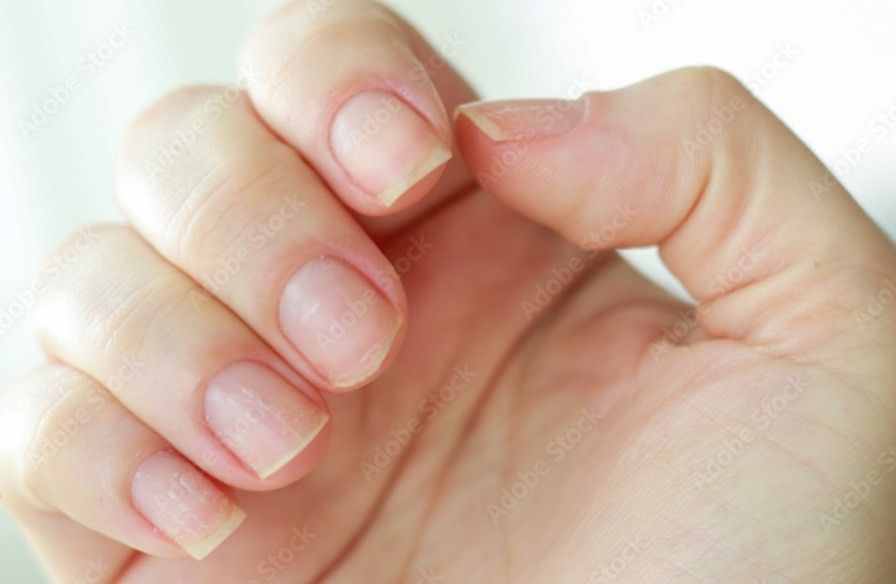
Your nails might seem like a small, cosmetic detail—something you paint, trim, or occasionally worry about when one breaks. But in reality, your nails can quietly reveal a lot about what’s happening inside your body. Soft, peeling, or brittle nails are often brushed off as a beauty issue, yet they can be subtle signs of nutritional deficiencies, hormonal imbalances, lifestyle stress, or underlying health conditions.
If you’ve ever wondered why your nails bend easily, split at the tips, or refuse to grow strong no matter what you do, this guide will help you understand the deeper reasons behind it. Let’s explore what soft or brittle nails say about your health—and when it’s time to pay closer attention.
Understanding Nail Health: Why Nails Matter More Than You Think
Nails are made primarily of keratin, a tough protein that also forms your hair and outer layer of skin. Healthy nails are typically smooth, firm, and consistent in color. When nails become weak, soft, or brittle, it often means the nail matrix (the area where nails grow) isn’t getting the nutrients or support it needs.
Because nails grow slowly, changes in their texture or strength often reflect long-term health patterns, not just a bad week or a skipped meal.
What Are Soft Nails?
Soft nails are nails that bend easily, feel thin, or tear without much pressure. They may struggle to grow long and often break before reaching the fingertip edge.
Common signs of soft nails:
- Nails bend instead of snapping
- Nails tear easily while doing routine tasks
- Difficulty growing nails long
- Nails feel thin or flimsy
Soft nails often suggest a lack of structural strength, which can stem from nutritional gaps or excessive moisture exposure.
What Are Brittle Nails?
Brittle nails are nails that break, split, or peel frequently. They may appear dry, rough, or uneven, and the damage usually occurs at the tips or sides.
Common signs of brittle nails:
- Nails splitting into layers
- Peeling at the edges
- Frequent cracking or breaking
- Rough or uneven nail surface
Brittle nails are medically referred to as onychorrhexis and are extremely common, especially among women.
Nutritional Deficiencies Linked to Soft or Brittle Nails
One of the most common reasons behind weak nails is inadequate nutrition. Your nails depend on vitamins, minerals, and proteins to stay strong.
1. Iron Deficiency
Iron plays a key role in oxygen transport throughout the body. When iron levels drop, nail growth and strength often suffer.
Nail signs of iron deficiency:
- Soft or thin nails
- Nails that crack easily
- Spoon-shaped nails (in severe cases)
- Pale nail beds
Iron deficiency is particularly common among menstruating women, pregnant women, and people with digestive absorption issues.
2. Biotin (Vitamin B7) Deficiency
Biotin is essential for keratin production. Even mild deficiencies can affect nail strength.
Nail signs of biotin deficiency:
- Brittle, splitting nails
- Slow nail growth
- Peeling layers
Although biotin deficiency is rare, inadequate intake over time can weaken nails.
3. Protein Deficiency
Since nails are made of keratin, insufficient protein intake directly affects nail health.
Nail signs of low protein:
- Thin, fragile nails
- Slow growth
- Nails breaking easily
Crash diets, eating disorders, or prolonged illness can contribute to protein deficiency.
4. Zinc Deficiency
Zinc supports cell growth and tissue repair, including nail formation.
Nail signs of zinc deficiency:
- White spots on nails
- Brittle or splitting nails
- Slow nail growth
Zinc deficiency may also show up as hair thinning or frequent infections.
5. Calcium and Vitamin D Deficiency
While calcium is more commonly associated with bones, it also supports nail strength.
Nail signs of calcium or vitamin D deficiency:
- Brittle nails
- Nails that peel or crack
- Weak nail structure
Low vitamin D levels can reduce calcium absorption, indirectly weakening nails.
Dehydration and Its Impact on Nail Strength
Just like your skin, your nails need hydration. Dehydration can cause nails to become dry, brittle, and prone to breaking.
Signs dehydration may be affecting your nails:
- Nails peeling at the tips
- Dry cuticles
- Nails cracking easily
Inadequate water intake, excessive caffeine, or prolonged exposure to dry environments can worsen nail dryness.
Hormonal Imbalances and Nail Changes
Hormones play a crucial role in regulating growth and metabolism, including nail growth.
Thyroid Disorders
Both hypothyroidism and hyperthyroidism can affect nail texture.
Nail signs of thyroid imbalance:
- Brittle or soft nails
- Slow nail growth
- Nails lifting from the nail bed
- Dry, ridged nails
If nail changes occur alongside fatigue, hair thinning, or weight changes, thyroid testing may be necessary.
Hormonal Changes During Pregnancy or Menopause
Fluctuating hormone levels can temporarily alter nail strength.
- Some women experience stronger nails during pregnancy.
- Others notice increased brittleness during postpartum or menopause due to estrogen changes.
Lifestyle Habits That Weaken Nails
Sometimes, the issue isn’t internal health but everyday habits.
1. Excessive Water Exposure
Frequent hand washing, dishwashing, or swimming causes nails to absorb and lose moisture repeatedly, making them weak.
2. Overuse of Nail Polish and Removers
Acetone-based removers strip natural oils from nails, leading to dryness and brittleness.
3. Gel and Acrylic Nails
Frequent use of artificial nails can thin the natural nail plate and weaken it over time.
4. Using Nails as Tools
Opening cans, scratching surfaces, or peeling stickers with nails increases breakage risk.
Medical Conditions Associated With Brittle Nails
While most nail issues are harmless, persistent nail changes can sometimes indicate health conditions.
Anemia
Chronic iron deficiency anemia can weaken nails over time.
Eczema and Psoriasis
Skin conditions often affect nails, causing splitting, peeling, or ridges.
Fungal Infections
Fungal infections can make nails brittle, thick, or crumbly, often accompanied by discoloration.
Aging
As we age, nail growth slows and nails naturally become drier and more brittle.
Can Stress Affect Nail Health?
Yes. Chronic stress affects hormone levels, nutrient absorption, and circulation—all of which influence nail growth. Stress can also lead to habits like nail biting or picking, which further weakens nails.
How to Strengthen Soft or Brittle Nails Naturally
Improving nail health takes time, consistency, and a holistic approach.
1. Improve Your Diet
Focus on nutrient-dense foods:
- Iron-rich foods like spinach, lentils, and lean meats
- Protein sources such as eggs, dairy, legumes, and nuts
- Zinc-rich foods like seeds and whole grains
- Calcium and vitamin D through dairy, fortified foods, and sunlight
2. Stay Hydrated
Aim for adequate water intake daily to maintain nail moisture from within.
3. Moisturize Nails and Cuticles
Use natural oils like coconut oil, almond oil, or vitamin E oil regularly to prevent dryness.
4. Limit Chemical Exposure
- Reduce acetone use
- Give nails breaks between gel or acrylic treatments
- Wear gloves when cleaning or washing dishes
5. Keep Nails Short and Trimmed
Shorter nails are less likely to bend, split, or break.
When to See a Doctor
You should consider medical advice if:
- Nail weakness persists despite lifestyle changes
- Nails change shape or color significantly
- Nail issues occur with fatigue, hair loss, or skin problems
- There is pain, swelling, or infection around the nails
A simple blood test can often identify deficiencies or hormonal imbalances.
Myths About Soft and Brittle Nails
“Weak nails mean poor hygiene”
Not true. Nail weakness is more often linked to nutrition or health, not cleanliness.
“Hard nail products always help”
Some hardeners contain harsh chemicals that worsen brittleness over time.
“Supplements fix nails overnight”
Nails grow slowly. Visible improvement can take several weeks or months.
How Long Does It Take to See Nail Improvement?
Fingernails grow about 3 millimeters per month. This means:
- Minor improvements may appear in 4–6 weeks
- Significant strengthening can take 3–6 months
Patience and consistency are key.
The Bigger Picture: Listening to Your Body
Soft or brittle nails are rarely a standalone issue. They’re often one small signal among many. Paying attention to these subtle signs allows you to address potential health concerns early—before they turn into larger problems. Your nails don’t just reflect beauty habits; they reflect nutrition, stress levels, hydration, and overall well-being.
Final Thoughts
Soft or brittle nails aren’t something to ignore or simply cover up with polish. They’re your body’s quiet way of asking for care, balance, and nourishment. By understanding what your nails are trying to tell you, you can take meaningful steps toward better health from the inside out. Healthy nails don’t come from quick fixes—they come from sustainable habits, mindful nutrition, and listening to your body over time.
FAQ’s
Are brittle nails a sign of vitamin deficiency?
Yes, brittle nails are commonly associated with deficiencies in biotin (vitamin B7), iron, zinc, calcium, and vitamin D. Long-term inadequate intake of these nutrients can weaken nail structure.
Can dehydration cause brittle or peeling nails?
Absolutely. Dehydration reduces moisture in the nail plate, making nails dry, brittle, and prone to splitting. Drinking enough water is essential for maintaining healthy nails.
Do thyroid problems affect nail health?
Yes. Both underactive and overactive thyroid conditions can cause nails to become brittle, thin, slow-growing, or lift from the nail bed. Nail changes often occur alongside fatigue, hair thinning, or weight changes.
Why do my nails peel in layers?
Peeling nails are usually caused by dryness, frequent exposure to water or chemicals, overuse of nail polish removers, or nutrient deficiencies such as biotin and iron.
Can stress make nails weak or brittle?
Chronic stress can affect nutrient absorption and hormone levels, which may weaken nails. Stress-related habits like nail biting or picking can also contribute to nail damage.
Are soft or brittle nails a sign of anemia?
They can be. Iron-deficiency anemia often leads to thin, soft, or brittle nails and, in severe cases, spoon-shaped nails. A blood test can confirm anemia.
How can I strengthen soft or brittle nails naturally?
Improving your diet, staying hydrated, moisturizing nails and cuticles, limiting chemical exposure, and protecting hands during cleaning tasks can significantly improve nail strength over time.
How long does it take to improve nail health?
Since fingernails grow slowly, visible improvement usually takes 4–6 weeks, while complete strengthening can take 3–6 months with consistent care and proper nutrition.
Also Read: