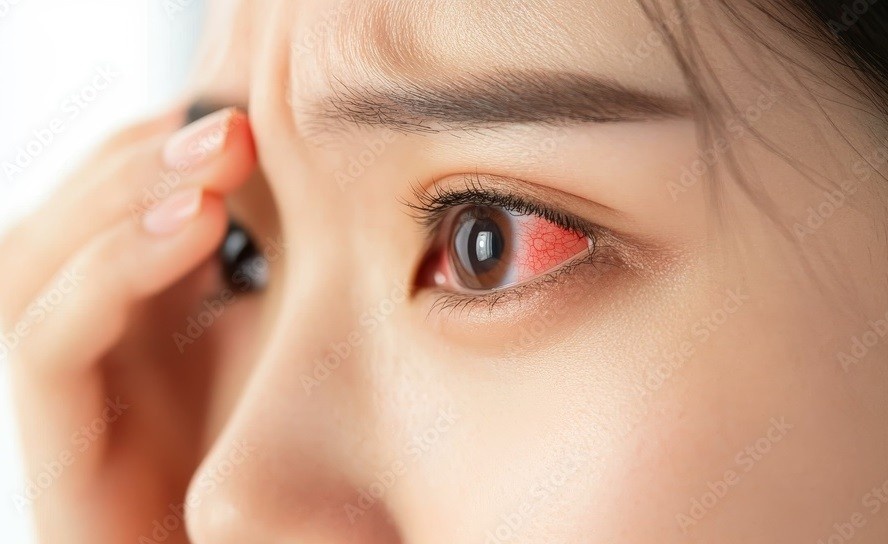
When we think about eye health, most of us focus on vision—whether we need glasses, suffer from eye strain, or experience dryness after long screen hours. But there’s another part of the eye that often goes unnoticed: the whites of the eyes, medically known as the sclera.
Interestingly, the sclera can offer subtle but important clues about what’s happening inside your body. Changes in its color, clarity, texture, or appearance may reflect underlying health conditions, nutritional deficiencies, or systemic diseases. While the eyes alone cannot diagnose illness, they can act as early warning signs—nudging you to pay closer attention to your overall health. In this guide, we’ll explore what healthy eye whites look like, how changes can indicate internal issues, and when you should seek medical advice.
Understanding the Whites of the Eyes (Sclera)
The sclera is the tough, fibrous outer layer of the eyeball that protects the inner structures and maintains the shape of the eye. In healthy individuals, it appears white with a slight bluish tone and has a smooth, glossy surface. Blood vessels run across the sclera and are normally faint or barely visible. Any noticeable change in color, blood vessel prominence, spots, or cloudiness may signal something more than simple eye fatigue.
What Healthy Eye Whites Look Like
Healthy sclera typically have the following characteristics:
- Bright white or slightly off-white appearance
- Minimal visible blood vessels
- Smooth, shiny surface
- No yellowing, redness, or grayish patches
If your eye whites consistently look like this, it usually indicates good hydration, balanced nutrition, and overall systemic health.
Health Warning Signs in the Whites of Your Eyes
1. Yellowing of the Eye Whites: A Sign You Shouldn’t Ignore
What It Looks Like
A yellow tint spreading across the sclera, often starting near the corners of the eyes.
Possible Internal Health Causes
1. Liver Disorders
Yellowing of the eye whites is most commonly linked to jaundice, which occurs when bilirubin builds up in the blood. This may result from:
- Hepatitis
- Fatty liver disease
- Cirrhosis
- Gallbladder blockage
2. Excessive Alcohol Consumption
Chronic alcohol use can impair liver function, leading to visible yellowing in the eyes.
3. Hemolytic Anemia
When red blood cells break down too quickly, bilirubin levels can rise, affecting eye color.
When to Act
If yellowing appears suddenly or worsens over time, it’s important to consult a doctor promptly, especially if accompanied by fatigue, dark urine, or abdominal discomfort.
2. Red or Bloodshot Eyes: More Than Just Lack of Sleep
What It Looks Like
Prominent red blood vessels, giving the eyes a pink or bloodshot appearance.
Possible Internal Health Causes
1. High Blood Pressure
Persistently red eyes may reflect strain on blood vessels, including those affected by hypertension.
2. Diabetes
Diabetes can damage small blood vessels, leading to chronic redness and irritation.
3. Inflammation and Autoimmune Conditions
Conditions such as rheumatoid arthritis, lupus, or uveitis can cause inflammation that affects the sclera.
4. Chronic Stress and Fatigue
Long-term stress raises cortisol levels, which may increase inflammation and blood vessel dilation.
When to Act
Occasional redness is usually harmless, but persistent redness accompanied by pain or blurred vision should be evaluated.
3. Blue or Gray Tint in the Eye Whites
What It Looks Like
A bluish or grayish hue, especially noticeable around the edges of the sclera.
Possible Internal Health Causes
1. Iron Deficiency Anemia
Low iron levels can thin the sclera, allowing underlying tissues to show through, creating a bluish appearance.
2. Connective Tissue Disorders
Conditions such as osteogenesis imperfecta or Ehlers-Danlos syndrome may cause thinner sclera.
3. Aging
As we age, the sclera naturally becomes thinner, sometimes appearing slightly blue or gray.
When to Act
If this change appears suddenly or is accompanied by fatigue, weakness, or bone pain, medical evaluation is recommended.
4. Brown or Dark Spots on the Eye Whites
What It Looks Like
Small brown, gray, or black spots on the sclera.
Possible Internal Health Causes
1. Eye Nevus (Eye Freckles)
These are usually harmless pigment deposits, similar to skin moles.
2. Melanosis
More common in individuals with darker skin tones, this benign pigmentation often appears during childhood.
3. Rarely, Melanoma
Though uncommon, dark spots that change in size, shape, or color should be examined.
When to Act
Any new or changing spot should be checked by an eye specialist to rule out serious conditions.
5. Cloudy or Dull Eye Whites
What It Looks Like
Loss of natural shine, making the sclera appear dull, cloudy, or lifeless.
Possible Internal Health Causes
1. Dehydration
Insufficient water intake can reduce tear production and affect eye clarity.
2. Nutritional Deficiencies
Lack of vitamins A, C, or E may impact eye tissue health.
3. Chronic Illness
Conditions like kidney disease or thyroid disorders can affect eye hydration and appearance.
When to Act
Increasing fluid intake may help, but persistent dullness should prompt medical advice.
6. Prominent Blood Vessels: A Warning Sign
What It Looks Like
Highly visible, thick red veins across the sclera.
Possible Internal Health Causes
1. High Cholesterol
Poor circulation and blood vessel changes can become visible in the eyes.
2. Chronic Inflammation
Inflammatory conditions may cause persistent vessel dilation.
3. Smoking
Smoking damages blood vessels and reduces oxygen supply, making veins more noticeable.
When to Act
If lifestyle changes don’t improve the appearance, a health check-up is advisable.
7. Swollen or Bulging Eye Whites
What It Looks Like
The eyes appear protruding or swollen, with exposed sclera above or below the iris.
Possible Internal Health Causes
1. Thyroid Disorders (Graves’ Disease)
Overactive thyroid function can push the eyes forward.
2. Fluid Retention
Kidney or heart issues may lead to puffiness around the eyes.
3. Allergic Reactions
Severe allergies can cause swelling and redness.
When to Act
Persistent bulging eyes require prompt medical evaluation.
8. Dry and Irritated Sclera
What It Looks Like
Redness, itching, burning, or gritty sensation.
Possible Internal Health Causes
1. Hormonal Changes
Dry eyes are common during menopause or thyroid imbalance.
2. Autoimmune Diseases
Conditions like Sjögren’s syndrome reduce tear production.
3. Poor Diet
Low omega-3 fatty acid intake may contribute to dryness.
When to Act
Chronic dryness should be assessed, especially if accompanied by joint pain or fatigue.
What Traditional Medicine Says About Eye Whites
In traditional systems such as Ayurveda and Traditional Chinese Medicine (TCM), eye whites are believed to reflect internal organ health.
- Yellow tones may indicate liver imbalance
- Redness may be linked to excess heat or inflammation
- Dullness may suggest low vitality or poor digestion
While these interpretations are not diagnostic, they emphasize the long-recognized connection between eye appearance and systemic health.
Lifestyle Factors That Affect Eye Whites
Several everyday habits can influence the appearance of your sclera:
- Poor sleep quality
- Excessive screen time
- Smoking and alcohol use
- Dehydration
- Diet low in fruits and vegetables
Improving these habits often leads to visibly healthier eyes.
How to Keep the Whites of Your Eyes Healthy
1. Stay Hydrated
Drink enough water throughout the day to maintain eye moisture.
2. Eat a Balanced Diet
Include leafy greens, citrus fruits, nuts, seeds, and fatty fish.
3. Manage Screen Time
Follow the 20-20-20 rule to reduce eye strain.
4. Get Regular Health Check-ups
Early detection of systemic issues can prevent eye changes.
5. Protect Your Eyes
Use sunglasses to shield eyes from UV damage.
When Eye Changes Signal a Medical Emergency
Seek immediate medical attention if you notice:
- Sudden yellowing
- Severe redness with pain
- Rapid swelling or bulging
- Vision loss along with sclera changes
These may indicate serious underlying conditions requiring urgent care.
Final Thoughts
The whites of your eyes may seem like a minor detail, but they quietly reflect what’s happening inside your body. Changes in color, clarity, or texture can act as early indicators of liver issues, anemia, inflammation, dehydration, or hormonal imbalance.
While you should never self-diagnose based solely on eye appearance, paying attention to these subtle signals can encourage timely medical evaluation and healthier lifestyle choices. In many cases, the eyes truly are a window—not just to the soul, but to your internal health.
FAQ’s
Can yellow whites of the eyes indicate serious health problems?
Yes. Yellowing of the eye whites is often linked to liver or gallbladder issues, such as jaundice, hepatitis, or fatty liver disease. It can also be associated with certain blood disorders.
Are red or bloodshot eyes always caused by lack of sleep?
No. While fatigue and eye strain are common causes, persistent redness may indicate high blood pressure, diabetes, inflammation, allergies, or autoimmune conditions.
What does a blue or gray tint in the whites of the eyes mean?
A blue or gray sclera may suggest iron deficiency anemia, thinning of the sclera due to aging, or certain connective tissue disorders. Medical evaluation is advised if it appears suddenly.
Can dehydration affect the whites of your eyes?
Yes. Dehydration can make the eye whites appear dull, dry, or less shiny due to reduced tear production and poor tissue hydration.
Are brown or dark spots on the eye whites dangerous?
Most brown spots are harmless pigment deposits, similar to freckles. However, if a spot changes in size, shape, or color, it should be examined by an eye specialist.
Can thyroid problems affect the appearance of eye whites?
Yes. Thyroid disorders, especially an overactive thyroid, can cause eye bulging, redness, dryness, and increased visibility of the sclera.
Do nutritional deficiencies show up in the whites of the eyes?
They can. Iron deficiency, low vitamin A, and inadequate antioxidants may affect sclera color, clarity, and overall eye health.
Should I rely on eye whites alone to diagnose health conditions?
No. Changes in the whites of your eyes should be viewed as warning signs, not diagnoses. Always consult a healthcare professional for proper testing and treatment.
When should I see a doctor about changes in my eye whites?
You should seek medical advice if you notice sudden color changes, persistent redness, yellowing, swelling, pain, or vision problems alongside changes in the eye whites.
Also Read: