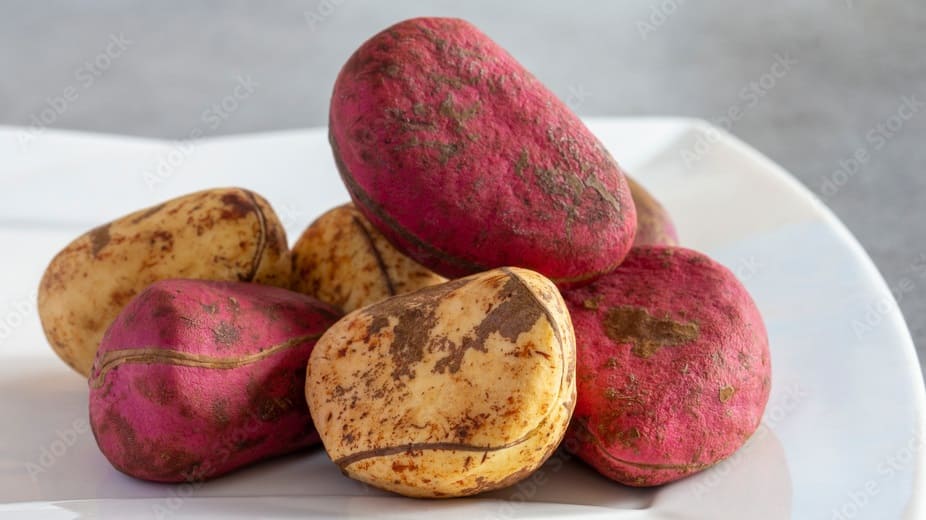
The kola nut has a long and fascinating history. For centuries, it has been a part of African culture, valued both as a social offering and as a natural stimulant. Known for its caffeine-rich properties, kola nut was once the secret ingredient in many soft drinks, including the original Coca-Cola. Beyond its role in beverages, this nut carries numerous health benefits, but it also comes with side effects if consumed excessively. If you’ve ever been curious about kola nut, this guide will walk you through everything you need to know—from its nutrition profile and health benefits to safe consumption tips and precautions.
What is Kola Nut?
The kola nut is the seed of the kola tree (Cola acuminata and Cola nitida), which is native to the tropical rainforests of West Africa. It’s a bitter-tasting nut that contains caffeine, theobromine, and other compounds that make it a natural stimulant. Traditionally, kola nuts are chewed during social gatherings, religious ceremonies, and as a gesture of hospitality in many African communities.
Apart from being a cultural symbol, the kola nut has also been used in herbal medicine for centuries. It was believed to boost energy, aid digestion, and enhance mental clarity. Today, kola nut extracts are used in supplements, energy drinks, and weight loss products. The nut itself is about the size of a chestnut, with a reddish-brown or white color depending on the variety. Its bitter taste gradually becomes sweeter when chewed, and its stimulating effect can be felt within minutes.
Nutrition Facts of Kola Nut
Although kola nut is not usually eaten for its calories or nutrients, it does provide certain compounds that contribute to its health benefits. Here’s a nutrition breakdown per 100 grams of kola nut:
| Nutrient | Amount |
|---|---|
| Calories | 150 kcal |
| Protein | 5 g |
| Fat | 0.8 g |
| Carbohydrates | 31 g |
| Fiber | 3 g |
| Caffeine | 2–3% |
| Theobromine | 1–2% |
| Calcium | 40 mg |
| Potassium | 200 mg |
| Magnesium | 45 mg |
| Iron | 2 mg |
| Vitamin C | 5 mg |
| Antioxidants | High |
The main active ingredients in kola nut are caffeine and theobromine, which stimulate the nervous system, improve alertness, and increase metabolism.
20 Science-Backed Health Benefits of Kola Nut
Kola nut may not be a typical snack, but it carries impressive health benefits when consumed in moderation.
- Boosts Energy Levels – The caffeine content helps fight fatigue and increases physical stamina.
- Improves Mental Alertness – Enhances concentration, focus, and reaction time.
- Supports Digestion – Traditionally used to relieve bloating and constipation.
- Increases Metabolism – Helps the body burn calories more efficiently.
- Promotes Weight Loss – Caffeine and theobromine act as appetite suppressants.
- Improves Circulation – Stimulates blood flow, which may benefit the heart and muscles.
- Enhances Respiratory Health – May help in conditions like asthma by relaxing the airways.
- Rich in Antioxidants – Protects the body from oxidative stress and cell damage.
- Boosts Immune Function – Contains vitamin C and phytochemicals that strengthen immunity.
- Increases Libido – Traditionally considered an aphrodisiac that improves sexual performance.
- Supports Heart Health – Moderate consumption may improve blood vessel function.
- Reduces Inflammation – Its compounds may soothe inflammatory conditions.
- Fights Fatigue-Related Headaches – Caffeine can reduce headache symptoms.
- Helps with Depression Symptoms – Stimulates mood-boosting neurotransmitters.
- Improves Oral Health – Traditionally chewed to freshen breath and kill bacteria.
- May Aid Type 2 Diabetes – Some studies suggest it improves glucose metabolism.
- Supports Kidney Function – Helps flush out excess water due to its mild diuretic effect.
- Improves Skin Health – Antioxidants help in reducing skin aging.
- May Reduce Risk of Certain Cancers – Phytochemicals in kola nut show anti-cancer potential.
- Enhances Endurance in Athletes – Increases stamina and delays fatigue during exercise.
10 Side Effects of Kola Nut
While kola nut has many benefits, overconsumption can lead to negative effects.
- Insomnia – High caffeine intake can disrupt sleep.
- Anxiety and Restlessness – Overstimulation of the nervous system.
- Increased Heart Rate – May trigger palpitations or irregular heartbeat.
- High Blood Pressure – Caffeine can temporarily raise blood pressure.
- Digestive Issues – Can cause stomach upset, nausea, or diarrhea in some people.
- Addiction Risk – Regular use may lead to caffeine dependence.
- Headaches – Too much caffeine can also trigger headaches.
- Kidney Problems – Excessive intake may put pressure on kidney function.
- Interference with Medications – May reduce effectiveness of sedatives and certain drugs.
- Pregnancy Risks – Excessive caffeine is unsafe for pregnant women, as it may increase miscarriage risk.
How to Eat Kola Nut?
Kola nuts can be consumed in different ways depending on cultural practices and personal preference.
- Chewing Raw Nuts – Traditional method; chew directly for a bitter, then slightly sweet taste.
- Powder Form – Ground kola nut powder can be added to smoothies, teas, or health drinks.
- Kola Extracts – Found in capsules or liquid supplements.
- In Beverages – Used as a flavoring and stimulant in soft drinks and energy drinks.
- Herbal Remedies – Infused in teas for medicinal purposes.
Tips for Consuming Kola Nut
- Start with small amounts to see how your body reacts.
- Avoid consuming before bedtime to prevent sleep issues.
- Pair with food to minimize stomach irritation.
- Stay hydrated, as caffeine can be dehydrating.
- Rotate with other natural stimulants (like green tea) to avoid dependency.
Other Uses of Kola Nut
Apart from being eaten, kola nut has several other uses:
- Cultural Use – Shared during ceremonies, weddings, and social gatherings in Africa.
- Traditional Medicine – Used for treating infections, fatigue, and digestive problems.
- Cosmetics – Extracts are used in skincare for their antioxidant properties.
- Food and Beverages – Used as a natural flavoring agent in energy drinks and sodas.
How Much Kola Nuts Can You Eat in a Day?
Moderation is key. Most experts recommend limiting kola nut consumption to 2–6 grams per day of raw nut or equivalent extract. This provides enough caffeine for stimulation without leading to harmful side effects. For supplements, always follow the manufacturer’s dosage instructions.
Best Time to Eat Kola Nut
- Morning or Early Afternoon – Best for boosting energy and focus.
- Before Workouts – Provides stamina and endurance.
- Avoid Late Evening or Night – May cause insomnia if taken too close to bedtime.
Who Should Eat Kola Nut?
Kola nut may be beneficial for:
- People needing an energy boost.
- Students or professionals requiring mental alertness.
- Athletes looking for endurance support.
- Individuals with slow digestion.
- People interested in traditional herbal remedies.
Who Should Not Eat Kola Nut?
Certain groups should avoid kola nut due to health risks:
- Pregnant or breastfeeding women.
- People with heart disease or hypertension.
- Those with anxiety disorders.
- Individuals sensitive to caffeine.
- Children under 12 years.
- People taking sedatives or blood pressure medication.
Precautions and Interactions
- Drug Interactions – Kola nut may reduce the effectiveness of sedatives, anti-anxiety medications, and drugs for high blood pressure.
- Caffeine Sensitivity – Those sensitive to caffeine should avoid it.
- Pregnancy and Breastfeeding – Avoid due to risk of miscarriage and restlessness in infants.
- Kidney and Liver Conditions – Should be used with caution to avoid complications.
- Dosage Control – Overuse may cause caffeine overdose symptoms like dizziness, rapid heartbeat, or nausea.
Conclusion
The kola nut is much more than a bitter seed—it’s a cultural treasure, a natural stimulant, and a herbal remedy with centuries of use behind it. From boosting energy and metabolism to supporting digestion and mental clarity, the kola nut offers numerous benefits. However, it’s not without risks, especially if consumed in excess.
If you’re considering adding kola nut to your diet, do so mindfully. Start small, pay attention to how your body reacts, and consult your doctor if you have existing health conditions or are on medication. When used wisely, kola nut can be a powerful natural ally for health, energy, and well-being.
FAQ’s
What does kola nut taste like?
Kola nut has a bitter and slightly astringent taste when first chewed, but it becomes mildly sweet as you continue. The taste may vary depending on the type of kola nut.
Is kola nut good for weight loss?
Yes, kola nut may support weight loss because its caffeine and theobromine content can boost metabolism, increase fat burning, and act as an appetite suppressant. However, it should not replace a balanced diet and regular exercise.
Can children eat kola nut?
No, kola nut is not recommended for children due to its caffeine content, which can negatively affect sleep, focus, and heart health in younger individuals.
Is kola nut safe during pregnancy?
Pregnant women should avoid kola nut, as excessive caffeine may increase the risk of miscarriage and affect fetal development. Breastfeeding women should also avoid it to prevent restlessness in infants.
Does kola nut really give energy?
Yes, kola nut is a natural stimulant. Its caffeine boosts energy, reduces fatigue, and enhances alertness, making it popular among students, workers, and athletes.
Can kola nut help with digestion?
Traditionally, kola nut has been used to improve digestion by stimulating gastric juices, reducing bloating, and easing constipation.
What is kola nut used for in traditional medicine?
In African traditional medicine, kola nut is used for improving stamina, reducing fatigue, supporting digestion, treating infections, and even enhancing libido.
Does kola nut have caffeine like coffee?
Yes, kola nut contains about 2–3% caffeine, which is similar to or slightly higher than coffee beans. This makes it a strong natural stimulant.
What is the kola nut good for?
The kola nut is good for boosting energy, enhancing mental alertness, improving digestion, supporting metabolism, and reducing fatigue. It is also traditionally used in African medicine for respiratory health, libido enhancement, and as an immune booster.
What is another name for kola nut?
The kola nut is also known as bissy nut or simply cola nut. In some regions, it’s called “obi” in Igbo or “guru” in Hausa.
Is kola nut psychoactive?
Yes, kola nut is mildly psychoactive due to its caffeine and theobromine content. It stimulates the central nervous system, improving mood, alertness, and energy levels, but without causing hallucinations or strong mind-altering effects.
Is it safe to eat kola nut?
Yes, kola nut is generally safe when eaten in moderation. However, excessive consumption may cause side effects like insomnia, anxiety, or increased heart rate due to its high caffeine content. Pregnant women, children, and people with heart conditions should avoid it.
Is kola nut legal?
Yes, kola nut is legal in most countries. It is commonly used in herbal medicine, dietary supplements, and energy products. However, some regions may regulate its import or use in large quantities.
Does kola nut contain nicotine?
No, kola nut does not contain nicotine. Its stimulating effects come from caffeine and theobromine, not nicotine.
Is kola nut good for the liver?
Kola nut contains antioxidants that may protect the liver from oxidative damage. However, excessive caffeine intake can put stress on the liver, especially in people with pre-existing liver conditions. It’s best to consume it in moderation.
Also Read: