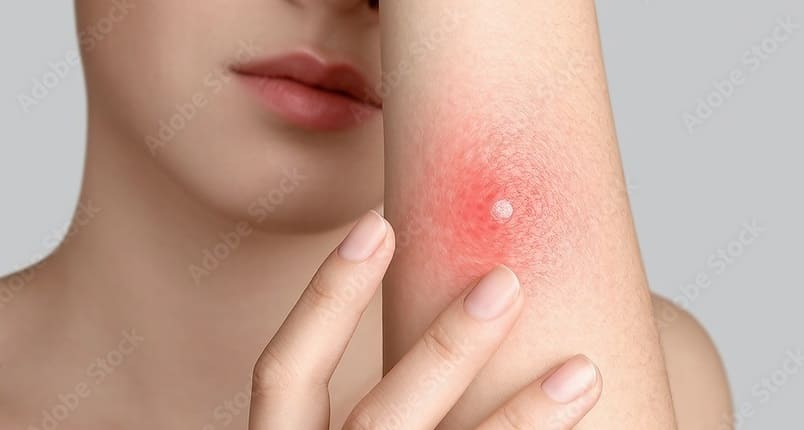
Boils are one of those skin conditions that almost everyone experiences at some point in life. They often start as small, red bumps that can quickly grow into painful, pus-filled lumps under the skin. While they may seem minor, boils can sometimes cause significant discomfort and even lead to complications if not treated properly. In this guide, we’ll dive deep into what boils are, their causes, symptoms, treatment options, prevention methods, and much more. By the end, you’ll have a clear understanding of how to manage and prevent boils effectively.
What are Boils?
A boil, medically known as a furuncle, is a skin infection that starts in a hair follicle or oil gland. It usually begins as a tender, red area on the skin that becomes firm and hard over time. Eventually, the center of the boil softens and fills with pus—a mixture of white blood cells, bacteria, and dead skin tissue.
Boils can appear anywhere on the body but are most common in areas that experience friction, sweating, or poor hygiene. Common sites include:
- Face
- Neck
- Armpits
- Thighs
- Buttocks
When multiple boils occur together and form a larger cluster, the condition is called a carbuncle. Carbuncles are more severe, painful, and often associated with fever or fatigue.
Causes of Boils
Boils are primarily caused by bacteria. The most common culprit is Staphylococcus aureus (Staph bacteria), which is commonly found on the skin and inside the nose. While these bacteria usually live harmlessly on the skin, they can cause infection if they enter the body through cuts, scratches, or hair follicles.
Some of the main causes and risk factors include:
1. Bacterial Infection
When Staphylococcus aureus invades a hair follicle or oil gland, it triggers an immune response. White blood cells rush to the area, leading to pus formation and swelling.
2. Poor Hygiene
Not washing regularly or failing to keep skin clean can create an environment where bacteria thrive, increasing the risk of boils.
3. Friction and Sweat
Areas exposed to friction (tight clothing) and sweating are more prone to boils. Sweat and friction irritate the skin and clog follicles, allowing bacteria to grow.
4. Weakened Immune System
People with weakened immune systems (due to diabetes, HIV, or chronic illness) are more susceptible to recurring boils.
5. Skin Conditions
Conditions like eczema or acne can damage the skin barrier, making it easier for bacteria to penetrate and cause infections.
6. Nutritional Deficiency
Lack of essential vitamins and minerals, especially vitamin A, vitamin C, and zinc, may impair immunity and delay skin healing, leading to frequent boils.
7. Sharing Personal Items
Using contaminated towels, razors, or clothing can transfer bacteria, causing outbreaks of boils.
Symptoms of Boils
Boils usually progress through distinct stages. Recognizing the symptoms early can help in timely treatment.
Common Symptoms Include:
- Red, swollen bump on the skin
- Painful and tender lump that enlarges over days
- White or yellow pus-filled center (head)
- Warmth around the affected area
- Itching or discomfort before the boil surfaces
Severe Symptoms (often with carbuncles):
- Fever
- Swollen lymph nodes
- Fatigue
- Spreading redness around the boil
If a boil is accompanied by these symptoms, medical attention is strongly advised.
Types of Boils
Not all boils are the same. They vary depending on the cause and location.
- Furuncle – A single boil caused by infection in a hair follicle.
- Carbuncle – A cluster of interconnected boils forming a larger, deeper infection.
- Cystic Acne – Similar to boils, but caused by blocked oil glands in acne-prone skin.
- Pilonidal Cyst – A painful boil that forms at the base of the spine, often caused by ingrown hair.
- Hidradenitis Suppurativa – Chronic boils in sweat gland areas like armpits and groin.
- Bartholin’s Abscess – Boil-like swelling near the vaginal opening due to blocked Bartholin’s glands.
Diagnosis of Boils
In most cases, boils can be diagnosed by simple physical examination. The doctor may check:
- The size, redness, and tenderness of the lump
- Presence of pus or drainage
- Any spreading infection
In severe or recurring cases, the doctor may order:
- Pus culture test to identify the bacteria causing infection
- Blood tests to check for underlying conditions (like diabetes or immune deficiency)
Medical Treatments for Boils
Medical care ensures the infection is controlled and reduces the risk of complications. Here’s a detailed look at treatment methods:
1. Incision and Drainage (I&D):
- This is the most common medical procedure for boils.
- A doctor makes a small incision in the boil to drain out the pus.
- The area is then cleaned and sometimes packed with sterile gauze to allow further drainage.
- This procedure quickly relieves pain and speeds up healing.
2. Antibiotics:
- Antibiotics may be prescribed if the infection is severe, spreading, or if the patient has weakened immunity.
- They are especially important if the boil is accompanied by fever or swollen lymph nodes.
- Commonly prescribed antibiotics for boils include:
- Clindamycin
- Dicloxacillin
- Cephalexin
- Trimethoprim-sulfamethoxazole (for MRSA infections)
- Topical antibiotics like mupirocin ointment may also be used to kill bacteria on the skin.
3. Pain Management:
- Doctors may recommend over-the-counter painkillers such as ibuprofen or acetaminophen to reduce pain and swelling.
- Warm compresses may still be advised along with medical care to support healing.
4. Treating Underlying Conditions:
- If boils keep recurring, the doctor may investigate underlying causes such as diabetes, immune system issues, or anemia.
- Managing these conditions is essential to prevent future boils.
5. Culture and Sensitivity Test:
- In cases of recurrent or resistant boils, pus may be sent to a lab for testing.
- This helps identify the exact bacteria causing the infection and determines which antibiotic will be most effective.
6. Hospitalization (Rare Cases):
- Severe infections that spread to deeper tissues (cellulitis) or the bloodstream (sepsis) may require hospitalization.
- Intravenous (IV) antibiotics and intensive care may be necessary in these rare but serious cases.
When Are Medical Treatments Necessary?
Seek medical treatment if:
- The boil is larger than 2 inches.
- Multiple boils form together (carbuncle).
- The infection is spreading (red streaks, swelling, fever).
- The boil is on the face, spine, or near sensitive areas.
- You have recurrent boils or underlying medical conditions.
Effective Home Remedies for Boils
While medical treatment is sometimes necessary, many small boils can be managed at home with simple remedies. These remedies not only speed up healing but also help relieve pain and prevent the infection from spreading.
1. Warm Compress:
- Apply a warm, moist cloth to the boil for 15–20 minutes, 3 to 4 times a day.
- This increases blood circulation, encourages the boil to come to a head, and promotes natural drainage of pus.
2. Turmeric Paste:
- Turmeric is a natural anti-inflammatory and antibacterial spice.
- Mix turmeric powder with water or coconut oil to make a paste and apply it directly to the boil.
- Drinking warm turmeric milk may also support healing from within.
3. Tea Tree Oil:
- Tea tree oil contains strong antibacterial properties.
- Dilute a few drops of tea tree oil with a carrier oil (like coconut oil) and apply gently to the boil.
- Avoid using undiluted tea tree oil, as it can irritate the skin.
4. Epsom Salt Soak:
- Epsom salt helps to draw out toxins and dry out pus.
- Dissolve Epsom salt in warm water and soak a clean cloth in it.
- Apply the compress directly to the boil for 15 minutes.
5. Neem (Indian Lilac):
- Neem has antibacterial and antiseptic properties.
- Boil neem leaves in water, make a paste, and apply it to the boil.
- Alternatively, wash the affected area with neem water for faster healing.
6. Castor Oil:
- Castor oil has natural antimicrobial compounds and can reduce inflammation.
- Apply a small amount of castor oil directly to the boil 2–3 times a day.
7. Onion Poultice:
- Onions contain natural antiseptic chemicals that fight infection.
- Place a thick slice of onion over the boil and cover it with a clean cloth for 1 hour.
- Repeat a few times daily until the boil drains.
8. Garlic:
- Garlic has strong antibacterial and healing properties.
- Crush fresh garlic and apply it directly to the boil for a few minutes.
- Alternatively, consume raw garlic to boost immunity and fight infection internally.
9. Apple Cider Vinegar:
- Apple cider vinegar works as a natural antiseptic.
- Dilute it with water and apply to the boil with a cotton ball.
- This may help in drying out the pus and reducing infection.
10. Good Hygiene and Care:
- Wash the boil area gently with mild antibacterial soap.
- Always use clean towels and avoid sharing personal items.
- Keep the area dry and wear loose, breathable clothing.
Important Note: These remedies are effective for small, uncomplicated boils. If the boil is large, extremely painful, recurring, or associated with fever, consult a doctor immediately.
How to Prevent Boils?
Prevention is often the best treatment. Simple lifestyle changes can reduce the risk of boils significantly.
- Maintain good personal hygiene.
- Wash hands regularly with soap.
- Avoid sharing towels, razors, or clothing.
- Wear loose, breathable clothing.
- Keep wounds clean and covered.
- Follow a balanced diet rich in vitamins and minerals.
- Manage chronic illnesses like diabetes effectively.
Complications of Boils
Although most boils heal without complications, untreated or severe infections can lead to:
- Abscess formation (deep infection under the skin)
- Cellulitis (spreading skin infection)
- Sepsis (rare but life-threatening infection in the bloodstream)
- Scarring or dark marks after healing
- Recurrent boils due to underlying health conditions
When to See a Doctor?
You should seek medical help if:
- The boil is larger than 2 inches in diameter.
- Multiple boils appear together (carbuncle).
- The boil is located on the face, spine, or near the eyes.
- You have a fever or swollen lymph nodes.
- The boil does not heal within 2 weeks.
- You experience recurrent boils.
Nutrition and Diet for Preventing Boils
A healthy diet supports immunity and skin healing, reducing the likelihood of boils.
Foods That Help:
- Vitamin A-rich foods: Carrots, spinach, sweet potatoes
- Vitamin C-rich foods: Citrus fruits, bell peppers, strawberries
- Zinc-rich foods: Nuts, seeds, beans, whole grains
- Probiotics: Yogurt, kefir, sauerkraut for gut health
- Hydration: Drinking enough water helps flush toxins
Foods to Limit:
- Processed foods
- Excessive sugar
- Fried or greasy foods
- Alcohol
Boils in Children
Children are prone to boils due to frequent scratches, poor hygiene, or sharing personal items. Most cases can be treated with warm compresses and hygiene care, but medical advice is essential if the child has fever, large boils, or repeated infections.
Boils and Underlying Medical Conditions
Sometimes, frequent boils may be a sign of another health problem. Conditions linked with recurring boils include:
- Diabetes – High blood sugar impairs immune function.
- Anemia – Low red blood cells reduce oxygen supply for healing.
- Immune disorders – Weak immunity increases susceptibility.
- Obesity – Skin folds and sweating encourage bacterial growth.
Myths and Facts About Boils
Myth 1: Boils are caused by eating too many oily foods.
Fact: Oily foods don’t directly cause boils, but poor diet can weaken immunity.
Myth 2: Squeezing a boil makes it heal faster.
Fact: Squeezing worsens infection and may spread bacteria.
Myth 3: Only dirty people get boils.
Fact: Boils can happen to anyone, even with good hygiene, due to bacteria.
Myth 4: Boils always require antibiotics.
Fact: Many boils heal naturally with home care. Antibiotics are only for severe cases.
Long-Term Outlook
Most boils heal within 1 to 2 weeks, leaving little to no scarring if properly managed. However, people with weak immunity or chronic conditions may face recurring boils. Preventive care, proper hygiene, and medical guidance ensure a good long-term outlook.
Conclusion
Boils may look minor at first but can be painful and sometimes lead to serious complications if ignored. Fortunately, with proper care—ranging from warm compresses and home remedies to medical treatment—boils can be managed effectively.
Maintaining good hygiene, a nutrient-rich diet, and managing underlying health issues are key steps in prevention. If you notice frequent or severe boils, consult a doctor for evaluation and treatment. Boils are common, but with awareness and the right approach, you can keep them from interfering with your daily life.
FAQ’s
Are boils contagious?
Yes, boils can be contagious if the pus or drainage comes into contact with another person’s skin or shared items like towels and razors.
How long does it take for a boil to heal?
Most boils heal within 1 to 2 weeks with proper home care. Larger or severe boils may take longer and require medical treatment.
Can I pop a boil at home?
No, popping or squeezing a boil at home can spread the infection deeper into the skin or to other parts of the body. It’s best to let it drain naturally or seek medical help.
What is the difference between a boil and a carbuncle?
A boil (furuncle) is a single infected hair follicle, while a carbuncle is a cluster of interconnected boils that form a larger, deeper infection.
Why do I keep getting boils?
Frequent boils may be linked to underlying conditions such as diabetes, weak immunity, poor hygiene, or skin disorders.
Can diet affect the occurrence of boils?
Yes, a diet low in essential nutrients may weaken immunity, making you more prone to boils. Eating foods rich in vitamins A, C, and zinc can help prevent them.
Are boils more common in children?
Yes, children are more likely to get boils due to skin injuries, weaker immunity, and frequent contact with bacteria from sharing items or playing in groups.
Can boils leave scars?
Small boils usually heal without scarring, but larger or improperly treated boils may leave dark marks or scars.
Can stress cause boils?
Indirectly, yes. Stress weakens immunity, making infections like boils more likely.
Can I prevent boils permanently?
You can reduce risk by practicing good hygiene, eating a healthy diet, and treating underlying conditions.
What cream is best for boils?
Topical antibiotic creams (like mupirocin) may help but should be used under medical advice.
Can boils be life-threatening?
Rarely, yes. If the infection spreads into the bloodstream (sepsis), it can be serious.
Also Read: