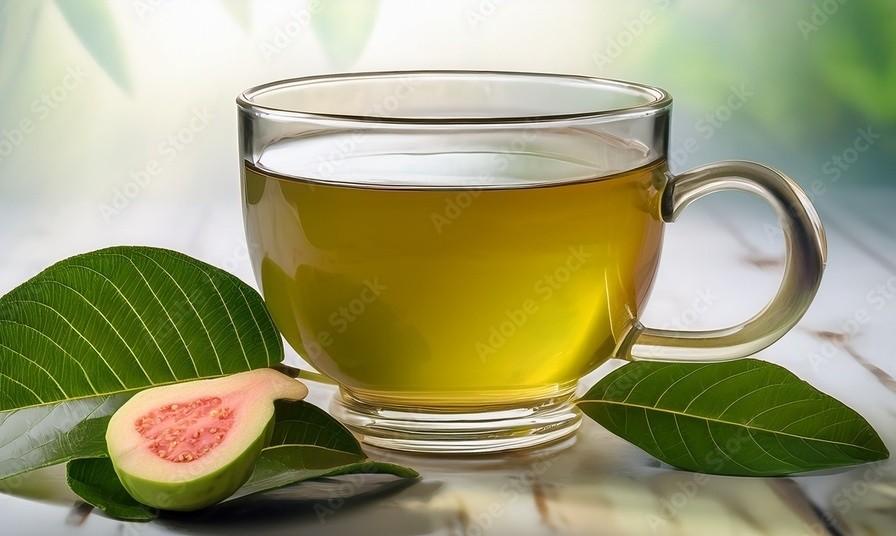
Guava — the sweet, tropical fruit loved for its taste and health benefits — is only half the story. The real magic lies in its leaves. For centuries, guava leaves have been used in traditional medicine, brewed into a soothing tea that supports digestion, boosts immunity, and balances blood sugar. Today, guava leaf tea has earned a place among the world’s top natural herbal teas for good reason — it’s packed with antioxidants, anti-inflammatory compounds, and nutrients that promote overall wellness.
In this comprehensive guide, we’ll dive deep into everything you need to know about Guava Leaf Tea — from what it is, its nutritional value, proven benefits, side effects, preparation methods, and much more.
What is Guava Leaf Tea?
Guava leaf tea is an herbal infusion made by boiling the fresh or dried leaves of the guava plant (Psidium guajava). Native to tropical regions, especially Central and South America, the guava plant has long been valued for its medicinal properties.
While the fruit is delicious and packed with vitamin C, the leaves are equally beneficial — if not more so. They contain bioactive compounds such as quercetin, flavonoids, tannins, and polyphenols that make them a powerhouse of healing.
Traditionally, guava leaf tea is used for various purposes: from easing digestion and reducing diarrhea to managing blood sugar and cholesterol levels. It’s naturally caffeine-free, making it a wonderful herbal alternative to green or black tea. The flavor of guava leaf tea is earthy, slightly bitter, and aromatic — similar to green tea but with a milder taste. Many people enjoy it plain or with a touch of honey and lemon.
Nutritional Facts of Guava Leaf Tea
Here’s an overview of the nutritional components found in guava leaf tea (per 1 cup serving, approximately 240 ml):
| Nutrient | Amount (Approx.) | Health Benefits |
|---|---|---|
| Calories | 5–10 | Low-calorie beverage |
| Vitamin C | 25–30 mg | Boosts immunity, antioxidant |
| Vitamin A | 5–10 µg | Supports vision and skin health |
| Iron | 0.2 mg | Helps with red blood cell formation |
| Calcium | 5–10 mg | Strengthens bones and teeth |
| Potassium | 30–40 mg | Regulates blood pressure |
| Magnesium | 3–5 mg | Supports muscle and nerve function |
| Antioxidants (Flavonoids, Quercetin) | High | Fights free radicals |
| Polyphenols | High | Reduces inflammation |
| Fiber (trace amounts) | – | Supports gut health |
Note: The exact nutritional composition can vary depending on the type of guava leaves, brewing time, and preparation method.
20 Science-Backed Health Benefits of Guava Leaf Tea
Guava leaf tea is more than just a comforting herbal drink — it’s a natural remedy backed by science and centuries of traditional use. Here are 20 research-supported benefits:
1. Regulates Blood Sugar Levels
Guava leaf tea has compounds like quercetin that help regulate glucose absorption in the intestine, making it beneficial for people with diabetes or prediabetes.
2. Improves Digestion
It helps stimulate digestive enzymes and reduces issues like bloating, constipation, and indigestion. Guava leaf tea is often used after heavy meals to soothe the stomach.
3. Relieves Diarrhea
One of the oldest uses of guava leaf tea is treating diarrhea. Its antimicrobial properties combat bacteria such as E. coli and Salmonella that cause intestinal infections.
4. Promotes Weight Loss
The tea may help in weight management by preventing complex carbohydrates from turning into sugars, thus reducing fat accumulation.
5. Reduces Cholesterol
Guava leaves contain compounds that help lower LDL (“bad”) cholesterol and triglycerides while maintaining HDL (“good”) cholesterol levels.
6. Boosts Immunity
High vitamin C and antioxidant content support the immune system and help the body fight off infections and oxidative stress.
7. Fights Respiratory Problems
Guava leaf tea acts as an expectorant, clearing mucus and soothing respiratory issues like cough, cold, and bronchitis.
8. Improves Heart Health
By reducing blood pressure, cholesterol, and inflammation, guava leaf tea supports cardiovascular health and reduces the risk of heart disease.
9. Balances Hormones
For women, guava leaf tea helps balance hormones naturally and may ease menstrual cramps and irregular periods.
10. Promotes Healthy Skin
Rich in antioxidants, guava leaf tea helps reduce acne, skin blemishes, and signs of aging. The leaves’ antimicrobial compounds fight bacteria responsible for skin breakouts.
11. Aids in Wound Healing
The antibacterial and anti-inflammatory properties of guava leaves accelerate wound healing and protect against infection when applied topically or consumed as tea.
12. Reduces Inflammation
Flavonoids and polyphenols in guava leaves have anti-inflammatory effects that help ease conditions like arthritis and joint pain.
13. Improves Oral Health
Guava leaf tea can help maintain oral hygiene. Gargling with it reduces gum inflammation, bad breath, and toothache due to its antibacterial properties.
14. Supports Liver Health
The antioxidants in guava leaves protect liver cells from oxidative damage and may aid in detoxification.
15. Reduces Stress and Anxiety
Drinking guava leaf tea has mild relaxing effects, helping calm the mind and body. It may reduce cortisol levels and promote better sleep.
16. Enhances Brain Function
The presence of B vitamins and antioxidants supports nerve function and protects the brain from oxidative damage.
17. Fights Bacterial Infections
Guava leaf extracts are known to inhibit harmful bacteria like Staphylococcus aureus, E. coli, and Listeria.
18. Supports Hair Growth
Rinsing hair with guava leaf tea can strengthen hair follicles, reduce dandruff, and stimulate hair growth naturally.
19. Aids Detoxification
Guava leaf tea helps flush toxins from the body, promoting healthy skin, kidneys, and digestion.
20. Boosts Overall Energy
Unlike caffeinated teas, guava leaf tea offers natural energy by supporting metabolism and improving nutrient absorption without causing jitters.
10 Side Effects of Guava Leaf Tea
Although guava leaf tea is generally safe, excessive consumption or allergic reactions can cause certain side effects:
- Constipation: Drinking too much may slow digestion in some people.
- Nausea: Overconsumption can upset the stomach.
- Allergic Reaction: Rarely, some people may experience itching or rashes.
- Lower Blood Sugar: Diabetic patients taking medication should monitor glucose levels carefully.
- Low Blood Pressure: Those on blood pressure medication should consult their doctor before regular use.
- Interaction with Medications: It can interfere with certain drugs, including antibiotics and diabetic medicines.
- Dehydration: Consuming too much may increase urination and cause dehydration.
- Pregnancy Concerns: Pregnant women should consult a doctor before drinking it frequently.
- Iron Absorption Issues: The tannins in guava leaves may inhibit iron absorption if consumed excessively.
- Stomach Irritation: Overly strong tea or consuming it on an empty stomach can cause discomfort.
How to Make Guava Leaf Tea?
Making guava leaf tea is simple and can be done using fresh or dried leaves.
Ingredients:
- 6–8 fresh or 2 tablespoons dried guava leaves
- 2 cups of water
- Honey or lemon (optional)
Instructions:
- Wash the guava leaves thoroughly to remove any dust or residue.
- Boil 2 cups of water in a pot.
- Add the leaves and let them simmer for about 10–15 minutes.
- Turn off the heat and let it steep for 5 minutes.
- Strain the tea and serve hot or cold.
- Add honey or lemon for taste if desired.
Tip: You can also prepare a larger batch and store it in the refrigerator for up to two days.
Other Uses of Guava Leaf Tea
Guava leaf tea isn’t just for drinking — it has versatile uses in natural health and beauty care:
- Hair Rinse: Strengthens hair, reduces dandruff, and prevents hair loss.
- Mouth Rinse: Helps treat oral ulcers and gum problems.
- Skin Toner: Applying cooled guava leaf tea helps minimize acne and tighten pores.
- Bath Soak: Adding guava leaf tea to bathwater soothes skin irritation and inflammation.
- Digestive Cleanse: Used as part of detox routines to support gut health.
How Much Guava Leaf Tea Can You Drink a Day?
Moderation is key when it comes to herbal teas. The ideal amount of guava leaf tea is:
- 1–2 cups per day for general health benefits.
- 3 cups daily may be consumed for specific therapeutic uses like blood sugar control, but only under guidance.
Always start with small amounts and observe how your body reacts.
Tips for Consuming Guava Leaf Tea
- Drink after meals to aid digestion and control blood sugar spikes.
- Use fresh young leaves for a more pleasant flavor and better nutrient content.
- Avoid over-boiling as it may reduce the potency of beneficial compounds.
- Add lemon or mint to enhance flavor and boost vitamin C.
- Avoid sweeteners if you’re managing diabetes.
- Store properly — keep dried leaves in an airtight jar away from moisture.
- Consult your doctor if you have any chronic condition or are taking medication.
Best Time to Drink Guava Leaf Tea
The best times to drink guava leaf tea depend on your goals:
- Morning: For metabolism boost and detoxification.
- After Meals: To aid digestion and regulate blood sugar.
- Evening: To relax and unwind after a long day.
Avoid drinking it right before bedtime if it causes mild stomach stimulation in your case.
Who Should Drink Guava Leaf Tea?
Guava leaf tea can benefit a wide range of people, including:
- Those with diabetes or insulin resistance
- Individuals with digestive issues like bloating or diarrhea
- People aiming for weight loss or detoxification
- Those suffering from high cholesterol or high blood pressure
- Individuals seeking natural immunity support
- People struggling with acne or oily skin
- Women experiencing menstrual cramps or hormonal imbalance
Who Should Not Drink Guava Leaf Tea?
While safe for most, the following groups should limit or avoid guava leaf tea unless advised by a healthcare professional:
- Pregnant or breastfeeding women — limited research on safety.
- People on diabetes medications — may cause hypoglycemia.
- Individuals with low blood pressure — can further lower blood pressure.
- People with iron deficiency — tannins may affect absorption.
- Children under 6 years — should consume only under supervision.
Precautions and Interactions
Before adding guava leaf tea to your daily routine, keep these points in mind:
- Consult your doctor if you’re pregnant, breastfeeding, or on medications.
- Avoid mixing with other strong herbal teas or supplements without guidance.
- Monitor blood sugar and pressure levels regularly if you are on related medications.
- Do not overconsume — excess intake may lead to digestive discomfort or mineral imbalance.
- Use organic, pesticide-free leaves to ensure safety.
Final Thoughts
Guava leaf tea is a hidden gem in the world of herbal beverages. It’s natural, caffeine-free, and offers a powerful mix of antioxidants, vitamins, and minerals. From supporting digestion and balancing blood sugar to enhancing skin and hair health, the benefits are truly remarkable.
However, like any herbal remedy, it’s best enjoyed in moderation. Start with one cup daily, listen to your body, and consult a healthcare professional if you have specific medical concerns. Whether you’re seeking better health, glowing skin, or a natural detox drink, Guava Leaf Tea can be your perfect herbal companion — a timeless brew that connects ancient wisdom with modern wellness.
FAQ’s
Can pregnant women drink guava leaf tea?
Pregnant women should consult their doctor before drinking guava leaf tea. Although guava leaves are natural, there isn’t enough scientific research to confirm their safety during pregnancy. Some herbal teas may affect hormones or digestion, so it’s best to be cautious.
Can breastfeeding mothers drink guava leaf tea?
Breastfeeding mothers should seek medical advice before consuming guava leaf tea regularly. While it’s rich in antioxidants and nutrients, it may slightly alter the taste of breast milk or cause mild digestive changes in infants. Occasional consumption in small amounts may be safe under guidance.
Can children drink guava leaf tea?
Children above 6 years can drink mild guava leaf tea in small amounts (½ cup a day), but it should always be diluted and caffeine-free. For younger children, it’s better to avoid it unless recommended by a pediatrician.
Can diabetic patients drink guava leaf tea?
Yes. Guava leaf tea is beneficial for people with diabetes as it helps regulate blood sugar levels and improves insulin sensitivity. However, if you are taking diabetes medication, monitor your blood sugar levels regularly to avoid hypoglycemia and consult your doctor about dosage.
Can I drink guava leaf tea every day?
Yes, you can drink 1–2 cups of guava leaf tea daily. It’s safe and healthy for most people when consumed in moderation. Drinking it daily can support digestion, immunity, and overall wellness, but excessive intake may cause side effects like nausea or constipation.
Can guava leaf tea help with weight loss?
Absolutely. Guava leaf tea may support weight loss by preventing complex carbohydrates from turning into sugars and reducing fat accumulation. It also helps control appetite and improve digestion, making it a great natural addition to a balanced weight-loss plan.
Does guava leaf tea help with acne or skin problems?
Yes. The antioxidants and antibacterial compounds in guava leaves can reduce acne, inflammation, and blemishes. Drinking the tea regularly or using it as a facial rinse can help purify the skin from within and promote a clearer complexion.
Can guava leaf tea help lower cholesterol?
Yes, research suggests that tea helps lower LDL (“bad”) cholesterol and triglycerides while maintaining HDL (“good”) cholesterol levels. Drinking it regularly may improve heart health and reduce the risk of cardiovascular disease.
Does guava leaf tea have caffeine?
No. tea is naturally caffeine-free, making it a great herbal alternative for people who want to avoid caffeine or are sensitive to it. You can enjoy it any time of the day without worrying about sleep disruption or jitters.
What does guava leaf tea taste like?
Tea has a mild, earthy flavor with a slightly bitter note — similar to green tea but smoother. You can add honey, lemon, or mint to enhance the flavor and make it more refreshing.
How long should I boil guava leaves for tea?
You should boil guava leaves for 10–15 minutes to release their active compounds. Then, let the tea steep for an additional 5 minutes before straining and drinking.
Can I drink guava leaf tea cold?
Yes. tea can be enjoyed hot or cold. Cold guava tea can be refreshing, especially during hot weather, and it still retains most of its health benefits.
Can I use dried guava leaves to make tea?
Yes. Dried guava leaves work perfectly for tea. Just ensure they’re clean and free from pesticides. You can store dried leaves in an airtight jar and use about 2 tablespoons per 2 cups of water.
How long can I store guava leaf tea?
Freshly brewed tea can be stored in the refrigerator for up to 2 days. Keep it in a covered glass container. Reheat gently or drink it cold as a refreshing herbal beverage.
Is guava leaf tea good for menstrual cramps?
Yes. tea is known to help relieve menstrual pain and cramps by relaxing uterine muscles and reducing inflammation. Drinking a cup of tea during your menstrual cycle can ease discomfort naturally.
Can I mix guava leaf tea with other herbs?
Yes, tea pairs well with herbs like ginger, lemongrass, mint, or green tea leaves for extra flavor and benefits. However, avoid mixing too many herbs at once as it may affect digestion or cause unwanted interactions.
Is guava leaf tea safe during fasting or detox?
Yes. tea is an excellent addition to detox or fasting routines as it helps cleanse the digestive system, supports liver function, and provides antioxidants without calories.
Can I apply guava leaf tea directly to my hair or skin?
Yes. You can use cooled tea as a natural rinse for hair to reduce dandruff and strengthen roots. On skin, it acts as a toner to reduce acne, soothe irritation, and tighten pores. Always test a small area first to ensure no allergic reaction.
What are guava tea leaves good for?
Guava tea leaves are good for improving digestion, balancing blood sugar, lowering cholesterol, boosting immunity, and promoting healthy skin and weight loss. They’re packed with antioxidants that support overall wellness.
What is the effect of guava leaf tea on the kidneys?
Tea helps flush out toxins, reduce inflammation, and support kidney function. However, drinking too much may strain the kidneys, so moderation is important, especially for those with kidney issues.
Also Read: