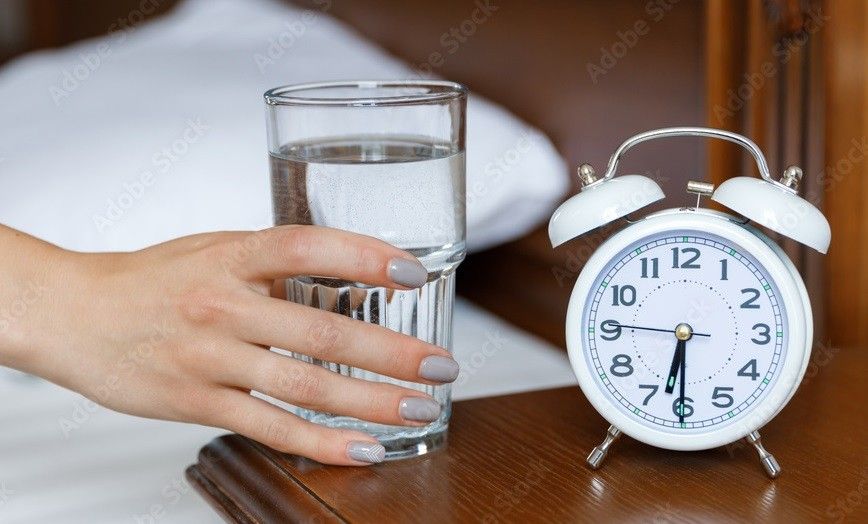
Water is so basic that most of us don’t really think about it. It’s always there — in our bottles, in our kitchens, in restaurants, in offices. And yet, it may be one of the most powerful tools for better health, clearer skin, improved digestion, and higher energy levels.
We all know the general advice: “Drink more water.”
But a question many people forget to ask is: When is the best time to drink water?
Surprisingly, timing matters a lot more than we think. Drinking water at the right time can help your body absorb nutrients better, flush out toxins more efficiently, boost your metabolism, and even improve your sleep.
Let’s take a deep look at the best times to drink water throughout the day, why it matters, and how you can build this simple habit into your life without stress.
Why Timing Your Water Intake Is Important
Our body is a well-organized system. Different processes happen at different times of the day: digestion, detoxification, repair, hormone release, and energy production. When you drink water at specific moments, you’re supporting these natural rhythms.
Drinking water at the right time can:
- Improve digestion
- Help control appetite
- Boost metabolism
- Support brain function
- Improve skin clarity and elasticity
- Flush out toxins
- Reduce headaches and fatigue
- Support weight loss or weight management
- Improve bladder and kidney function
- Regulate body temperature
On the other hand, drinking water at the wrong time, or in excessive amounts at once, may interfere with digestion or disturb your sleep.
The goal isn’t to complicate water intake. It’s to make you more aware so you can use water as a natural health tool.
Best Times to Drink Water for Maximum Health Benefits
1. Immediately After Waking Up
The moment you wake up is one of the most important times to drink water.
After 6–8 hours of sleep, your body is naturally dehydrated. You’ve been breathing, sweating, and regulating temperature all night without replacing any fluids.
Drinking water first thing in the morning helps:
- Rehydrate your body
- Wake up your internal organs
- Restart your metabolism
- Flush out accumulated toxins
- Improve bowel movements
- Reduce morning fatigue
- Boost mental clarity
Many people say that one or two glasses of water in the morning helps them feel “alive” faster than coffee.
If you really want to take advantage of this time, try warming the water slightly or adding a few drops of lemon. Warm water is gentler on the system and can stimulate digestion.
You don’t have to turn it into a complicated ritual. Just keep a glass or bottle near your bed, and make it the first thing you do every day.
This one habit alone can improve your health more than you imagine.
2. Before Brushing Your Teeth
This may surprise you, but drinking water before you brush your teeth has some benefits.
During sleep, bacteria build up in the mouth because saliva production decreases. Drinking water in the morning helps wash away some of these bacteria and prevents the dry, sticky feeling many people wake up with.
It also protects tooth enamel by restoring healthy moisture levels in your mouth. If you suffer from dry mouth or bad breath, this simple habit can make a noticeable difference.
3. 30 Minutes Before Meals
One of the smartest times to drink water is about 30 minutes before a meal.
This helps in several ways:
- Prepares your stomach for digestion
- Helps stomach acid work properly
- Supports the absorption of nutrients
- Prevents overeating
- Helps control portion size
Many studies suggest that drinking water before meals can support weight management because it creates a slight feeling of fullness, making you less likely to overeat or grab extra servings.
However, this doesn’t mean you should replace meals with water. The point is to support digestion, not suppress hunger in an unhealthy way.
Just a glass of water, half an hour before eating, is enough to make a difference.
4. During Meals (But Smartly)
You might have heard conflicting advice about drinking water during meals. Some people say it’s bad, others say it’s perfectly fine.
The truth is: small sips of water during meals are fine and can actually help you chew and swallow food more comfortably. It also helps mix the food with digestive juices, making it easier for your body to break it down.
What you should avoid is:
- Drinking large amounts of cold water during meals
- Gulping down multiple glasses at once
- Replacing proper chewing with water
Large quantities of water during meals can dilute stomach acid and slow digestion, sometimes leading to bloating or discomfort.
If you feel thirsty while eating, take small sips at room temperature instead of drinking a whole glass at once.
5. After Meals (Wait a Little)
Many people finish their plate and immediately reach for a full glass of water. While this is common, it’s better to wait 30 to 60 minutes after eating before drinking a large amount of water.
Why?
Because right after you eat, your stomach is actively producing strong acids and enzymes to break down food. Drinking too much water at this time can dilute these digestive juices and may:
- Slow down digestion
- Cause bloating
- Make you feel heavy
- Lead to acid reflux in some people
It doesn’t mean you should feel thirsty or dehydrated — just don’t flood your stomach right after a meal. Give it a little time to do its job peacefully.
6. Before Exercise
If you exercise, even just a little, hydration becomes even more important.
Your body loses water through sweat and increased breathing. Being well-hydrated before exercise helps:
- Improve endurance
- Prevent dizziness
- Support muscle performance
- Regulate body temperature
- Reduce risk of cramps
Ideally, drink a glass of water about 30 to 60 minutes before your workout. This ensures your body is ready and hydrated before physical activity begins.
You don’t need to overload yourself with water. One glass is enough for light exercise, while intense workouts may require more structured hydration.
7. During Exercise
During exercise, listen to your body.
If you feel thirsty, it means your body is already starting to dehydrate. Small, regular sips during your workout can help you maintain balance without feeling too full or uncomfortable.
This is especially important in hot weather or during long workouts.
Water supports:
- Muscle function
- Joint lubrication
- Body temperature control
- Overall stamina
Make water your workout partner instead of energy drinks or sugary beverages.
8. After Exercise
After a workout, your body needs to recover. You have lost fluids through sweat and exertion.
Drinking water after exercise:
- Replenishes lost fluids
- Helps repair muscle tissue
- Reduces soreness
- Supports faster recovery
- Prevents fatigue and headaches later
This is one of the most crucial times to drink water, especially if your workout made you sweat a lot.
Try to sip slowly instead of gulping everything at once. Your body absorbs it better that way.
9. When You Feel Hungry
Sometimes what we interpret as hunger is actually thirst.
If you suddenly feel the urge to snack — especially between meals — try drinking a glass of water and wait a few minutes.
You might notice that the “hunger” simply fades away. That’s because your body was asking for hydration, not food.
This trick can help with:
- Reducing unnecessary snacking
- Supporting weight management
- Increasing awareness of real hunger vs thirst
This doesn’t mean ignore your hunger every time. But it’s a simple step that can prevent mindless eating.
10. When You Feel Tired or Have a Headache
Dehydration is a major cause of fatigue and headaches. If you feel unusually tired, foggy, or have a dull headache, don’t reach for caffeine immediately.
Try water first.
Proper hydration helps:
- Boost brain function
- Improve concentration
- Reduce headaches caused by dehydration
- Increase overall energy levels
You may be surprised how often tiredness is simply your body asking for water.
11. During Hot Weather
In hot climates or during summer, your body loses more water through sweat — even without physical activity.
You should increase your water intake throughout the day, not by drinking a huge amount at once, but by taking small, regular sips.
Best strategies for hot weather hydration include:
- Keep a bottle with you
- Drink water every 30–60 minutes
- Add natural electrolytes like lemon or a pinch of salt if needed
- Eat water-rich fruits such as watermelon and cucumber
Don’t wait until you feel extremely thirsty. Thirst is a late signal of dehydration.
12. When You Are Sick
When you are sick with fever, cold, flu, stomach issues, or any type of infection, your body needs more water than usual.
Water helps:
- Flush out toxins
- Reduce fever naturally
- Prevent dehydration from vomiting or diarrhea
- Support immune function
- Maintain body fluid balance
Warm water, herbal teas, or soups (if allowed) are excellent during illness. They are gentle, soothing, and supportive of healing.
13. Before Bed – Yes or No?
This one needs balance.
Drinking too much water right before bed can disturb your sleep by making you wake up to use the bathroom. But going to bed dehydrated is also not ideal.
The best approach is:
- Drink your last full glass of water about 1–2 hours before sleeping
- Take only small sips if you feel thirsty later
- Avoid cold water at night
This keeps you hydrated without interrupting your rest.
How Much Water Should You Drink Each Day?
There is no one-size-fits-all answer, but a general guideline for adults is:
- 8–10 glasses per day (about 2 to 2.5 liters)
- More if you are active or live in a hot climate
- More if you are breastfeeding or recovering from illness
However, your needs depend on:
- Body weight
- Activity level
- Climate
- Overall health
The best indicator is your urine color. If it is pale yellow, you are likely well-hydrated. If it is dark, you need to drink more water.
Simple Tips to Drink Water at the Right Time
If all this timing feels overwhelming, don’t worry. Here are easy, real-life tips to help you stay consistent:
- Keep a reusable water bottle with you
- Set gentle reminders on your phone
- Drink one glass after every bathroom break
- Use a marked bottle to track your intake
- Pair water with daily habits (after brushing teeth, before meals, after exercise)
- Add natural flavor like lemon, mint, or cucumber if plain water feels boring
Hydration doesn’t have to be complicated; it just needs awareness.
Final Thoughts
Water is the most natural medicine on this planet. We don’t need prescriptions, fancy machines, or special supplements to access it. And yet, most people walk around mildly dehydrated every day.
The key is not only how much water you drink, but when you drink it.
By focusing on the best times to drink water — after waking up, before meals, around exercise, during heat, and consciously throughout the day — you are giving your body the support it desperately needs to function at its best.
FAQ’s
Is it really important when I drink water?
Yes, timing matters because your body performs different functions throughout the day. Drinking water at the right time helps support digestion, metabolism, energy levels, and toxin removal.
Can I drink water right before eating?
Yes, drinking water about 30 minutes before a meal can improve digestion and help control appetite without interfering with nutrient absorption.
Is it bad to drink water during meals?
Small sips are fine, but drinking large quantities during meals may dilute your stomach acids and slow down digestion.
Is drinking water before bed good or bad?
A small amount is fine, but drinking too much before bed can disrupt sleep by making you wake up to use the bathroom.
Can drinking water help with weight loss?
Yes, especially when consumed before meals and instead of sugary drinks. It can increase feelings of fullness and reduce unnecessary snacking.
Why do I feel tired even after drinking coffee?
You may be slightly dehydrated. Water is essential for brain function and energy production, so try drinking water before reaching for caffeine.
How can I remember to drink water regularly?
Carry a water bottle, set reminders on your phone, and make drinking water part of your daily routine, like after waking up or before meals.
What is the 1/2/3 rule of drinking water?
The 1/2/3 rule is a simple hydration method: drink 1 glass of water after waking up, 2 glasses before each main meal, and 3 sips whenever you feel thirsty throughout the day. It helps you space out your water intake naturally instead of drinking too much at once.
Why is water better at night?
Water at night helps the body stay hydrated while it repairs and restores itself during sleep. It also supports blood circulation and reduces the risk of morning headaches. However, it’s best to drink it 1–2 hours before bed to avoid sleep disruption.
Is it better to drink cold or warm water?
Warm or room-temperature water is generally better because it is gentler on the stomach and easier for the body to absorb. Cold water may slow digestion and tighten blood vessels, which can sometimes cause discomfort in sensitive people.
What is the healthiest way to drink water?
The healthiest way is to sip water slowly throughout the day instead of gulping large amounts at once. Drink more after waking up, before meals, and during physical activity to support digestion and hydration.
How soon after waking up should I drink water?
Ideally, you should drink water within 5–10 minutes of waking up. This rehydrates your body, activates your organs, and helps flush out toxins that build up overnight.
Which water is best for an empty stomach?
Warm water or room-temperature water is best on an empty stomach. You can also add a few drops of lemon for better digestion and detox support.
Why is cold water not good for your stomach?
Cold water can tighten blood vessels and slow down digestion. It may also cause bloating, cramps, or discomfort, especially in people with sensitive digestion systems.
Which water is best for weight loss?
Warm water is best for weight loss because it boosts metabolism and helps break down fat more efficiently. Drinking water before meals also reduces overeating and controls calorie intake naturally.
Also Read: