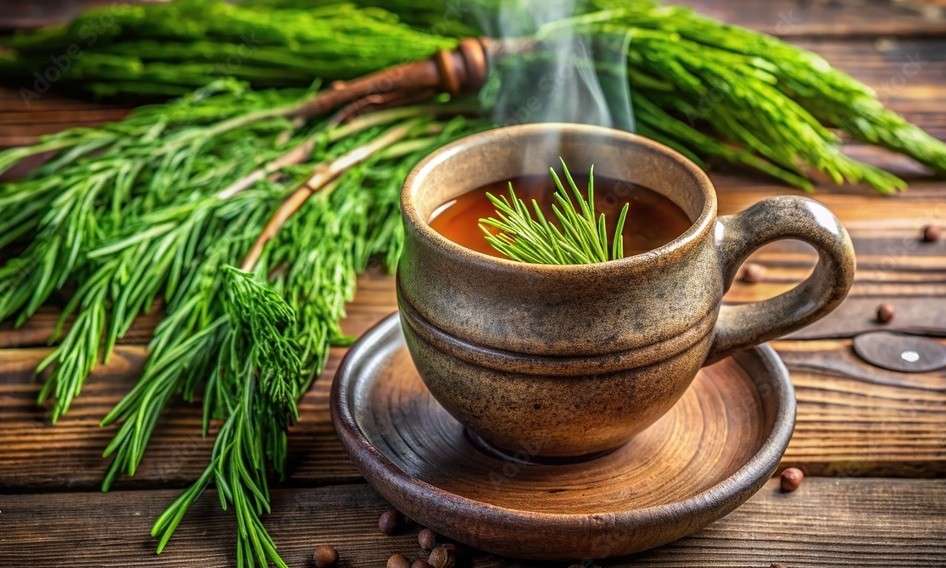
Horsetail tea may look like a trendy herbal drink, but its story goes back thousands of years. Used in traditional medicine across Europe and Asia, horsetail (scientific name: Equisetum arvense) is considered one of the oldest plants on Earth. This fern-like plant isn’t grown for its looks — it’s valued for its powerful medicinal properties, especially for bones, skin, hair, urinary health, and detoxification.
From strengthening hair strands to supporting kidney function, horsetail tea has slowly earned attention in the world of natural wellness. However, like many herbal remedies, it comes with benefits and cautions that you should understand before making it part of your daily routine.
This guide will take you through everything you need to know about horsetail tea — what it is, its nutrients, 20 proven health benefits, possible side effects, preparation methods, usage tips, and safety precautions.
What is Horsetail Tea?
Horsetail tea is an herbal infusion made from the dried stems of the horsetail plant (Equisetum arvense). The plant gets its name from its long, thin, hollow stems that resemble a horse’s tail. Rich in minerals — especially silica — horsetail has been used historically in natural medicine to support wound healing, hair growth, bone strength, and urinary tract health.
Unlike traditional teas that come from the Camellia sinensis plant (like green or black tea), horsetail tea is a caffeine-free herbal tea. It has a mildly earthy, grassy flavor and can be consumed on its own or blended with other herbs such as mint, lemon balm, or nettle.
In ancient civilizations, horsetail was not only used as a medicine but also as a natural abrasive for cleaning pots and polishing tools because of its high silica content. Today, it is mostly consumed as a tea or taken as a supplement for its healing potential.
Nutritional Facts of Horsetail Tea
Although horsetail tea is not a significant source of calories, it is rich in minerals and compounds that support internal health.
| Nutrient / Compound | Estimated Amount | Primary Benefit |
|---|---|---|
| Silica | High | Strengthens hair, bones, nails, and skin |
| Calcium | Moderate | Supports bone strength |
| Potassium | Moderate | Regulates fluid balance |
| Magnesium | Small | Supports muscle and nerve function |
| Flavonoids | Present | Antioxidant support |
| Saponins | Present | Anti-inflammatory effects |
| Tannins | Present | Astringent, antibacterial properties |
| Vitamin C | Trace amounts | Immune support |
| Alkaloids | Small amounts | Stimulating effect on body systems |
| Antioxidants | High | Protects against cell damage |
These nutrients are what make horsetail tea popular in natural healing practices.
20 Science-Backed Benefits of Horsetail Tea
1. Supports Stronger Hair Growth
Horsetail is rich in silica, which is essential for collagen production — the main building block of hair. Regular consumption of horsetail tea may help strengthen hair strands, reduce breakage, and promote healthier hair growth.
2. Improves Skin Elasticity
Silica and antioxidants in horsetail tea support collagen formation in the skin, helping improve elasticity and slow visible signs of aging like fine lines and sagging.
3. Strengthens Nails
Brittle and weak nails can benefit from the silica in horsetail. It helps improve nail hardness, structure, and overall growth.
4. Supports Bone Health
Horsetail contains calcium, magnesium, and silica — all essential minerals for strong bones. It may help prevent bone density loss when combined with a healthy diet.
5. Acts as a Natural Diuretic
Horsetail tea helps the body remove excess water and sodium. This is especially helpful for people experiencing water retention, swelling, or bloating.
6. Supports Urinary Tract Health
Traditionally used for urinary tract infections, horsetail tea helps flush out bacteria and reduces inflammation in the urinary system.
7. Aids in Kidney Health
By increasing urine output, it assists the kidneys in detoxification and flushing out waste products.
8. Reduces Inflammation
The anti-inflammatory compounds in horsetail help calm internal inflammation, which may benefit those with arthritis, joint pain, and muscle soreness.
9. Helps With Wound Healing
Horsetail tea and extracts have been used externally to support faster wound healing due to their tissue-repairing abilities.
10. Supports Detoxification
The diuretic and antioxidant effects of horsetail help cleanse the liver and kidneys, supporting overall detox.
11. Improves Blood Circulation
Some compounds in horsetail help strengthen blood vessel walls, improving circulation and reducing the risk of varicose veins.
12. Supports Respiratory Health
Horsetail tea has been traditionally used to ease coughing, soothe the throat, and improve lung function.
13. May Help Regulate Blood Sugar
Preliminary research suggests horsetail may help balance glucose levels, benefiting people with insulin resistance when consumed responsibly.
14. Reduces Edema (Swelling)
Because of its diuretic properties, horsetail tea helps reduce fluid buildup in tissues.
15. Promotes Weight Loss (Indirectly)
By reducing water retention and supporting detoxification, horsetail tea may contribute to a leaner feeling and better metabolism.
16. Supports Joint and Cartilage Health
Silica and minerals help maintain cartilage integrity and lubricate joints.
17. Strengthens Teeth and Gums
Silica contributes to stronger enamel and healthier gums.
18. Aids Digestion
Its mild astringent properties may soothe the digestive tract and reduce diarrhea or irritation.
19. Boosts Immunity
Antioxidants and minerals help strengthen the immune system, making the body more resistant to infections.
20. May Balance Hormones
Traditionally, horsetail tea has been used to support hormonal balance in women, especially during PMS or menopause.
10 Side Effects of Horsetail Tea
While horsetail tea offers impressive benefits, overconsumption or misuse can cause side effects:
- Vitamin B1 (Thiamine) Deficiency: Horsetail contains an enzyme that breaks down vitamin B1. Long-term use without supplementation may lead to deficiency.
- Dehydration: Because it’s a diuretic, drinking too much can lead to excessive fluid loss.
- Low Potassium Levels (Hypokalemia): Frequent urination may lower potassium levels, leading to weakness or irregular heartbeat.
- Stomach Upset: Large doses can cause nausea, stomach cramps, or digestive discomfort.
- Headache or Dizziness: Due to fluid imbalance and mineral depletion.
- Allergic Reactions: Rare, but possible — may include itching, swelling, or rash.
- Liver Stress: Excessive consumption may burden the liver.
- Muscle Weakness: Due to electrolyte imbalance.
- Drug Interactions: It may interfere with diuretics, lithium, and blood pressure medications.
- Not Safe for Long-Term Use Without Breaks: Continuous usage for months is not recommended without professional advice.
How to Make Horsetail Tea?
Making horsetail tea is simple and traditional.
Ingredients:
- 1 to 2 teaspoons dried horsetail
- 1 cup water
Method:
- Bring water to a boil.
- Add dried horsetail to the water.
- Simmer for 5–10 minutes (do not overboil).
- Strain and let it cool slightly.
- Drink warm.
For better taste, you can add:
- Lemon juice
- Honey
- Mint leaves
Other Uses of Horsetail Tea
Aside from drinking, horsetail tea can be used in other ways:
- As a hair rinse to enhance shine
- As a skin toner for clearer skin
- In foot soaks for fungal infections
- As a compress for wounds and swelling
- In bath water for joint relief
How Much Horsetail Tea Can You Drink a Day?
For most adults, the safe limit is:
1 to 2 cups per day, for up to one week at a time
Then take a break of at least 2 to 3 weeks before using it again. Continuous long-term use is not recommended unless advised by a healthcare provider.
Tips for Consuming Horsetail Tea
- Always start with one small cup to check tolerance
- Do not combine with other diuretics
- Drink plenty of water throughout the day
- Never exceed recommended intake
- Consider taking a Vitamin B-complex if using longer than 5–7 days
- Use only food-grade dried horsetail from trusted sources
- Avoid using wild-collected horsetail unless properly identified
Best Time to Drink Horsetail Tea
The best time to drink horsetail tea is:
- In the morning for detox and water balance
- Or in the early afternoon
Avoid drinking it late in the evening as it can increase urination and disturb sleep.
Who Should Drink Horsetail Tea?
Horsetail tea may be helpful for:
- People with water retention or bloating
- Those with weak hair, nails, or bones
- People looking for gentle detox support
- Individuals with mild urinary tract concerns
- People with joint stiffness or inflammation
- Those experiencing brittle nails and dull skin
Who Should Not Drink Horsetail Tea?
Avoid horsetail tea if you are:
- Pregnant or breastfeeding
- Suffering from kidney disease
- On heart or diuretic medication
- Deficient in Vitamin B1
- A heavy alcohol consumer
- Under the age of 18
- Diagnosed with liver problems
Always consult your doctor before starting tea, especially if you are on any medication.
Precautions and Interactions
Before consuming tea, keep the following in mind:
- Do not combine with alcohol (increases B1 depletion)
- Take Vitamin B supplementation if used frequently
- Avoid mixing with blood pressure or water pills
- Stop usage if side effects occur
- Do not use for more than 7 consecutive days without supervision
- Choose organic or certified dried horsetail
Final Thoughts
Horsetail tea is a hidden gem in the herbal world. With its rich silica content and a wide range of healing properties, it can boost your hair, skin, nails, bones, and urinary health in a natural way. However, it should be used with respect and caution, as its potency can also cause imbalances if overused. When taken in the right amount and at the right time, tea can become a powerful addition to your wellness routine.
FAQ’s
What is horsetail tea good for?
Horsetail tea is mainly used to strengthen hair, nails, bones, and skin. It also supports urinary health, reduces water retention, helps with detoxification, and may reduce inflammation in the body.
Can I drink horsetail tea every day?
It is not recommended to drink tea daily for long periods. Most experts suggest drinking it for up to a week, followed by a break of 2 to 3 weeks.
Is horsetail tea good for the kidneys?
Yes, tea supports kidney function by acting as a natural diuretic and helping flush out waste, but it should be avoided by people with kidney disease.
Is horsetail tea good for hair growth?
Yes, it is rich in silica, which supports collagen production and strengthens hair, making it beneficial for hair growth and reduced breakage.
Can I drink horsetail tea at night?
No, it is best to avoid drinking tea at night because it increases urination and may disturb your sleep.
Is horsetail tea safe during pregnancy?
No, tea is not recommended during pregnancy or breastfeeding due to its strong diuretic and mineral-altering effects.
Does horsetail tea help with bloating?
Yes, tea can reduce bloating by eliminating excess water and supporting digestive and urinary function.
What does horsetail tea taste like?
It has a mild, earthy, grassy flavor that can be slightly bitter. Many people prefer adding lemon or honey for better taste.
How soon can I see results from horsetail tea?
Some people notice reduced bloating within a few days, while improvements in hair, skin, and nails may take several weeks of mindful use.
Can children drink horsetail tea?
No, tea is generally not recommended for children. It is a strong herbal diuretic and may interfere with vitamin absorption and mineral balance in a child’s developing body. Always consult a pediatrician before giving any herbal tea to a child.
What is horsetail called in India?
In India, horsetail is commonly known as “Horsetail grass” or by its botanical name Equisetum. In some regions and Ayurvedic contexts, it may also be referred to as “Sugandha” or “Vanshlochan”, although true horsetail is mainly identified as Equisetum arvense in herbal markets.
Also Read: