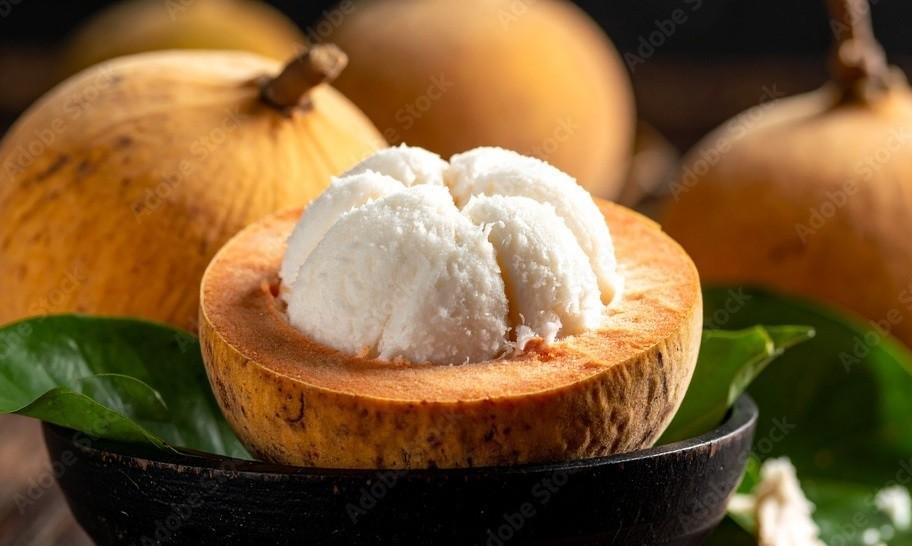
If you’ve ever walked through a tropical market and spotted a round, golden or reddish fruit with a thick rind and a soft, cottony interior, chances are you’ve come across Santol. Known for its sweet-sour flavor and refreshing aroma, Santol is a hidden gem of Southeast Asia. While it might not be as internationally famous as mangoes or pineapples, Santol quietly holds a long history of traditional use, healing properties, and delicious possibilities.
In this guide, we’ll walk you through everything you need to know about Santol. From its nutritional value and science-backed benefits to its side effects, uses, and best ways to eat it, this post covers it all. If you’ve been curious about this unique fruit, you’re about to discover why it deserves a place in your kitchen.
What Is Santol?
Santol, scientifically known as Sandoricum koetjape, is a tropical fruit native to the Philippines, Thailand, Laos, Vietnam, Malaysia, and other parts of Southeast Asia. It’s also called the wild mangosteen, cotton fruit, lolly fruit, sentul, or kechapi depending on the region.
Santol usually comes in two varieties:
- Yellow Santol – Mildly sweet with a hint of sourness
- Red Santol – More aromatic and sweeter, often preferred for eating raw
The fruit has a thick, leathery rind that must be peeled or cut open. Inside, you’ll find soft, cotton-like pulp that clings to large seeds. This flesh is what most people consume, though the rind is also used in cooking and traditional medicine.
The taste of Santol beautifully balances sweetness and acidity, making it refreshing and enjoyable both fresh and cooked. Many Southeast Asian dishes like curries, salads, candies, jams, and juices include cotton fruit for its unique flavor.
Nutrition Facts of Santol
Here is the approximate nutritional profile of 100 grams of fresh Santol:
| Nutrient | Amount (per 100g) |
|---|---|
| Calories | 88 kcal |
| Carbohydrates | 22 g |
| Fiber | 3.7 g |
| Protein | 0.6 g |
| Fat | 0.1 g |
| Vitamin C | 48 mg |
| Vitamin B1 (Thiamine) | 0.14 mg |
| Vitamin B2 (Riboflavin) | 0.04 mg |
| Calcium | 4 mg |
| Phosphorus | 17 mg |
| Iron | 0.42 mg |
| Potassium | 75 mg |
| Antioxidants | High (polyphenols, flavonoids) |
Cotton fruit is low in fat and rich in vitamin C, fiber, and antioxidants, which makes it a refreshingly healthy addition to your diet.
20 Proven Health Benefits of Santol
Santol is more than just a sweet-sour tropical delight. It also brings along an impressive list of health benefits. Here are 20 scientifically supported and traditionally recognized advantages:
1. Boosts Immunity
Santol is packed with vitamin C, which helps strengthen the immune system and protect the body from infections.
2. Supports Healthy Digestion
With its good fiber content, cotton fruit promotes regular bowel movements and prevents constipation.
3. Helps Reduce Inflammation
The fruit contains anti-inflammatory compounds that may help reduce swelling and inflammation in the body.
4. Rich in Antioxidants
Polyphenols and flavonoids in Santol help fight free radicals, slowing down cellular damage and aging.
5. Helps Maintain Healthy Skin
Vitamin C boosts collagen production, making skin appear firmer, brighter, and more youthful.
6. May Aid in Weight Management
Low in fat and moderate in fiber, cotton fruit helps you feel full longer and reduces unhealthy snacking.
7. Regulates Blood Sugar Levels
Some studies suggest Santol extracts may help lower blood glucose levels, although moderation is key.
8. Supports Heart Health
Antioxidants and fiber work together to promote cardiovascular wellness by maintaining healthy cholesterol levels.
9. Helps Reduce Cramping
The fruit contains minerals like potassium that help maintain muscle function and prevent cramps.
10. Promotes Healthy Bones
Though not extremely high in calcium, cotton fruit still contributes to stronger bones when combined with a balanced diet.
11. May Support Liver Health
Traditional medicine uses Santol for cleansing the liver and improving its function.
12. Helps Improve Mood
Fruits rich in vitamin C have been linked to improved mood and reduced fatigue.
13. Good for Hydration
Santol is juicy and refreshing, helping maintain hydration levels in hot climates.
14. Helps Improve Metabolism
B vitamins present in cotton fruit assist in energy production and metabolic processes.
15. Supports Wound Healing
Vitamin C speeds up tissue repair and boosts recovery.
16. Natural Detoxifier
The fruit aids in flushing out toxins from the digestive system.
17. Helps Fight Harmful Bacteria
Traditional herbal remedies often use Santol bark for its antimicrobial properties.
18. Improves Gut Health
The fiber content promotes a healthy gut microbiome.
19. May Reduce Allergy Symptoms
Some anti-inflammatory compounds may help reduce symptoms like itching and swelling.
20. Supports Eye Health
Santol contains certain antioxidants that contribute to maintaining healthy vision.
10 Side Effects of Santol
While cotton fruit is safe for most people, overeating or consuming it improperly can lead to certain issues.
1. Digestive Discomfort
Some people may experience bloating or gas due to its fiber content.
2. Stomach Pain if Seeds Are Swallowed
Santol seeds are hard and swallowing them can cause intestinal blockage. Always avoid swallowing seeds.
3. Allergic Reactions
Rare, but some may experience itching, swelling, or rashes.
4. Too Much Acidity
Overeating cotton fruit may cause acidity or heartburn in sensitive individuals.
5. Loose Motions
Eating excessive amounts may lead to diarrhea due to its high fiber and acidic nature.
6. Blood Pressure Fluctuations
Those with low blood pressure should consume in moderation as potassium may lower blood pressure further.
7. Tooth Sensitivity
Its sour taste may cause temporary tooth sensitivity.
8. Diabetes Concerns
Though not extremely high in sugar, diabetics should still monitor intake.
9. Interaction With Certain Medications
Those taking antihypertensives or anticoagulants should consult a doctor.
10. Risk of Infection (If Not Washed)
Like any fruit, not washing Santol properly can expose you to harmful bacteria.
How to Eat Santol?
There are many delicious ways to enjoy cotton fruit. Here are the most common methods:
1. Eat It Fresh
Cut the fruit in half, scoop out the flesh, and suck on the cottony pulp around the seeds.
2. Make Santol Candy
Boil the rind with sugar until it becomes sweet, chewy, and irresistible.
3. Add It to Curries
In Thailand and the Philippines, cotton fruit is used in spicy and sour curries.
4. Prepare Santol Juice
Blend the pulp with water and strain to make a refreshing drink.
5. Make Jams and Marmalades
Santol rind is perfect for making thick, tangy jam.
6. Add to Salads
Shredded cotton fruit rind adds a unique flavor to fruit salads and spicy regional salads.
Tips for Consuming Santol
Here are some practical tips to help you enjoy cotton fruit safely and deliciously:
- Always wash the fruit thoroughly before cutting.
- Do not swallow the seeds.
- If the rind tastes too sour, cook it instead of eating raw.
- Pair cotton fruit with salt or chili powder to enhance flavor.
- Start with small portions if you’re trying it for the first time.
- Avoid excessive consumption if you suffer from acidity.
- Store the fruit properly to maintain freshness.
Other Uses of Santol
Cotton fruit isn’t just a fruit. Here are other surprising uses:
1. Herbal Medicine
The bark, leaves, and rind are used in traditional remedies for diarrhea, fever, and inflammation.
2. Skin Care
Its vitamin C and antioxidants make Santol a popular ingredient in natural face packs.
3. Wood Uses
The cotton fruit tree provides durable wood used for furniture and carvings.
4. Flavoring
Dried cotton fruit rind is used in soups and broths for added tanginess.
5. Animal Feed
In some rural areas, the leftover rind is used as livestock feed.
How Much Santol Can You Eat in a Day?
For most people, one medium-sized Santol per day is safe and beneficial.
This amount provides enough fiber and vitamin C without overwhelming the stomach or causing acidity.
People with sensitive digestion, acidity issues, or dietary restrictions may need to limit their intake to half a fruit per day.
Best Time to Eat Santol
The best time to enjoy cotton fruit is:
- Morning or Afternoon – Its fiber and acidity may help digestion and keep you energized.
- Avoid Late Night – The sour taste might cause discomfort or acidity in some individuals.
Who Should Eat Santol?
Cotton fruit can be highly beneficial for:
- People who want to improve digestion
- Those needing more hydration
- Individuals looking for natural antioxidants
- People aiming for weight management
- Individuals with mild constipation issues
- Anyone who enjoys tropical fruits and refreshing flavors
Who Should Not Eat Santol?
Avoid or limit Santol if you:
- Have severe acidity or GERD
- Suffer from irritable bowel syndrome
- Have low blood pressure
- Have a known Santol allergy
- Are advised by a doctor to avoid high-fiber fruits
- Are recovering from major stomach or intestinal surgery
How to Store Santol?
Proper storage keeps Santol fresh longer:
Room Temperature
Store unripe Santol at room temperature until it softens slightly.
Refrigeration
Once ripe, keep cotton fruit in the refrigerator to maintain freshness for up to one week.
Freezing
You can freeze peeled Santol pulp for smoothies or cooking.
Avoid Moisture
Keep it dry to prevent mold or spoilage.
Precautions and Interactions
Before adding Santol to your daily diet, keep these precautions in mind:
- Don’t swallow seeds under any circumstances.
- Wash thoroughly to avoid bacterial contamination.
- If you have diabetes, check your sugar levels after consumption.
- People on blood pressure or blood-thinning medications should consult their doctor.
- Pregnant women should eat in moderation and ensure seeds are removed.
- If consuming cooked cotton fruit, watch sugar levels in Santol candies or jams.
Final Thoughts
Santol may not be the most famous fruit in the world, but it certainly stands out with its incredible flavor, versatility, and long list of health benefits. Whether you enjoy it fresh, cooked, juiced, or candied, this tropical treasure brings both taste and nourishment to the table.
By understanding its benefits, side effects, uses, and precautions, you can include cotton fruit in your diet in a safe and enjoyable way. If you love exploring new fruits and want something refreshing and unique, cotton fruit might just become your new favorite.
FAQ’s
What does Santol taste like?
Cotton fruit has a unique sweet-sour flavor. The pulp is soft and cottony, similar to a lychee but more tangy. The taste can vary from slightly sour to pleasantly sweet depending on the variety and ripeness.
Is Santol good for health?
Yes, cotton fruit is rich in vitamin C, fiber, antioxidants, and minerals. It supports digestion, boosts immunity, reduces inflammation, and promotes skin health.
Can you swallow Santol seeds?
No, you should never swallow cotton fruit seeds. They are large and hard, and swallowing them can lead to intestinal blockage or serious complications.
Is Santol good for digestion?
Yes, cotton fruit contains fiber that helps improve digestion, prevent constipation, and support a healthy gut.
Can diabetics eat Santol?
Diabetics can eat cotton fruit in moderation, as it contains natural sugars. It’s best to check blood sugar levels after consumption and consult a doctor if unsure.
Can pregnant women eat Santol?
Pregnant women can eat cotton fruit in moderate amounts. However, they must avoid swallowing seeds and should watch for any digestive discomfort due to the fruit’s acidity.
What is the best way to eat Santol?
The most common way is to cut the fruit in half and scoop out the pulp. You can eat it fresh, make cotton fruit curry, juice, candy, or jam.
Can children eat Santol?
Yes, children can eat cotton fruit, but always ensure the seeds are removed and serve only small, manageable pieces.
Is it safe to eat Santol every day?
Yes, you can eat Santol every day as long as you consume it in moderation. One medium-sized cotton fruit per day is generally safe for most people. However, if you are prone to acidity, have digestive sensitivities, or have low blood pressure, you may need to limit your intake. Always avoid swallowing the seeds, as they can cause serious intestinal issues.
Can Santol fruit be eaten raw?
Yes, cotton fruit can be eaten raw. The pulp is soft, juicy, and pleasantly sweet-sour, making it refreshing to eat fresh. Simply cut the fruit open, scoop out the flesh, and enjoy. Many people prefer to suck the cottony pulp around the seeds. Just remember not to swallow the seeds. If the rind is too sour, it can be cooked instead of eaten raw.
Where is Santol mostly found?
Cotton fruit is mostly found in Southeast Asia, especially in the Philippines, Thailand, Malaysia, Vietnam, Laos, and Indonesia. The tree grows naturally in warm, humid climates and is commonly seen in tropical farms and backyard gardens. It is also cultivated in some parts of India and Central America, but it remains most popular in Southeast Asia.
Also Read: