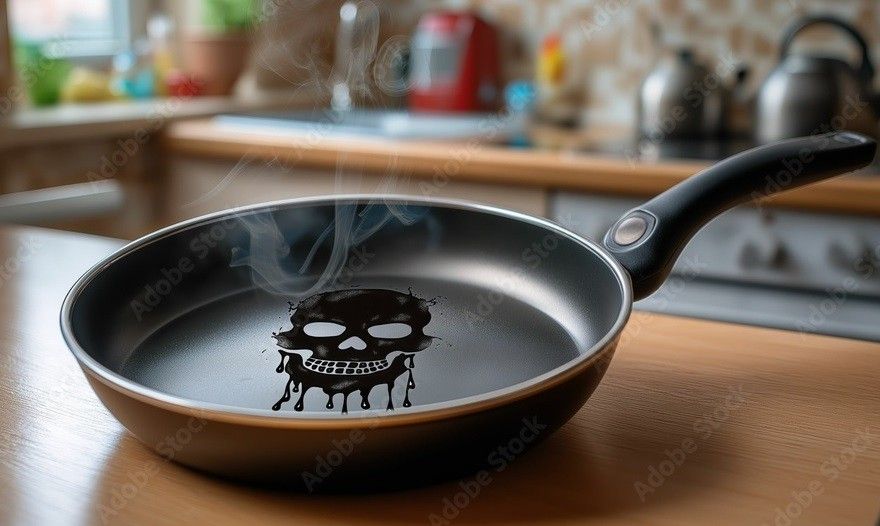
Non-stick cookware has become a staple in modern kitchens. From busy weekday breakfasts to elaborate weekend dinners, these pans promise easy cooking, less oil, and effortless cleanup. But over the years, concerns have surfaced around their safety. You may have heard whispers about toxic chemicals, fumes, or long-term health risks and wondered: Is non-stick cookware actually harmful to health, or is it just another food myth?
The answer is not as simple as yes or no. It depends on the type of non-stick cookware, how it is used, and how well it is maintained. In this guide, we will break down the science, the risks, the myths, and the safest ways to use non-stick cookware so you can make informed decisions for your kitchen and your health.
What Is Non-Stick Cookware Made Of?
Non-stick cookware typically refers to pots and pans coated with a material that prevents food from sticking to the surface. The most common coating used for decades has been polytetrafluoroethylene (PTFE), widely known by the brand name Teflon.
Common Components of Non-Stick Cookware
- Base metal:
- Aluminum (most common)
- Stainless steel
- Hard-anodized aluminum
- Non-stick coating:
- PTFE (Teflon)
- Ceramic-based coatings
- Hybrid or reinforced coatings
The controversy around non-stick cookware largely revolves around PTFE coatings and the chemicals used in their manufacturing, especially in the past.
Why Did Non-Stick Cookware Get a Bad Reputation?
Non-stick cookware didn’t gain a bad name overnight. The concern mainly started due to a chemical called PFOA (perfluorooctanoic acid), which was once used in the manufacturing of PTFE coatings.
What Was PFOA?
PFOA was used during the production process of non-stick coatings, not usually present in the finished pan itself. However, it raised alarm bells because:
- It does not break down easily in the environment
- It can accumulate in the human body
- Studies linked it to certain health risks
Because of these concerns, PFOA has been phased out globally, and most reputable brands today label their cookware as PFOA-free.
Is Modern Non-Stick Cookware Safe?
Short answer: Yes, when used correctly.
Most non-stick cookware sold today is PFOA-free and considered safe by regulatory authorities like the FDA. However, safety depends heavily on how the cookware is used.
The main risk does not come from cooking eggs or pancakes on a low flame. It comes from overheating and damaging the coating.
What Happens When Non-Stick Cookware Is Overheated?
PTFE coatings are stable at normal cooking temperatures. Problems arise when temperatures exceed 260°C (500°F).
At Very High Temperatures
- The coating can start to break down
- Toxic fumes may be released
- These fumes can cause polymer fume fever, a temporary flu-like condition in humans
- Birds are extremely sensitive and can die from these fumes
This is why leaving an empty non-stick pan on high heat is strongly discouraged.
Health Risks Associated With Improper Use
1. Inhalation of Fumes
When overheated, non-stick pans can release fumes that may cause symptoms such as:
- Headache
- Fever
- Chills
- Body aches
These symptoms usually disappear within 24–48 hours, but repeated exposure is not advisable.
2. Ingesting Flaking Coating
If the coating peels or chips, small particles may mix with food.
The good news is:
- PTFE is considered biologically inert
- It usually passes through the digestive system without being absorbed
However, ingesting flakes regularly is still not ideal, especially if the pan is old and heavily damaged.
3. Long-Term Chemical Exposure (Older Cookware)
Older non-stick pans manufactured before the PFOA ban may pose higher risks. Prolonged exposure to PFOA has been linked in studies to:
- Hormonal disruption
- Thyroid issues
- Liver problems
- Increased cholesterol levels
This is one reason experts recommend replacing very old non-stick cookware.
Ceramic Non-Stick Cookware: Is It Safer?
Ceramic non-stick cookware is often marketed as a healthier alternative.
Pros of Ceramic Coatings
- PTFE-free
- PFOA-free
- Can handle slightly higher temperatures
- Less risk of toxic fumes
Limitations
- Coating wears off faster
- Loses non-stick properties over time
- Still requires careful handling
Ceramic cookware is generally considered safe, but durability can be an issue, leading to more frequent replacement.
Does Non-Stick Cookware Cause Cancer?
This is one of the most common fears.
The Reality
- Modern non-stick cookware does not contain PFOA
- PTFE itself is not classified as a carcinogen
- Cancer concerns were linked to long-term industrial exposure, not everyday home cooking
When used according to manufacturer guidelines, there is no strong evidence that non-stick cookware causes cancer.
Is Non-Stick Cookware Safe for Daily Cooking?
Yes, non-stick cookware can be used daily if certain precautions are followed:
- Cook on low to medium heat
- Avoid preheating empty pans
- Use wooden, silicone, or nylon utensils
- Replace pans when coating shows damage
- Ensure proper kitchen ventilation
When used responsibly, non-stick cookware remains one of the safest and most convenient options for everyday cooking.
Who Should Be More Cautious?
Certain groups may want to be extra careful:
Pregnant Women
While modern cookware is safe, minimizing exposure to fumes is wise during pregnancy.
People With Respiratory Conditions
Strong fumes from overheated cookware can irritate lungs.
Bird Owners
Birds are extremely sensitive to PTFE fumes. Non-stick cookware should be avoided or used with extreme caution in homes with pet birds.
Signs Your Non-Stick Pan Is No Longer Safe
It’s time to replace your pan if you notice:
- Peeling or flaking coating
- Deep scratches
- Discoloration
- Food sticking more than usual
- Warped base
Using damaged cookware increases the chances of ingesting coating particles and reduces cooking safety.
Safe Cooking Practices for Non-Stick Cookware
1. Control the Heat
Stick to low or medium heat. Non-stick pans heat quickly and do not need high temperatures.
2. Never Heat an Empty Pan
Always add oil, butter, or food before turning on the stove.
3. Use the Right Utensils
Avoid metal spatulas or spoons that can scratch the surface.
4. Wash Gently
Hand wash with a soft sponge. Avoid steel wool and harsh scrubbers.
5. Store Carefully
Do not stack pans directly on top of each other without protection.
Alternatives to Non-Stick Cookware
If you still feel uncomfortable using non-stick cookware, there are several alternatives.
Stainless Steel
- Durable
- No chemical coating
- Requires more oil and skill
Cast Iron
- Naturally non-stick when seasoned
- Adds iron to food
- Heavy and requires maintenance
Carbon Steel
- Similar to cast iron
- Lighter
- Needs seasoning
Each option has pros and cons, and the best choice depends on your cooking style and comfort level.
Environmental Impact of Non-Stick Cookware
Beyond personal health, environmental concerns have also driven debate.
- PFOA contamination affected water sources in the past
- Manufacturing processes have since improved
- Proper disposal and recycling remain important
Choosing reputable brands and avoiding frequent replacements can reduce environmental harm.
Myths About Non-Stick Cookware
Myth 1: All Non-Stick Cookware Is Toxic
False. Modern non-stick cookware is regulated and safe when used properly.
Myth 2: Non-Stick Coatings Melt Into Food
False. Coatings degrade only at extremely high temperatures.
Myth 3: One Scratch Makes the Pan Dangerous
Minor scratches are not immediately harmful, but deep peeling is a sign to replace the pan.
How to Choose Safe Non-Stick Cookware
When buying new cookware, look for:
- PFOA-free label
- PTFE certification
- Heavy-gauge base
- Trusted brands
- Clear usage instructions
Avoid very cheap, unbranded cookware, as quality control may be poor.
Final Verdict: Is Non-Stick Cookware Harmful to Health?
Non-stick cookware is not inherently harmful. The real risk comes from misuse, overheating, and using damaged or outdated pans.
For most households, non-stick cookware offers:
- Healthier cooking with less oil
- Convenience and efficiency
- Safe everyday use when guidelines are followed
If you treat your cookware with care and replace it when needed, non-stick pans can remain a safe and valuable part of your kitchen.
FAQ’s
Should I throw away old non-stick pans?
If the pan is more than 8–10 years old or shows peeling, replacing it is recommended.
Is it safe to use non-stick cookware daily?
Yes, non-stick cookware can be used daily as long as you avoid overheating, do not preheat empty pans, and replace cookware when the coating starts to peel.
Does non-stick cookware release toxic chemicals?
Non-stick cookware may release harmful fumes only when overheated beyond recommended temperatures. Under normal cooking conditions, it does not release toxic chemicals.
Can scratched non-stick pans be dangerous?
Minor scratches are usually not harmful, but heavily scratched or peeling non-stick pans should be replaced to avoid ingesting coating particles.
Is ceramic cookware safer than non-stick cookware?
Ceramic cookware is free from PTFE and PFOA and is considered safe, but it may lose its non-stick quality faster than traditional non-stick cookware.
Can non-stick cookware cause cancer?
There is no strong scientific evidence linking modern non-stick cookware to cancer when used according to safety guidelines.
At what temperature does non-stick cookware become unsafe?
Non-stick cookware can become unsafe when heated above approximately 260°C (500°F), as the coating may begin to break down.
Should old non-stick cookware be replaced?
Yes, old non-stick cookware with peeling, flaking, or deep scratches should be replaced, especially if it was manufactured before PFOA was phased out.
What is the safest way to use non-stick cookware?
Use low to medium heat, cook with adequate ventilation, use non-metal utensils, wash gently, and store carefully to extend the life and safety of non-stick cookware.
Conclusion
Non-stick cookware has evolved significantly over the years. While early concerns were valid, today’s products are far safer due to stricter regulations and improved manufacturing. The key lies not in fear, but in informed use. Understanding how your cookware works, respecting temperature limits, and knowing when to replace it can help you enjoy the benefits of non-stick cooking without compromising your health.
Also Read: