Pregnancy and childbirth come with countless decisions, and some of the most emotionally charged ones revolve around medical interventions during delivery. One such decision is whether spinal anesthesia is safe for the baby. If you are expecting, planning a C-section, or simply trying to understand your options, this question may already be keeping you up at night.
It’s completely natural to worry. After all, every parent wants to ensure that nothing harms their baby, especially during birth. Hearing words like anesthesia, spine, or injection can sound frightening, particularly when you imagine how close the procedure is to your baby.
The good news is that spinal anesthesia has been used safely for decades and is one of the most commonly recommended forms of anesthesia for cesarean deliveries. Still, understanding how it works, how it affects the baby, and what the real risks and benefits are can help you feel more confident and prepared.
What Is Spinal Anesthesia?
Spinal anesthesia is a type of regional anesthesia that numbs the lower half of the body. It is commonly used during cesarean sections and some gynecological procedures.
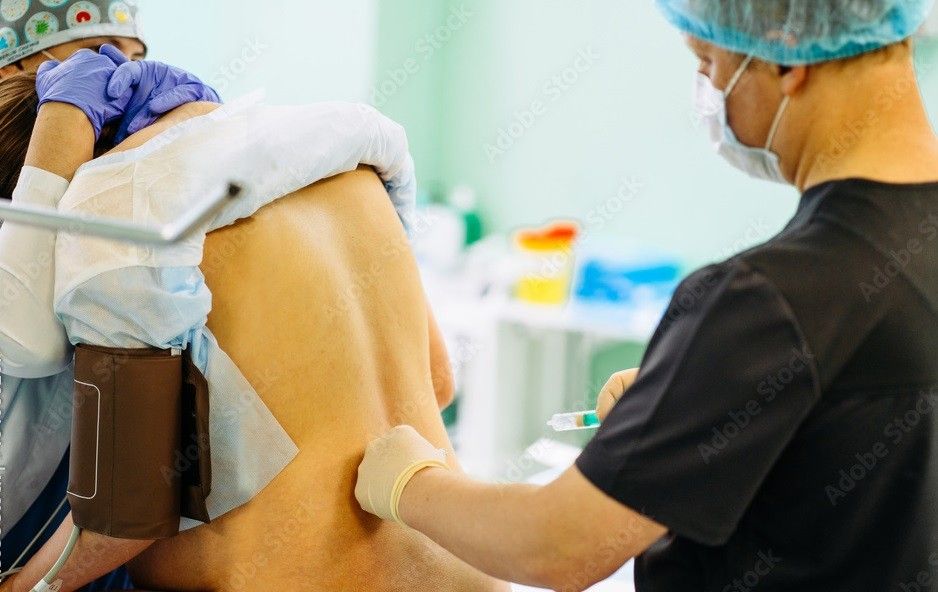
In simple terms, a doctor injects a small amount of anesthetic medication into the fluid surrounding the spinal cord in the lower back. This blocks pain signals from the lower part of the body, allowing surgery to be performed without pain while the mother remains awake.
Unlike general anesthesia, spinal anesthesia does not put the mother to sleep. You stay conscious, can hear your baby’s first cry, and often get to hold your newborn shortly after birth.
Why Is Spinal Anesthesia Used During Childbirth?
Spinal anesthesia is widely preferred for cesarean deliveries because it offers several advantages for both mother and baby.
Doctors commonly recommend spinal anesthesia because it:
- Provides fast and effective pain relief
- Allows the mother to stay awake during birth
- Reduces exposure of anesthetic drugs to the baby
- Lowers the risk of breathing problems in newborns
- Enables quicker bonding and breastfeeding after delivery
For planned C-sections, spinal anesthesia is often considered the gold standard.
How Does Spinal Anesthesia Work in the Body?
Understanding how spinal anesthesia works can ease many fears.
The injection is given in the lower back, well below where the spinal cord ends. The medication spreads in the spinal fluid and temporarily blocks nerve signals responsible for pain, movement, and sensation in the lower body.
The effects begin within minutes. You may feel warmth, tingling, or heaviness in your legs, followed by numbness. While you won’t feel pain, you may still sense pressure or movement during the surgery.
Importantly, the medication primarily stays in the spinal area and bloodstream of the mother. Only very small amounts, if any, reach the baby.
Is Spinal Anesthesia Safe for the Baby During C-Section?
This is the most important question, and the short answer is yes, spinal anesthesia is considered very safe for the baby.
Spinal anesthesia has been extensively studied and used worldwide for many decades. It is associated with excellent neonatal outcomes and is often safer for babies than general anesthesia.
Here’s why:
- The drugs used in spinal anesthesia do not significantly cross the placenta
- Babies are born alert and responsive
- The risk of breathing difficulties is lower
- Apgar scores are generally normal or high
- There is no evidence of long-term developmental harm
Because the baby is exposed to much less medication than with general anesthesia, spinal anesthesia is usually the preferred choice when possible.
Does Spinal Anesthesia Cross the Placenta?
One of the biggest concerns parents have is whether anesthesia drugs reach the baby.
With spinal anesthesia, the amount of medication that enters the mother’s bloodstream is very small. As a result, only trace amounts, if any, cross the placenta to the baby.
This is very different from general anesthesia, where medications circulate throughout the entire body and can affect the baby more significantly.
Because of this limited drug transfer, spinal anesthesia is considered safer for fetal well-being.
Effects of Spinal Anesthesia on the Baby at Birth
Babies born under spinal anesthesia typically show:
- Normal heart rate
- Strong muscle tone
- Good breathing effort
- Healthy skin color
- Normal reflexes
Most babies cry immediately after birth and require no special medical support related to anesthesia.
Doctors assess newborns using Apgar scores at one and five minutes after birth. Babies delivered under spinal anesthesia usually score well, indicating good overall health.
Can Spinal Anesthesia Cause Breathing Problems in Babies?
Breathing problems in newborns are a common fear, but spinal anesthesia is actually associated with a lower risk of respiratory issues compared to general anesthesia.
Because the baby is not exposed to sedative medications in significant amounts, their breathing is usually strong and regular at birth.
In contrast, general anesthesia can sometimes make babies drowsy or slow to breathe initially, especially if delivery is delayed after anesthesia is administered.
Does Spinal Anesthesia Affect the Baby’s Brain or Development?
There is no scientific evidence that spinal anesthesia causes brain damage, learning difficulties, or developmental delays in babies.
Long-term studies following children born under spinal anesthesia have found:
- Normal cognitive development
- Normal motor skills
- Normal behavior and learning abilities
Spinal anesthesia has been used in millions of births worldwide, and no link has been found between spinal anesthesia and developmental problems.
Can Spinal Anesthesia Affect Breastfeeding?
Many mothers worry about whether anesthesia will interfere with breastfeeding.
Spinal anesthesia generally allows:
- Faster recovery
- Earlier skin-to-skin contact
- Earlier initiation of breastfeeding
Because the mother is awake and alert, she can often begin breastfeeding within the first hour after birth, which is ideal for both baby and mother.
The medications used in spinal anesthesia do not significantly affect breast milk or the baby’s ability to latch and feed.
What Are the Benefits of Spinal Anesthesia for the Baby?
Spinal anesthesia offers several baby-friendly benefits:
- Minimal drug exposure
- Stable oxygen levels
- Reduced stress during birth
- Lower risk of newborn sedation
- Immediate bonding opportunities
From a neonatal safety perspective, spinal anesthesia is often the best option for cesarean delivery.
Are There Any Risks of Spinal Anesthesia for the Baby?
While spinal anesthesia is very safe, no medical procedure is completely risk-free. That said, risks to the baby from spinal anesthesia are rare and usually indirect.
Possible indirect risks include:
Drop in Mother’s Blood Pressure
Spinal anesthesia can sometimes cause a sudden drop in the mother’s blood pressure. If not treated promptly, this could temporarily reduce blood flow to the placenta.
However, doctors monitor blood pressure closely and treat drops quickly with fluids or medication, making serious effects on the baby extremely uncommon.
Delayed Delivery
In rare cases, technical difficulties or unexpected reactions may slightly delay delivery, but this is not specific to spinal anesthesia and is carefully managed by medical teams.
Overall, the likelihood of serious harm to the baby from spinal anesthesia is extremely low.
Is Spinal Anesthesia Safer Than General Anesthesia for the Baby?
In most cases, yes.
Spinal anesthesia is generally considered safer for babies than general anesthesia because:
- Less medication reaches the baby
- Baby is more alert at birth
- Lower risk of breathing problems
- Better early bonding and feeding
General anesthesia is usually reserved for emergencies or situations where spinal anesthesia is not possible.
Can Spinal Anesthesia Cause Low Apgar Scores?
Low Apgar scores are not commonly linked to spinal anesthesia.
When low scores occur, they are usually related to:
- Prematurity
- Placental problems
- Umbilical cord issues
- Pre-existing maternal or fetal conditions
Spinal anesthesia itself is rarely the cause.
What About Emergency C-Sections?
In emergency situations, doctors may choose spinal anesthesia if time allows. If delivery must happen immediately, general anesthesia may be used instead.
Even in emergency C-sections, spinal anesthesia is safe for the baby when administered correctly and promptly.
Does the Mother’s Position Matter?
Yes, positioning during spinal anesthesia matters, but doctors are trained to ensure optimal blood flow to the baby.
After the injection, mothers are usually positioned slightly tilted to one side to prevent pressure on major blood vessels. This helps maintain good circulation to the placenta and keeps the baby well-oxygenated.
Who Should Not Receive Spinal Anesthesia?
While spinal anesthesia is safe for most women and babies, it may not be suitable in certain cases, such as:
- Severe bleeding disorders
- Infection at the injection site
- Certain neurological conditions
- Severe spinal abnormalities
- Allergy to anesthetic drugs
In such cases, doctors will recommend the safest alternative for both mother and baby.
Common Myths About Spinal Anesthesia and Babies
Myth 1: Spinal anesthesia makes babies weak or sleepy
Truth: Babies are usually alert and active at birth.
Myth 2: It causes long-term problems
Truth: There is no evidence of long-term harm.
Myth 3: The needle can injure the baby
Truth: The injection is far from the uterus and cannot physically reach the baby.
Myth 4: It affects baby’s intelligence
Truth: Intelligence and development are not affected.
Emotional Reassurance for Expecting Parents
It’s okay to feel anxious. Childbirth is a life-changing experience, and wanting the best for your baby is a sign of love, not fear.
Spinal anesthesia is chosen precisely because it balances comfort for the mother with safety for the baby. Medical teams prioritize fetal well-being at every step, continuously monitoring heart rate, oxygen levels, and overall condition.
Millions of healthy babies are born each year under spinal anesthesia, and for most families, it becomes part of a positive and empowering birth experience.
Questions to Ask Your Doctor About Spinal Anesthesia
If you’re still unsure, consider asking your healthcare provider:
- Is spinal anesthesia recommended in my case?
- How will my baby be monitored during the procedure?
- What steps are taken if my blood pressure drops?
- Are there alternatives if spinal anesthesia isn’t suitable?
Open communication can make a big difference in reducing fear and building trust.
Spinal vs Epidural vs General Anesthesia
| Feature | Spinal Anesthesia | Epidural Anesthesia | General Anesthesia |
|---|---|---|---|
| Mother Awake | Yes | Yes | No |
| Common Use | Planned C-section | Labor pain relief, sometimes C-section | Emergency C-section |
| Onset of Action | Very fast (5–10 minutes) | Slower, gradual | Immediate |
| Drug Exposure to Baby | Very minimal | Minimal | Higher |
| Baby Alertness at Birth | Usually very alert | Alert | May be sleepy |
| Breathing Risk for Baby | Very low | Very low | Slightly higher |
| Pain Control | Complete numbness | Adjustable pain relief | Complete unconsciousness |
| Ability to Bond Immediately | Yes | Yes | Often delayed |
| Breastfeeding Start | Early | Early | May be delayed |
| Risk of Low Blood Pressure | Moderate | Mild to moderate | Low |
| Long-Term Baby Effects | None known | None known | None proven but higher drug exposure |
| Preferred Option for Baby Safety | Yes | Yes | Only if necessary |
Final Thoughts
Is Spinal Anesthesia Safe in Pregnancy and Childbirth? Yes, spinal anesthesia is widely regarded as safe, effective, and baby-friendly.
It offers excellent pain control for the mother while minimizing drug exposure for the baby. When administered by trained professionals, it supports healthy birth outcomes, early bonding, and a smoother start to life.
If you are facing a cesarean delivery and wondering whether spinal anesthesia is the right choice, know that it is backed by decades of research, global medical practice, and the experiences of millions of parents.
Trust your medical team, listen to your instincts, and remember that your concern itself is a reflection of how deeply you care for your baby.
FAQ’s
Can spinal anesthesia cause long-term problems in babies?
No long-term problems have been linked to spinal anesthesia. It has been safely used for decades worldwide.
Can spinal anesthesia slow the baby’s heart rate?
Spinal anesthesia does not directly slow the baby’s heart rate. Any temporary changes usually relate to a drop in the mother’s blood pressure, which doctors monitor and treat immediately.
Does spinal anesthesia cause fetal distress?
Spinal anesthesia itself does not cause fetal distress. When fetal distress occurs, it is typically due to pre-existing pregnancy complications rather than the anesthesia.
Can spinal anesthesia reduce oxygen supply to the baby?
Spinal anesthesia does not reduce oxygen to the baby when properly managed. Medical teams closely monitor maternal blood pressure to ensure steady placental blood flow.
Is spinal anesthesia safe for premature babies?
Yes, spinal anesthesia is considered safe even in preterm deliveries and is often preferred because it avoids heavy sedation that could affect fragile newborns.
Does spinal anesthesia increase the risk of NICU admission?
Spinal anesthesia alone does not increase NICU admission risk. NICU care is usually related to prematurity, infection, or other medical conditions.
Can spinal anesthesia affect the baby’s reflexes?
Babies born under spinal anesthesia typically show normal reflexes, muscle tone, and responsiveness at birth.
Is spinal anesthesia safe for twins or multiple pregnancies?
Yes, spinal anesthesia is commonly used and considered safe in twin or multiple pregnancies when a C-section is required.
Does spinal anesthesia delay the baby’s first cry?
No, most babies cry immediately after birth when spinal anesthesia is used, indicating good lung function and alertness.
Can spinal anesthesia affect the baby’s immune system?
There is no evidence that spinal anesthesia affects a baby’s immune system or increases the risk of infections.
Is spinal anesthesia safe if the baby is breech?
Yes, spinal anesthesia is frequently used in planned C-sections for breech babies and does not pose additional risk to the baby.
Does spinal anesthesia cause low birth weight?
Spinal anesthesia does not affect the baby’s birth weight. Birth weight depends on pregnancy duration, nutrition, and placental health.
Can spinal anesthesia affect the baby’s blood sugar levels?
Spinal anesthesia does not directly affect newborn blood sugar levels. Blood sugar issues are more often linked to maternal diabetes or prematurity.
Is spinal anesthesia safe for babies with congenital conditions?
In many cases, spinal anesthesia is safe even when babies have known congenital conditions, though the care plan is customized by the medical team.
Can spinal anesthesia affect delayed cord clamping?
No, spinal anesthesia does not prevent delayed cord clamping. In most planned C-sections, delayed cord clamping is still possible.
Does spinal anesthesia affect skin-to-skin contact after birth?
Spinal anesthesia usually allows immediate or early skin-to-skin contact, which benefits both mother and baby.
Can spinal anesthesia increase the risk of birth trauma?
Spinal anesthesia does not increase the risk of birth trauma. Surgical technique and fetal position play a much larger role.
Is spinal anesthesia safe for babies in high-risk pregnancies?
Spinal anesthesia is often preferred in high-risk pregnancies because it provides stable conditions and allows close monitoring.
Can spinal anesthesia affect the baby’s sleep patterns?
There is no evidence that spinal anesthesia affects a newborn’s sleep cycles or behavior after birth.
Does spinal anesthesia impact the baby’s gut health?
Spinal anesthesia has no known effect on a baby’s digestion or gut development.
Is spinal anesthesia safe for repeat C-sections?
Yes, spinal anesthesia is commonly and safely used in repeat cesarean deliveries without added risk to the baby.
Also Read: