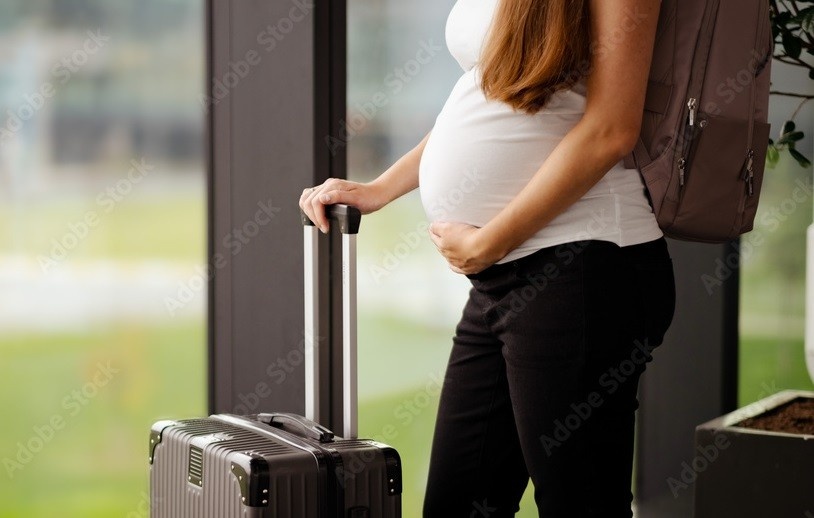
Pregnancy is a beautiful journey, but it also comes with a lot of questions and considerations, especially when it comes to traveling. For many expecting mothers, the desire to travel—whether for work, leisure, or visiting family—is strong, but so is the concern for safety. Is it really safe to travel during pregnancy? The answer is nuanced and depends on several factors, including the stage of pregnancy, the mode of transportation, the destination, and any preexisting medical conditions. This guide will help you navigate the question, providing evidence-based advice, tips, and precautions to ensure a safe and comfortable journey.
Understanding Pregnancy and Travel
Pregnancy affects your body in profound ways, and it’s important to understand these changes before embarking on a journey. During pregnancy, your body undergoes hormonal, cardiovascular, and musculoskeletal changes that can impact how you tolerate long trips. For instance:
- Blood circulation changes: Blood volume increases, which can sometimes lead to swelling in your feet and legs during long periods of sitting.
- Immune system modulation: Pregnancy slightly suppresses the immune system, making you more susceptible to infections.
- Hormonal effects: Increased progesterone can lead to fatigue and nausea, which may make travel uncomfortable.
- Physical discomfort: As the pregnancy progresses, back pain, leg cramps, and urinary frequency may increase, making long trips more challenging.
Understanding these changes helps you plan your travel and take the necessary precautions to minimize discomfort and risk.
Can You Travel While Pregnant?
Travel during pregnancy is generally safe, especially in the second trimester when energy levels improve and morning sickness eases. Air travel, road trips, and cruises are possible with precautions like staying hydrated, moving regularly, and choosing destinations with medical care. The first trimester can be uncomfortable, and the third trimester carries higher risks, including preterm labor and airline restrictions. Always consult your healthcare provider and plan carefully to ensure a safe and comfortable trip.
When Is It Generally Safe to Travel During Pregnancy?
While every pregnancy is different, there are general guidelines about when travel is considered safer:
First Trimester (Weeks 1–12)
- Considerations: This is when morning sickness, fatigue, and the risk of miscarriage are at their peak.
- Travel advice: Short trips are usually safe for healthy pregnancies, but strenuous travel or destinations without medical facilities should be avoided.
Second Trimester (Weeks 13–28)
- Considerations: This is often referred to as the “honeymoon period” of pregnancy. Nausea usually subsides, energy levels improve, and the risk of miscarriage decreases.
- Travel advice: Most women find this trimester the easiest for travel. It’s considered the safest time for both domestic and international travel.
Third Trimester (Weeks 29–40)
- Considerations: The risk of preterm labor increases, mobility becomes limited, and discomfort rises.
- Travel advice: Travel is possible, but many healthcare providers recommend avoiding long flights or remote destinations. Airlines may have restrictions for passengers in late pregnancy, typically after 36 weeks.
Types of Travel and Safety Considerations
The mode of travel can significantly affect comfort and safety during pregnancy.
Air Travel
Air travel is generally safe for healthy pregnant women, especially during the second trimester. Key considerations include:
- Airline policies: Some airlines require a doctor’s note after 28 weeks of pregnancy. Always check policies before booking.
- Deep vein thrombosis (DVT) risk: Long flights increase the risk of blood clots. To minimize risk:
- Move around every 1–2 hours
- Wear compression stockings
- Stay hydrated
- Seat selection: An aisle seat is preferable for easier access to restrooms and the ability to move around.
Road Travel
Car travel is usually safe, but precautions are necessary:
- Seat belts: Always wear a seat belt with the lap belt under the belly and the shoulder belt across the chest.
- Frequent breaks: Stop every 2–3 hours to stretch, use the restroom, and walk a little.
- Comfort: Bring a cushion or lumbar support to ease back pain.
Train and Bus Travel
Trains and buses can be convenient and comfortable for shorter distances. Tips include:
- Choose a seat with space: A window seat allows you to stretch your legs occasionally.
- Hydration and snacks: Keep water and healthy snacks handy, as pregnant women are prone to low blood sugar and dehydration.
Cruise Travel
Cruises can be enjoyable for pregnant women, but there are unique considerations:
- Medical facilities: Ensure the ship has adequate medical care.
- Motion sickness: Seasickness can be more pronounced during pregnancy.
- Travel restrictions: Most cruise lines limit pregnant passengers beyond 24–28 weeks.
Travel to Remote or High-Risk Destinations
Traveling to areas with limited medical facilities, high altitudes, or infectious diseases requires extra caution.
- High altitudes: Areas above 8,000 feet can pose a risk of reduced oxygen to both mother and baby. Symptoms like dizziness, shortness of breath, and headaches may be exacerbated.
- Infectious diseases: Pregnant women are more susceptible to certain infections. Before traveling internationally, consult a doctor about necessary vaccines and preventive measures.
- Limited medical facilities: Avoid destinations where immediate obstetric care may not be accessible in case of complications.
Preparing for Travel During Pregnancy
Preparation is key to making your journey safe and comfortable. Here are essential tips:
1. Consult Your Healthcare Provider
Before booking any trip, consult your obstetrician or midwife. Discuss:
- Your medical history
- Pregnancy complications (if any)
- Recommended travel period
- Vaccinations or medications required
2. Pack Smart
Your travel bag should include:
- Prenatal vitamins and any prescribed medications
- Comfortable clothing and supportive footwear
- Snacks and water for hydration
- Medical records and emergency contact numbers
3. Plan Your Itinerary
- Avoid overly strenuous activities
- Schedule frequent rest stops
- Ensure access to medical facilities along the route
4. Stay Healthy on the Go
- Drink plenty of water to avoid dehydration
- Eat balanced meals to maintain energy
- Move regularly to improve circulation
- Practice good hygiene to prevent infections
Common Concerns About Traveling During Pregnancy
Motion Sickness
Pregnant women may experience increased nausea while traveling by car, plane, or boat. Remedies include:
- Eating small, frequent meals
- Sitting in a stable position near the front of the vehicle
- Using acupressure bands or consulting a doctor for safe medications
Fatigue and Rest
Pregnancy can be exhausting, especially during long journeys. To combat fatigue:
- Plan rest periods and avoid overpacking the itinerary
- Sleep on the plane, train, or car whenever possible
- Avoid carrying heavy luggage
Swelling and Blood Clots
Swelling in the feet and ankles is common during pregnancy, especially on long trips. Prevention tips:
- Wear loose clothing and supportive shoes
- Move regularly during travel
- Elevate legs when resting
- Consider compression stockings if recommended
When to Avoid Travel During Pregnancy
Certain conditions make travel risky. Avoid traveling if you have:
- A history of preterm labor
- Placenta previa or other placental problems
- Severe anemia or uncontrolled high blood pressure
- Multiple pregnancies (twins or more) with complications
- Any pregnancy-related complications requiring frequent medical supervision
In such cases, your doctor will advise against travel and may recommend postponing trips until after delivery.
Travel Insurance and Pregnancy
Pregnancy-related emergencies can be expensive, especially if traveling abroad. A comprehensive travel insurance plan should cover:
- Medical emergencies
- Pregnancy-related complications
- Evacuation if necessary
Always read the policy carefully and inform the insurance provider of your pregnancy.
Mental Health and Travel
Pregnancy can bring emotional changes, and travel may sometimes increase stress. To maintain mental well-being:
- Plan trips that are relaxing and enjoyable rather than stressful
- Avoid last-minute arrangements and chaotic schedules
- Include a support person or travel companion if possible
- Practice mindfulness and relaxation techniques during the journey
Post-Travel Considerations
After returning from a trip, especially a long journey:
- Rest and allow your body to recover
- Monitor for any unusual symptoms such as cramping, bleeding, or swelling
- Schedule a follow-up appointment with your healthcare provider if necessary
Final Thought
Travel during pregnancy is possible and can be enjoyable, but it requires careful planning and consideration. Most healthy women can safely travel during the second trimester, while travel in the first and third trimesters requires extra caution. Always consult your healthcare provider, choose comfortable modes of transportation, and plan your itinerary to ensure adequate rest and medical access.
FAQ’s
Is it safe to fly during pregnancy?
Yes, flying is generally safe for healthy pregnancies, particularly during the second trimester. Airlines may require a doctor’s note after 28 weeks, and precautions like moving around and staying hydrated are essential.
Can I travel internationally while pregnant?
International travel is possible but requires careful planning. Consult your doctor, consider vaccinations, and avoid destinations with limited medical facilities or high-risk diseases.
What is the safest trimester to travel?
The second trimester (weeks 13–28) is generally considered the safest and most comfortable time for travel. Morning sickness usually subsides, and mobility is less restricted.
How can I prevent swelling and blood clots during travel?
Move around frequently, wear compression stockings if recommended, stay hydrated, and avoid sitting for long periods without breaks.
Are road trips safe during pregnancy?
Yes, road trips are safe with proper precautions. Take frequent breaks to stretch, wear your seat belt correctly, stay hydrated, and avoid driving long distances without rest.
What precautions should I take during travel?
- Stay hydrated and eat balanced meals
- Move around frequently to prevent blood clots
- Wear comfortable clothing and supportive shoes
- Carry your prenatal medical records
- Schedule rest breaks and avoid strenuous activities
When should I avoid traveling during pregnancy?
Avoid travel if you have high-risk conditions such as preterm labor, placenta previa, multiple pregnancies with complications, or other medical issues that require frequent monitoring.
Is travel insurance necessary during pregnancy?
Yes, it is highly recommended. Ensure your policy covers pregnancy-related emergencies, medical care abroad, and possible evacuation if necessary.
Can travel affect my pregnancy?
Travel itself is generally safe, but long trips without proper precautions can increase fatigue, swelling, risk of blood clots, or exposure to infections. Planning and preventive measures help reduce these risks.
How can I manage discomfort during travel?
- Take breaks to stretch and walk
- Use cushions for back support
- Wear compression stockings if recommended
- Eat light snacks and stay hydrated
- Practice relaxation techniques to reduce stress
Also Read: