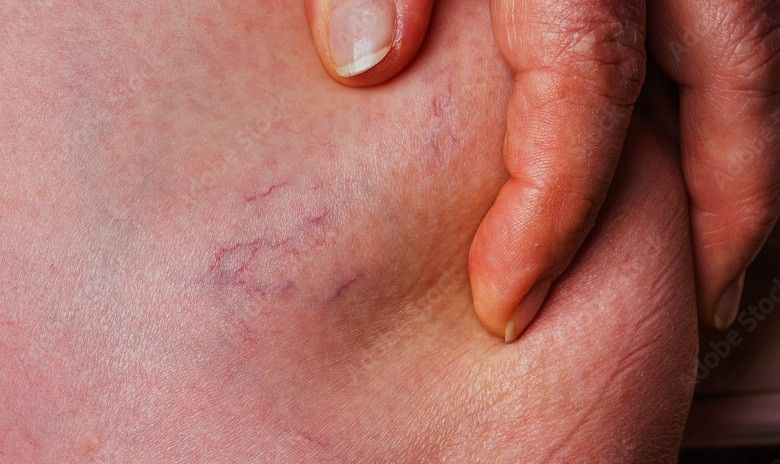
Spider angioma is a common but often misunderstood skin condition that appears as a small, spider-like cluster of blood vessels visible just beneath the skin’s surface. While it is usually harmless and painless, its presence can sometimes indicate underlying hormonal changes or systemic health issues, particularly those related to the liver. For many people, spider angiomas are simply a cosmetic concern, but in certain cases, they can serve as an important clinical clue. This guide provides a comprehensive understanding of spider angioma, including what it is, why it occurs, who is at risk, how it is diagnosed, treatment options, and when it may signal a more serious health condition.
What Is Spider Angioma?
Spider angioma, also known as spider nevus or spider telangiectasia, is a type of vascular lesion made up of dilated blood vessels. It typically consists of a central red spot (the body) with thin, reddish extensions radiating outward like spider legs.
When gentle pressure is applied to the central spot, the lesion temporarily blanches (turns pale) and then refills with blood once the pressure is released. This blanching effect is a key feature that distinguishes spider angioma from other vascular skin marks. Spider angiomas can occur anywhere on the body, but they are most commonly found on areas exposed to sunlight, such as the face, neck, upper chest, arms, and hands.
How Common Is Spider Angioma?
Spider angiomas are quite common and can affect people of all ages. They are frequently seen in:
- Children and adolescents
- Pregnant women
- Healthy adults
- Individuals with liver disease
In healthy individuals, having one or two spider angiomas is usually normal and not a cause for concern. However, the presence of multiple lesions, especially if they appear suddenly, may require further medical evaluation.
What Causes Spider Angioma?
Spider angiomas develop due to the dilation of small blood vessels (capillaries) near the surface of the skin. Several factors can contribute to this dilation.
1. Hormonal Changes
One of the most common causes of spider nevus is an increase in estrogen levels. Estrogen affects blood vessel walls, causing them to relax and dilate.
Situations associated with elevated estrogen include:
- Pregnancy
- Puberty
- Use of oral contraceptives
- Hormone replacement therapy
This explains why spider angiomas are more frequently seen in women, especially during pregnancy.
2. Liver Disease
The liver plays a critical role in metabolizing hormones, including estrogen. When the liver is damaged or not functioning properly, estrogen levels can rise in the bloodstream, increasing the likelihood of spider angiomas.
Liver-related conditions linked to spider nevus include:
- Cirrhosis
- Chronic hepatitis
- Alcoholic liver disease
- Non-alcoholic fatty liver disease
In patients with liver disease, spider nevus often appear in large numbers and may be accompanied by other signs such as jaundice, fatigue, or abdominal swelling.
3. Genetic and Congenital Factors
Some people are genetically predisposed to developing spider nevus. In children, these lesions may be present from birth or appear during early childhood. In such cases, they are usually benign and may fade over time without treatment.
4. Sun Exposure
Chronic sun exposure can weaken blood vessel walls and contribute to the formation of spider angiomas, particularly on the face and upper body. This is one reason they are more common in fair-skinned individuals.
5. Alcohol Consumption
Excessive alcohol intake can damage the liver over time and indirectly lead to the development of spider nevus. Even in the absence of diagnosed liver disease, heavy drinking can increase the risk.
Who Is Most at Risk?
Spider angiomas can occur in anyone, but certain groups are more susceptible. High-Risk Groups Include:
- Pregnant women
- People with chronic liver disease
- Individuals who consume alcohol heavily
- Those taking estrogen-containing medications
- People with fair skin and high sun exposure
Men with multiple spider nevus are more likely to have an underlying liver condition than women with the same number of lesions.
Common Locations of Spider Angioma
Spider angiomas tend to appear in specific areas of the body:
- Face (cheeks, nose, forehead)
- Neck
- Upper chest
- Shoulders
- Arms and hands
In individuals with liver disease, spider nevus are typically found above the waist.
Signs and Symptoms of Spider Angioma
Spider angiomas are usually asymptomatic, meaning they do not cause pain or discomfort. However, their appearance can be distressing for some individuals.
Typical Characteristics:
- Bright red or reddish-purple center
- Thin, radiating blood vessels
- Size ranges from a few millimeters to over one centimeter
- Blanches when pressed and refills quickly
Associated Symptoms (If Linked to Underlying Disease):
- Fatigue
- Yellowing of skin or eyes (jaundice)
- Abdominal swelling
- Easy bruising
- Unexplained weight loss
The presence of these symptoms alongside spider nevus warrants immediate medical evaluation.
Spider Angioma vs Other Skin Conditions
Spider angiomas can be mistaken for other vascular or pigmented skin lesions.
Common Conditions to Differentiate From:
- Cherry angiomas: Solid red bumps without radiating vessels
- Rosacea: Persistent facial redness with visible blood vessels
- Hemangiomas: Raised vascular growths, often present from infancy
- Petechiae: Tiny red or purple spots caused by bleeding under the skin
A healthcare provider can usually distinguish spider nevus through a physical examination.
How Is Spider Angioma Diagnosed?
1. Physical Examination
Diagnosis is often straightforward and based on visual inspection. The blanching test, where pressure is applied to the lesion, is a common diagnostic method.
2. Medical History
Your doctor may ask about:
- Alcohol consumption
- Medication use
- Pregnancy status
- Hormonal therapies
- Family history
3. Blood Tests
If multiple spider nevus are present, blood tests may be ordered to assess liver function, including:
- Liver enzymes
- Bilirubin levels
- Coagulation profile
4. Imaging Studies
In rare cases, imaging tests such as ultrasound or CT scans may be used to evaluate liver structure and function.
Are Spider Angiomas Dangerous?
In most cases, spider angiomas are benign and pose no health risk. Single or few lesions in healthy individuals are generally harmless.
However, multiple or rapidly increasing spider nevus may be a sign of systemic disease, particularly liver dysfunction. In such cases, the angiomas themselves are not dangerous, but the underlying condition may require treatment.
Can Spider Angioma Go Away on Its Own?
Yes, spider angiomas can disappear without treatment in certain situations.
Spontaneous Resolution Is Common In:
- Children
- Pregnant women (after childbirth)
- Individuals who stop estrogen-based medications
If the underlying cause is corrected, such as improved liver function or hormonal balance, spider nevus may fade over time.
Treatments for Spider Angioma
Treatment is not always necessary, especially if the lesion is asymptomatic and not linked to an underlying disease. However, treatment may be pursued for cosmetic reasons or if lesions persist.
1. Laser Therapy
Laser treatment is the most effective and commonly used method for removing spider nevus.
- Targets dilated blood vessels
- Minimal damage to surrounding skin
- Usually requires one or two sessions
- Mild redness or swelling may occur temporarily
2. Electrocautery
This method uses heat to destroy the central blood vessel.
- Effective for small lesions
- Slight risk of scarring
- Performed by trained professionals
3. Treatment of Underlying Cause
If spider nevus are linked to liver disease or hormonal imbalance, managing the underlying condition is essential.
This may include:
- Reducing alcohol intake
- Treating liver disease
- Adjusting hormone therapy
Home Remedies and Self-Care
There are no proven home remedies that can completely remove spider angiomas. However, certain measures may help prevent new lesions from forming.
Preventive Measures:
- Limit alcohol consumption
- Use sunscreen regularly
- Avoid unnecessary hormonal medications
- Maintain a healthy liver through diet and exercise
It is important to avoid attempting to remove spider nevus at home, as this can lead to infection or scarring.
Spider Angioma in Pregnancy
Spider angiomas are very common during pregnancy due to increased estrogen levels and higher blood volume. They often appear on the face, neck, and upper chest.
In most cases, pregnancy-related spider nevus resolve within a few months after delivery and do not require treatment unless they persist.
Spider Angioma in Children
In children, spider nevus are usually benign and not associated with systemic disease. They may appear during early childhood and often disappear as the child grows older.
Persistent or numerous lesions should still be evaluated by a healthcare provider to rule out rare underlying conditions.
How to Prevent Spider Angioma?
Spider angiomas cannot always be completely prevented, especially when they are caused by genetic factors or natural hormonal changes. However, certain lifestyle and skin-care practices can significantly reduce the risk of developing new lesions and help prevent existing ones from worsening.
- Maintain good liver health by limiting alcohol intake and following a balanced diet.
- Avoid excessive alcohol consumption to reduce liver strain.
- Use hormonal medications only under medical supervision.
- Protect your skin from sun damage by applying sunscreen daily.
- Avoid prolonged and unprotected sun exposure.
- Maintain a healthy body weight and stay physically active.
- Manage underlying medical conditions, especially liver and hormonal disorders.
- Monitor skin regularly for new or rapidly increasing spider angiomas.
- Avoid aggressive skin treatments or repeated skin trauma.
- Seek medical advice if multiple spider nevus appear suddenly.
When Should You See a Doctor?
You should consult a healthcare professional if:
- You notice a sudden increase in the number of spider nevus
- Lesions are accompanied by fatigue, jaundice, or abdominal pain
- You have a history of liver disease
- The lesion bleeds, grows rapidly, or changes appearance
Early evaluation can help identify or rule out serious underlying conditions.
Living With Spider Angioma
For many people, spider angiomas are a minor cosmetic issue that does not impact daily life. Understanding the condition can reduce anxiety and help individuals make informed decisions about treatment.
Maintaining overall health, protecting the skin from sun damage, and seeking medical advice when necessary are key to managing this condition effectively.
Final Thoughts
Spider angioma is a common vascular skin lesion that is usually harmless but can sometimes serve as a sign of hormonal changes or underlying liver disease. While most cases do not require treatment, the appearance of multiple or sudden lesions should not be ignored.
With proper diagnosis and management, spider nevus can be effectively treated or monitored, offering both reassurance and improved quality of life for those affected. If you are concerned about spider nevus or notice changes in your skin, consulting a healthcare professional is always the best course of action.
FAQ’s
Are spider angiomas a sign of liver disease?
A single spider angioma is usually not a concern. However, multiple or rapidly increasing spider nevus can be associated with liver conditions such as cirrhosis or chronic hepatitis.
Where on the body do spider angiomas usually appear?
They commonly appear on the face, neck, upper chest, shoulders, arms, and hands, particularly in areas exposed to sunlight.
Can spider angioma be treated?
Treatment is not always necessary. For cosmetic reasons, options include laser therapy or electrocautery. Treating the underlying cause may also help prevent new lesions.
Does spider angioma hurt or itch?
Spider nevus are typically painless and do not itch. Any pain, bleeding, or rapid growth should be evaluated by a doctor.
Can children develop spider angiomas?
Yes, spider nevus can occur in children and are usually harmless. Many resolve naturally as the child grows older.
Are spider angiomas common during pregnancy?
Yes, they are common during pregnancy due to hormonal changes and increased blood volume. They often fade after delivery.
Can spider angiomas be prevented?
While they cannot always be prevented, limiting alcohol intake, protecting skin from sun exposure, and maintaining liver health may reduce the risk.
When should I see a doctor for spider angioma?
You should consult a doctor if you notice a sudden increase in lesions, experience symptoms of liver disease, or if the lesion bleeds or changes in appearance.
Also Read: