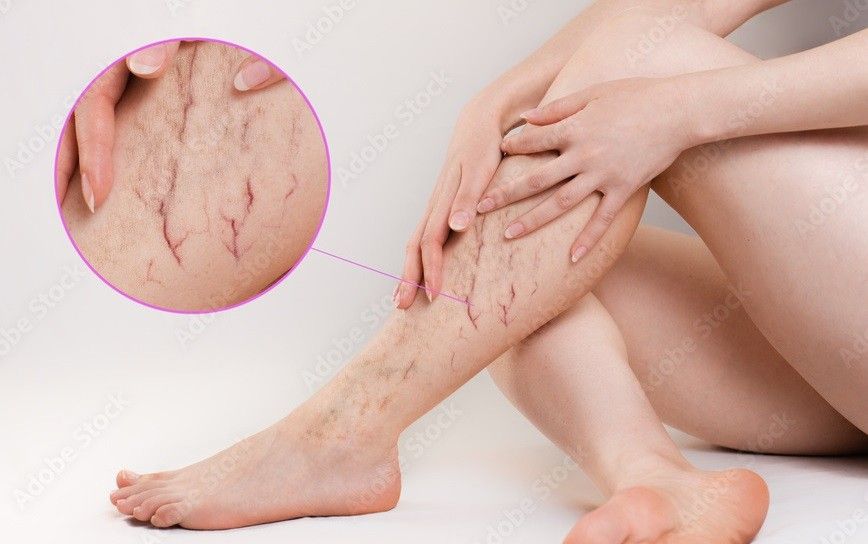
Spider veins are a common vein condition that affects millions of people worldwide. Although they are usually harmless, many people seek treatment for cosmetic reasons or because of discomfort. In this guide, we will explore everything you need to know about spider veins—what they are, their causes, symptoms, risk factors, diagnosis, treatment options, prevention, and more.
What Are Spider Veins?
Spider veins, also known as telangiectasias, are small, thin blood vessels that appear near the surface of the skin. They often look like a web or tree branch pattern and can be red, blue, or purple in color. Unlike varicose veins, spider veins are smaller and usually not raised.
Spider veins commonly appear on the:
- Legs (especially thighs, calves, and ankles)
- Face (around the nose and cheeks)
What Causes Spider Veins?
Spider veins form when tiny valves inside the veins become weak or damaged. Normally, these valves help blood flow back to the heart. When they fail, blood can pool in the veins, causing them to expand and become visible. Some common causes include:
1. Genetics: If your parents or grandparents had spider veins, you are more likely to develop them.
2. Aging: As you age, vein walls and valves weaken, increasing the risk of spider veins.
3. Hormonal Changes: Hormonal changes during puberty, pregnancy, menopause, or while taking birth control pills can increase the risk.
4. Pregnancy: During pregnancy, the blood volume increases, and the growing uterus puts pressure on veins, leading to spider veins.
5. Prolonged Standing or Sitting: Jobs that require long hours of standing or sitting can cause blood to pool in the legs, increasing the risk.
6. Obesity: Extra weight puts pressure on leg veins, which can lead to spider veins.
7. Sun Exposure: Excessive sun exposure can damage skin and veins, especially on the face.
8. Injury or Trauma: A previous injury or surgery can cause spider veins to develop.
Who Is at Risk of Spider Veins?
Spider veins can affect anyone, but some people are more prone due to:
- Family history
- Age (especially over 40)
- Female gender
- Pregnancy
- Hormonal therapy
- Obesity
- Standing or sitting for long periods
- History of blood clots
- Sun exposure
Signs and Symptoms of Spider Veins
Most people with spider veins do not experience pain. However, some common symptoms may include:
- Visible red, blue, or purple lines under the skin
- Mild burning or itching
- A heavy feeling in the legs
- Swelling in the lower legs (rare)
- Pain after long standing or walking
If telangiectasias are causing discomfort or swelling, it may indicate an underlying vein issue such as varicose veins or chronic venous insufficiency.
How Are Spider Veins Diagnosed?
Spider veins are usually diagnosed through a physical examination by a doctor. In some cases, especially if varicose veins are suspected, the doctor may order:
- Duplex Ultrasound: To check blood flow and valve function in the veins.
- Doppler Ultrasound: To detect blood clots or vein abnormalities.
Are Spider Veins Dangerous?
In most cases, spider veins are not dangerous and are mainly a cosmetic issue. However, they may cause discomfort or indicate an underlying vein problem.
Possible complications include:
- Pain and swelling
- Skin ulcers (rare)
- Bleeding (rare)
- Increased risk of blood clots (in severe cases)
If you notice severe pain, swelling, skin ulcers, or sudden changes in your legs, you should consult a doctor immediately.
Treatments for Spider Veins
There are several effective treatment options available for spider veins. The best option depends on the severity, location, and cause.
1. Lifestyle Changes
For mild cases, lifestyle changes can help reduce the appearance and prevent new telangiectasias:
- Avoid standing or sitting for long periods
- Exercise regularly (walking, cycling, swimming)
- Maintain a healthy weight
- Wear compression stockings
- Elevate legs when resting
- Avoid tight clothing around the waist or legs
- Protect skin from sun exposure
2. Compression Stockings
Compression stockings apply gentle pressure to the legs, improving blood flow and reducing swelling. They are often recommended for people with spider veins or varicose veins.
3. Sclerotherapy
Sclerotherapy is the most common treatment for telangiectasias. A solution is injected into the vein, causing it to collapse and fade over time. It is safe and effective for most people.
4. Laser Treatment
Laser therapy uses focused light to destroy the spider veins. It is commonly used for facial spider veins or small leg veins.
5. Radiofrequency Ablation
This treatment uses heat to close damaged veins. It is usually used for larger veins and varicose veins.
6. Endovenous Laser Treatment (EVLT)
A small laser fiber is inserted into the vein to close it. This method is often used for varicose veins but may be recommended for telangiectasias in some cases.
7. Vein Surgery
In rare cases, surgery may be required for severe vein problems.
Best Exercises for Spider Veins
Here are effective exercises that help improve blood circulation and reduce the risk of spider veins. These exercises focus on strengthening the leg muscles, improving venous return, and preventing blood from pooling in the legs.
1. Walking
Walking is the simplest and most effective exercise for improving leg circulation.
How to do it:
- Walk at a steady pace for 30 minutes daily.
- If possible, walk uphill or use a treadmill on an incline.
Benefits:
- Helps blood flow from legs to the heart
- Strengthens calf muscles
- Reduces swelling
2. Calf Raises
Calf raises activate the calf muscles, which act as a pump to push blood upward.
How to do it:
- Stand straight with feet shoulder-width apart.
- Slowly raise your heels off the ground.
- Hold for 2 seconds, then lower.
- Repeat 15–20 times, 2–3 sets.
Benefits:
- Improves venous return
- Strengthens calf muscles
- Reduces pressure on veins
3. Ankle Pumps
Ankle pumps are great for improving blood flow in the lower legs.
How to do it:
- Sit or lie down.
- Point your toes away from you, then pull them toward you.
- Repeat 20–30 times, 2–3 sets.
Benefits:
- Increases circulation
- Helps prevent blood pooling
- Easy to do anywhere
4. Leg Lifts
Leg lifts strengthen the core and hip muscles while improving blood flow.
How to do it:
- Lie on your back.
- Lift one leg 6–12 inches off the ground.
- Hold for 5 seconds, then lower.
- Repeat 10–15 times per leg.
Benefits:
- Improves circulation
- Strengthens legs and core
- Reduces vein pressure
5. Cycling or Stationary Bike
Cycling helps improve circulation and strengthens leg muscles without heavy impact.
How to do it:
- Cycle for 20–30 minutes, 3–4 times per week.
- Maintain a moderate pace.
Benefits:
- Boosts blood flow
- Strengthens calf and thigh muscles
- Helps maintain healthy weight
6. Swimming
Swimming is a low-impact exercise that improves circulation without putting pressure on the legs.
How to do it:
- Swim for 20–30 minutes, 2–3 times per week.
- Use gentle strokes like freestyle or backstroke.
Benefits:
- Improves circulation
- Reduces swelling
- Supports overall cardiovascular health
7. Leg Stretching
Stretching improves flexibility and reduces muscle tightness, which can improve blood flow.
How to do it:
- Stretch calves, hamstrings, and quadriceps.
- Hold each stretch for 20–30 seconds.
- Repeat 2–3 times.
Benefits:
- Improves circulation
- Reduces leg tension
- Prevents blood pooling
8. Yoga for Vein Health
Yoga improves circulation and reduces leg swelling by promoting blood flow and relaxation.
Best poses:
- Legs Up the Wall (Viparita Karani)
- Downward Dog (Adho Mukha Svanasana)
- Bridge Pose (Setu Bandhasana)
- Cobra Pose (Bhujangasana)
Benefits:
- Improves venous return
- Reduces stress
- Strengthens leg muscles
Tips While Exercising:
- Wear compression stockings if recommended by your doctor.
- Avoid heavy weight lifting or high-impact workouts if you have severe vein issues.
- Always warm up before exercising.
- Stay hydrated.
- Take breaks and elevate your legs after long periods of sitting or standing.
Home Remedies for Spider Veins
While home remedies cannot completely remove spider veins, they can help reduce symptoms and improve vein health:
- Apple cider vinegar: Applying it may improve blood circulation.
- Horse chestnut: A natural supplement known to support vein health.
- Witch hazel: Helps reduce inflammation and swelling.
- Essential oils: Such as lavender or cypress oil (use with caution and dilute properly).
- Diet rich in flavonoids: Citrus fruits, berries, and leafy greens can support vein health.
Important: Always consult a doctor before using supplements or natural remedies.
Prevention Tips for Spider Veins
You cannot always prevent spider veins, especially if they run in your family. But you can reduce the risk by:
- Exercising regularly
- Maintaining a healthy weight
- Avoiding long periods of standing or sitting
- Wearing compression stockings if needed
- Protecting your skin from sun exposure
- Choosing healthy footwear
- Taking breaks and moving your legs throughout the day
Complications of Spider Veins
Here are the possible complications untreated spider veins. While telangiectasias are usually harmless, they can sometimes lead to problems or indicate a deeper vein issue.
- Spider veins may cause mild pain, burning, or itching in the legs.
- They can lead to swelling or heaviness in the lower legs, especially after long standing.
- Poor blood flow from telangiectasias can cause skin discoloration or dark patches.
- In rare cases, telangiectasias may lead to skin ulcers near the ankles.
- Spider veins close to the surface may sometimes bleed after injury or scratching.
- They can be a sign of underlying vein problems like chronic venous insufficiency.
- In uncommon cases, telangiectasias may be associated with blood clots in superficial veins.
When to See a Doctor?
You should consult a doctor if:
- Spider veins cause pain or swelling
- You experience leg heaviness or fatigue
- There is sudden swelling in one leg
- Skin changes such as ulcers or discoloration occur
- Telangiectasias appear suddenly or worsen rapidly
Spider Veins vs. Varicose Veins
Although spider veins and varicose veins are both vein problems, they are different conditions:
| Feature | Spider Veins | Varicose Veins |
|---|---|---|
| Size | Small (1-3 mm) | Larger and bulging |
| Appearance | Web-like, thin lines | Twisted, raised veins |
| Symptoms | Usually mild | Often painful, swelling |
| Risk | Mainly cosmetic | Can cause complications |
| Common Areas | Legs, face | Legs |
Conclusion
Spider veins are a common and usually harmless condition. They are often more of a cosmetic concern than a medical issue. However, if they cause pain, swelling, or other symptoms, it is important to seek medical advice. With proper lifestyle changes and treatment options such as sclerotherapy and laser therapy, telangiectasias can be effectively managed and reduced. If you are considering treatment, consult a vein specialist or dermatologist to choose the best option for your condition.
FAQ’s
Can spider veins be treated?
Yes, telangiectasias can be treated effectively with options like sclerotherapy, laser therapy, and compression stockings.
Do spider veins go away on their own?
Telangiectasias usually do not go away on their own and may worsen over time without treatment.
Who is most likely to get spider veins?
People with a family history, women, older adults, pregnant women, and those who stand or sit for long periods are more likely to develop telangiectasias.
Can pregnancy cause spider veins?
Yes, pregnancy increases blood volume and pressure on leg veins, making telangiectasias more common.
Can spider veins come back after treatment?
Telangiectasias may reappear or new ones may develop, especially if the underlying causes remain.
Do compression stockings help spider veins?
Yes, compression stockings improve blood flow and reduce swelling, which helps manage telangiectasias.
Can sun exposure cause spider veins?
Yes, excessive sun exposure can damage skin and blood vessels, especially on the face.
Is sclerotherapy safe for spider veins?
Yes, sclerotherapy is a safe and effective treatment for telangiectasias when performed by a qualified doctor.
How long does it take for spider veins to disappear after treatment?
Telangiectasias usually fade within a few weeks to a few months after treatment, depending on the method used and the severity.
Also Read: