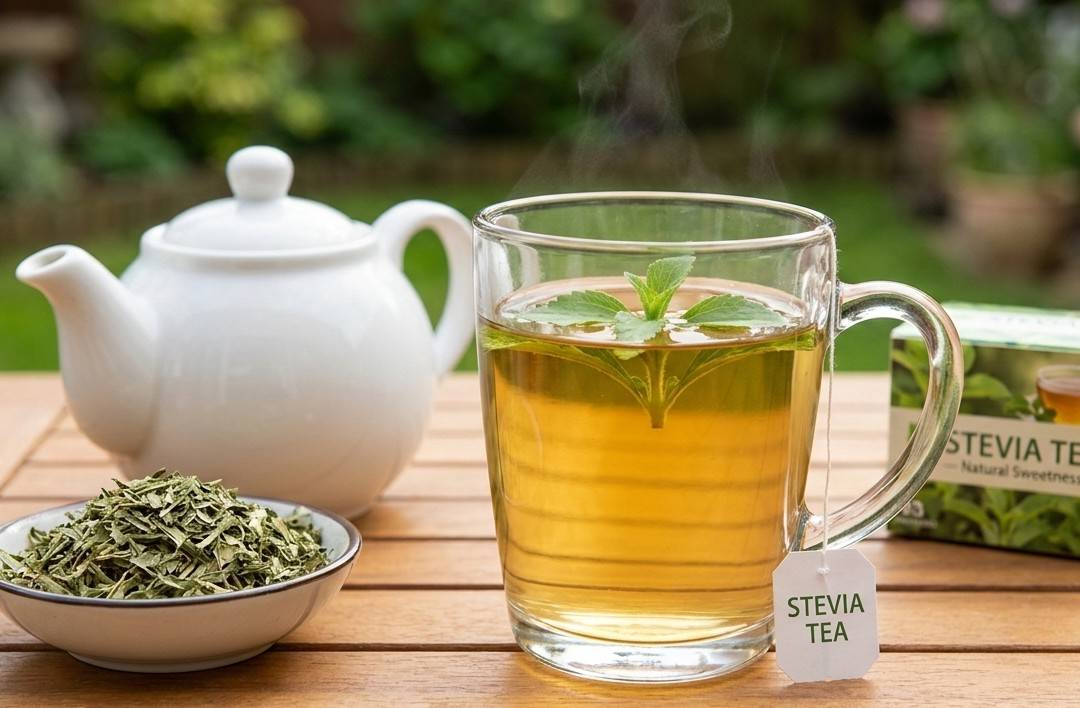
Stevia tea is gaining popularity among health-conscious individuals looking for a natural, calorie-free alternative to sugar-sweetened beverages. Derived from the leaves of the plant Stevia rebaudiana, stevia has long been used as a natural sweetener, especially in South America. While many people are familiar with stevia as a sugar substitute in powdered or liquid form, fewer know about stevia tea — a gentle, herbal infusion made from the dried or fresh leaves of the plant. In this guide, we’ll explore what stevia tea is, its proven health benefits, possible side effects, preparation methods, recommended intake, and important precautions.
What Is Stevia Tea?
Stevia tea is a naturally sweet herbal infusion made from the leaves of the Stevia rebaudiana plant. Native to Paraguay and Brazil, this plant has been used for centuries by the Guaraní people to sweeten beverages and as a medicinal herb.
The sweetness of stevia comes from natural compounds called steviol glycosides, primarily stevioside and rebaudioside A. These compounds are up to 200–300 times sweeter than sugar but contain virtually no calories and do not significantly affect blood sugar levels.
Unlike processed stevia sweeteners found in stores, stevia tea is minimally processed and typically consumed as:
- Fresh stevia leaves steeped in hot water
- Dried stevia leaves brewed like herbal tea
- Blended with other herbs for flavor enhancement
Stevia tea offers sweetness without the metabolic effects of sugar, making it especially popular among individuals managing diabetes, obesity, or metabolic syndrome.
Components of Stevia Tea
Below is the approximate nutritional profile of 1 cup (240 ml) of plain stevia leaf tea (without additives):
| Nutrient | Amount per 1 Cup |
|---|---|
| Calories | 0–2 kcal |
| Carbohydrates | 0 g |
| Sugars | 0 g |
| Protein | 0 g |
| Fat | 0 g |
| Fiber | 0 g |
| Steviol Glycosides | Trace amounts |
| Antioxidants | Present (small amounts) |
| Caffeine | 0 mg |
Note: The exact nutritional values may vary depending on leaf concentration and preparation method.
Stevia tea is essentially calorie-free and sugar-free, making it ideal for those on low-calorie or low-carbohydrate diets.
20 Science-Backed Benefits of Stevia Tea
- Supports Blood Sugar Balance: Stevia tea may help regulate blood glucose levels without causing spikes due to its natural steviol glycosides.
- Diabetes-Friendly Sweetener: It provides sweetness without carbohydrates, making it suitable for people managing diabetes.
- Aids Weight Management: Being calorie-free, stevia tea can help reduce overall daily calorie intake.
- May Lower Blood Pressure: Some studies suggest stevia compounds may help relax blood vessels and support healthy blood pressure.
- Reduces Sugar Cravings: Its natural sweetness can help curb cravings for sugary foods and beverages.
- Cavity Prevention: Stevia does not promote tooth decay and may inhibit harmful oral bacteria.
- Rich in Plant Antioxidants: The leaves of Stevia rebaudiana contain antioxidant compounds that combat oxidative stress.
- Anti-Inflammatory Properties: Certain compounds in stevia may help reduce inflammation in the body.
- Supports Heart Health: By assisting in blood sugar and blood pressure control, it may contribute to cardiovascular wellness.
- Keto-Friendly Beverage: Stevia tea contains no carbohydrates, making it ideal for ketogenic diets.
- Caffeine-Free Hydration: It offers a sweet beverage option without caffeine stimulation.
- May Improve Insulin Sensitivity: Some research indicates stevia may enhance insulin response.
- Helps Reduce Triglycerides: Preliminary findings suggest it may positively influence lipid profiles.
- Supports Liver Function: Certain studies indicate potential protective effects on liver cells.
- Digestive Support: Traditionally, stevia has been used to soothe mild digestive discomfort.
- May Reduce Appetite: Its sweetness without calories may assist in appetite control.
- Non-Glycemic Sweetness: It provides sweetness without impacting the glycemic index.
- Suitable for Low-Carb Diets: It fits well into low-carb and sugar-restricted eating plans.
- Natural Plant-Based Option: Stevia tea is derived directly from plant leaves with minimal processing.
- Versatile Sweetening Agent: It can naturally sweeten other herbal teas without added sugar.
10 Side Effects of Stevia Tea
- Risk of Low Blood Pressure: Stevia tea may further lower blood pressure in individuals already prone to hypotension.
- Potential Hypoglycemia: When combined with diabetes medications, it may lower blood sugar excessively.
- Digestive Discomfort: Some individuals may experience bloating, nausea, or mild stomach upset.
- Allergic Reactions: People sensitive to plants in the Asteraceae family may experience allergic symptoms.
- Hormonal Concerns at High Doses: Extremely high intake in animal studies has shown possible hormonal effects.
- Possible Kidney Strain: Excessive consumption may not be advisable for individuals with kidney disorders.
- Bitter Aftertaste: Some users report a lingering bitter or licorice-like flavor.
- Medication Interactions: It may interact with blood pressure or blood sugar medications.
- Headaches in Sensitive Individuals: Rarely, some people may experience mild headaches.
- Gastrointestinal Sensitivity: Large quantities may lead to mild diarrhea in sensitive individuals.
How to Make Stevia Tea?
Method 1: Using Fresh Leaves
- Rinse 3–5 fresh stevia leaves thoroughly.
- Boil 1 cup of water.
- Add leaves and steep for 5–7 minutes.
- Strain and serve warm.
Method 2: Using Dried Leaves
- Add 1 teaspoon of dried stevia leaves to a cup.
- Pour hot water over the leaves.
- Steep for 5–10 minutes.
- Strain and enjoy.
Optional: Blend with mint, chamomile, or green tea for enhanced flavor.
Other Uses of Stevia Tea
- Natural sweetener for herbal blends
- Sugar substitute in iced tea
- Sweet base for detox drinks
- Ingredient in homemade syrups
- Added to smoothies for sweetness
- Used in baking (in concentrated form)
How Much Stevia Tea Can You Drink a Day?
The acceptable daily intake (ADI) for steviol glycosides is 4 mg per kilogram of body weight per day.
For most adults, drinking 1–3 cups of stevia tea daily is considered safe when made from natural leaves. Excessive consumption should be avoided.
Tips for Consuming Stevia Tea
- Start with small amounts to assess tolerance.
- Avoid combining with multiple artificial sweeteners.
- Choose organic, pesticide-free leaves.
- Do not over-steep to avoid bitterness.
- Monitor blood sugar if diabetic.
Best Time to Drink Stevia Tea
- Morning: As a sugar-free alternative to sweetened beverages.
- After meals: To help reduce sugar cravings.
- Afternoon: As a caffeine-free hydration option.
- Evening: Since it is caffeine-free, it won’t disrupt sleep.
Who Should Drink Stevia Tea?
- Individuals with diabetes
- People on weight-loss plans
- Those reducing sugar intake
- Individuals following keto or low-carb diets
- People seeking caffeine-free sweet beverages
Who Should Not Drink Stevia Tea?
- Individuals with chronic low blood pressure
- Pregnant or breastfeeding women (without medical consultation)
- People with severe kidney disorders
- Individuals allergic to ragweed-related plants
- Those on strict medication regimens without doctor approval
Precautions and Interactions
- Consult a healthcare provider if you are on diabetes or blood pressure medications.
- Avoid excessive intake beyond recommended limits.
- Discontinue use if allergic symptoms appear.
- Monitor blood glucose levels regularly if diabetic.
- Use caution during pregnancy and breastfeeding.
Conclusion
Stevia tea is a naturally sweet, calorie-free herbal beverage derived from Stevia rebaudiana. It offers numerous potential health benefits, especially for blood sugar control, weight management, and metabolic health. Its antioxidant properties and non-cariogenic nature make it a healthier alternative to sugar-sweetened drinks. However, moderation is essential. While stevia tea is generally safe for most people, certain individuals should exercise caution, particularly those on medication for blood sugar or blood pressure.
FAQ’s
What is stevia tea made from?
Stevia tea is made from the fresh or dried leaves of the plant Stevia rebaudiana, which naturally contain sweet compounds called steviol glycosides.
Is stevia tea safe to drink daily?
Yes, stevia tea is generally safe when consumed in moderation, typically 1–3 cups per day within the acceptable daily intake guidelines.
Does stevia tea raise blood sugar levels?
No, stevia tea does not significantly raise blood glucose levels and may even help improve blood sugar control in some individuals.
Can people with diabetes drink stevia tea?
Yes, stevia tea is considered suitable for people with diabetes because it is calorie-free and does not spike blood sugar, but they should monitor glucose levels regularly.
Is stevia tea good for weight loss?
Stevia tea may support weight loss by reducing overall calorie intake and helping control sugar cravings.
Does stevia tea contain caffeine?
No, stevia tea is naturally caffeine-free unless blended with caffeinated teas.
Can stevia tea help lower blood pressure?
Some research suggests that compounds in stevia may help relax blood vessels and mildly reduce blood pressure.
What does stevia tea taste like?
Stevia tea tastes naturally sweet, sometimes with a mild herbal or slightly licorice-like aftertaste depending on preparation strength.
Can I drink stevia tea during pregnancy?
Pregnant or breastfeeding women should consult a healthcare professional before consuming stevia tea regularly.
Can children drink stevia tea?
Occasional small amounts may be safe, but it is best to consult a pediatrician before giving stevia tea regularly to children.
Does stevia tea affect hormones?
Current human research does not show significant hormonal effects at normal intake levels, though very high doses in animal studies have raised concerns.
Can stevia tea cause kidney problems?
There is limited evidence of kidney harm at normal consumption levels, but individuals with kidney disease should consult their doctor.
Is stevia tea better than sugar?
Stevia tea may be a healthier alternative to sugar because it provides sweetness without calories, carbohydrates, or blood sugar spikes.
Can I mix stevia tea with other herbal teas?
Yes, stevia tea blends well with herbs like mint, chamomile, or green tea to enhance sweetness naturally.
How should stevia tea be stored?
Dried stevia leaves should be stored in an airtight container in a cool, dry place away from direct sunlight.
Can stevia tea help with sugar cravings?
Yes, its natural sweetness may help satisfy cravings for sugary beverages or desserts.
Is stevia tea suitable for a keto diet?
Yes, since it contains no carbohydrates or calories, stevia tea fits well into ketogenic and low-carb diets.
Can stevia tea be consumed cold?
Yes, stevia tea can be brewed hot and then chilled to make a naturally sweet iced herbal beverage.
How long does it take for Stevia Tea to work?
Stevia tea can begin influencing blood sugar levels shortly after consumption, especially when taken with or after meals, but noticeable health benefits such as improved glucose control or reduced sugar cravings may take consistent use over several days to weeks.
What is Stevia Tea good for?
Stevia tea is good for supporting blood sugar management, aiding weight control, reducing sugar cravings, promoting heart health, and serving as a natural, calorie-free sweetener derived from Stevia rebaudiana.
Is stevia tea safe for kidneys?
Stevia tea is generally considered safe for healthy individuals when consumed in moderation, but people with existing kidney disease or impaired kidney function should consult a healthcare professional before regular use to ensure safety.
Also Read: