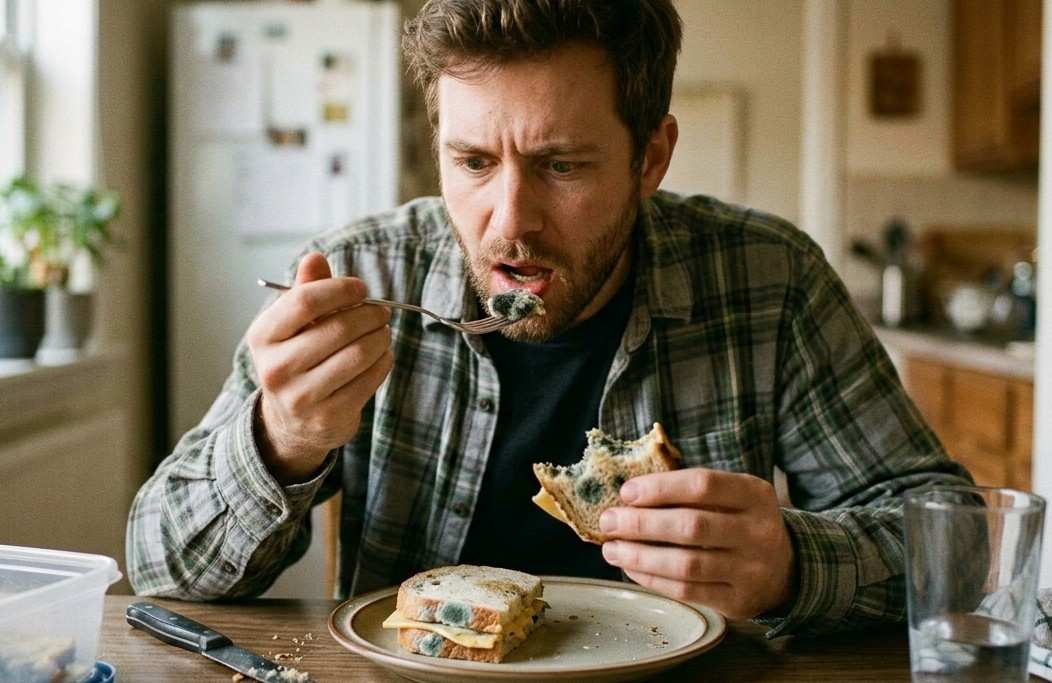
Mold is something most of us have seen at some point—fuzzy patches on bread, green or blue spots on fruit, or a strange white film on leftovers. But what happens if you accidentally eat mold? Is it always dangerous? Should you panic? Or is it sometimes harmless?
The answer depends on several factors: the type of mold, the amount consumed, your overall health, and whether the mold produces toxins. In this guide, we’ll explore what mold is, what happens inside your body if you eat it, possible symptoms, when to seek medical care, and how to prevent exposure in the future.
What Is Mold?
Mold is a type of fungus. Unlike bacteria, mold grows in multicellular filaments called hyphae and spreads through microscopic spores that float in the air. These spores can land on food and grow when moisture, warmth, and organic material are present.
Common molds found on food include species from genera such as:
- Aspergillus
- Penicillium
- Rhizopus
- Fusarium
Some molds are intentionally used in food production, while others are harmful.
Not All Mold Is Dangerous
Before assuming the worst, it’s important to understand that not all mold is toxic.
Safe Molds in Food
Certain molds are deliberately used in food production. For example:
- Cheese like Brie and Camembert use Penicillium cultures.
- Blue cheeses use Penicillium roqueforti.
- Soy sauce and miso use Aspergillus oryzae.
These molds are controlled, tested, and safe for consumption.
Unsafe Wild Mold
The mold that grows unexpectedly on bread, fruits, leftovers, and damp grains is uncontrolled. You cannot identify whether it’s toxic just by looking at it. That’s where the risk lies.
What Happens in Your Body If You Eat Mold?
The effects vary depending on the type and amount consumed. Here’s what may happen:
1. Nothing at All
In many cases, especially if you consume a small amount of mold accidentally, nothing serious happens. Your stomach acid and immune system may destroy the mold spores before they cause harm.
You might not even notice any symptoms.
2. Mild Gastrointestinal Symptoms
The most common reaction is mild digestive upset. This can include:
- Nausea
- Vomiting
- Stomach cramps
- Diarrhea
These symptoms typically occur because your body recognizes the mold as a foreign invader and tries to expel it.
Most cases resolve within 24 hours.
3. Allergic Reactions
Some people are allergic to mold. In such cases, even small amounts may trigger:
- Sneezing
- Itchy throat
- Runny nose
- Coughing
- Wheezing
- Skin rash
People with asthma or mold allergies may experience worsening respiratory symptoms.
4. Mycotoxin Exposure
Some molds produce toxic substances called mycotoxins. These toxins are the real concern.
Certain species of Aspergillus produce aflatoxins, which are among the most dangerous mycotoxins. Long-term exposure has been linked to liver damage and even liver cancer.
Other mycotoxins can affect:
- The immune system
- The nervous system
- The kidneys
However, serious mycotoxin poisoning from a single accidental bite is rare in developed countries where food safety regulations are strict.
5. Food Poisoning-Like Illness
In some cases, mold contamination can occur alongside bacterial growth. When food spoils, bacteria and mold often grow together.
This may result in:
- Severe vomiting
- Fever
- Diarrhea
- Dehydration
The symptoms may be more related to bacterial contamination than the mold itself.
High-Risk Groups
Certain individuals are more vulnerable to complications after eating mold:
1. Infants and young children
Their immune systems are still developing.
2. Pregnant women
Some toxins can potentially affect fetal health.
3. Elderly individuals
Immune defenses may be weaker.
4. People with weakened immune systems
This includes those with:
- HIV/AIDS
- Cancer
- Organ transplants
- Chronic illnesses
In rare cases, mold spores can cause infections in immunocompromised individuals.
What If You Ate Moldy Bread?
Bread is one of the most common moldy foods. If you spot mold on one slice, the entire loaf may already be contaminated, even if you can’t see it.
Mold roots (hyphae) can penetrate deep into soft foods.
If you accidentally eat moldy bread:
- Monitor for symptoms.
- Stay hydrated.
- Seek medical attention if severe symptoms develop.
Can Cooking Kill Mold?
Cooking can kill mold spores, but it does not necessarily destroy mycotoxins. Some toxins are heat-stable and remain even after baking or reheating.
For example:
- Aflatoxins can survive high temperatures.
That’s why scraping off mold or cooking moldy food is not considered safe.
What About Hard Foods?
The safety guidelines differ depending on the food type.
Hard Cheeses
For hard cheeses like cheddar, mold can sometimes be cut away safely. The recommendation is to cut at least one inch around and below the mold spot.
Soft Foods
Soft foods like bread, yogurt, jam, cooked leftovers, and soft fruits should be discarded entirely if mold appears.
Mold spreads invisibly in these foods.
Signs You Should See a Doctor
Seek medical help if you experience:
- Persistent vomiting
- Severe abdominal pain
- Bloody diarrhea
- High fever
- Signs of dehydration
- Difficulty breathing
- Severe allergic reactions
If a child or immunocompromised person eats mold, consult a healthcare provider for guidance.
Can Mold Cause Long-Term Health Problems?
Accidental one-time exposure rarely causes long-term harm.
However, repeated exposure to mold-contaminated food—especially in areas with poor food storage conditions—can increase the risk of:
- Chronic liver damage
- Immune suppression
- Nutritional deficiencies
- Cancer (in cases of prolonged aflatoxin exposure)
Long-term mold ingestion is more common in regions with inadequate food regulation.
What Should You Do Immediately After Eating Mold?
If you realize you ate moldy food:
- Do not panic.
- Spit it out if still in your mouth.
- Rinse your mouth with water.
- Drink water.
- Monitor symptoms for 24 hours.
In most cases, no treatment is required.
Avoid inducing vomiting unless instructed by a medical professional.
Is It Ever Safe to Just Remove the Moldy Part?
It depends on the food.
According to food safety experts:
Safe to cut mold away (with caution):
- Hard cheeses
- Hard salami
- Firm vegetables like cabbage
Not safe:
- Bread
- Soft cheese
- Yogurt
- Jam
- Peanut butter
- Cooked grains
- Soft fruits
When in doubt, throw it out.
Can Mold Grow Inside Your Body?
This is extremely rare in healthy individuals.
However, certain molds like Aspergillus can cause infections called aspergillosis in people with weakened immune systems.
This usually occurs from inhalation of spores, not ingestion.
Mold vs. Bacterial Spoilage
Not all spoiled food shows visible mold. Bacteria can grow without visible signs.
If food smells bad, tastes strange, or has an unusual texture—even without visible mold—do not eat it.
What Does Mold Taste Like?
Mold may taste:
- Bitter
- Earthy
- Musty
- Sour
Sometimes you may not taste it at all.
If food tastes “off,” stop eating immediately.
Mold in Common Foods
Here are foods where mold commonly appears:
- Bread
- Strawberries
- Citrus fruits
- Tomatoes
- Leftovers
- Cooked rice
- Nuts
- Grains
- Jam
High-moisture foods are especially vulnerable.
Mycotoxins: The Hidden Danger
Some important mycotoxins include:
- Aflatoxins
- Ochratoxin A
- Patulin
- Fumonisins
These toxins are more concerning in contaminated grains, nuts, and improperly stored crops.
Chronic exposure is associated with serious health risks, but single accidental ingestion rarely leads to severe outcomes.
How to Prevent Eating Mold?
Prevention is simple but requires consistency.
1. Store food properly
Keep perishable items refrigerated.
2. Keep your fridge clean
Clean spills immediately.
3. Use airtight containers
Limit exposure to air and moisture.
4. Check expiration dates
Do not consume expired foods.
5. Buy smaller quantities
Avoid overstocking perishable items.
6. Store grains and nuts in cool, dry places
Humidity encourages mold growth.
Common Myths About Eating Mold
Myth 1: If you can’t see mold, it’s safe.
False. Mold roots can spread invisibly.
Myth 2: Cooking makes mold safe.
False. Toxins may survive heat.
Myth 3: Only green mold is dangerous.
False. Color does not determine toxicity.
Myth 4: You’ll always know if mold is harmful.
False. Toxic molds may not taste or look different.
When Is Mold Actually Used Beneficially?
Controlled mold is used in:
- Cheese production
- Fermented foods
- Antibiotic production (Penicillin derived from Penicillium)
The key difference is controlled cultivation versus accidental contamination.
Psychological Reactions
Sometimes the anxiety of realizing you ate mold can cause:
- Nausea
- Stress
- Loss of appetite
These symptoms may be stress-induced rather than toxic.
Children and Mold Ingestion
Children frequently explore food without noticing spoilage.
If a child eats mold:
- Observe for vomiting or diarrhea.
- Ensure hydration.
- Contact a pediatrician if symptoms appear.
Severe reactions are rare but possible in allergic children.
Mold and Pets
Pets can be more sensitive to certain mycotoxins.
Dogs eating moldy bread or garbage may experience:
- Tremors
- Seizures
- Vomiting
Immediate veterinary attention is required in such cases.
Global Perspective
In regions with poor food storage and limited regulation, chronic mold exposure is a major health issue. Aflatoxin contamination in staple crops has been linked to higher liver cancer rates in some parts of the world.
In countries with strict food safety systems, the risk is significantly lower.
Final Thoughts
Accidentally eating mold is common and usually not dangerous for healthy individuals. Most cases result in mild digestive discomfort or no symptoms at all.
The real danger lies in:
- Chronic exposure
- Toxic mold species
- Immunocompromised individuals
- Mold combined with bacterial contamination
If symptoms are severe or persistent, seek medical attention. Otherwise, monitor your body and stay hydrated. The safest approach is simple: when in doubt, throw it out.
FAQ’s
Can eating mold make you sick?
Yes, it can. Mold may cause digestive upset, allergic reactions, or in rare cases, exposure to harmful toxins called mycotoxins. However, severe illness from a small accidental bite is uncommon.
How long after eating mold do symptoms appear?
Symptoms usually appear within a few hours. Digestive symptoms like nausea or vomiting may develop quickly. Allergic reactions can occur shortly after ingestion.
Is it safe to cut off moldy parts and eat the rest?
It depends on the food. Hard cheeses and firm vegetables may be safe if you cut at least one inch around the mold. Soft foods like bread, yogurt, jam, and cooked leftovers should be discarded entirely because mold spreads invisibly.
Can cooking kill mold and make food safe?
Cooking can kill mold spores, but it does not always destroy mycotoxins. Some toxins are heat-stable and remain even after reheating. Moldy food should not be cooked and consumed.
Are children more at risk if they eat mold?
Children can experience similar symptoms as adults, but their smaller body size may make them more sensitive. Monitor them closely for vomiting, diarrhea, or allergic reactions, and consult a pediatrician if symptoms develop.
Can eating mold cause long-term health problems?
A single accidental exposure usually does not cause long-term issues. Chronic exposure to mold-contaminated food over time may increase health risks, particularly if mycotoxins are involved.
Can mold grow inside your body after you eat it?
This is extremely rare in healthy individuals. People with weakened immune systems may be at higher risk for fungal infections, but ingestion is not the most common cause—most infections occur from inhaling spores.
Should I go to the emergency room after eating mold?
You should seek emergency care if you experience severe allergic reactions, trouble breathing, persistent vomiting, dehydration, or severe abdominal pain. Otherwise, mild symptoms can usually be managed at home.
Also Read: