Magnesium is one of the most important yet often overlooked minerals in the human body. It plays a vital role in more than 300 biochemical reactions, influencing everything from muscle function and nerve signaling to heart health and bone strength. Despite its importance, many people do not get enough magnesium through their diet.
In this guide, you will learn what magnesium is, how much you need daily, its benefits, side effects of excess intake, symptoms of deficiency, best food sources, and how to maintain optimal levels safely.
What Is Magnesium?
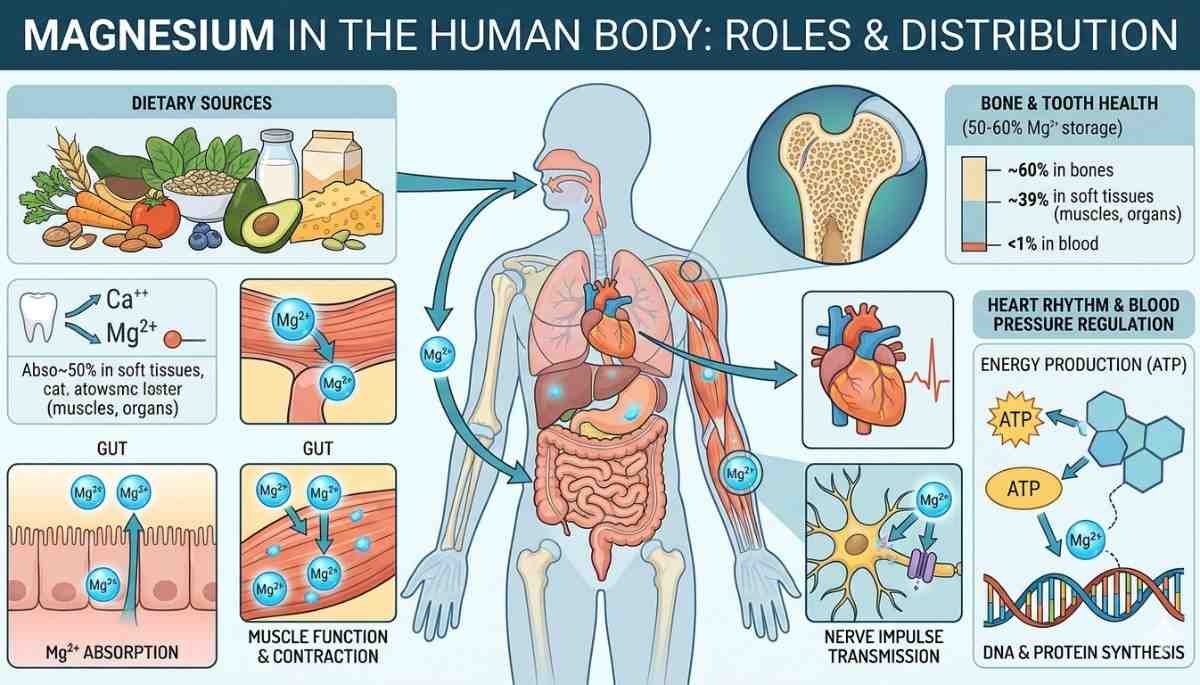
Magnesium (Mg) is an essential mineral required for normal body functioning. It is the fourth most abundant mineral in the body and is primarily found in bones, muscles, and soft tissues. Only about 1% of magnesium is present in the blood, but this small amount is tightly regulated.
Magnesium plays a key role in:
- Energy production (ATP synthesis)
- Protein synthesis
- Muscle contraction and relaxation
- Nerve transmission
- Blood pressure regulation
- Blood sugar control
- Bone development
Since the body cannot produce Mg on its own, it must be obtained through diet or supplements.
Magnesium Dosage
The required amount of Mg depends on age, gender, and life stage.
Recommended Daily Intake of Magnesium
| Age Group | Male (mg/day) | Female (mg/day) |
|---|---|---|
| 1–3 years | 80 mg | 80 mg |
| 4–8 years | 130 mg | 130 mg |
| 9–13 years | 240 mg | 240 mg |
| 14–18 years | 410 mg | 360 mg |
| 19–30 years | 400 mg | 310 mg |
| 31+ years | 420 mg | 320 mg |
| Pregnant (19–30 years) | — | 350 mg |
| Pregnant (31+ years) | — | 360 mg |
| Breastfeeding | — | 310–320 mg |
Upper Intake Limit (From Supplements Only)
| Age Group | Upper Limit (mg/day) |
|---|---|
| 1–3 years | 65 mg |
| 4–8 years | 110 mg |
| 9+ years & Adults | 350 mg |
Note: The upper limit applies only to supplemental Mg, not food sources.
20 Benefits of Magnesium
- Supports Energy Production – Mg helps convert food into energy by activating ATP, the body’s primary energy molecule.
- Improves Muscle Function – Magnesium regulates muscle contraction and relaxation, preventing cramps and spasms.
- Enhances Nerve Function – It supports proper nerve signaling and communication between brain and body.
- Strengthens Bones – Mg contributes to bone density and works alongside calcium and vitamin D.
- Regulates Blood Pressure – It helps relax blood vessels and supports healthy blood pressure levels.
- Supports Heart Health – Magnesium maintains a steady heart rhythm and reduces the risk of arrhythmias.
- Improves Blood Sugar Control – It enhances insulin sensitivity and supports glucose metabolism.
- Reduces Migraine Frequency – Mg supplementation may lower the frequency and severity of migraines.
- Promotes Better Sleep – It calms the nervous system and supports melatonin production for restful sleep.
- Reduces Stress and Anxiety – Magnesium helps regulate neurotransmitters that influence mood.
- Supports Digestive Health – Certain forms help relieve constipation by drawing water into the intestines.
- Improves Exercise Performance – It supports oxygen uptake and reduces muscle fatigue.
- Reduces PMS Symptoms – Mg may help relieve bloating, cramps, and mood swings.
- Supports Brain Health – It plays a role in memory, learning, and cognitive function.
- Helps Prevent Osteoporosis – Adequate magnesium supports bone mineralization.
- Reduces Inflammation – Mg deficiency is linked to increased inflammatory markers.
- Supports Detoxification – It assists liver function and cellular detox processes.
- Maintains Electrolyte Balance – Magnesium works with potassium and sodium to maintain fluid balance.
- Improves Insulin Sensitivity – It lowers the risk of metabolic syndrome and type 2 diabetes.
- Supports Hormonal Balance – Mg helps regulate stress hormones and reproductive hormones.
10 Side Effects of Excess Magnesium
- Diarrhea – High supplemental doses often cause loose stools due to magnesium’s laxative effect.
- Nausea – Excess intake may irritate the stomach lining.
- Abdominal Cramping – Large doses can cause digestive discomfort.
- Low Blood Pressure – Too much magnesium may lead to hypotension.
- Irregular Heartbeat – Severe toxicity can disrupt heart rhythm.
- Muscle Weakness – Excess Mg may impair muscle function.
- Confusion – High levels can affect brain function.
- Difficulty Breathing – Very high levels may depress respiratory function.
- Kidney Stress – Those with kidney disease may struggle to eliminate excess Mg.
- Cardiac Arrest (Severe Cases) – Extremely high Mg levels can be life-threatening.
Symptoms of Magnesium Deficiency
Mg deficiency, also called hypomagnesemia, can develop gradually.
Common symptoms include:
- Muscle cramps and spasms
- Fatigue and weakness
- Numbness or tingling
- Irregular heartbeat
- Mood changes (anxiety, irritability)
- Poor appetite
- Nausea
- Insomnia
- Headaches or migraines
- High blood pressure
Severe deficiency may lead to seizures or abnormal heart rhythms.
Causes of Magnesium Deficiency
Several factors contribute to low Mg levels:
- Poor dietary intake
- Processed food consumption
- Gastrointestinal disorders (Crohn’s disease, celiac disease)
- Type 2 diabetes
- Chronic alcoholism
- Prolonged diarrhea
- Use of diuretics
- Proton pump inhibitors (long-term use)
- Kidney disorders
Best Food Sources of Magnesium
Eating magnesium-rich foods is the safest and most effective way to maintain healthy levels.
| Food | Serving Size | Magnesium (mg) |
|---|---|---|
| Pumpkin seeds | 28g | 150 mg |
| Almonds | 28g | 80 mg |
| Spinach (cooked) | 1 cup | 157 mg |
| Cashews | 28g | 74 mg |
| Black beans | 1 cup | 120 mg |
| Peanut butter | 2 tbsp | 49 mg |
| Avocado | 1 medium | 58 mg |
| Dark chocolate (70–85%) | 28g | 64 mg |
| Brown rice | 1 cup | 84 mg |
| Tofu | 100g | 53 mg |
Who Is at Risk of Magnesium Deficiency?
Certain groups are more vulnerable:
- Older adults
- People with gastrointestinal disorders
- Individuals with type 2 diabetes
- Chronic alcohol users
- Those taking diuretics
- People with kidney disease
- Individuals under chronic stress
- Athletes with excessive sweating
Complications of Magnesium Deficiency
Untreated deficiency may lead to:
- Chronic fatigue
- Hypertension
- Osteoporosis
- Increased risk of heart disease
- Seizures
- Severe arrhythmias
- Worsening insulin resistance
Long-term low Mg levels may significantly impact cardiovascular and metabolic health.
Preventing Magnesium Deficiency
Prevention strategies include:
- Eating leafy greens daily
- Including nuts and seeds in snacks
- Choosing whole grains over refined grains
- Managing stress levels
- Avoiding excessive alcohol
- Monitoring Mg levels if at risk
- Supplementing only under medical guidance
Symptoms of Magnesium Toxicity
Mg toxicity (hypermagnesemia) is rare and usually occurs due to excessive supplementation or kidney dysfunction.
Symptoms include:
- Flushing
- Low blood pressure
- Lethargy
- Confusion
- Slow heartbeat
- Muscle paralysis
- Breathing difficulties
- Cardiac arrest in severe cases
How to Maintain Healthy Magnesium Levels
To maintain optimal Mg:
- Eat magnesium-rich whole foods
- Stay hydrated
- Balance calcium intake
- Manage stress
- Exercise moderately
- Avoid overuse of laxatives
- Monitor medications that may lower Mg
If supplementing, choose appropriate forms such as Mg citrate, glycinate, or oxide based on your health goals.
Who Should Take Magnesium?
Supplementation may benefit:
- People with diagnosed deficiency
- Individuals with frequent muscle cramps
- Those with migraines
- People with type 2 diabetes
- Individuals with high blood pressure
- Those experiencing sleep disturbances
- Athletes with heavy sweating
- Women with PMS symptoms
Always consult a healthcare professional before starting supplementation.
Who Should Not Take Magnesium?
Mg supplements may not be suitable for:
- Individuals with severe kidney disease
- People with heart block
- Those already consuming high-dose supplements
- Individuals taking medications that interact with Mg
Medical supervision is essential for high-risk groups.
Best Time to Take Magnesium
The best time depends on your goal:
- For sleep: Take in the evening
- For muscle cramps: Take after exercise
- For digestion: Take with meals
- For general health: Split dose morning and evening
Taking Mg with food may reduce stomach discomfort.
Precautions and Interactions
Mg may interact with:
- Antibiotics (reduces absorption)
- Diuretics
- Proton pump inhibitors
- Blood pressure medications
- Bisphosphonates
- Thyroid medications
To avoid interactions:
- Take Mg supplements 2–4 hours apart from certain medications.
- Do not exceed recommended doses.
- Consult a healthcare provider if you have kidney disease.
- Avoid combining multiple Mg-containing products.
Conclusion
Magnesium is a powerful and essential mineral that supports energy production, muscle and nerve function, heart health, blood sugar control, and bone strength. Despite its importance, many people do not meet their daily requirements.
By incorporating Mg-rich foods into your diet and supplementing responsibly when necessary, you can maintain healthy levels and reduce the risk of deficiency-related complications. Balanced intake, proper dosage, and awareness of potential interactions are key to safely benefiting from magnesium’s many health advantages. If you suspect deficiency or are considering supplementation, consult a healthcare professional for personalized advice.
FAQ’s
What is magnesium used for in the body?
Mg is used for energy production, muscle and nerve function, bone strength, heart rhythm regulation, and blood sugar control.
Can I take magnesium every day?
Yes, Mg can be taken daily within the recommended dosage, especially if dietary intake is low or deficiency is diagnosed.
What is the best form of magnesium to take?
Mg glycinate is often recommended for sleep and relaxation, Mg citrate for constipation, and Mg oxide for general supplementation, though absorption varies.
Can magnesium help with sleep?
Yes, Mg may improve sleep quality by calming the nervous system and supporting melatonin production.
Does magnesium help with muscle cramps?
Yes, Mg supports proper muscle contraction and relaxation, which may reduce cramps and spasms.
Can magnesium lower blood pressure?
Mg may help support healthy blood pressure levels by relaxing blood vessels, especially in people with deficiency.
Is magnesium good for anxiety?
Mg may help regulate neurotransmitters that influence mood, potentially reducing symptoms of stress and anxiety.
Can I get enough magnesium from food alone?
Yes, a balanced diet rich in leafy greens, nuts, seeds, legumes, and whole grains can provide adequate Mg for most people.
What happens if I take too much magnesium?
Excess Mg from supplements can cause diarrhea, nausea, low blood pressure, irregular heartbeat, and in severe cases, serious complications.
Is magnesium safe during pregnancy?
Mg is generally safe during pregnancy within recommended doses, but supplementation should be guided by a healthcare professional.
Can magnesium help with migraines?
Some studies suggest Mg may reduce the frequency and severity of migraines, especially in individuals with low levels.
Does magnesium help with constipation?
Yes, certain forms like Mg citrate can act as a natural laxative by drawing water into the intestines.
What happens if I take magnesium every day?
Taking Mg daily within the recommended dose is generally safe and may improve muscle function, sleep quality, heart health, and blood sugar control; however, excessive supplemental intake can cause diarrhea, nausea, or low blood pressure.
What organ is most affected by magnesium?
The kidneys are most affected by Mg because they regulate Mg balance in the body and remove excess amounts through urine.
Does magnesium affect blood pressure?
Yes, Mg helps relax blood vessels, which may support healthy blood pressure levels, especially in people with low Mg intake.
Can magnesium affect heart rate?
Yes, Mg plays a key role in maintaining a normal heart rhythm, and both deficiency and excess levels can cause irregular heartbeat.
Also Read:
2 thoughts on “Magnesium: 20 Benefits, Sources, Dosage & Deficiency Signs”