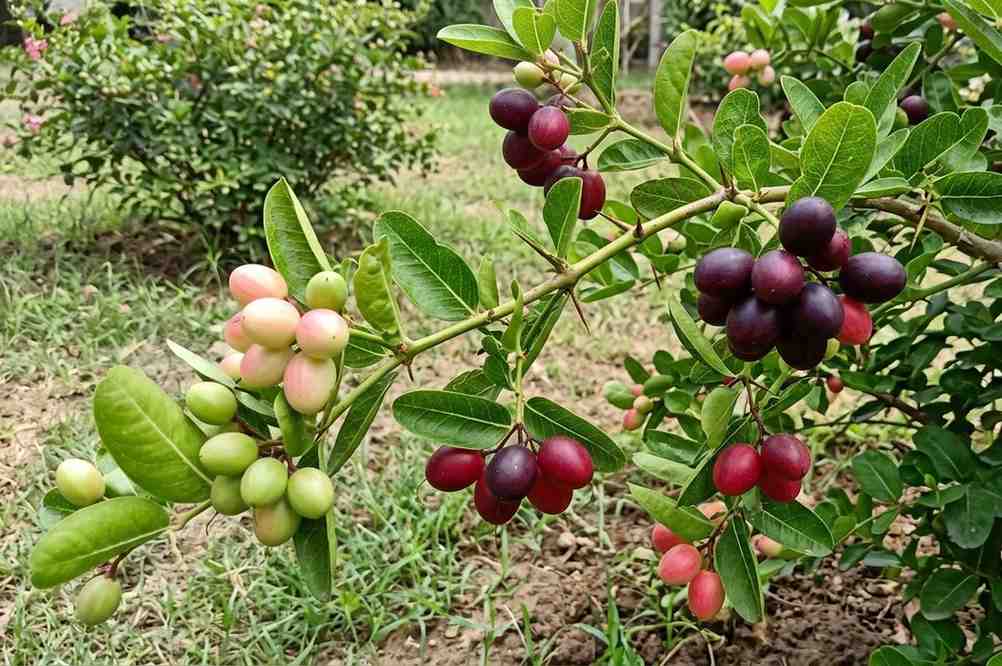
Karonda, scientifically known as Carissa carandas, is a small, berry-like fruit widely grown across India and other parts of South Asia. Known for its sharp, tangy flavor and vibrant pink to deep purple color when ripe, karonda has been a staple in traditional kitchens and Ayurvedic practices for centuries. From pickles and chutneys to herbal remedies, this humble fruit packs a surprising punch of nutrition and health benefits.
In this guide, we’ll explore everything you need to know about karonda—from its nutritional value and proven health benefits to side effects, usage tips, and storage methods.
What is Karonda?
Karonda is a tropical fruit that grows on a thorny shrub commonly found in dry and arid regions. It is widely cultivated in India, particularly in states like maharashtra, rajasthan and uttar pradesh. The fruit is typically green when unripe and turns reddish-purple or black when fully ripe.
Karonda has a sour and slightly astringent taste when raw, making it ideal for pickles and preserves. When ripe, it develops a mildly sweet flavor and can be eaten fresh. Beyond its culinary uses, Carissa carandas is valued in traditional medicine for its digestive, anti-inflammatory, and immune-boosting properties.
Nutrition Facts of Karonda
Here’s a general nutritional breakdown of karonda per 100 grams:
| Nutrient | Amount (Approx.) |
|---|---|
| Calories | 42 kcal |
| Carbohydrates | 10 g |
| Dietary Fiber | 2–3 g |
| Protein | 1 g |
| Fat | 0.5 g |
| Vitamin C | 15–20 mg |
| Iron | 1–2 mg |
| Calcium | 20–25 mg |
| Potassium | 250 mg |
| Antioxidants | High |
Carissa carandas is particularly rich in vitamin C, iron, and antioxidants, making it a powerful addition to a healthy diet.
20 Proven Health Benefits of Karonda
- Boosts Immunity – Rich in vitamin C, karonda strengthens the immune system and helps fight infections.
- Improves Digestion – Its fiber content aids digestion and prevents constipation.
- Prevents Anemia – High iron content supports red blood cell production.
- Supports Heart Health – Potassium helps regulate blood pressure levels.
- Aids Weight Loss – Low in calories and high in fiber, it promotes satiety.
- Enhances Skin Health – Antioxidants help reduce signs of aging and improve skin glow.
- Promotes Hair Growth – Nutrients like iron and vitamin C support healthier hair.
- Regulates Blood Sugar – Helps maintain stable glucose levels when consumed moderately.
- Reduces Inflammation – Contains anti-inflammatory compounds.
- Improves Liver Function – Traditionally used to support liver health.
- Fights Infections – Natural antimicrobial properties help combat bacteria.
- Boosts Energy Levels – Iron helps prevent fatigue and weakness.
- Supports Bone Health – Calcium contributes to stronger bones.
- Improves Appetite – Often used as a natural appetite stimulant.
- Aids in Detoxification – Helps flush out toxins from the body.
- Supports Eye Health – Antioxidants protect against oxidative damage.
- Relieves Acidity – Helps balance stomach acid levels.
- Enhances Gut Health – Promotes growth of healthy gut bacteria.
- May Help with Fever Recovery – Traditionally used during illness recovery.
- Improves Overall Vitality – Nutrient-rich profile supports general well-being.
10 Side Effects of Karonda
- May Cause Acidity – Its sour nature can increase stomach acidity, especially when eaten in excess.
- Stomach Irritation – Unripe Carissa carandas can irritate the stomach lining due to its strong astringent compounds.
- Bloating and Gas – High fiber content may lead to bloating or gas if consumed in large quantities.
- Diarrhea Risk – Overeating karonda can have a mild laxative effect in some individuals.
- Allergic Reactions – Some people may experience itching, swelling, or sensitivity after consumption.
- May Affect Blood Sugar Levels – Excess intake could cause fluctuations, especially in people with diabetes.
- Not Suitable for Ulcer Patients – Its acidic nature may worsen symptoms of gastric ulcers.
- Tooth Enamel Sensitivity – Frequent consumption of sour fruits like Carissa carandas may affect tooth enamel over time.
- Possible Drug Interactions – It may interfere with certain medications, particularly those related to digestion or blood pressure.
- Nausea in Sensitive Individuals – Eating too much, especially on an empty stomach, may cause nausea or discomfort.
How to Eat Karonda?
Carissa carandas can be enjoyed in several ways:
- Fresh (when ripe and sweet)
- Pickled (a very popular use)
- As chutney or relish
- In jams and jellies
- Added to curries for tanginess
- Juiced or blended into drinks
Tips for Consuming Karonda
- Always wash thoroughly before eating
- Avoid eating large quantities of unripe fruit
- Pair with spices like salt and chili for better taste
- Consume in moderation to avoid digestive issues
- Choose ripe fruits for direct consumption
Other Uses of Karonda
- Pickle Industry – Widely used in Indian pickles
- Traditional Medicine – Used in Ayurveda for digestion and anemia
- Natural Dye – Its pigment can be used for coloring
- Hedging Plant – Grown as a natural fence due to its thorny structure
How Much Karonda Can You Eat in a Day?
A moderate intake of 50–100 grams per day is generally safe for most people. This quantity provides health benefits without causing digestive discomfort.
- Fresh fruit: 5–10 berries daily
- Juice: 20–30 ml diluted
- Pickle: Small portions (1–2 teaspoons)
Always start with small amounts if you are trying it for the first time.
Best Time to Eat Karonda
- Morning or mid-day is ideal
- Avoid eating on an empty stomach if you are sensitive to acidity
- Can be consumed as part of meals or snacks
Who Should Eat Karonda?
- Individuals with low immunity
- People suffering from anemia
- Those looking to improve digestion
- Individuals aiming for weight management
- People needing natural detox support
Who Should Not Eat Karonda?
- People with severe acidity or ulcers
- Individuals allergic to sour fruits
- Those on strict medication without consulting a doctor
- Pregnant women should consult a healthcare provider before regular use
How to Store Karonda?
- Store fresh Carissa carandas in the refrigerator
- Keep in an airtight container
- Consume within 4–5 days for best freshness
- Pickled Carissa carandas can last for months if stored properly
Precautions and Interactions
- Avoid overconsumption to prevent digestive discomfort
- Wash thoroughly to remove pesticides or dirt
- Consult a doctor if you have chronic health conditions
- Be cautious if taking medications for blood pressure or diabetes
- Introduce gradually into your diet to monitor tolerance
Conclusion
Karonda is a highly underrated fruit that deserves more attention for its nutritional richness and health benefits. Whether consumed fresh, pickled, or as part of traditional remedies, it offers a unique combination of taste and wellness. However, like any food, moderation is key to enjoying its benefits without side effects.
FAQ’s
What does karonda taste like?
Carissa carandas has a sour, tangy, and slightly astringent taste when unripe. As it ripens, it becomes mildly sweet with a subtle tartness.
Is karonda good for health?
Yes, Carissa carandas is rich in vitamin C, iron, and antioxidants, making it beneficial for immunity, digestion, and overall health.
Can karonda help with anemia?
Yes, Carissa carandas contains iron, which helps in increasing hemoglobin levels and may support the management of anemia when included in a balanced diet.
Is karonda safe for daily consumption?
Yes, Carissa carandas can be consumed daily in moderate amounts (about 50–100 grams), depending on individual tolerance.
Can diabetics eat karonda?
Carissa carandas may help regulate blood sugar levels when eaten in moderation, but people with diabetes should consult a doctor before adding it regularly to their diet.
Does karonda help in digestion?
Yes, its fiber content supports healthy digestion and can help relieve constipation and improve gut health.
Can karonda cause acidity?
Yes, consuming large amounts, especially unripe Carissa carandas, may lead to acidity or stomach irritation in some individuals.
Is karonda good for weight loss?
Yes, Carissa carandas is low in calories and high in fiber, which helps keep you full and may support weight management.
Can you eat karonda on an empty stomach?
It is better to avoid eating Carissa carandas on an empty stomach if you are sensitive to acidic foods, as it may cause discomfort.
Is karonda good for skin and hair?
Yes, the antioxidants and nutrients in Carissa carandas support healthy skin and may promote stronger hair.
How do you know if karonda is ripe?
Ripe karonda turns dark red, purple, or almost black and becomes softer with a slightly sweet taste.
Can children eat karonda?
Yes, children can eat Carissa carandas in small amounts, preferably ripe, to avoid excessive sourness and irritation.
Is karonda used in Ayurveda?
Yes, Carissa carandas has been traditionally used in Ayurvedic practices for digestion, anemia, and general wellness.
Can karonda be eaten raw?
Yes, ripe Carissa carandas can be eaten raw, while unripe ones are usually used for pickles and cooking.
How long does karonda last after harvesting?
Fresh karonda can last about 4–5 days in the refrigerator, while pickled forms can last several months.
Does karonda help boost immunity?
Yes, its high vitamin C content helps strengthen the immune system and fight infections.
Can karonda be consumed during pregnancy?
It can be consumed in small amounts, but pregnant women should consult a healthcare provider before regular intake.
Is karonda good for heart health?
Yes, potassium and antioxidants in Carissa carandas may help support healthy blood pressure and heart function.
Can karonda be juiced?
Yes, Carissa carandas can be blended into juice, often mixed with water and sweeteners to balance its tart flavor.
What are the common uses of karonda in cooking?
Carissa carandas is commonly used in pickles, chutneys, jams, curries, and beverages due to its tangy flavor.
What is Karonda good for?
Carissa carandas is good for boosting immunity, improving digestion, supporting heart health, and helping prevent anemia due to its vitamin C and iron content. It also aids in weight management and provides antioxidant protection.
What is Karonda fruit called in English?
Carissa carandas is commonly referred to as Bengal currant, Christ’s thorn, or Carissa carandas in English. It is a berry-like tropical fruit widely used in Indian cuisine.
Are cranberry and Karonda the same?
No, Carissa carandas and cranberry are not the same. While both are tart berries, cranberries belong to a different plant family and grow in cooler climates, whereas Carissa carandas is a tropical fruit grown mainly in South Asia.
Is karonda good for uric acid?
Carissa carandas may help support overall health due to its antioxidant and anti-inflammatory properties, but there is limited scientific evidence directly linking it to lowering uric acid levels. It can be included in moderation as part of a balanced diet.
Is karonda rich in calcium?
Carissa carandas contains a moderate amount of calcium, which contributes to bone health, but it is not considered a very high-calcium food compared to dairy products or leafy greens.
Also Read: