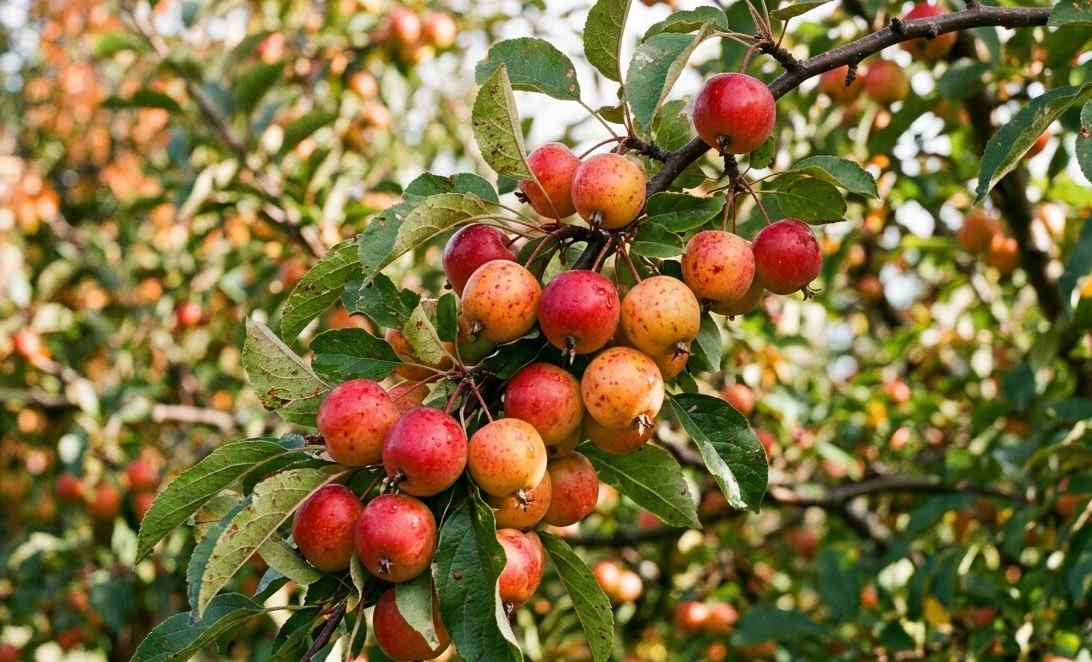
Crab apples may be small in size, but they carry a surprisingly powerful nutritional and medicinal profile. Often overlooked due to their tart taste, these vibrant fruits have been used for centuries in traditional remedies, cooking, and even natural skincare. If you’ve ever wondered whether crab apple are worth adding to your diet, this guide will walk you through everything you need to know.
What is Crab Apples?
Crab apples are small, tart fruits that grow on trees belonging to the Malus genus—the same family as regular apples. The key difference lies in their size and flavor. Crab apples are typically less than 2 inches in diameter and have a much sharper, sour taste compared to the sweet apples commonly found in grocery stores.
They are widely grown across North America, Europe, and parts of Asia. These fruits range in color from bright red and yellow to deep purple, and they are often used for making jellies, jams, sauces, and cider due to their high pectin content. While many people avoid eating them raw because of their sourness, crab apples are entirely edible (except for the seeds, which should not be consumed in large quantities).
Nutrition Facts of Crab Apples
Below is an approximate nutritional breakdown per 100 grams of raw crab apples:
| Nutrient | Amount |
|---|---|
| Calories | 52 kcal |
| Carbohydrates | 14 g |
| Sugars | 10 g |
| Fiber | 2.4 g |
| Protein | 0.3 g |
| Fat | 0.2 g |
| Vitamin C | 8–10 mg |
| Vitamin A | 50 IU |
| Potassium | 107 mg |
| Calcium | 6 mg |
| Iron | 0.1 mg |
| Antioxidants | High |
Crab apple are especially valued for their antioxidants, flavonoids, and pectin—a type of soluble fiber beneficial for digestion.
20 Proven Health Benefits of Crab Apples
- Boosts Immunity – Rich in vitamin C and antioxidants, crab apple strengthen the immune system.
- Improves Digestion – High pectin content promotes gut health and prevents constipation.
- Supports Heart Health – Helps reduce bad cholesterol levels and supports cardiovascular function.
- Aids Weight Loss – Low in calories and high in fiber, making them ideal for weight management.
- Regulates Blood Sugar – Slows glucose absorption, helping manage blood sugar levels.
- Promotes Healthy Skin – Antioxidants fight free radicals and reduce signs of aging.
- Enhances Liver Function – Supports detoxification processes in the liver.
- Reduces Inflammation – Natural anti-inflammatory compounds help soothe internal inflammation.
- Improves Brain Health – Antioxidants protect brain cells from oxidative stress.
- Strengthens Bones – Contains trace minerals that contribute to bone health.
- Supports Eye Health – Vitamin A content helps maintain good vision.
- Boosts Energy Levels – Natural sugars provide a quick energy boost.
- Improves Gut Microbiome – Fiber feeds beneficial gut bacteria.
- Helps Detox the Body – Pectin binds toxins and helps remove them from the body.
- Reduces Risk of Chronic Diseases – Antioxidants lower risk of conditions like diabetes and heart disease.
- Improves Respiratory Health – Traditionally used to soothe coughs and throat irritation.
- Promotes Hydration – High water content supports hydration.
- Supports Kidney Health – Helps flush out toxins through improved hydration and fiber intake.
- Balances Hormones – Nutrients support overall hormonal balance.
- Enhances Metabolism – Nutritional profile supports metabolic processes.
10 Side Effects of Crab Apples
- Digestive Discomfort – Excess consumption may cause bloating or gas.
- High Acidity – Can irritate the stomach in sensitive individuals.
- Tooth Enamel Erosion – Acidic nature may damage teeth over time.
- Allergic Reactions – Rare but possible in individuals allergic to apples.
- Cyanide Risk from Seeds – Seeds contain compounds that release cyanide when crushed.
- Diarrhea – Overeating may lead to loose stools due to fiber content.
- Stomach Cramps – Especially if eaten unripe or in large amounts.
- Blood Sugar Fluctuations – Excess intake may still affect glucose levels.
- Interaction with Medications – Fiber may affect absorption of certain drugs.
- Not Suitable for Acid Reflux – May worsen symptoms due to acidity.
How to Eat Crab Apples?
Despite their tartness, crab apple can be enjoyed in several ways:
- Eat them raw (preferably ripe and in small amounts)
- Make crab apple jelly or jam
- Use in chutneys or sauces
- Add to salads for a tangy twist
- Bake into pies or tarts
- Ferment into cider or vinegar
Cooking crab apple often reduces their sourness and enhances their flavor.
Tips for Consuming Crab Apples
- Always wash thoroughly before eating
- Remove seeds before consuming in large quantities
- Pair with sweet ingredients like honey or sugar
- Start with small portions if trying for the first time
- Prefer ripe fruits to avoid excessive tartness
- Cook them if you have a sensitive stomach
Other Uses of Crab Apples
Crab apples are not just for eating—they have several practical uses:
- Natural Pectin Source – Used in jam-making as a thickening agent
- Decorative Trees – Popular in landscaping for their colorful fruits
- Homemade Vinegar – Fermented into apple cider vinegar
- Herbal Remedies – Used in traditional medicine
- Skincare – Extracts used in natural beauty products
- Animal Feed – Sometimes fed to livestock in small amounts
How Much Crab Apples Can You Eat in a Day?
A moderate intake is key. Adults can safely consume:
- 1/2 to 1 cup (about 75–150 grams) per day
This amount provides health benefits without causing digestive discomfort. Eating too many may lead to side effects due to acidity and fiber overload.
Crab Apples Dosage
There is no fixed medicinal dosage, but general guidelines include:
- Raw fruit: 50–150 grams daily
- Juice or cooked forms: 1 small serving per day
- Herbal or traditional use: As recommended by a practitioner
Always adjust intake based on your body’s tolerance.
Best Time to Eat Crab Apples
- Morning or mid-day is ideal for better digestion
- Avoid eating them on an empty stomach if you have acidity issues
- Not recommended late at night due to their acidic nature
Who Should Eat Crab Apples?
Crab apple can be beneficial for:
- Individuals looking to improve digestion
- People aiming for weight loss
- Those needing immune support
- Individuals with mild constipation
- Health-conscious individuals seeking antioxidant-rich foods
Who Should Not Eat Crab Apples?
Certain groups should limit or avoid crab apple:
- People with acid reflux or gastritis
- Individuals allergic to apples
- Young children (due to seeds and acidity)
- Those with sensitive digestive systems
- People on specific medications affecting digestion
How to Store Crab Apples?
Proper storage helps maintain freshness and flavor:
- Store in the refrigerator for up to 2 weeks
- Keep in a breathable bag or container
- Wash only before use, not before storage
- Freeze for long-term storage (after removing seeds)
- Can be preserved as jams, jellies, or dried slices
Precautions and Interactions
- Avoid consuming seeds in large amounts due to toxic compounds
- If you are on medication, consult a doctor before regular consumption
- Pregnant and breastfeeding women should consume in moderation
- Always introduce gradually into your diet
- Monitor for allergic reactions or digestive discomfort
Final Thoughts
Crab apples are a hidden gem in the world of fruits. While their tart flavor may not appeal to everyone at first bite, their impressive nutritional profile and wide range of health benefits make them worth exploring. From boosting immunity and digestion to supporting heart health, these small fruits pack a powerful punch.
Like any food, moderation is key. When consumed wisely and prepared properly, crab apple can become a valuable addition to a balanced and healthy lifestyle.
FAQ’s
What are crab apples good for?
Crab apple are excellent for boosting immunity, improving digestion, supporting heart health, and providing antioxidants that help fight oxidative stress.
Can you eat crab apples raw?
Yes, crab apple can be eaten raw when ripe, but they are usually very tart. Many people prefer consuming them cooked in jams, jellies, or sauces.
Are crab apples safe to eat?
Yes, the fruit flesh is safe to eat. However, the seeds should not be consumed in large quantities because they contain compounds that can release toxic substances.
Do crab apples taste like regular apples?
Not exactly. Crab apple are much more sour and less sweet than regular apples, which is why they are often cooked or sweetened.
Are crab apples healthy?
Yes, they are low in calories and rich in fiber, vitamin C, and antioxidants, making them a healthy addition to your diet.
Can crab apples help with weight loss?
Yes, their low calorie and high fiber content can help you feel full longer, supporting weight management.
Do crab apples make you sleepy?
No, crab apple are not known to cause sleepiness. However, their natural nutrients may support overall body relaxation indirectly.
Can diabetics eat crab apples?
Yes, in moderation. Their fiber content helps regulate blood sugar levels, but portion control is important.
Are crab apples good for digestion?
Yes, they contain pectin, a type of fiber that promotes healthy digestion and prevents constipation.
Can you eat crab apples every day?
Yes, but in moderate amounts (about 50–150 grams daily) to avoid digestive discomfort.
Are crab apples poisonous?
No, the fruit itself is not poisonous. Only the seeds can be harmful if consumed in large quantities.
Can children eat crab apples?
Yes, but in small amounts and without seeds. Their sour taste may not appeal to all children.
Are crab apples good for the skin?
Yes, antioxidants in crab apple help fight free radicals and may improve skin health.
How do you reduce the sour taste of crab apples?
Cooking them with sugar, honey, or mixing with sweeter fruits can reduce their tartness.
Can crab apples be used to make juice?
Yes, they can be juiced, but the juice is usually tart and often sweetened before drinking.
Do crab apples help detox the body?
Yes, their fiber content helps remove toxins from the digestive system.
Are crab apples acidic?
Yes, they are naturally acidic, which may cause discomfort for people with acid reflux.
How long do crab apples last?
When stored in the refrigerator, they can last up to 1–2 weeks.
Can you freeze crab apples?
Yes, crab apple can be frozen after washing and removing seeds for longer storage.
Is crab apples safe for pregnant women?
Yes, in moderation. Avoid seeds and consult a doctor if needed.
What is crab apples good for?
Boosts immunity, aids digestion, and supports heart health.
Why do they call them crab apples?
The name refers to their small size and sour taste.
What is the life expectancy of a crab apple tree?
Around 30–70 years, depending on care and variety.
Also Read: