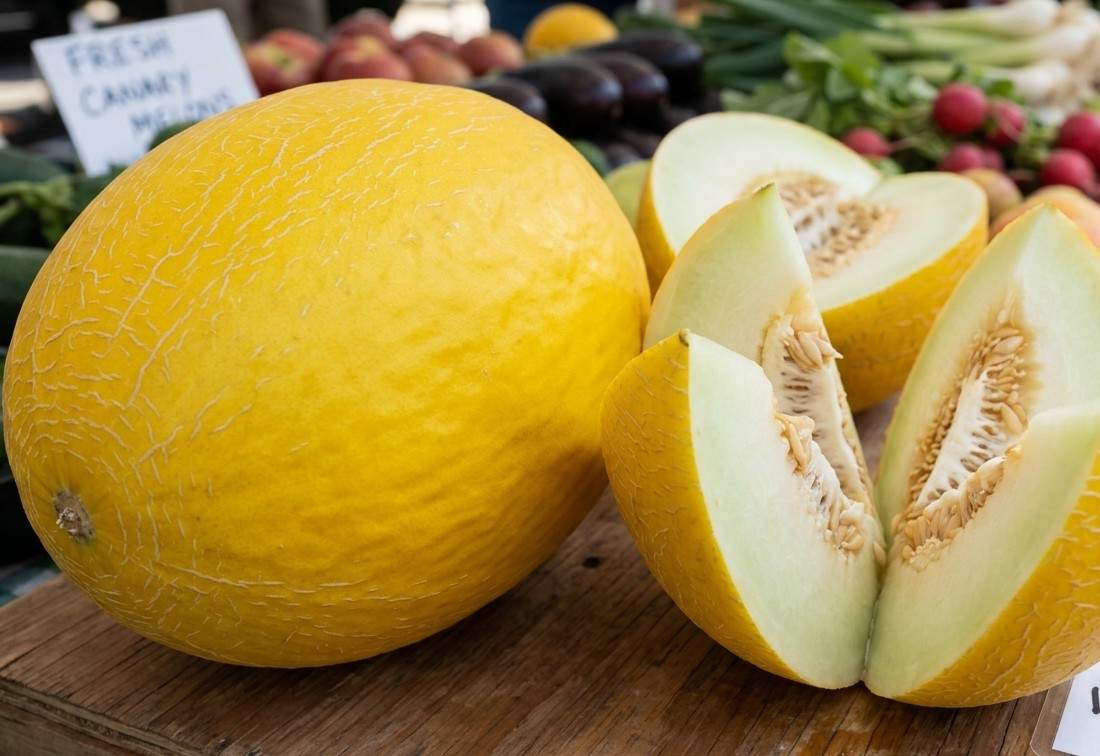
Canary melon is one of those bright, cheerful fruits that instantly catches your eye at the market. With its vibrant yellow skin and sweet, juicy flesh, it not only looks appealing but also delivers a refreshing taste and impressive nutritional value. Often overlooked in favor of more popular fruits like watermelon or muskmelon, canary melon deserves a spot in your daily diet for its hydrating properties and health benefits.
This guide will walk you through everything you need to know about canary melon—from its nutritional profile to its science-backed health benefits, side effects, and the best ways to enjoy it.
What is Canary Melon?
Canary melon is a type of muskmelon belonging to the Cucumis melo species. It gets its name from its bright yellow rind, which resembles the color of a canary bird. Inside, the flesh is pale green to white and has a mild, slightly tangy sweetness, often compared to a mix of honeydew and pear.
This fruit is widely grown in warm regions such as Spain, Morocco, and parts of the United States. It is especially popular during summer due to its cooling and hydrating nature.
Nutrition Facts of Canary Melon (Per 100 grams)
| Nutrient | Amount |
|---|---|
| Calories | 36 kcal |
| Water Content | ~90% |
| Carbohydrates | 9 g |
| Natural Sugars | 8 g |
| Dietary Fiber | 0.8 g |
| Protein | 0.5 g |
| Fat | 0.1 g |
| Vitamin C | 18 mg |
| Vitamin A | 50 IU |
| Potassium | 228 mg |
| Magnesium | 10 mg |
| Calcium | 6 mg |
20 Proven Health Benefits of Canary Melon
- Boosts Hydration – High water content helps maintain fluid balance and prevents dehydration.
- Supports Digestive Health – Contains fiber that promotes smooth bowel movements.
- Improves Skin Health – Vitamin C helps in collagen production, keeping skin youthful.
- Strengthens Immunity – Antioxidants help fight infections and improve immune response.
- Aids Weight Loss – Low in calories and high in water, making it ideal for dieting.
- Promotes Heart Health – Potassium helps regulate blood pressure levels.
- Reduces Inflammation – Antioxidants help lower inflammation in the body.
- Supports Eye Health – Contains vitamin A, essential for vision.
- Enhances Energy Levels – Natural sugars provide quick energy.
- Improves Kidney Function – Hydrating properties support kidney health.
- Regulates Blood Pressure – Potassium balances sodium levels.
- Helps Detoxify the Body – Water and fiber help flush toxins.
- Supports Bone Health – Contains minerals like calcium and magnesium.
- Improves Hair Health – Nutrients promote stronger, shinier hair.
- Reduces Stress – Hydration and nutrients help stabilize mood.
- Supports Healthy Pregnancy – Provides hydration and essential vitamins.
- Improves Metabolism – Light and nutrient-rich fruit aids metabolic functions.
- Prevents Constipation – Fiber supports digestive movement.
- Supports Liver Health – Hydrating fruit helps maintain liver function.
- Promotes Overall Wellness – A nutrient-dense fruit that supports multiple body systems.
10 Side Effects of Canary Melon
- Overconsumption May Cause Bloating – Excess fiber can lead to gas or discomfort.
- May Raise Blood Sugar Levels – Natural sugars may affect diabetics if consumed in large amounts.
- Allergic Reactions – Rare but possible in sensitive individuals.
- Digestive Issues – Overeating may cause diarrhea.
- Cold Sensitivity – Its cooling nature may not suit people with sensitive digestion.
- Interaction with Medications – High potassium may interfere with certain medications.
- Risk of Contamination – Improperly washed melons may carry bacteria.
- Acidity Issues – May cause mild acidity in some people.
- Not Ideal on Empty Stomach for Everyone – Can cause discomfort in sensitive individuals.
- Excess Hydration Effect – Overeating may dilute electrolytes.
How to Eat Canary Melon
- Slice it into wedges and eat fresh
- Add cubes to fruit salads
- Blend into smoothies
- Mix with yogurt for a refreshing snack
- Freeze for a natural dessert
- Add to summer drinks or juices
Tips for Consuming Canary Melon
- Always wash the outer rind before cutting
- Choose ripe melons with a sweet aroma
- Eat fresh for maximum nutrients
- Avoid combining with heavy meals for better digestion
- Consume in moderation
Other Uses of Canary Melon
- Used in fruit platters for decoration
- Added to desserts like sorbets and ice creams
- Used in skincare DIY masks for hydration
- Blended into refreshing summer beverages
- Used in salads with mint and lime
How Much Canary Melon Can You Eat in a Day?
A healthy serving size is about 1 to 2 cups (150–300 grams) per day. This amount provides hydration and nutrients without overloading your digestive system.
There is no strict dosage, but moderation is key.
- Adults: 1–2 cups daily
- Children: ½–1 cup daily
- Athletes: Slightly higher intake due to hydration needs
Best Time to Eat Canary Melon
- Morning: Helps hydrate and energize
- Midday: Refreshing snack during hot weather
- Avoid late night consumption as it may affect digestion in some individuals
Who Should Eat Canary Melon?
- People looking to stay hydrated
- Individuals trying to lose weight
- Athletes needing quick energy
- People with constipation issues
- Those seeking healthy skin and digestion support
Who Should Not Eat Canary Melon?
- People with severe diabetes (unless controlled portions)
- Individuals allergic to melons
- Those with sensitive digestion
- People on potassium-restricted diets
- Individuals with frequent bloating issues
How to Store Canary Melon
- Store whole melon at room temperature until ripe
- Once cut, refrigerate in an airtight container
- Consume within 2–3 days after cutting
- Keep away from strong-smelling foods
- Do not freeze whole melon, only sliced pieces
Precautions and Interactions
- Wash thoroughly before cutting to avoid bacterial contamination
- Avoid overeating to prevent digestive discomfort
- Consult a doctor if you are on potassium-related medications
- Monitor portion size if diabetic
- Avoid mixing with alcohol or heavy foods immediately
Conclusion
Canary melon is a refreshing, nutritious, and versatile fruit that offers a wide range of health benefits. From keeping you hydrated to supporting digestion and skin health, it can be a valuable addition to your daily diet. Like any food, it is best enjoyed in moderation while being mindful of individual health conditions.
FAQ’s
What does canary melon taste like?
Yellow melon has a mildly sweet, refreshing taste, often described as a blend of honeydew melon and pear with a slightly tangy finish.
Is canary melon good for weight loss?
Yes, it is low in calories and high in water content, making it a great option for those trying to lose weight while staying full and hydrated.
Can diabetics eat canary melon?
Diabetics can eat yellow melon in moderation. Its natural sugars can raise blood sugar levels, so portion control is important.
Is canary melon good for hydration?
Yes, with about 90% water content, it helps keep the body hydrated, especially in hot weather.
Can you eat canary melon seeds?
The seeds are generally removed before eating. While not toxic, they are not typically consumed due to their texture.
Is canary melon safe during pregnancy?
Yes, when eaten in moderate amounts and properly washed, it provides hydration and essential nutrients beneficial during pregnancy.
How do you know if a canary melon is ripe?
A ripe yellow melon has a bright yellow skin, a slightly waxy texture, and a sweet aroma at the stem end.
Can canary melon cause allergies?
Allergic reactions are rare but possible. People sensitive to melons should be cautious.
Does canary melon help digestion?
Yes, its water and fiber content support healthy digestion and help prevent constipation.
Can canary melon be eaten at night?
It can be eaten at night, but some people may experience mild digestive discomfort due to its high water content.
Is canary melon good for the skin?
Yes, it contains vitamin C and antioxidants that help improve skin health and promote a natural glow.
How long does cut canary melon last in the fridge?
Cut yellow melon can be stored in an airtight container in the refrigerator for up to 2–3 days.
Can children eat canary melon?
Yes, it is safe and healthy for children when served in small, manageable portions.
Is canary melon better than watermelon?
Both are healthy and hydrating. Yellow melon is slightly sweeter and denser, while watermelon has higher water content.
Can canary melon help in detox?
Yes, its high water content helps flush toxins from the body and supports natural detoxification.
Does canary melon increase energy levels?
Yes, it contains natural sugars that provide a quick and healthy energy boost.
Can canary melon be used in smoothies?
Absolutely, it blends well with fruits like banana, berries, and yogurt for refreshing smoothies.
Is canary melon acidic?
It is mildly acidic but generally gentle on the stomach for most people.
Can I eat Canary Melon every day?
Yes, you can eat yellow melon daily in moderate amounts (about 1–2 cups), as it is hydrating and low in calories.
What is Canary Melon good for?
It is good for hydration, digestion, skin health, weight management, and boosting immunity.
Is there another name for canary melon?
Yes, it is sometimes called “Juan Canary melon” or simply “yellow melon.”
Is canary melon a muskmelon?
Yes, yellow melon belongs to the muskmelon family (Cucumis melo species).
Also Read: