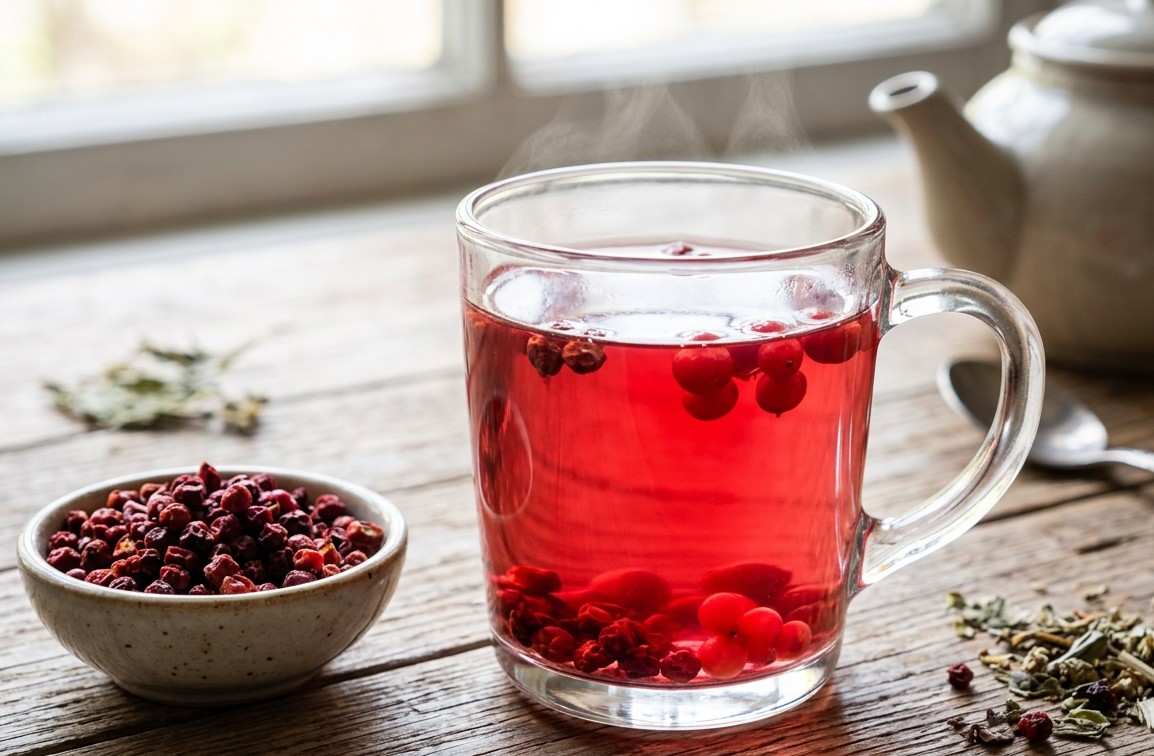
Schisandra Berry Tea is a traditional herbal drink made from the dried berries of the Schisandra plant, a climbing vine native to parts of China and Russia. Known as the “five-flavor berry,” schisandra has been used for centuries in traditional wellness practices because it combines sweet, sour, salty, bitter, and pungent tastes in one fruit. Today, Schisandra Berry Tea is gaining popularity worldwide for its potential health-supporting properties, refreshing flavor, and adaptogenic qualities.
This tea is often consumed to support energy levels, liver function, mental clarity, stress management, and overall vitality. Rich in antioxidants and plant compounds called lignans, Schisandra Berry Tea offers a unique combination of wellness benefits that appeal to people looking for natural herbal beverages.
What is Schisandra Berry Tea?
Schisandra Berry Tea is an herbal infusion prepared by steeping dried schisandra berries in hot water. The tea has a tart, slightly sweet, earthy flavor and is commonly enjoyed warm or chilled.
The berries come from the plant Schisandra chinensis, which has long been used in traditional Chinese medicine. Schisandra is classified as an adaptogen, meaning it may help the body better respond to stress and fatigue.
The tea is naturally caffeine-free, making it suitable for people who want a calming herbal beverage without the stimulating effects of coffee or black tea. Many people drink Schisandra Berry Tea to support stamina, focus, digestion, skin health, and immune function.
Nutritional Facts of Schisandra Berry Tea
| Nutrient | Approximate Amount Per Cup |
|---|---|
| Calories | 5–10 |
| Carbohydrates | 1–2 g |
| Sugar | Less than 1 g |
| Fiber | Trace amounts |
| Vitamin C | Small amounts |
| Potassium | Small amounts |
| Magnesium | Trace amounts |
| Iron | Trace amounts |
| Antioxidants | High |
| Lignans | Present |
| Caffeine | 0 mg |
Nutritional values may vary depending on brewing strength and preparation method.
20 Science-Backed Benefits of Schisandra Berry Tea
- Supports Liver Health: Schisandra Berry Tea contains lignans that may help protect liver cells and support natural detoxification processes.
- Rich in Antioxidants: The tea is loaded with antioxidant compounds that help fight oxidative stress and cellular damage.
- May Improve Mental Focus: Schisandra is traditionally used to enhance concentration, alertness, and mental performance.
- Helps Manage Stress: As an adaptogenic herb, Schisandra Berry Tea may help the body cope with physical and emotional stress.
- Boosts Energy Naturally: Many people drink this tea to improve stamina and reduce feelings of fatigue without caffeine.
- Supports Immune Function: Antioxidants and plant nutrients in schisandra may help strengthen the immune system.
- May Enhance Physical Endurance: Some studies suggest schisandra can improve exercise performance and physical resilience.
- Promotes Healthy Skin: Antioxidant compounds may help protect the skin from environmental stress and premature aging.
- Supports Better Sleep Quality: Schisandra may help calm the nervous system and support restful sleep in some individuals.
- May Improve Mood: Traditional use suggests the tea may help support emotional balance and reduce irritability.
- Supports Digestive Health: Schisandra Berry Tea may help stimulate digestion and reduce occasional digestive discomfort.
- May Help Balance Hormones: Adaptogenic herbs like schisandra may support hormonal balance during periods of stress.
- Supports Respiratory Health: Traditionally, schisandra has been used to support healthy lung function and breathing.
- May Promote Heart Health: Antioxidants in the tea may help support healthy circulation and cardiovascular wellness.
- Helps Protect Brain Cells: Certain compounds in schisandra may offer neuroprotective benefits for cognitive health.
- May Reduce Inflammation: The tea contains plant compounds that may help lower inflammation in the body.
- Supports Healthy Blood Sugar Levels: Some research suggests schisandra may help maintain balanced glucose metabolism.
- May Improve Sexual Wellness: Traditional herbal practices associate schisandra with improved vitality and reproductive health.
- Supports Healthy Aging: Antioxidants in Schisandra Berry Tea may help protect cells from age-related damage.
- May Aid Recovery After Illness or Fatigue: The tea is traditionally used to restore strength and improve overall vitality.
10 Side Effects of Schisandra Berry Tea
- May Cause Heartburn: Some people may experience acid reflux or stomach irritation after drinking strong schisandra tea.
- Can Trigger Allergic Reactions: Individuals sensitive to herbal products may develop itching, rash, or swelling.
- May Cause Digestive Upset: Excessive intake can sometimes lead to bloating, nausea, or stomach discomfort.
- Could Affect Sleep in Some People: Although calming for many, it may increase alertness in sensitive individuals.
- May Lower Blood Sugar Too Much: People taking diabetes medications should monitor blood sugar levels carefully.
- Can Interact with Medications: Schisandra may affect how the liver processes certain medicines.
- May Increase Stomach Acidity: Individuals with ulcers or gastritis may experience worsening symptoms.
- Could Cause Headaches: Some users report mild headaches when consuming large amounts.
- May Affect Blood Pressure: Schisandra could influence blood pressure levels in sensitive individuals.
- Not Recommended During Pregnancy Without Medical Advice: Herbal compounds may not be suitable during pregnancy or breastfeeding.
How to Make Schisandra Berry Tea
Ingredients:
- 1–2 teaspoons dried schisandra berries
- 2 cups water
- Honey or lemon (optional)
Instructions:
- Rinse the dried berries under cool water.
- Add the berries and water to a saucepan.
- Bring the mixture to a gentle boil.
- Reduce the heat and simmer for 10–15 minutes.
- Remove from heat and let steep for another 5 minutes.
- Strain the tea into a cup.
- Add honey or lemon if desired and serve warm.
For a stronger flavor, lightly crush the berries before brewing.
Other Uses of Schisandra Berry Tea
Herbal Tonic
Schisandra tea can be consumed as a daily wellness tonic to support energy and vitality.
Iced Herbal Beverage
The tea can be chilled and served over ice for a refreshing summer drink.
Smoothie Ingredient
Brewed schisandra tea may be added to smoothies for an antioxidant boost.
Facial Steam
Some people use cooled schisandra tea in herbal facial steams for skin support.
Herbal Blends
Schisandra pairs well with herbs like ginger, licorice root, ginseng, and hibiscus.
Natural Cooking Flavor
The tea or berries may be used in soups, syrups, sauces, and herbal desserts.
How Much Schisandra Berry Tea Can You Drink a Day?
Most healthy adults can safely drink 1–3 cups of Schisandra Berry Tea daily in moderate amounts. Beginners should start with one cup per day to observe how their body responds.
Drinking excessive amounts may increase the risk of digestive discomfort or herb-drug interactions. Strongly concentrated tea should be consumed carefully, especially for individuals with medical conditions or those taking medications.
If using schisandra therapeutically, it is best to follow professional herbal guidance.
Tips for Consuming Schisandra Berry Tea
Start with Small Amounts
Begin with a mild brew to see how your body reacts to the herb.
Drink Consistently
Regular moderate use may provide better results than occasional heavy intake.
Pair with Healthy Foods
Enjoy the tea alongside balanced meals for improved digestion and nutrient absorption.
Avoid Excess Sweeteners
Too much sugar can reduce the health benefits of herbal tea.
Store Properly
Keep dried schisandra berries in an airtight container away from moisture and sunlight.
Combine with Complementary Herbs
Try mixing schisandra with calming or warming herbs for a balanced flavor profile.
Best Time to Drink Schisandra Berry Tea
Morning
Drinking the tea in the morning may help support energy, focus, and mental clarity throughout the day.
Before Exercise
Some people consume Schisandra Berry Tea before workouts to support stamina and endurance.
Afternoon
A midday cup may help reduce fatigue without the caffeine crash associated with coffee.
Evening
A mild cup in the evening may help promote relaxation for certain individuals, though sensitive people may prefer earlier consumption.
Who Should Drink Schisandra Berry Tea?
- People Experiencing Stress: Its adaptogenic properties may help support stress management and resilience.
- Individuals Seeking Natural Energy: The tea may provide gentle support for stamina and focus without caffeine.
- Adults Interested in Herbal Wellness: People looking for antioxidant-rich herbal beverages may enjoy Schisandra Berry Tea.
- Those Supporting Liver Health: Schisandra has traditionally been used to support healthy liver function.
- Athletes and Active Individuals: The tea may help support endurance and recovery after physical activity.
- People Looking for Immune Support: Its antioxidant content may contribute to overall immune wellness.
Who Should Not Drink Schisandra Berry Tea?
- Pregnant or Breastfeeding Women: Safety data is limited, so medical advice is recommended before use.
- People with Epilepsy: Certain herbal compounds may not be suitable for neurological conditions.
- Individuals with Stomach Ulcers: The tea may increase stomach acidity and irritation.
- Those Taking Prescription Medications: Schisandra can interact with medications processed by the liver.
- People with Severe Acid Reflux: Its tart nature may worsen symptoms in some individuals.
- Children Without Medical Guidance: Herbal preparations should be used cautiously in children.
Precautions and Interactions
Schisandra Berry Tea may interact with medications that are metabolized by liver enzymes, including certain blood thinners, sedatives, diabetes medications, and immune-related drugs. Individuals taking prescription medicines should consult a healthcare professional before consuming the tea regularly.
People with chronic illnesses, liver disorders, or hormone-sensitive conditions should also seek medical advice before using schisandra products. Avoid consuming very concentrated preparations unless recommended by a qualified practitioner. If any unusual symptoms such as rash, severe stomach pain, dizziness, or breathing difficulty occur, discontinue use immediately and seek medical attention.
Conclusion
Schisandra Berry Tea is a unique herbal beverage valued for its adaptogenic and antioxidant-rich properties. Traditionally used for centuries, this tea may help support energy, focus, liver health, stress management, and overall wellness when consumed in moderation.
Its complex flavor and wide range of potential benefits make it an appealing addition to a balanced lifestyle. However, like all herbal products, Schisandra Berry Tea should be consumed responsibly, especially by individuals with health conditions or those taking medications.
FAQ’s
What does Schisandra Berry Tea taste like?
Schisandra Berry Tea has a unique flavor that is sweet, sour, bitter, salty, and slightly pungent all at once.
Is Schisandra Berry Tea caffeine-free?
Yes, Schisandra Berry Tea is naturally caffeine-free, making it suitable for people avoiding caffeine.
Can I drink Schisandra Berry Tea every day?
Most healthy adults can safely drink 1–3 cups daily in moderation.
Does Schisandra Berry Tea help with stress?
Schisandra is considered an adaptogenic herb that may help the body better manage stress and fatigue.
Is Schisandra Berry Tea good for the liver?
Traditional use and research suggest schisandra may help support healthy liver function.
Can Schisandra Berry Tea help with energy?
Yes, many people use it as a natural energy-supporting herbal tea without caffeine.
Does Schisandra Berry Tea aid sleep?
For some people, it may promote relaxation, while others may feel more alert after drinking it.
Can diabetics drink Schisandra Berry Tea?
People with diabetes should consult a healthcare provider because schisandra may affect blood sugar levels.
Is Schisandra Berry Tea safe during pregnancy?
Pregnant or breastfeeding women should seek medical advice before using schisandra products.
Should Schisandra Berry Tea be consumed hot or cold?
It can be enjoyed both hot and iced depending on personal preference.
Can I add honey or lemon to Schisandra Berry Tea?
Yes, honey, lemon, ginger, or mint are commonly added to improve flavor.
How long should I steep Schisandra Berry Tea?
Most people simmer or steep the berries for 10–15 minutes for the best flavor and benefits.
Does Schisandra Berry Tea help immunity?
Its antioxidant compounds may help support healthy immune function.
Can Schisandra Berry Tea improve skin health?
The antioxidants in schisandra may help protect the skin from environmental damage and premature aging.
How long does it take for Schisandra Berry Tea to work?
Some people may notice increased energy or mental clarity within a few hours, while long-term benefits like stress support and improved wellness may take several days or weeks of regular use.
How should Schisandra Berry Tea be stored?
Store dried schisandra berries or tea in an airtight container in a cool, dry place away from sunlight and moisture to maintain freshness and potency.
Is Schisandra Berry Tea safe for children?
Schisandra Berry Tea should only be given to children under the guidance of a healthcare professional, as herbal products may not be suitable for all ages.
What is Schisandra Berry Tea good for?
Schisandra Berry Tea is commonly used to support energy, stress management, liver health, mental focus, immunity, and overall wellness due to its antioxidant and adaptogenic properties.
Also Read: